

Noise cancelling sounds like a magic trick with a subscription plan: put on headphones, press a button, and suddenly the airplane engine, office chatter, bus rumble, coffee grinder, leaf blower, and possibly your neighbor’s legendary conference-call voice all disappear into the void. Beautiful, right?
Well, yes. But also no. Active noise cancelling, commonly called ANC, is one of those technologies that feels simple from the outside and becomes delightfully messy the moment you lift the hood. The basic idea is elegant: listen to unwanted sound, create an opposite sound wave, and reduce what reaches your ear. The actual execution involves microphones, speakers, signal processing, acoustic seals, ear shapes, battery limits, algorithm tuning, and the cruel fact that real life refuses to produce tidy laboratory noise.
In other words, noise cancelling is not just “anti-sound go brrr.” It is a tiny physics negotiation happening beside your ear hundreds or thousands of times per second. Sometimes it wins beautifully. Sometimes the baby on row 18 laughs directly in the face of your $300 headphones.
What Is Active Noise Cancelling, Really?
Active noise cancelling is an electronic method for reducing unwanted ambient sound. Instead of only blocking noise physically, ANC uses microphones to detect outside noise, then uses onboard electronics to create an “anti-noise” signal. That signal is played through the headphone driver and is designed to be out of phase with the original sound wave. When the two waves meet, they interfere with each other, reducing the sound pressure that reaches your eardrum.
The key phrase is destructive interference. If sound is a wave, ANC tries to send in a matching wave shaped like its mirror-image evil twin. When the timing, amplitude, and phase line up properly, the unwanted sound is reduced. When they do not, the result may be weaker cancellation, a faint hiss, pressure-like sensation, or even odd artifacts.
That is why the phrase “noise cancelling headphones” covers a wide range of performance. Two products may both advertise ANC, but one may gently quiet an air conditioner while the other can make a subway ride feel like someone placed a polite pillow over the city.
Active Noise Cancelling vs. Passive Noise Isolation
Before we blame ANC for not silencing the universe, we need to separate two ideas: active noise cancelling and passive noise isolation.
Passive isolation is the old-school method. It reduces noise by physically blocking sound from entering your ear. Over-ear headphones use padded cups. In-ear earbuds use silicone or foam tips. Earplugs use material that seals the ear canal. No microchip wizardry required.
Active noise cancelling is different. It does not merely block sound; it listens and responds. The headphones capture environmental noise with microphones, process that signal, and generate anti-noise through the speakers.
The best noise cancelling headphones usually combine both. The ear cup or ear tip handles some higher-frequency sound by sealing the ear, while ANC tackles the low-frequency rumble that passive materials often struggle to block. This teamwork matters. A bad seal can turn a premium ANC system into a very expensive headband with opinions.
Why Low Frequencies Are Easier to Cancel
ANC shines brightest against steady, low-frequency noise: airplane engines, bus motors, HVAC hum, train rumble, and the mechanical drone of modern life. These sounds are predictable. Their waves are longer. Their patterns give the headphone’s processor just enough time to listen, calculate, and push back.
High-frequency sounds are harder. A clinking dish, keyboard tapping, speech consonants, barking, or sudden laughter changes quickly. The wavelengths are shorter, and the system has less room for timing error. If the anti-noise arrives late, even by a tiny amount, it will not cancel effectively. It might even make things worse.
This is why you may notice that ANC makes the airplane cabin dramatically calmer but still lets you hear the flight attendant ask whether you want pretzels. That is not necessarily a failure. It is physics doing what physics does best: ruining marketing simplicity.
The Three Main Types of ANC
Most consumer noise cancelling headphones and earbuds use one of three ANC structures: feedforward, feedback, or hybrid.
Feedforward ANC
Feedforward ANC uses microphones placed on the outside of the ear cup or earbud. These microphones hear the environment before the sound reaches your ear. The advantage is early detection. The system gets a preview of the incoming noise and can respond quickly.
The drawback is that outside microphones do not hear exactly what your ear hears. They may pick up wind noise, clothing rub, or environmental sound that changes before it reaches the ear canal. Feedforward ANC can be effective, but it depends heavily on smart tuning.
Feedback ANC
Feedback ANC places microphones inside the ear cup or earbud, near the ear. These mics monitor what actually makes it past the seal. That gives the system a more realistic picture of the sound near your eardrum.
The challenge is timing. By the time sound is detected inside the cup, it is already close to your ear. The system must react extremely fast. Feedback ANC can also interact with the music signal itself, so manufacturers must carefully tune it to avoid changing the sound quality too much.
Hybrid ANC
Hybrid ANC combines external and internal microphones. It is the “why not both?” approach, and it is common in higher-end headphones and earbuds. The outer microphone detects incoming sound; the inner microphone checks the result near the ear. Together, they help the system cancel a wider range of noise more accurately.
Hybrid ANC is powerful, but it also costs more, uses more components, and requires more sophisticated software. More microphones do not automatically equal better performance. As with cooking, adding more ingredients does not help if the recipe is chaos.
Fit: The Tiny Detail That Changes Everything
The most underrated part of noise cancelling is fit. Ear shape, ear-tip size, headband pressure, glasses, hair, jaw movement, and even how you chew can affect isolation.
In-ear ANC earbuds rely on a seal inside the ear canal. If the tip is too small, bass leaks out and noise leaks in. If it is too large, comfort disappears and the earbud may shift. Foam tips can improve sealing for some people, while silicone tips may feel cleaner and easier to use daily.
Over-ear headphones face similar issues. If the ear pads do not sit evenly around your ears, noise leaks through. Glasses can create small gaps. Long hair or thick hoodie fabric can interrupt the seal. That is why one reviewer may call a headphone “amazing,” while another person tries it and wonders whether the ANC was installed by a raccoon.
Modern premium earbuds often include fit tests, adaptive audio processing, or personalization features that measure how sound behaves in your ear. This is not just a fancy app trick. Since every ear is shaped differently, personalization can help the system tune cancellation and sound quality more accurately.
Why ANC Can Affect Music Quality
Noise cancelling headphones do two jobs at once: play your music and fight the outside world. Those tasks can collide.
The speaker driver must reproduce your audio while also producing anti-noise. The processor must decide how much correction to apply without distorting the sound. Strong ANC may slightly alter bass response, widen or narrow the perceived soundstage, or introduce a subtle pressure sensation. Some users hear a faint hiss when ANC is on, especially in quiet rooms.
This does not mean ANC ruins sound quality. Many excellent headphones sound great with ANC enabled. But it does mean ANC is not free. Every design involves trade-offs among cancellation strength, audio fidelity, comfort, battery life, heat, size, and price.
Battery Life: Silence Has a Power Bill
ANC requires energy. Microphones need power. Digital signal processors need power. Wireless radios need power. The headphone drivers must work harder. If the product also supports transparency mode, spatial audio, multipoint Bluetooth, voice assistants, and touch controls, the battery becomes a tiny overworked intern.
This is why ANC-on battery life is usually shorter than ANC-off battery life. Over-ear headphones often have more room for larger batteries, while earbuds must squeeze microphones, chips, antennas, batteries, and speakers into something roughly the size of a snack crumb.
Manufacturers constantly balance cancellation strength against battery life. A more aggressive ANC setting may feel impressive but drain faster. Adaptive ANC tries to solve this by increasing cancellation only when needed, such as on a plane, train, or busy street.
Why Wind Is the Enemy of Noise Cancelling
If ANC had a cartoon villain, it would be wind. Wind creates turbulence around external microphones, producing low-frequency buffeting that the system may interpret as noise to cancel. The result can be thumps, fluttering, or a strange ocean-in-a-seashell effect.
Many headphones include wind-reduction modes that reduce reliance on exterior microphones or adjust the algorithm. This can make outdoor use more pleasant, but it may also reduce cancellation strength. Again, trade-offs. Always trade-offs. Technology is basically a buffet where every plate charges rent.
Transparency Mode: The Reverse Magic Trick
Transparency mode, sometimes called ambient mode or hear-through mode, uses microphones to bring outside sound into your ears instead of cancelling it. This is useful when crossing streets, hearing announcements, ordering coffee, or pretending you did not hear your name the first time.
Good transparency mode sounds natural. Poor transparency mode sounds like the world is being played through a tin can attached to a robot. The best systems balance environmental awareness with comfort, avoiding harsh amplification of sudden sounds.
Transparency mode also highlights how much signal processing is happening. These devices are not simply headphones anymore. They are wearable acoustic computers.
Does Noise Cancelling Protect Your Hearing?
ANC can help you listen at lower volumes because it reduces background noise. That is genuinely useful. On a loud train or airplane, people often turn music up to overpower the environment. Noise cancelling can reduce that temptation, which may support safer listening habits.
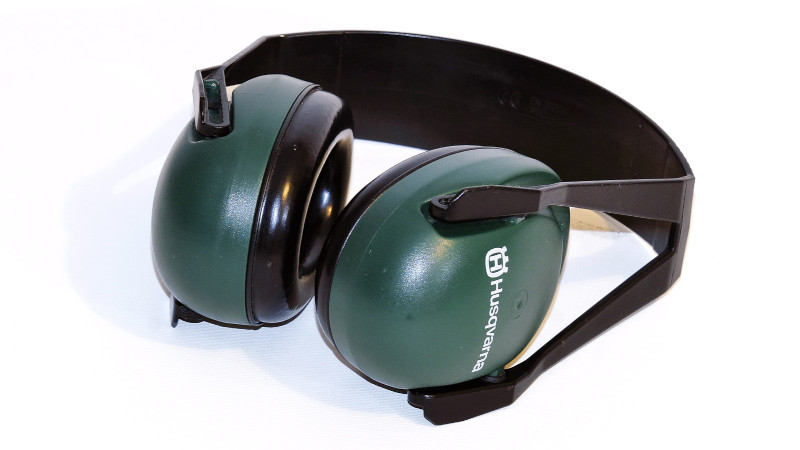
However, consumer ANC headphones should not be treated as certified hearing protection unless they are specifically labeled with a proper Noise Reduction Rating. For hazardous workplaces, concerts, shooting ranges, industrial settings, or power-tool use, use appropriate hearing protection designed and rated for the noise exposure.
ANC makes the world feel quieter, but “feels quieter” is not the same as “meets occupational safety standards.” A chainsaw does not care that your earbuds have a premium app.
Why Speech Is So Hard to Cancel
Human speech is a nightmare for ANC. It changes constantly in pitch, volume, rhythm, and direction. Vowels carry lower-frequency energy, but consonants are full of higher-frequency details. Those details are exactly what make speech understandableand exactly what ANC struggles to erase.
This is why office chatter often sneaks through. Noise cancelling may lower the room’s overall energy, but it may not completely eliminate a nearby conversation. Passive isolation helps, especially with well-sealed earbuds or over-ear cups, but the human voice remains stubborn. Evolution designed us to notice voices. Your headphones are fighting biology, architecture, and Karen from accounting.
Why Some People Feel Pressure From ANC
Some users describe ANC as creating “ear pressure,” even though the headphones are not literally changing air pressure like an airplane cabin. The sensation may come from the brain’s response to reduced low-frequency sound, slight audio artifacts, or the sealed feeling of ear cups and ear tips.
If ANC feels uncomfortable, try a lower setting, switch to transparency mode, adjust the fit, or take breaks. Not everyone enjoys strong cancellation, and that is fine. Comfort matters more than winning a silence contest.
What Makes Great Noise Cancelling Headphones?
Strong ANC is only one piece of the puzzle. A great pair of noise cancelling headphones should also have a comfortable fit, consistent seal, balanced sound, good microphones for calls, usable controls, reliable Bluetooth, solid battery life, and an app that does not feel like it was designed during a fire drill.
Testing also matters. Real-world ANC performance varies across buses, planes, offices, gyms, sidewalks, and homes. A headphone that crushes airplane rumble may be less impressive with café chatter. Another may have excellent transparency mode but weaker wind handling. There is no single “best” for everyone because ears, habits, budgets, and environments differ.
Practical Tips for Better Noise Cancelling
Choose the Right Ear Tips
For earbuds, test every included tip size. Do not assume medium is your destiny. Try small, medium, large, and any extra sizes provided. The right tip should seal securely without pain.
Check the Seal With Glasses
For over-ear headphones, glasses can break the pad seal. If ANC seems weak, gently adjust the ear cups or try thinner frames during long listening sessions.
Use ANC for Rumble, Isolation for Voices
ANC is excellent for engines and hums. Passive isolation is often better for sharp, high-frequency sounds. For maximum quiet, you need both.
Keep Firmware Updated
ANC is software-driven. Firmware updates can improve stability, call quality, transparency mode, battery behavior, and noise cancelling performance.
Do Not Replace Safety Gear With Consumer Headphones
Use rated hearing protection in loud workplaces or hazardous settings. Noise cancelling headphones are wonderful for travel and focus, but they are not automatically industrial safety equipment.
Experience Notes: Living With Noise Cancelling in the Real World
After using noise cancelling headphones in everyday situations, the biggest lesson is that ANC is less like a mute button and more like a very talented stage manager. It does not delete every sound. It lowers the chaos, pushes the annoying background characters offstage, and lets the main performance breathe.
On an airplane, the difference can feel dramatic. The low roar of the cabin drops from “inside a metal dragon” to “large refrigerator with ambition.” You can listen to music at a reasonable volume, watch a movie without subtitles doing all the emotional labor, and arrive feeling slightly less like your brain has been tumble-dried.
On a bus or train, ANC is similarly useful. The steady rumble fades, and podcasts become easier to follow. But when the doors open, brakes squeal, or someone nearby starts a speakerphone conversation that could have been a private thought, the illusion cracks. The headphones reduce the mess, but they do not place society on airplane mode.
In an office, ANC is both wonderful and imperfect. It can soften HVAC noise, distant chatter, computer fans, and the general electrical soup of modern workspaces. But nearby voices still cut through, especially if you are not playing music. Adding gentle background audio, brown noise, or instrumental playlists often improves the effect. Silence plus ANC is good; ANC plus soft sound can be better.
At home, noise cancelling can be surprisingly helpful for small irritations: dishwashers, washing machines, traffic outside, fans, and neighbors practicing the ancient art of moving furniture at 11:47 p.m. It creates a sense of personal space even when the room is not silent. That psychological benefit is real. Sometimes you do not need perfect quiet; you just need the world to stop poking your concentration with a spoon.
However, ANC can also make you less aware of your surroundings. That matters outside. Walking through a city with maximum noise cancelling can feel peaceful, but it may also reduce awareness of bikes, cars, announcements, or people trying to get your attention. Transparency mode exists for a reason. Use it when awareness matters. Your playlist is not worth losing a duel with a delivery scooter.
Comfort is another real-world factor. Some headphones sound excellent but become warm after an hour. Some earbuds cancel beautifully but create pressure or fatigue. Others fit perfectly until you eat, talk, smile, or make the tragic mistake of having a jaw. The best noise cancelling device is not always the one with the strongest lab result; it is the one you can wear comfortably in the places where you actually need it.
Battery anxiety is also part of the experience. ANC becomes addictive fast. Once you get used to quieting the room, hearing the full roar of life again feels rude. Keeping headphones charged becomes a routine, especially for travel. A dead ANC battery at the airport is a tiny tragedy with boarding groups.
The most practical conclusion from daily use is simple: buy noise cancelling headphones for reduction, not deletion. Expect airplane engines to shrink. Expect office hum to soften. Expect voices to remain partially human. Expect wind to be annoying. Expect fit to matter more than advertisements admit. And expect the best ANC to feel less like silence and more like control.
Conclusion: Noise Cancelling Is Brilliant, But Not Simple
Noise cancelling is one of the most impressive consumer audio technologies because it turns physics into comfort. It uses microphones, processors, speakers, acoustic design, and clever algorithms to fight unwanted sound in real time. When it works well, it can make travel calmer, work easier, and daily life less exhausting.
But ANC is not magic. It is better at steady low-frequency noise than sudden high-frequency sounds. It depends on fit, seal, tuning, battery power, and microphone placement. It can affect sound quality, struggle with wind, and fail to fully silence speech. It can support safer listening habits, but it should not replace certified hearing protection in dangerous noise environments.
So yes, noise cancelling is amazing. It is also hard. The next time you press that ANC button and the world fades a little, give a tiny nod to the microphones, math, and miniature processors doing battle beside your ears. They may not defeat every sound, but they are trying very hardand honestly, so are the rest of us.