

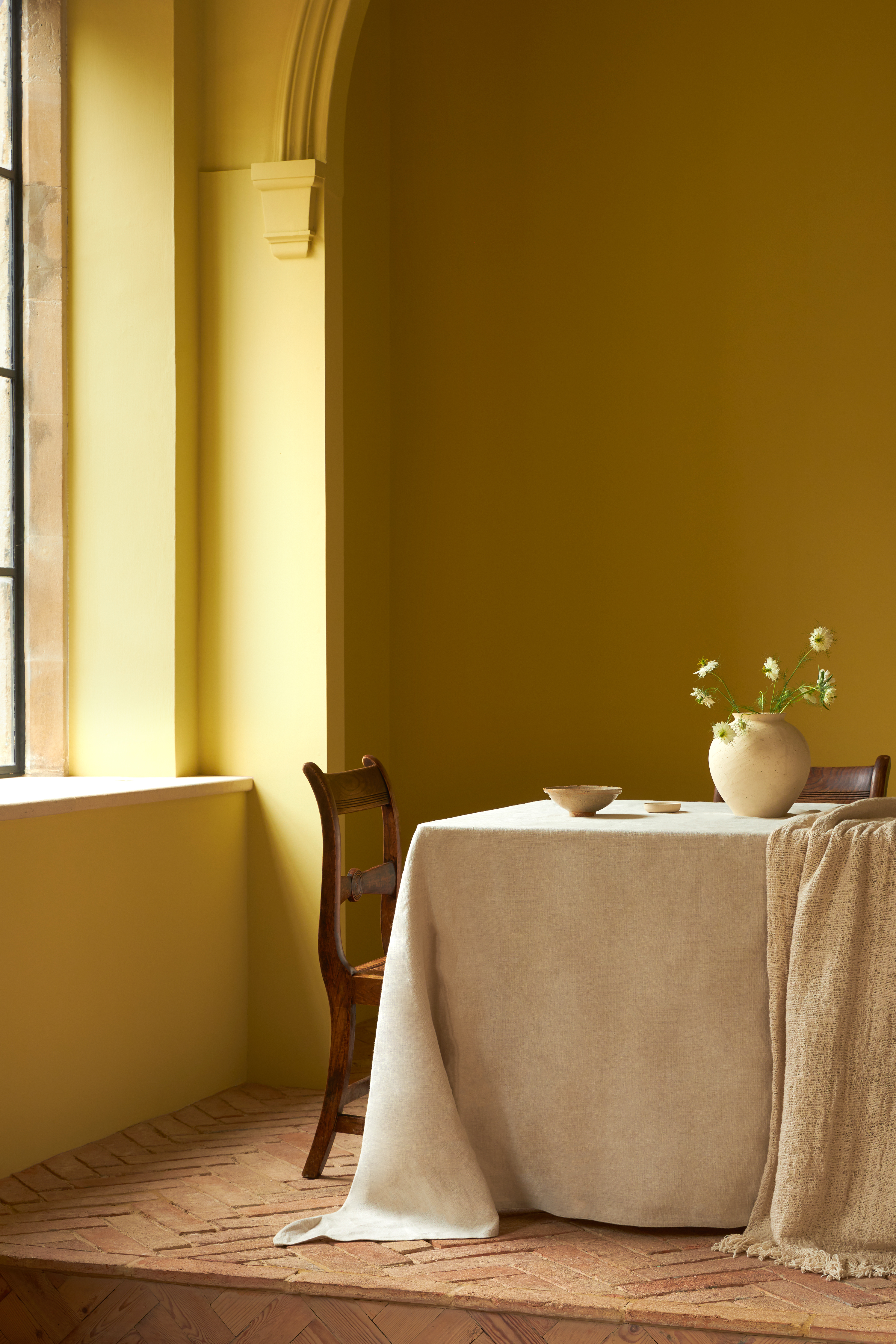
If you’ve ever stood in the paint aisle squinting at a wall of “soft sage,” “dusty olive,” and “definitely-not-the-same-as-the-other-olive,” you already know this truth: paint is both chemistry and drama. Now Mylands (yes, the London paint maker) has added a plot twist that feels surprisingly modern: Olive Stone Emulsion, a plant-based interior wall paint that uses powdered olive stones (olive pits) as part of the formula. It’s the rare “green” product that isn’t just a vibeit’s actually built around upcycling a real-world by-product.
In this guide, we’ll break down what Olive Stone Emulsion is, why the “olive stone” part matters, how it performs in real homes, how to pick the right sheen, and how to style an earthy, olive-forward palette so your room looks intentionalnot like you tried to match guacamole.
What Is Olive Stone Emulsion (And Why Is Everyone Talking About Olive Pits)?
Mylands describes Olive Stone Emulsion as a plant-based emulsion paint created using powdered olive stones, a by-product of the olive oil industry. Translation: instead of treating olive pits as waste, the paint uses them as a functional ingredienthelping create depth of color and a premium, wipeable finish.
“Emulsion” can sound very UK-coded, but the concept is familiar in the U.S.: think high-quality water-based interior wall paint designed for smooth application, solid coverage, and everyday durability. The innovation here isn’t just the base being water-basedit’s that the paint leans into more bio-based components (and fewer “mystery plastics”) while aiming for performance you’d normally expect from conventional formulas.
The Sustainability Angle That’s Actually Practical
Lots of products slap “eco-friendly” on the label like it’s a decorative throw pillow. Olive Stone Emulsion is more interesting because the sustainability claim is tied to material choices: using ground olive pits as a natural filler and building a paint that’s meant to last in busy interiors. Less waste, fewer re-dos, fewer “why did I paint this room three times?” weekends.
Inside the Finish: Ultra-Matte, Wipeable, Breathable (Pick Three?)
Traditional thinking says matte walls look gorgeous… until someone brushes past them with a backpack, a dog does the hallway shake-off, or a child decides the wall needs a “handprint gallery.” Olive Stone Emulsion is positioned as an ultra-matte option that’s still designed to be wipeablea combo that matters if you love the soft, modern look of flat paint but also enjoy living in your house.
In practical terms, this kind of finish aims to:
- Diffuse light so walls look velvety instead of shiny.
- Hide minor surface imperfections better than higher-sheen paints.
- Handle real lifescuffs, fingerprints, and “oops” momentswithout instantly looking exhausted.
Low-VOC Doesn’t Mean “No Common Sense Required”
A big reason people seek plant-based or low-VOC paint is indoor air quality. VOCs (volatile organic compounds) are chemicals that can off-gas from products like paint, and indoor levels can be higher than outdoor levels. Choosing low-VOC products can help reduce odor and exposureespecially in bedrooms, nurseries, and high-traffic family spaces.
Still, even “better” paints deserve good habits: ventilate, take fresh-air breaks, and don’t treat the room like it’s ready for a sleepover the second you put the roller down.
Color Story: What “Olive Stone” Looks Like in a Real Room
“Olive” is a broad church. Some olives are yellow-green and sunny; others are deep, brown-leaning and moody. The “stone” part of Olive Stone Emulsion hints at the undertone you can expect: earthy, grounded, slightly muted, with a natural pigment vibe rather than a neon, synthetic pop. It’s a color family that tends to shift beautifully throughout the daywarm in afternoon light, calmer (and sometimes more gray) in the evening.
Where Olive Tones Shine
- Kitchens & breakfast nooks: Olive pairs naturally with wood, stone, brass, and creamy whites.
- Entryways & hallways: Earthy colors are forgiving and welcominggreat for transition spaces that get scuffed.
- Bedrooms: Olive can read restful and cocoon-like, especially with warm lighting and layered textiles.
- Home offices: Green-leaning neutrals can feel focused without going full “corporate gray.”
Quick Pairing Cheat Sheet (So Your Olive Doesn’t Turn Into Pickle)
- Best whites: warm off-whites, creamy whites, and soft putty tones (avoid icy blue whites unless you want a cooler olive).
- Wood tones: oak, walnut, and reclaimed wood look especially good against earthy greens.
- Metals: aged brass, bronze, blackened steel, and antique nickel.
- Accent colors: terracotta, clay pink, tobacco brown, inky navy, charcoal, and linen-like neutrals.
Choosing the Right Sheen: Matte, Eggshell, SatinWhat’s the Smart Move?
Picking sheen is where style meets reality. Lower sheen hides imperfections and looks modern; higher sheen cleans easier but can highlight every drywall bump you didn’t notice until it was too late.
A Simple Sheen Strategy for Olive Stone Rooms
- Living rooms & dining rooms: matte or eggshell for a soft, design-forward look.
- Hallways, kids’ rooms, family rooms: eggshell or satin for extra washability without a high shine.
- Kitchens & baths (walls): satin is often the practical sweet spotmoisture happens.
- Trim & doors: semi-gloss or gloss if you want contrast and easy cleaning.
Pro tip: if you love the idea of matte walls but you’re painting a high-traffic zone, do a test patch and try wiping it after it cures. The best paint plan is the one that survives your household.
Application: How to Get a Smooth, High-End Result
Beautiful paint jobs aren’t about “having a steady hand.” They’re about prep, lighting, and not rushing. If you want Olive Stone Emulsion to look expensive (without requiring an expensive therapist afterward), follow a process like this:
1) Prep Like You Mean It
- Clean the walls: grease, dust, and invisible grime can mess with adhesionespecially in kitchens and near switches.
- Fix imperfections: fill holes, sand patches, and feather edges so they don’t telegraph through matte paint.
- Use the right primer: stain-blocking primer for water stains or heavy marks; bonding primer for glossy or tricky surfaces.
2) Tools That Make Life Easier
- Quality roller cover: choose nap based on wall texture (smoother walls = lower nap).
- Angled sash brush: for clean cut-ins at ceilings, trim, and corners.
- Good lighting: move a lamp around while painting so you catch holidays (missed spots) before they dry.
3) Two Coats, Patiently
Even premium paints generally look best with two coats. Let the first coat dry properly before the second. Rushing can cause dragging, uneven sheen, and a finish that looks like it got dressed in the dark.
How Olive Stone Emulsion Fits the Bigger “Healthier Home” Paint Conversation
In the U.S., interest in low-VOC and alternative wall finishes has exploded: mineral paints, limewash, milk paint, clay-based finishes, and more. The reason is simplepeople want walls that look soulful and feel better to live with.
Olive Stone Emulsion sits in a sweet spot. It’s not asking you to master a trowel technique like Venetian plaster. It’s designed to apply more like modern interior paintwhile still leaning into more natural fillers and a sustainability story tied to upcycling.
When to Consider Other Eco Wall Options
- If you want visible texture: limewash or Roman clay can bring movement and depth.
- If you love historic finishes: milk paint or lime-based plasters can feel authentically old-world.
- If you want “paint, but tougher”: choose sheens strategically (or dedicated trim/cabinet products) for high-wear surfaces.
Design Ideas: Where Olive Stone Emulsion Looks Most Expensive
Idea 1: The “Quiet Luxury” Living Room
Olive walls + cream sofa + oak coffee table + linen curtains = effortless. Add black accents (frames, a floor lamp, or a matte black side table) to keep it from going too “country craft store.”
Idea 2: A Kitchen That Feels Warm, Not Yellow
Olive stone tones pair beautifully with warm whites and natural materials. Picture olive walls behind open shelves, creamy subway tile, and unlacquered brass hardware that will age with a little character.
Idea 3: Mudroom or Hallway Armor
If your entryway gets constant contact (bags, jackets, sports gear, the dog’s leash doing interpretive dance), an earthy olive tone is forgiving. Choose an eggshell/satin finish for easier wipe-downs, and save dead-flat for calmer rooms.
Shopping & Planning Tips (Especially If You’re U.S.-Based)
- Order samples first: paint a large board, then move it around the room throughout the day.
- Mind the undertones: your floor and lighting can push olive warmer (more yellow) or cooler (more gray).
- Buy enough at once: if you’re painting multiple walls, plan to “box” paint (mix cans together) for consistent color.
of Real-World Experience: What Painting With Olive Stone Emulsion Feels Like
Imagine a typical weekend paint project: you’ve got a playlist, a roller tray, and the kind of optimism that only exists before the first drop of paint lands on a sock you swore you weren’t wearing. Olive Stone Emulsion is the type of paint people reach for when they want the room to feel calmer but not boringlike a deep breath, but with furniture.
The first thing you’ll notice in a plant-based, low-odor paint setup is the vibe of the room while you work. You still want windows open, but you’re less likely to feel like you’re painting inside a chemistry experiment. That matters if you’re doing a bedroom, a nursery, or any space where you want to get back to normal life quickly. It’s the difference between “We can sleep here soon” and “Let’s all camp in the living room for three nights.”
On the wall, olive stone tones have a very specific talent: they make shadows look intentional. In bright daylight, the color can read earthy and warmespecially if you have wood floors or warm bulbs. Then evening arrives, lamps turn on, and suddenly the same wall looks deeper and more tailored. This is where people fall for olive: it’s not a one-note color. It’s a color that changes outfits depending on the lighting.
When you cut in at the ceiling line, ultra-matte finishes tend to be forgiving visuallyyour edges look crisp without that glossy “highlight” effect that sometimes reveals every tiny wobble. But here’s the secret: matte still rewards patience. If you rush and re-roll areas that are half-dry, you can get texture changes. A steady rhythm helps: cut in a wall, roll it while the edge is still fresh, then move on. It’s not complicatedit’s just annoyingly adult.
The most satisfying moment usually happens the next day, once the paint has settled and cured a bit. Olive stone tones tend to make a room feel more “finished” even before you decorate. A plain white room can look like a blank worksheet; an olive-washed room looks like you hired a designer who owns at least one vintage chair. Add a creamy rug, a couple of black frames, maybe a brass sconce, and the whole space suddenly has a point of view.
And yeslife will happen to the walls. Someone will brush past the hallway, a chair will bump the dining wall, and a mysterious smudge will appear like it pays rent. The real test is how calmly you can wipe it and move on. If your finish choice matches your room (matte where it’s calm, eggshell/satin where it’s chaotic), the paint stops being precious. It becomes what it should be: a beautiful background that can handle actual living.
Conclusion: Is Olive Stone Emulsion Worth Considering?
Olive Stone Emulsion is compelling because it tries to solve three problems at once: sustainability (upcycled olive pits), aesthetics (ultra-matte, earthy depth), and livability (wipeable, family-friendly performance). If you want an olive-leaning neutral that feels grounded and modernand you care about healthier indoor choicesthis is the kind of innovation that makes paint feel exciting again.