

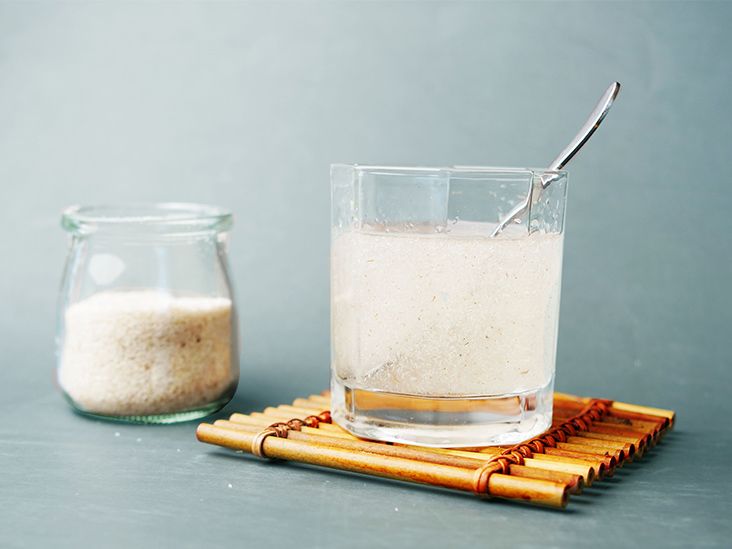
“Nature’s Ozempic” is one of those internet phrases that sounds like it was invented by a wellness influencer standing next to a smoothie, a ring light, and a very confident jar of beige powder. Lately, that beige powder is often psyllium husk, a plant-based soluble fiber best known for helping people stay regular. The big question: can psyllium husk really help you lose weight, or is it just another bathroom-adjacent trend wearing a lab coat?
The honest answer is: psyllium husk may support weight loss for some people, but it is not an Ozempic alternative in the medical sense. Ozempic is a prescription GLP-1 receptor agonist used for type 2 diabetes and cardiovascular risk reduction in certain adults. Wegovy, which uses the same active ingredient, semaglutide, is approved for chronic weight management. Psyllium husk, meanwhile, is a fiber supplement. It can help with fullness, digestion, cholesterol, and blood sugar response, but it does not recreate the powerful hormonal effects of GLP-1 medications.
Still, that does not mean psyllium is useless. Far from it. Fiber is one of the most underappreciated tools in the weight-management toolbox. It is inexpensive, widely available, and less dramatic than a celebrity weight-loss headlinewhich, frankly, may be part of its charm.
What Is Psyllium Husk?
Psyllium husk comes from the seeds of the Plantago ovata plant. When mixed with water, it forms a thick gel. That gel is the reason psyllium shows up in fiber powders, capsules, high-fiber cereals, and bulk-forming laxatives. It absorbs liquid in the digestive tract, adds bulk to stool, and can make bowel movements easier to pass.
Unlike some fermentable fibers that may produce more gas, psyllium is often described as a viscous, gel-forming, mostly nonfermented soluble fiber. Translation: it turns into a soft gel, hangs around in the gut, and does useful things without throwing a full marching band parade in your intestines.
Psyllium is commonly used for:
- Constipation relief and regularity
- Supporting healthy cholesterol levels
- Improving post-meal blood sugar response
- Increasing fullness before or between meals
- Helping people increase daily fiber intake
Why People Compare Psyllium Husk to Ozempic
The comparison comes from one shared theme: appetite control. Ozempic and related GLP-1 drugs can reduce appetite, slow stomach emptying, improve blood sugar regulation, and help many people eat less without fighting hunger every minute of the day. Psyllium may also help people feel fuller, but through a much simpler mechanical process.
When psyllium absorbs water, it expands into a gel. Taken before a meal with enough fluid, it may slow digestion and create a feeling of fullness. That can make it easier to eat a reasonable portion instead of accidentally inhaling a burrito the size of a throw pillow.
But the mechanism is not the same. Ozempic works through hormone receptors. Psyllium works like a spongey traffic controller in the digestive tract. Helpful? Yes. Equivalent? No.
Ozempic vs. Psyllium Husk: The Real Difference
Ozempic Is a Prescription Medication
Ozempic is semaglutide, a GLP-1 receptor agonist. It helps adults with type 2 diabetes improve blood sugar control and may reduce the risk of major cardiovascular events in certain people with type 2 diabetes and established heart disease. Weight loss can happen with Ozempic, but the version of semaglutide specifically approved for weight management is Wegovy.
GLP-1 medications affect appetite, insulin release, glucagon levels, and gastric emptying. In clinical trials, semaglutide weight-management therapy has produced substantial body-weight reductions for many patients when combined with diet and physical activity. These results are far beyond what should be expected from a fiber supplement.
Psyllium Husk Is a Fiber Supplement
Psyllium does not “switch on” GLP-1 receptors like semaglutide. It does not replace diabetes medication. It does not treat obesity as a chronic disease the way FDA-approved anti-obesity medications are designed to do. Its role is more modest: helping with satiety, regularity, cholesterol, and blood sugar response as part of a broader lifestyle plan.
Think of it this way: Ozempic is a prescription power tool. Psyllium is a very useful broom. Both can improve the house, but you should not use the broom and expect it to remodel the kitchen.
Can Psyllium Husk Help You Lose Weight?
Yes, psyllium husk can help with weight loss indirectly, especially for people who struggle with hunger, low fiber intake, or irregular eating patterns. However, expectations matter. Psyllium is more likely to support small, sustainable changes than produce dramatic weight loss.
1. It May Help You Feel Fuller
Soluble fiber absorbs water and forms a gel, which can slow digestion and increase fullness. Some studies suggest psyllium taken before meals may reduce hunger and the desire to eat. For someone who tends to snack soon after meals, that extra fullness can be useful.
For example, if your usual 3 p.m. routine is “just one cookie” followed by a mysterious disappearance of half the pantry, adding more fiber at lunch may help smooth the appetite roller coaster.
2. It May Reduce Calorie Intake
Psyllium does not burn fat. It does not “melt” belly fat. No supplement can politely escort fat cells out of your body like unwanted party guests. But by helping you feel satisfied sooner, psyllium may make it easier to eat fewer calories without feeling deprived.
This is where the practical benefit appears. Weight loss still depends on an overall calorie deficit, but hunger management is a major reason many diets fail. A fiber supplement may help make that deficit less miserable.
3. It Supports Blood Sugar Control
Psyllium may slow the absorption of carbohydrates, which can improve post-meal blood sugar response. That is especially relevant for people with insulin resistance or type 2 diabetes, although anyone using diabetes medication should talk with a healthcare professional before adding psyllium regularly.
Better blood sugar stability may also help with cravings for some people. When meals are built around protein, fiber, and minimally processed carbohydrates, energy tends to feel steadier. Fewer sugar crashes can mean fewer emergency muffin situations.
4. It Helps Close the Fiber Gap
Most American adults do not eat enough dietary fiber. The usual culprits are familiar: not enough vegetables, fruit, beans, lentils, and whole grains; too many refined snacks; and a national tendency to call fries a vegetable when morale is low.
Increasing fiber intake is associated with better digestive health, improved cholesterol, better blood sugar regulation, and greater satiety. Psyllium can help, but it should ideally supplementnot replacefiber-rich foods.
What the Research Suggests
The research on psyllium and weight loss is promising but mixed. Some clinical reviews and trials suggest that gel-forming psyllium, especially when taken before meals in divided doses, may help reduce body weight, body mass index, and waist circumference in adults with overweight or obesity. Other analyses have found little or no significant effect on weight when psyllium is used on its own.
Why the mixed results? Weight loss is complicated. Dose, timing, diet quality, physical activity, starting weight, metabolic health, and consistency all matter. Taking psyllium before balanced meals for months is very different from stirring it into water twice, hating the texture, and banishing it to the back of the cabinet next to expired cinnamon.
The takeaway is sensible: psyllium may help some people lose a modest amount of weight, but it works best as part of a structured plan. It is not a shortcut around food choices, protein intake, sleep, exercise, or medical care.
How to Use Psyllium Husk for Weight Management
Start Low and Go Slow
If you are new to psyllium, begin with a small amount. Many people start with about one teaspoon mixed into a full glass of water once daily, then gradually increase as tolerated. Always follow the product label or your clinician’s guidance.
Going from zero fiber to “I am now a human chia pet” overnight is a bold strategy, but your digestive system may file a formal complaint. Gas, bloating, and cramping are more likely when fiber increases too quickly.
Take It With Plenty of Water
This part is not optional. Psyllium thickens fast. Mix it with water and drink it promptly. Then drink additional fluid. Without enough water, psyllium can become too thick and may increase the risk of choking or digestive blockage, especially in people with swallowing difficulties or certain gastrointestinal conditions.
Consider Timing Before Meals
For appetite control, many people use psyllium 15 to 30 minutes before a meal. The goal is to let the gel-forming fiber create fullness before you eat. However, timing should be personalized. Some people tolerate it better with meals.
Separate It From Medications
Psyllium may affect the absorption of some medications and supplements. A common practical approach is to take medications at least two hours before or after psyllium, but the safest plan is to ask a pharmacist or healthcare professionalespecially if you take diabetes drugs, cholesterol medication, thyroid medication, antidepressants, seizure medication, or heart medication.
Who Should Be Careful With Psyllium Husk?
Psyllium is generally safe for many adults when used correctly, but it is not right for everyone. Talk with a healthcare professional before using it if you:
- Have difficulty swallowing
- Have a history of bowel obstruction or narrowing
- Have severe constipation with abdominal pain, vomiting, or unexplained symptoms
- Have gastroparesis or slow stomach emptying
- Take medications that require careful timing or absorption
- Have diabetes and are adjusting diet, supplements, or medications
- Are pregnant, breastfeeding, or managing a chronic medical condition
Possible side effects include bloating, gas, stomach cramps, nausea, and changes in bowel habits. Rarely, allergic reactions can occur. If you experience trouble breathing, chest tightness, rash, or swelling, seek medical help immediately.
Best Food-Based Alternatives to “Nature’s Ozempic” Thinking
Instead of looking for one magic powder, build meals that naturally support fullness. Psyllium can be helpful, but the strongest appetite-control strategy usually includes protein, fiber, water-rich foods, and healthy fats.
High-Fiber Foods That Support Weight Loss
- Oats and oat bran
- Beans, lentils, chickpeas, and split peas
- Apples, berries, pears, and citrus fruit
- Broccoli, Brussels sprouts, carrots, and leafy greens
- Chia seeds and ground flaxseed
- Barley, quinoa, and whole-grain breads
- Avocado, nuts, and seeds in reasonable portions
A simple weight-loss-friendly plate might look like grilled chicken or tofu, a generous serving of vegetables, half a cup of beans or whole grains, and a little olive oil or avocado. Add psyllium if needed, but do not let a supplement do the job your meals are refusing to do.
So, Is Psyllium Husk an Ozempic Alternative?
No, psyllium husk is not a true Ozempic alternative. It is not a GLP-1 medication, it is not approved to treat obesity, and it should not replace prescribed diabetes or weight-loss treatment.
However, psyllium can be a smart, affordable tool for people who want to increase fiber, feel fuller, improve regularity, and support metabolic health. For someone who is not eligible for GLP-1 medication, cannot access it, or simply wants a non-prescription habit that supports weight management, psyllium may be worth discussing with a healthcare professional.
The best way to frame it is this: psyllium is not “poor man’s Ozempic.” It is “fiber doing fiber things,” and fiber things are actually pretty useful.
Real-World Experiences: What Using Psyllium for Weight Loss Can Feel Like
People who try psyllium husk for weight management often report a very different experience from what they expect after reading viral posts. The internet may promise instant appetite silence, but real life is usually more subtle. The first few days are often about texture, timing, and digestive adjustment. Psyllium mixed with water thickens quickly, and if you wait too long, you may find yourself staring at a glass of drinkable wallpaper paste. Most people learn fast: stir, drink, follow with water, and do not wander off to answer emails mid-mix.
A common positive experience is improved fullness before meals. Someone who normally arrives at dinner starving may take psyllium before the meal and notice they feel satisfied with one plate instead of going back for “just a little more” three times. The change may not feel dramatic, but over weeks, smaller portions can matter. For many users, the benefit is not that psyllium crushes appetite; it simply turns the volume down.
Another frequent experience is better regularity. People increasing protein during weight loss sometimes struggle with constipation, especially if their diet becomes heavy on chicken breast, protein bars, and good intentions. Psyllium can help stool hold water and move more comfortably. That alone can make a weight-loss plan feel easier. Nobody feels like meal-prepping salmon when their digestive system is staging a sit-in.
Some people also notice fewer snack cravings when psyllium is paired with balanced meals. For example, taking psyllium before a lunch that includes protein, vegetables, and whole grains may help keep hunger steady into the afternoon. But taking psyllium before a low-protein, ultra-processed meal may not work as well. Fiber helps, but it cannot fully rescue a lunch made of chips, soda, and vibes.
The less glamorous experience is bloating. If someone starts with a large dose immediately, the digestive tract may respond with gas, pressure, and regret. The better approach is gradual: small dose, consistent water, and slow increases. Some users find psyllium powder easier; others prefer capsules, though capsules may require swallowing several at a time to reach a meaningful amount of fiber.
There is also a psychological benefit. Psyllium can become a small ritual that encourages more mindful eating. Taking it before meals may create a pause: “Am I hungry? What am I about to eat? Did I drink water today, or have I been powered entirely by coffee?” That pause can be surprisingly helpful.
The most realistic success story is not “I took psyllium and lost 40 pounds.” It is more like: “I used psyllium consistently, ate more whole foods, stopped panic-snacking at night, improved digestion, and slowly lost weight.” That may not be flashy enough for social media, but it is far more believableand far more useful.
Conclusion
Psyllium husk has earned its place in the wellness conversation, but the “Ozempic alternative” label oversells it. It can support fullness, digestion, cholesterol, and blood sugar response, and those benefits may help with modest weight loss over time. But it does not mimic prescription GLP-1 medications, and it should not replace medical treatment for obesity, diabetes, or cardiovascular risk.
If you want to try psyllium husk, treat it like a practical tool, not a miracle. Start small, drink plenty of water, take it consistently, and pair it with meals rich in protein, vegetables, legumes, fruits, and whole grains. The most powerful results come not from one supplement, but from repeatable habits that make healthy eating easier.
Note: This article is for educational purposes only and is not medical advice. Anyone with diabetes, digestive disorders, swallowing problems, medication schedules, pregnancy, breastfeeding, or chronic health conditions should speak with a qualified healthcare professional before using psyllium husk for weight management.