

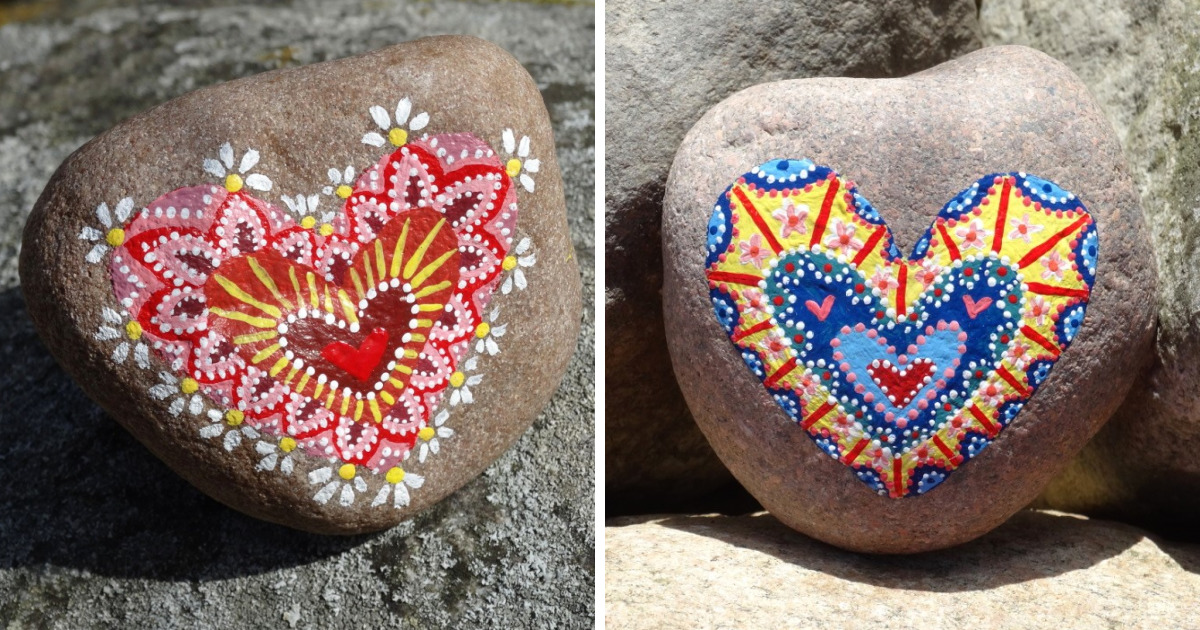
Some people meditate with candles. Some people do yoga with the grace of a swan. I paint hearts and try not to dip my sleeve into the red acrylic. Surprisingly, it works. Painting these hearts makes me relaxed because the process is simple, colorful, forgiving, and wonderfully human. A heart shape does not demand a perfect jawline, accurate perspective, or museum-level drama. It just sits there saying, “Fill me with color, friend.” Honestly, that is the emotional support shape we all need.
Heart painting has become more than a cute craft trend. It is a calming creative ritual that blends mindfulness, self-expression, color therapy, and the soothing repetition of brushstrokes. Whether you are painting tiny watercolor hearts in a sketchbook, bold acrylic hearts on canvas, or messy mixed-media hearts with paper scraps and gold paint, the act can help slow your thoughts and bring your attention back to the present moment.
And no, you do not have to be “good at art.” That phrase has scared more adults away from paint than spilled coffee has ruined notebooks. The goal is not to create a masterpiece that makes critics faint dramatically. The goal is to breathe, play, and let your mind rest while your hands do something gentle.
Why Painting Hearts Feels So Relaxing
Painting hearts is relaxing because it gives the brain a soft place to land. The shape is familiar, symbolic, and emotionally warm. Unlike complicated subjects, hearts are easy to repeat, resize, decorate, and personalize. You can paint one large heart, a page full of tiny hearts, or a whole parade of wobbly hearts that look like they have had a long week. Each version still works.
Creative activities such as painting, sketching, crafting, and coloring are often used as stress-relief tools because they encourage focus. When you are choosing colors, mixing paint, outlining a shape, or adding little dots and lines, your attention shifts away from racing thoughts. Your mind stops rehearsing tomorrow’s problems for a few minutes and starts wondering whether coral pink looks better next to lavender. That is a much nicer meeting to attend.
The Power of Repetition
Repetition is one of the secret ingredients in relaxing heart art. Painting the same shape again and again creates rhythm. Dip the brush. Paint the curve. Paint the second curve. Pull the point downward. Repeat. This pattern feels almost meditative because it gives your body something predictable to do.
Repetitive art-making can feel similar to doodling, knitting, or tracing patterns. You are not forcing your brain to solve a giant puzzle. You are letting it settle into a steady movement. That gentle rhythm can make the whole body feel calmer, especially after a day filled with screens, deadlines, traffic, notifications, and people who reply “per my last email.”
Heart Painting as a Mindfulness Practice
Mindfulness is often described as paying attention to the present moment without judgment. Painting hearts offers a practical way to do that. You notice the texture of the paper, the smell of paint, the way water changes the color, and how your brush glides or skips across the surface. You become aware of small details instead of getting trapped inside big worries.
One of the best things about painting hearts is that mistakes are easy to welcome. A crooked edge can become a shadow. A paint drip can become part of the background. A strange color combination can become “expressive,” which is artist language for “I meant to do that.” This forgiving quality helps reduce the pressure that often comes with creative work.
Try This Simple Heart Painting Exercise
Start with a blank page, a few colors, and one brush. Paint one heart in the center. Do not sketch it first. Let it be imperfect. Around it, paint smaller hearts in different shades. Add dots, stripes, stars, leaves, or little swirls. Give each heart a mood. One heart can be peaceful blue. Another can be fiery orange. Another can be a confused green because it has not had coffee yet.
As you paint, ask yourself one question: “What color feels like relief today?” Then use that color freely. This small question turns a simple craft into emotional check-in time. It gives your feelings a visual language without forcing you to explain everything in perfect words.
The Emotional Meaning Behind Painting Hearts
The heart is one of the most recognized symbols in the world. It represents love, kindness, courage, healing, gratitude, memory, and connection. When you paint hearts, you are not just decorating a page. You are working with a symbol that already carries emotional weight.
That is why heart painting can feel comforting during stressful seasons. It can become a quiet reminder that softness still exists. You can paint hearts for someone you miss, someone you appreciate, or someone you are trying to forgive. You can also paint them for yourself, which is not selfish. It is emotional maintenance. Think of it as changing the oil in your soul, but with fewer mechanics and more magenta.
Self-Expression Without Overexplaining
Not every feeling wants a full speech. Sometimes sadness wants navy blue. Sometimes joy wants yellow dots. Sometimes frustration wants a black outline and a dramatic splash of red. Painting hearts gives emotions a place to go without requiring a perfectly organized explanation.
This is one reason creative expression can be so helpful. It allows people to process feelings through images, colors, textures, and movement. You may not know exactly what you are feeling when you begin, but by the time the page is full of painted hearts, something inside may feel lighter.
Best Supplies for Relaxing Heart Painting
You do not need expensive art supplies to enjoy heart painting. In fact, buying too many supplies can become its own stressful hobby. Suddenly you are comparing professional watercolor sets at midnight and wondering whether “cadmium red hue” understands your personality. Keep it simple.
Basic Supplies
For a beginner-friendly heart painting session, gather paper or canvas, acrylic paint or watercolor, a few brushes, a cup of water, paper towels, and a pencil if you want a light guide. Acrylic paint is bold and easy to layer. Watercolor is soft, dreamy, and excellent for loose heart shapes. Markers and paint pens are useful for outlines, patterns, and tiny decorative details.
If you enjoy texture, try mixed media. Add torn paper, old book pages, tissue paper, fabric scraps, stickers, or metallic accents. A heart does not mind dressing up. It is basically the little black dress of emotional art projects.
Choosing Relaxing Colors
Color can influence the mood of your artwork. Soft blues, greens, blush pinks, creams, and lavender tones often feel calm and gentle. Warm reds, oranges, and yellows feel energetic and expressive. Deep purples, navy, and burgundy can create a more reflective mood.
There is no right palette. Choose colors based on what your nervous system seems to want. Some days calm looks like pale blue. Other days calm looks like hot pink glitter paint and absolutely no explanation. Both are valid.
Heart Painting Ideas for Beginners
If you are new to painting, heart art is a friendly place to start. The shape is simple, but the creative possibilities are endless. You can make the project as quiet or as bold as you like.
1. Watercolor Heart Grid
Draw or imagine a simple grid on watercolor paper. Paint one small heart in each square using a different color. Let the colors bleed slightly. Add tiny ink lines after the paint dries. This project is calming because it combines structure with freedom.
2. Abstract Acrylic Heart Canvas
Paint a large heart in the middle of a canvas, then surround it with loose brushstrokes, dots, and color blocks. Use a palette knife or old card to scrape paint across the background. This is perfect when you want relaxation with a side of dramatic flair.
3. Patterned Hearts
Paint several hearts, then fill each one with a different pattern: stripes, checks, flowers, stars, waves, or tiny circles. Pattern work helps quiet the mind because it requires gentle attention without intense pressure.
4. Gratitude Hearts
Paint a page of hearts and write one thing you appreciate inside each one. Keep the words simple: “coffee,” “sunlight,” “my dog,” “quiet mornings,” or “not answering that call.” This turns heart painting into a gratitude practice with personality.
5. Layered Healing Heart
Paint one heart, let it dry, then paint another layer over it. Continue adding layers of color, lines, and marks. This can symbolize growth, healing, and change. It is also a great reminder that people, like paintings, are allowed to have layers.
How Painting Hearts Can Support Stress Relief
Stress often makes life feel loud. Painting hearts lowers the volume by giving you a small, manageable activity. You are not trying to fix your entire life in one afternoon. You are painting one shape, then another, then another. That smallness is part of the magic.
Creative hobbies can provide a mental break, encourage relaxation, and help people focus on something enjoyable. Painting also creates a sense of control. You choose the colors. You choose the size. You choose whether the heart gets polka dots or a gold crown. In a world where many things feel unpredictable, making small creative choices can feel surprisingly grounding.
It Helps You Slow Down
Painting naturally asks you to slow your pace. Paint needs time to dry. Brushstrokes need attention. Watercolor refuses to be rushed because it has the personality of a wise grandmother and a weather system combined. This slower rhythm can help your breathing soften and your shoulders drop.
It Gives Your Hands Something Gentle to Do
When your mind is anxious, your hands often look for something to do. Painting gives that restless energy a peaceful job. Instead of scrolling, tapping, or reorganizing your kitchen drawer for the third time, you can move color across a page.
Creating a Relaxing Heart Painting Ritual
A ritual does not have to be fancy. You do not need incense, moonlight, or a playlist titled “Deep Forest Feelings,” although those are welcome if that is your vibe. A relaxing painting ritual simply means creating a repeatable environment that helps your mind associate art-making with calm.
Set Up a Small Creative Space
Choose a corner of a table, desk, or countertop. Keep your supplies nearby in a box or basket. The easier it is to start, the more likely you are to paint. If setting up takes forty minutes, relaxation may file a complaint and leave.
Use Music or Silence
Some people paint best with soft instrumental music. Others need total quiet. Some need a comforting TV show in the background because silence makes their thoughts start a podcast. Choose what helps you settle.
Paint for a Set Amount of Time
Try painting hearts for ten to twenty minutes. A short session removes pressure. You do not have to finish a complete artwork. You only have to show up and make a few marks. Over time, this small habit can become a reliable way to unwind.
Why You Should Not Worry About Perfect Hearts
Perfect hearts are overrated. Real hearts are complicated anyway. They love people, break a little, heal slowly, get excited over snacks, and occasionally make questionable decisions. A painted heart with uneven sides may actually be more honest than a flawless one.
When you stop chasing perfection, painting becomes more relaxing. You can enjoy the movement, the colors, and the surprise of the final piece. The heart that turns out differently than expected may become your favorite. This is also a useful life lesson, but do not worry, it comes with paint and therefore feels less like homework.
Personal Experiences: Painting These Hearts Makes Me Relaxed
The first time I sat down to paint hearts just for relaxation, I did not expect much. I had a small brush, a cup of cloudy water, and a few colors that looked cheerful enough to be suspicious. My plan was simple: paint a few hearts, clear my head, and avoid checking my phone every eight seconds like it was a tiny rectangular boss.
At first, my hearts looked awkward. Some were too wide. Some leaned to the left like they were listening through a wall. One looked less like a heart and more like a strawberry having an identity crisis. But after a few minutes, I stopped caring. The shapes became less important than the motion. Brush in paint. Curve down. Curve again. Pull the point. Breathe.
That was the moment I noticed the shift. My thoughts were still there, but they were quieter. They were sitting in the back row instead of grabbing the microphone. I started choosing colors based on mood rather than design rules. A soft pink heart felt kind. A blue one felt peaceful. A bright red one felt brave. A yellow one felt like opening curtains in the morning.
Painting these hearts made me relaxed because it gave me permission to be simple. I did not have to create something impressive. I did not have to explain my feelings. I did not even have to stay inside the lines, because I had not drawn any lines in the first place. That felt oddly freeing. Adults spend so much time trying to do things correctly that a small, imperfect heart can feel like a rebellion.
Over time, I began turning heart painting into a small routine. When the day felt heavy, I painted darker hearts with bright centers. When I felt grateful, I filled the page with tiny hearts and wrote little words inside them. When I felt scattered, I painted the same heart shape over and over until the repetition helped me feel steady again.
One evening, after a particularly noisy day, I painted a page of hearts using only three colors: white, red, and soft gray. I did not think much while painting. I just layered the colors slowly. By the end, the page looked tender and calm, almost like it had taken a deep breath for me. That is the strange beauty of this practice. The paper does not solve your problems, but it gives your emotions somewhere safe to sit.
I also learned that heart painting is a wonderful way to reconnect with play. Many adults forget how to make things without judging them immediately. Children paint with confidence because they are not worried about gallery representation or whether their composition has enough contrast. They simply create. Painting hearts helped me borrow a little of that freedom back.
Sometimes I paint hearts as gifts. A tiny painted card can say “I care about you” in a way that feels warmer than a text message and less dramatic than hiring a string quartet. Other times, I keep the paintings for myself. I tape them inside notebooks, use them as bookmarks, or leave them near my workspace as small reminders to slow down.
The most relaxing part is knowing there is no final exam. No one is grading the symmetry. No one is measuring the emotional depth of the magenta. The practice belongs to the person holding the brush. That ownership matters. In a busy life, a few minutes of color and quiet can feel like reclaiming a tiny room inside yourself.
So yes, painting these hearts makes me relaxed. Not because every heart is beautiful, but because every heart gives me a place to pause. Each brushstroke says, “You are here.” Each color says, “This moment is enough.” And each imperfect shape reminds me that calm does not always arrive like a grand spiritual breakthrough. Sometimes it shows up as a little painted heart, slightly crooked, drying on the table.
Conclusion
Painting hearts is a simple creative practice with surprisingly deep emotional benefits. It combines mindfulness, repetition, color, symbolism, and self-expression in a way that feels accessible to beginners and meaningful for experienced artists. You do not need expensive supplies, advanced skills, or a perfect plan. You only need a surface, a little paint, and the willingness to let your hands move before your inner critic starts giving unsolicited TED Talks.
Whether you paint hearts to reduce stress, process emotions, decorate your journal, make handmade gifts, or simply enjoy a peaceful hobby, the practice can become a gentle form of self-care. The beauty of heart painting is not perfection. It is presence. It is the quiet joy of making something soft in a world that often feels sharp.
Note: This article is original web content synthesized from reputable U.S.-based health, psychology, mindfulness, and art-therapy information, written without copied passages or unnecessary source-code elements.