

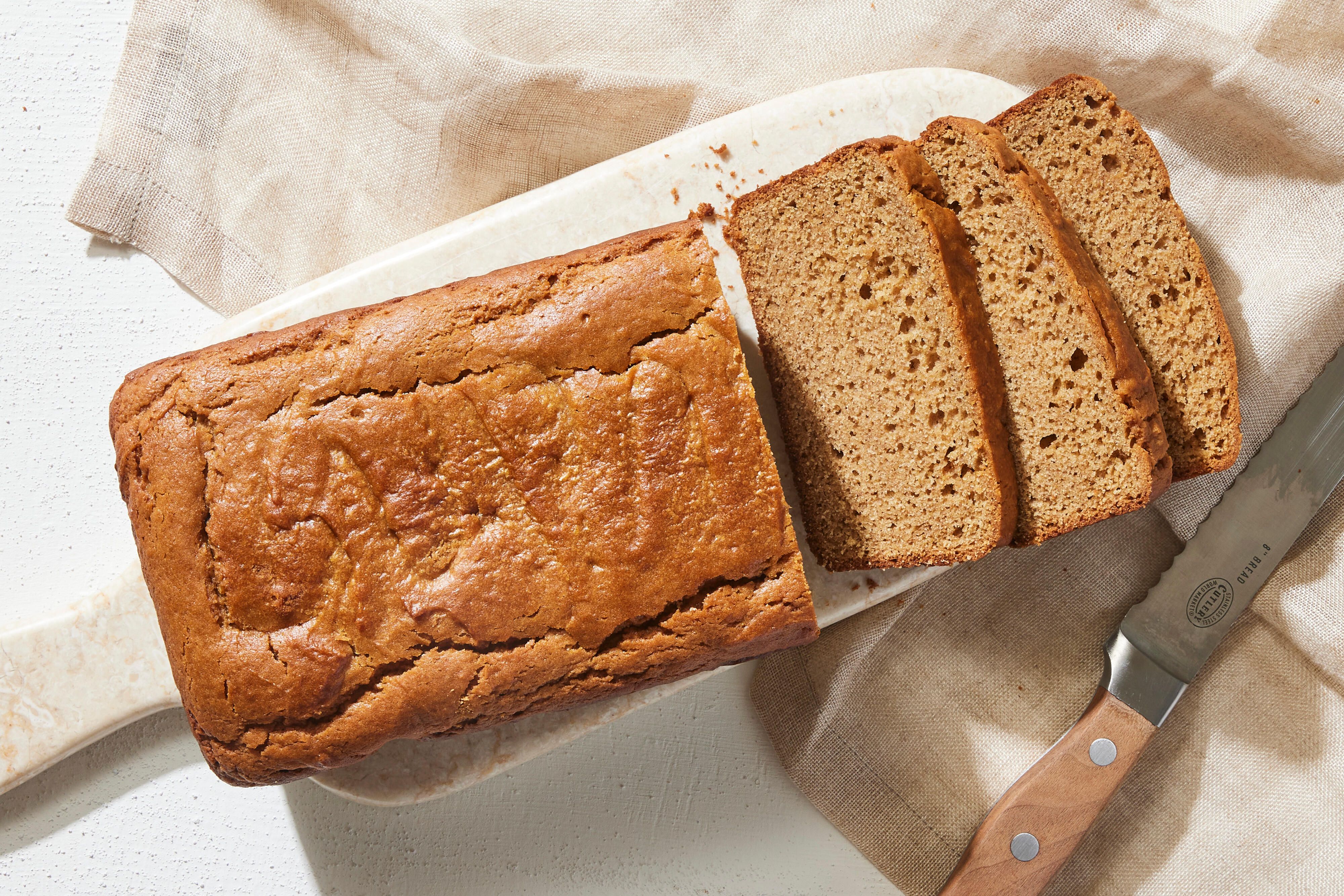
Some recipes arrive with fireworks. This one shows up in slippers, carrying a loaf pan and the confidence of a grandma who has never once measured vanilla over the sink. Peanut butter bread is one of those comforting, old-school bakes that feels both practical and a little magical: pantry staples go into a bowl, the oven does its thing, and out comes a loaf that tastes like breakfast, snack time, and “just one more slice” all at once.
If you have ever wanted something easier than yeast bread but more exciting than plain toast, this peanut butter bread recipe is your new kitchen sidekick. It is technically a quick bread, which means no kneading, no proofing, and no staring at dough like you are waiting for it to reveal your future. What you get instead is a tender, lightly sweet loaf with real peanut flavor, a soft crumb, and enough structure to stand up to butter, jam, honey, banana slices, or a dramatic smear of more peanut butter. Yes, it is gloriously peanut-buttery. No, there is no such thing as “too much” here.
Why This Peanut Butter Bread Recipe Works
A good peanut butter bread has to walk a fine line. Too dense, and it eats like a tired brick in a sweater vest. Too fluffy, and it loses that cozy, hearty character that makes it so lovable. The sweet spot is a loaf that is moist and tender, with enough richness from peanut butter to taste indulgent, but not so much fat that it turns gummy or heavy.
This version borrows the best ideas from classic pantry-style peanut butter bread and more modern quick-bread methods. It uses creamy peanut butter for a reliable texture, brown sugar for deeper flavor, eggs for lift and tenderness, and a mix of milk and buttermilk for moisture and balance. The result is a loaf that slices cleanly, toasts beautifully, and makes your kitchen smell like a bakery that accidentally wandered into a peanut butter shop.
It is also wonderfully adaptable. You can keep it simple and nostalgic, or dress it up with chocolate chips, chopped roasted peanuts, cinnamon, banana slices on the side, or a thin layer of jam once it is toasted. This is the kind of recipe that feels frugal, flexible, and frankly a little smug about how easy it is.
Peanut Butter Bread Recipe
Ingredients
- 2 cups all-purpose flour
- 1/2 cup packed light brown sugar
- 2 tablespoons granulated sugar
- 1 tablespoon baking powder
- 1/2 teaspoon baking soda
- 1/2 teaspoon fine salt
- 3/4 cup creamy peanut butter
- 2 large eggs
- 3/4 cup buttermilk
- 1/2 cup whole milk
- 2 tablespoons melted unsalted butter
- 1 tablespoon honey
- 1 teaspoon vanilla extract
- 2 tablespoons chopped roasted peanuts for topping (optional)
Instructions
- Preheat your oven to 350°F. Grease a 9×5-inch loaf pan and line it with a strip of parchment paper if you want easy removal. Future You will appreciate this.
- In a large bowl, whisk together the flour, brown sugar, granulated sugar, baking powder, baking soda, and salt. Break up any brown sugar lumps so they do not form sneaky little sugar boulders in the batter.
- In a separate bowl, whisk the peanut butter, eggs, buttermilk, milk, melted butter, honey, and vanilla until mostly smooth. A few tiny flecks of peanut butter are completely fine.
- Pour the wet ingredients into the dry ingredients. Stir gently with a spatula or wooden spoon just until no dry streaks remain. Do not overmix. Quick bread batter is not a boxing match.
- Spread the batter into the prepared loaf pan. It will be thick, which is exactly what you want. Smooth the top and sprinkle with chopped peanuts if using.
- Bake for 50 to 60 minutes, or until the loaf is golden brown and a toothpick inserted in the center comes out with a few moist crumbs but no wet batter. If the top browns too quickly, loosely tent it with foil during the last 15 minutes.
- Cool the bread in the pan for 15 minutes, then transfer it to a wire rack. Let it cool completely before slicing if you want neat pieces. Slice early if you enjoy living recklessly.
What It Tastes Like
This peanut butter bread recipe lands somewhere between a breakfast loaf, a snack cake, and the best peanut butter toast you have ever had. The crumb is soft but not fragile. The flavor is nutty, gently sweet, and warm, with just enough salt to keep things from tasting flat. It is not as sugary as dessert bread, which makes it more versatile. One slice can wear butter and honey in the morning, then show up with jam in the afternoon, and somehow still make sense as an after-dinner snack.
The peanut butter flavor is present but not aggressive. Think “pleasantly obvious” rather than “peanut butter knocked over the furniture.” That makes it ideal for people who like peanut butter but do not necessarily want to feel as if they are eating it straight from the jar with a spoon while hiding in the pantry. Not that anyone here would do that, obviously.
Tips for a Moist and Tender Loaf
Use creamy peanut butter for the most reliable texture
Standard creamy peanut butter gives the most predictable result. Natural peanut butter can work, but it should be stirred extremely well first so the oil is fully incorporated. If it is separated and runny, the loaf can bake unevenly.
Do not overmix
This matters more than people think. Overmixed batter can make quick bread tough or dense. Stir until the flour disappears, then stop. The batter does not need to be perfectly satiny to succeed.
Check doneness in the center
The edges of a loaf often look ready before the middle catches up. Test the center with a toothpick or cake tester. You want moist crumbs, not wet batter. That distinction separates “beautiful loaf” from “why is the middle doing pudding impressions?”
Cool before slicing
Fresh-from-the-oven bread is tempting, but slicing too soon can compress the crumb and make the interior seem underbaked. Give it time to set. Peanut butter bread is worth a little patience, even if your kitchen smells unfairly good.
Easy Variations
Chocolate chip peanut butter bread
Fold 1/2 cup mini chocolate chips into the batter. This pushes the loaf closer to dessert, which is not a problem unless you were pretending it was health food.
Peanut butter banana bread hybrid
Reduce the milk by 1/4 cup and add 1 cup mashed ripe banana. The loaf becomes sweeter, softer, and a little more aromatic. It is especially good toasted.
Jam-swirled peanut butter bread
After spreading the batter in the pan, dollop 3 tablespoons strawberry or grape jam on top and swirl lightly with a knife. Suddenly the loaf has strong PB&J energy, and nobody is mad about it.
Crunchy version
Use crunchy peanut butter or fold in 1/3 cup chopped roasted peanuts for extra texture. This works well if you like a loaf with a little bite.
How to Serve Peanut Butter Bread
This loaf is at its most charming when sliced thick and lightly toasted. A pat of salted butter melts into it beautifully. So does honey, jam, apple butter, or a drizzle of maple syrup. If you want an easy breakfast, top a warm slice with banana rounds and a dusting of cinnamon. If you want an easy dessert, add a smear of Nutella or a spoonful of whipped cream and call it “rustic.” Fancy words make everything feel intentional.
It also makes an excellent lunchbox snack and a surprisingly satisfying afternoon coffee companion. The mild sweetness means it pairs well with tea or coffee without tasting like frosting in loaf form. That is part of its genius: it is indulgent enough to feel special, but restrained enough to fit into real life.
How to Store and Freeze It
Once fully cooled, wrap the loaf tightly and keep it at room temperature for up to 3 days. If your kitchen runs warm, you can refrigerate it, though room temperature usually keeps the crumb softer and friendlier. For longer storage, slice the loaf, wrap it well, and freeze it. Pull out individual slices as needed and toast them straight from frozen. It is a fantastic move for busy mornings and midnight peanut butter emergencies.
If you freeze the whole loaf, wrap it in more than one layer to protect it from drying out. Bread is shockingly good at absorbing freezer smells, and nobody wants a loaf that hints mysteriously of onion rings.
Common Mistakes to Avoid
- Using too small a pan: The batter needs room to rise. A 9×5-inch loaf pan is the safe choice.
- Adding too much peanut butter: More is not always better. Extra peanut butter can weigh down the loaf and make it dense.
- Skipping the salt: Peanut butter loves salt. Without it, the flavor can taste dull.
- Cutting into it too soon: Warm bread is lovely, but hot bread is fragile. Let it set first.
- Overbaking: A dry peanut butter loaf is a tragedy with a timer. Start checking early if your oven runs hot.
Why Peanut Butter Bread Still Feels Relevant
There is something deeply appealing about recipes that do a lot with a little. Peanut butter bread hits that note perfectly. It is economical, simple, and built from ingredients many households already have on hand. At the same time, it does not feel like a compromise recipe. It feels intentional. Cozy. Practical in the best way.
That may be why it keeps coming back into the conversation. In an era of complicated bakes and social-media desserts that require six bowls and an emotional support thermometer, a humble peanut butter loaf feels almost rebellious. It asks very little of you and gives back plenty. You mix, bake, cool, slice, and suddenly your kitchen has a snack with actual personality.
Extra Experiences and Real-Life Notes on Peanut Butter Bread
The first time many people make peanut butter bread, they expect it to taste like cake or like a giant soft peanut butter cookie shaped into a loaf. Then they cut a slice and realize it is more nuanced than that. It has the soul of a pantry recipe and the texture of a comforting quick bread. That surprise is part of the fun. It is familiar, but not boring. Nostalgic, but not childish. It tastes like something your grandparents might have approved of, while still feeling perfectly at home next to a latte, a lunchbox, or a slick modern toaster.
One of the best experiences with this recipe is how adaptable it becomes once you have baked it once or twice. Some people discover they like it most plain, warm, and thickly sliced, because the peanut flavor comes through clearly and the crumb stays soft and tender. Others become toast loyalists. Toasting gives the edges a little crispness, deepens the nutty aroma, and turns a good loaf into a “why did I not make two?” loaf. Add butter and jam, and the whole thing starts tasting like peanut butter toast got promoted.
It is also a useful recipe when the pantry is looking a little dramatic. Maybe there is no yeast. Maybe the bananas are not ripe. Maybe you want to bake, but not in a “pull out the stand mixer and reconsider your life choices” kind of way. Peanut butter bread is forgiving. It does not ask for fancy technique, and it still rewards you with something that looks and tastes homemade in the best possible sense. That makes it a great confidence recipe for beginners and a dependable backup for experienced bakers.
Families often end up customizing it. One household adds chocolate chips every time. Another swears by a spoonful of honey and chopped peanuts on top. Someone else treats it like breakfast and serves it with banana slices, while another person insists it is dessert and warms it just enough to add vanilla ice cream. Everyone thinks they are correct, and honestly, they all are. That flexibility is why the loaf lasts as a favorite. It fits into real routines instead of demanding a special occasion.
There is also something satisfying about how well it stores. A loaf baked on Sunday can still feel useful on Tuesday morning, especially if you freeze slices in advance. That practical side is part of the recipe’s charm. It is not trying to be the most glamorous thing in the kitchen. It is trying to be eaten, enjoyed, and maybe smuggled into an afternoon coffee break when nobody is looking. That is a noble goal for any loaf.
Perhaps the best experience, though, is the atmosphere it creates. Peanut butter bread smells rich, toasty, and warm while it bakes. The kitchen takes on that slightly sweet, nutty aroma that makes people wander in and ask, “What is that?” even when they were not remotely interested in baking five minutes earlier. It is the kind of loaf that invites conversation, extra slicing, and suspiciously frequent visits to the cutting board. In a world full of flashy recipes, peanut butter bread wins by being deeply, stubbornly likable.
Conclusion
If you want a loaf that is easy, cozy, flavorful, and genuinely useful, this peanut butter bread recipe deserves a permanent spot in your rotation. It is simple enough for a weekday, charming enough for brunch, and flexible enough to wear many hats: breakfast, snack, toast, dessert, or “I just need something good right now.” Make one loaf and you will understand the appeal. Make two, and you will understand human nature.