

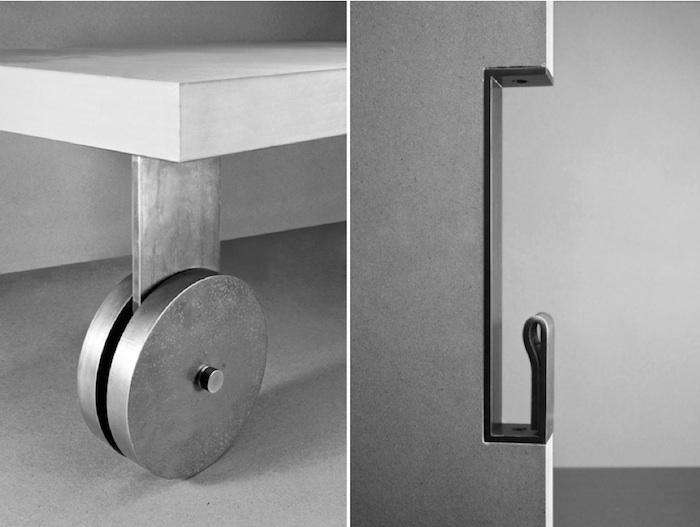
The Peek Sliding Door Pull is proof that a small piece of hardware can do more than open a door. It can change the way a room feels, how a hand meets a surface, and whether a sliding door looks like an afterthought or a deliberate design move. In a world where some door handles look like they were chosen five minutes before the contractor packed up the truck, the Peek Sliding Door Pull says, “No, no, I came dressed for the architectural party.”
Designed within the Tom Kundig Collection by Olson Kundig, the Peek Sliding Door Pull belongs to a family of hardware known for folded metal, honest materials, tactile details, and industrial elegance. It is not flashy in the way a crystal knob is flashy. It is quieter, sturdier, and a bit more mysteriouslike a blackened steel bookmark tucked into the edge of a beautiful sliding door.
This guide explains what the Peek Sliding Door Pull is, where it works best, why designers love this type of sliding door hardware, and what homeowners should consider before choosing it. We will also cover materials, finishes, installation ideas, maintenance, and real-world experience with sliding door pulls in everyday spaces.
What Is the Peek Sliding Door Pull?
The Peek Sliding Door Pull is a modern architectural door pull made for sliding doors, pocket doors, and interior openings where a clean, low-profile handle is preferred. It is commonly associated with the Tom Kundig Collection, a hardware line rooted in steel fabrication, hand finishing, and the idea that architecture should be felt as well as seen.
Unlike a standard round knob or bulky handle, this pull is typically formed from folded and welded metal plate. The result is a slim, sculptural grip that feels sturdy without visually overpowering the door. It has the kind of minimal profile that works beautifully on wood doors, black steel doors, modern barn doors, and custom sliding panels.
Why the Name “Peek” Fits
The name “Peek” feels appropriate because the hardware does not scream for attention. It peeks out from the door surface with just enough presence to invite the hand. It is subtle, but not invisible. It is practical, but not plain. That balance is exactly why modern sliding door pulls have become popular in residential and boutique commercial interiors.
Why Sliding Door Pulls Matter More Than People Think
Door hardware is one of the few design elements people physically touch every day. You can admire a countertop, glance at a light fixture, or compliment a wall color, but a door pull actually shakes hands with you. That tiny interaction matters.
A good sliding door pull should do three things well: provide a comfortable grip, complement the style of the door, and support smooth operation. A great one adds character. The Peek Sliding Door Pull belongs in that last category. It makes the door feel intentional, especially in homes where every inch of design has been considered.
Function Comes First
Sliding doors save space because they do not swing into a room. But they also need hardware that does not interfere with movement. A pull that projects too far can hit trim, walls, or adjacent panels. A pull that is too shallow can be annoying to grip. The right pull creates a clean sliding motion without turning the user into a finger-pinching acrobat.
Design Comes Right Behind It
Once the function is solved, the look matters. Sliding doors are often used as design features, especially in modern homes, lofts, offices, bedrooms, bathrooms, pantries, and closets. The pull becomes a visible detail on a large door surface. A well-chosen handle can make a plain slab door look custom.
Key Features of the Peek Sliding Door Pull
The appeal of the Peek Sliding Door Pull comes from its simple geometry and material honesty. It is not trying to disguise what it is. It is metal, it is shaped by fabrication, and it celebrates that process.
Folded Metal Construction
The Peek Sliding Door Pull is known for its folded metal form. This gives the pull strength while keeping the profile visually crisp. The folded design also creates a grip that feels more substantial than a flat plate, without becoming bulky.
Hand-Finished Character
Many architectural hardware pieces in this style are hand-finished, meaning subtle marks, texture, and tonal variation are part of the charm. This is not the kind of handle that looks like it was born in a plastic blister pack under fluorescent lights. It looks crafted.
Finish Options
Common finish options for this type of hardware include blackened steel, satin stainless steel, and oil-rubbed bronze. Each finish changes the personality of the pull. Blackened steel feels bold and industrial. Stainless steel feels cleaner and more contemporary. Oil-rubbed bronze brings warmth and depth, especially against wood.
Modern Yet Versatile Shape
The design is especially suitable for modern, rustic-modern, industrial, minimalist, and architectural interiors. It can also work in transitional homes when paired with natural materials like oak, walnut, plaster, concrete, stone, or matte painted doors.
Best Places to Use a Peek Sliding Door Pull
The Peek Sliding Door Pull is not limited to one type of room. Anywhere a sliding door needs a refined grip, this hardware can make sense.
Bedroom Sliding Doors
In bedrooms, sliding doors are often used for closets, ensuite bathrooms, or room dividers. A slim pull keeps the look calm and sophisticated. On a warm wood door, a blackened steel pull can create a striking contrast without making the room feel too heavy.
Bathroom Pocket Doors
Bathrooms are common places for pocket doors because floor space is precious. A sliding door pull here should be easy to grab and, when needed, compatible with privacy hardware. For bathrooms, homeowners should also think about moisture, finish durability, and whether a privacy latch is required.
Pantry and Kitchen Doors
A pantry door is a perfect place for a stylish pull. Kitchens already have plenty of hardwarecabinet knobs, appliance handles, faucetsso the door pull should feel coordinated. A Peek-style pull in blackened steel can echo black cabinet hardware, while stainless steel can connect visually to appliances.
Home Offices
Sliding doors are increasingly used in home offices, especially when homeowners want separation without a full traditional swing door. A strong architectural pull gives the workspace a more polished, built-in feel. It also looks excellent on glass-and-steel or wood-framed sliding panels.
Closets and Dressing Areas
Closet doors often get basic hardware, which is a missed opportunity. A beautiful sliding door pull can elevate even a simple closet. If the door is full height or custom paneled, the hardware becomes an important visual anchor.
Peek Sliding Door Pull vs. Standard Sliding Door Pulls
Standard sliding door pulls are usually chosen for utility. They open the door, they close the door, and they quietly retire from the conversation. The Peek Sliding Door Pull does the job but also adds design value.
Compared With Flush Pulls
A flush pull is recessed into the door surface, allowing the door to slide completely into a pocket. This is ideal when zero projection is needed. The Peek Sliding Door Pull, depending on configuration and installation, may have more visual presence and tactile depth. If your door must disappear fully into a pocket, confirm clearances before choosing any projecting pull.
Compared With Edge Pulls
An edge pull mounts on the edge of a pocket door and helps retrieve the door when it is fully open. Edge pulls are practical, but they are usually not the main visual feature. The Peek Sliding Door Pull is more of a face-mounted design statement.
Compared With Barn Door Handles
Barn door handles are often larger and more rustic. They work well on farmhouse doors but can feel oversized in refined interiors. A Peek-style pull is slimmer and more architectural, making it better suited to modern and custom spaces.
Material and Finish Considerations
Choosing a sliding door pull is not just about shape. Material and finish determine durability, maintenance, feel, and how the pull ages.
Blackened Steel
Blackened steel is dramatic, earthy, and beautifully imperfect. It pairs well with natural wood, concrete, plaster, stone, and dark-framed windows. Because blackened finishes can vary, they often develop a living character over time. That is a feature, not a flawunless you are the kind of person who wants every object in the house to remain frozen in showroom perfection forever. In that case, may your microfiber cloths be ever ready.
Satin Stainless Steel
Satin stainless steel is a strong option for contemporary interiors. It resists corrosion better than many untreated metals and fits well in kitchens, bathrooms, and high-use spaces. The satin texture softens glare and hides minor fingerprints better than mirror-polished metal.
Oil-Rubbed Bronze
Oil-rubbed bronze adds warmth and richness. It looks especially handsome with walnut, white oak, leather, aged brass accents, and earthy interiors. Over time, bronze finishes may show subtle highlights where hands touch the surface regularly.
How to Choose the Right Sliding Door Pull
Before buying a Peek Sliding Door Pull or any premium sliding door handle, measure carefully and think through how the door will actually be used. Beautiful hardware is less charming when it bonks into trim or requires a secret handshake to operate.
Check Door Thickness
Sliding door hardware often depends on door thickness. Common interior door thicknesses include 1-3/8 inches and 1-3/4 inches, while custom doors may be thicker. Always confirm compatibility before ordering, especially with made-to-order architectural hardware.
Consider Door Weight and Track Quality
The pull is only one part of the sliding door experience. A heavy door needs a strong track, quality rollers, good guides, and proper alignment. Even the most beautiful pull cannot save a door that drags like a tired shopping cart.
Think About Hand Clearance
A pull should provide enough space for comfortable use. If the grip is too tight against the door, people may scrape knuckles. For accessible and user-friendly design, pulls should be easy to operate without awkward pinching or twisting.
Match the Interior Style
The Peek Sliding Door Pull works best when it relates to other materials in the room. For example, blackened steel can tie into black window frames, dark cabinet hardware, exposed beams, or metal lighting. Stainless steel can coordinate with appliances and modern fixtures. Bronze can connect with warmer metals and wood tones.
Installation Tips for a Clean Result
Installation quality matters. A premium sliding door pull should look level, centered, and deliberate. If it is crooked by even a little, it can visually haunt the door forever. You will notice it. Guests may not, but you will. At 2:00 a.m. While getting water.
Use a Template
For accurate placement, use a template or carefully mark the mounting holes before drilling. Measure from both the top and side of the door, and check alignment with the door’s visual centerline or panel layout.
Choose the Right Height
Many door handles are placed around 36 inches from the finished floor, but sliding door pulls can vary depending on door size, user comfort, and design intent. In accessible spaces, hardware placement and operation should follow applicable standards.
Pre-Drill Carefully
Wood doors can split if screws are driven without pilot holes. Metal doors may require special preparation. If the door is expensive, custom, or unusually thick, professional installation is a wise investment.
Test the Door Movement
Before final tightening, slide the door open and closed. Make sure the pull clears walls, jambs, stops, and trim. Also check that fingers have enough room when the door is near the closed position.
Maintenance and Care
Maintenance depends on the finish. A sliding door pull is touched often, so oils from hands, dust, and household moisture can affect the surface over time.
General Cleaning
Use a soft cloth for routine cleaning. Avoid harsh abrasives, aggressive chemical cleaners, or scouring pads. If the finish has a waxed or oiled surface, gentle care helps preserve the intended appearance.
Living Finishes
Blackened steel and oil-rubbed bronze may change with use. This natural patina is part of their appeal. The places people touch most often may become smoother or slightly lighter. Think of it as the hardware keeping a diary, but thankfully not one that posts online.
High-Humidity Areas
Bathrooms, coastal homes, and humid climates require extra attention. Stainless steel is often a practical choice in moisture-prone areas. For blackened steel or bronze, confirm the recommended care routine with the supplier or fabricator.
Design Pairing Ideas
The Peek Sliding Door Pull can be styled in many ways. The key is to let it feel connected to the room rather than randomly attached to the door.
Blackened Steel Pull on White Oak
This is a classic modern pairing. White oak brings warmth and grain, while blackened steel adds contrast. It works beautifully in Scandinavian-inspired, Pacific Northwest, modern rustic, and contemporary homes.
Bronze Pull on Walnut
For a warmer and richer look, bronze on walnut is hard to beat. It feels elegant without being shiny. This combination works well in studies, libraries, bedrooms, and refined living spaces.
Stainless Steel Pull on Painted Doors
For a cleaner look, satin stainless steel pairs well with painted doors in white, charcoal, navy, soft gray, or deep green. It also makes sense in kitchens where stainless appliances are already part of the design language.
Is the Peek Sliding Door Pull Worth It?
For a basic utility closet, maybe not. For a custom sliding door, modern renovation, architect-designed home, or high-touch interior detail, yes, it can absolutely be worth considering. The value comes from the combination of function, craft, material quality, and visual restraint.
Premium hardware may seem like a small upgrade, but it is one of the details people interact with constantly. A cheap pull can make an expensive door feel ordinary. A thoughtfully designed pull can make even a simple door feel intentional.
Common Mistakes to Avoid
Choosing Style Without Checking Clearance
Always confirm that the pull will not hit the wall, pocket frame, casing, or adjacent panel. Sliding doors need room to move.
Ignoring Door Thickness
Hardware that is not suited to the door thickness may require modification or may not install securely. Measure first, admire second.
Mixing Too Many Finishes
A room can handle mixed metals, but they should look intentional. If every hinge, faucet, knob, pull, and light fixture is a different finish, the room may start to resemble a hardware sample board with furniture.
Installing Too Low or Too High
A sliding door pull should feel natural to reach. If it is too low, it looks odd and feels awkward. If it is too high, it may feel theatrical in the wrong way, like the door expects applause.
Experience Notes: Living With a Peek Sliding Door Pull
After using and observing premium sliding door pulls in real homes and design-focused spaces, one thing becomes clear: the best hardware disappears into habit but remains memorable in feeling. The Peek Sliding Door Pull is the kind of detail that does not demand attention every time you pass by, yet it quietly improves the experience of using the door.
In a bedroom, the first thing you notice is how calm the door looks. There is no oversized handle shouting from the slab. The pull sits with confidence, giving the door a clean architectural line. On a wood sliding door, especially one with vertical grain, the metal pull creates a pleasing contrast. It gives the hand a clear destination without interrupting the door’s surface.
In daily use, the tactile quality matters most. A lightweight stamped pull can feel thin and forgettable. A folded metal pull feels more grounded. When you slide the door closed, the motion feels deliberate. That may sound dramatic for a handle, but good hardware has a way of making ordinary actions feel better. It is the difference between closing a flimsy cabinet and closing the door of a well-built car.
One practical experience worth mentioning is fingerprint behavior. Dark and living finishes can show oils differently than satin stainless steel. In busy households, especially with kids, the pull may collect smudges. The good news is that on a textured or blackened finish, those marks often blend into the character of the piece rather than looking like a crime scene for snack-covered fingers. A quick wipe with a soft cloth usually keeps things presentable.
Another lesson is that installation placement can make or break the result. On a tall sliding door, a pull mounted too close to the edge may look cramped. Mounted too far inward, it can feel awkward to operate. The sweet spot depends on the door width, stile layout, and whether the door overlaps trim when open. Before drilling, it helps to tape a paper template to the door and actually pretend to use it. Yes, you may look silly. No, the door will not judge you.
In bathrooms or powder rooms, the main experience question is privacy. A simple pull may be enough for a closet or pantry, but bathroom doors often need a latch. If privacy is required, consider whether a matching privacy version or separate locking solution is available. Nothing ruins a beautiful design moment quite like someone yelling, “Is anyone in there?” through a gorgeous custom door.
For homeowners who enjoy materials that age, the Peek Sliding Door Pull offers real satisfaction. Blackened steel and bronze can develop subtle wear where the hand naturally lands. This patina gives the hardware a sense of life. People who prefer a perfectly uniform finish may be happier with stainless steel or another stable finish. Neither preference is wrong; it simply depends on whether you like your hardware with a little personality.
The biggest takeaway is that the Peek Sliding Door Pull works best when the door itself deserves attention. It is ideal for spaces where the sliding door is part of the architecture, not just a cover for a closet. When paired with quality tracks, a solid door, and thoughtful placement, it becomes one of those details guests may not immediately name but will definitely feel. And in design, that is often the magic trick: the room feels better, even if nobody can explain exactly why.
Conclusion
The Peek Sliding Door Pull is more than a handle. It is a small architectural gesture that brings together craft, material, function, and style. Its folded metal form, refined profile, and tactile presence make it a strong choice for modern sliding doors, pocket doors, custom interiors, and design-forward renovations.
Whether you choose blackened steel, satin stainless steel, or oil-rubbed bronze, the key is to match the pull to the door, the room, and the way the space will be used every day. Measure carefully, think about clearance, choose the right finish, and install it with precision. Done well, this simple piece of hardware can make a sliding door feel custom, intentional, and quietly impressive.
Note: This article is written for web publication in standard American English and is based on real product and architectural hardware information, with no source-link markup included in the body content.