

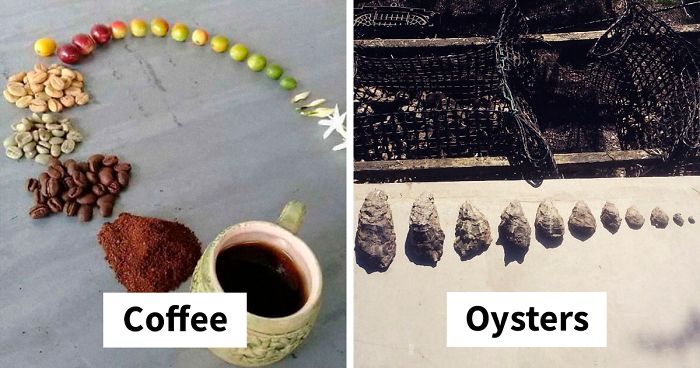
There is something oddly comforting about seeing a life cycle laid out in one frame. A tiny seed becomes a towering plant. A jelly-like frog egg turns into a leaping amphibian with a dramatic flair for pond exits. A caterpillar eats like it has a coupon for unlimited salad, then wraps itself up and comes out looking like it has hired a professional stylist. Nature does not simply grow; it transforms, reinvents, sheds, sprouts, swims, crawls, molts, blooms, and occasionally looks ridiculous while doing it.
That is why people love sharing photos of life cycles of different living things. These images take slow biological processes and compress them into a visual story we can understand in seconds. They show the hidden steps between “tiny beginning” and “fully grown wonder,” reminding us that every living thing has a timeline, a strategy, and a few awkward phases. Honestly, if tadpoles and cicadas can survive their strange teenage years, the rest of us have hope.
This article explores 24 fascinating examples of life cycle photos people often share online, from butterflies and frogs to mushrooms, sea turtles, plants, birds, and insects. Along the way, we will look at what these transformations reveal about survival, adaptation, reproduction, and the patient genius of the natural world.
Why Life Cycle Photos Are So Fascinating
Life cycle photos satisfy a very human curiosity: we want to see how things begin, change, and become what they are meant to be. A single adult butterfly is beautiful, but a photo series showing egg, caterpillar, chrysalis, and winged adult feels almost magical. The same is true for a salmon beginning life as a tiny egg in gravel, a mushroom rising from underground mycelium, or a sprout pushing through soil like a green little fist saying, “I have arrived.”
These photos also teach biology without making it feel like homework. Instead of memorizing terms like metamorphosis, germination, larva, pupa, nymph, juvenile, and adult, viewers can actually see those stages. The result is part science lesson, part art gallery, and part “Wait, that turns into THAT?” moment.
Life cycle photography is especially powerful because many stages are easy to miss in real life. We may see a dragonfly darting over a pond, but not the aquatic nymph that spent months or even years underwater. We may admire a sunflower, but forget the seed, seedling, bud, bloom, and seed head that came before and after. Photos help us notice the invisible middle chapters.
24 Life Cycles Of Different Living Things Worth Seeing
1. Butterfly: From Egg To Winged Beauty
The butterfly life cycle is one of nature’s most famous transformations. It begins with an egg, often laid on a specific host plant. The caterpillar hatches and spends its early life eating, growing, and molting. Then comes the chrysalis stage, where the body is reorganized into an adult butterfly. Finally, the butterfly emerges with wings, antennae, and a very different diet and mission: feed, mate, and repeat the cycle.
2. Moth: The Night Shift Version Of Butterfly Magic
Moths also go through complete metamorphosis: egg, larva, pupa, and adult. Their caterpillars often look soft, fuzzy, or wonderfully strange, while adult moths may be subtle brown, ghostly white, or brightly patterned. Life cycle photos of moths are a reminder that not every natural wonder needs daylight or celebrity status to be spectacular.
3. Frog: Egg, Tadpole, Froglet, Adult
A frog’s life cycle often begins as eggs in water. These hatch into tadpoles with tails and gills, built for swimming rather than hopping. Over time, tadpoles develop legs, absorb their tails, grow lungs, and become froglets. Eventually, they become adult frogs capable of living in both watery and land-based habitats. It is basically the original “before and after” makeover.
4. Toad: The Warty Cousin With A Similar Journey
Toads also usually begin as eggs in water and hatch into tadpoles. As they mature, they grow legs, lose their tails, and become land-dwelling adults. Toad life cycle photos are especially fun because the young stages are sleek and aquatic, while the adults look like tiny grumpy garden landlords.
5. Dragonfly: Underwater Hunter To Aerial Acrobat
Dragonflies begin life as eggs laid in or near water. Their immature stage, called a nymph or naiad, lives underwater and is an active predator. When ready, the nymph climbs out, molts, and emerges as an adult dragonfly. The transformation from aquatic creature to flying insect is one of the most dramatic life cycles in the insect world.
6. Cicada: Years Underground, Then A Loud Entrance
Cicadas begin as eggs placed in tree twigs. After hatching, the young nymphs drop to the ground and burrow into soil, where they feed on tree roots. Some cicadas spend years underground before emerging, climbing a tree or other surface, shedding their exoskeleton, and becoming winged adults. Their life cycle photos often include the empty shell left behind, nature’s tiny abandoned superhero suit.
7. Honey Bee: Tiny Egg To Hive Worker, Drone, Or Queen
Honey bees develop through egg, larva, pupa, and adult stages. The future role of a bee depends on factors such as genetics, nutrition, and colony needs. Photos of bee development show small white larvae curled in wax cells, capped pupal cells, and finally adult bees ready to take on hive duties. It is a whole society being built one cell at a time.
8. Bumble Bee: A Colony Built From One Queen
The bumble bee life cycle often begins with a queen that survives winter and starts a new colony in spring. She lays eggs, feeds larvae, and raises the first workers. Later generations help expand the colony. Life cycle images of bumble bees reveal how a fuzzy pollinator family develops from a small nest into a busy seasonal community.
9. Ladybug: Cute Adult, Tiny Alligator Baby
Ladybugs may be adorable as adults, but their larvae look surprisingly fierce. The life cycle includes egg, larva, pupa, and adult. Ladybug larvae are active predators, often feeding on aphids. Photos showing this transformation are popular because the larval stage looks nothing like the smooth, spotted adult beetle most people recognize.
10. Salmon: A Journey From Gravel To Ocean And Back
Salmon begin as eggs laid in freshwater gravel nests. They hatch into alevins, tiny fish still attached to a yolk sac. Next comes the fry stage, followed by smolts that prepare for life in saltwater. Adults grow in the ocean, then many return to freshwater streams to spawn. Their life cycle is not just a transformation; it is an epic travel documentary with fins.
11. Sea Turtle: Hatchling To Ocean Wanderer
Sea turtles begin as eggs buried in sandy beach nests. Hatchlings emerge and rush toward the ocean, where survival is challenging from the very first dash. Juveniles spend years growing in open ocean or coastal habitats, depending on the species, before becoming adults. Adult females later return to nesting beaches to lay eggs, continuing a cycle that can span decades.
12. Chicken: Egg, Chick, Pullet, Adult
The chicken life cycle is familiar but still fascinating. It begins inside an egg, where the embryo develops. A chick hatches, grows feathers, becomes a juvenile, and eventually matures into an adult hen or rooster. Life cycle photos of chickens are especially popular with families and classrooms because the stages are easy to observe and wonderfully fluffy.
13. Songbird: Egg To Nestling To Fledgling
Many birds begin as eggs incubated in nests. After hatching, nestlings are usually helpless and depend on parents for food and warmth. As feathers grow, the young bird becomes a fledgling and begins practicing the art of not crashing into everything. Bird life cycle photos capture the tender, messy, and very hungry reality of growing wings.
14. Sunflower: Seed To Towering Bloom
A sunflower starts as a seed. With water, warmth, and soil, it germinates and sends up a seedling. The plant grows leaves, develops a bud, blooms into a bright flower head, and eventually produces seeds. Photos of sunflower life cycles are visually satisfying because the plant goes from tiny and plain to tall, golden, and impossible to ignore.
15. Bean Plant: A Classroom Classic For A Reason
Bean plants are often used to teach plant life cycles because their stages are easy to see. A seed absorbs water, the root emerges, a shoot pushes upward, leaves unfold, flowers form, and pods develop. Each pod contains seeds that can begin the cycle again. It is simple, elegant, and much more dramatic when watched in time-lapse.
16. Pumpkin: Seed, Vine, Flower, Fruit
Pumpkins begin as seeds and grow into sprawling vines with large leaves. Male and female flowers appear, pollination occurs, and fruit begins to swell. Over time, the pumpkin matures, changes color, and becomes the star of pies, porches, and autumn decorations. Life cycle photos show just how much plant engineering is behind one cheerful orange fruit.
17. Strawberry: Flower To Fruit
The strawberry life cycle is especially interesting because the familiar red fruit develops from a flower that must be well pollinated. The plant produces leaves, blossoms, fruit, runners, and new daughter plants. A photo series showing flower to berry makes grocery store strawberries feel less like snacks and more like tiny botanical achievements.
18. Corn: Seedling To Tassel To Kernel
Corn begins as a seed that germinates and develops roots and leaves. As it grows, the plant produces tassels and silks. Pollination leads to kernels forming on the ear. Corn life cycle photos are useful because they reveal how grain production depends on timing, pollination, and steady growth through vegetative and reproductive stages.
19. Wheat: From Sprout To Grain Head
Wheat starts as a seed, grows leaves and stems, forms a head, flowers, and produces grain. Farmers track wheat growth stages carefully because each stage affects crop management and yield. In photos, wheat’s life cycle has a quiet beauty: green shoots, waving fields, golden heads, and harvested grain ready for food production.
20. Mushroom: Spores, Mycelium, Fruiting Body
A mushroom is only the visible part of a much larger fungal system. The life cycle often begins with spores. These grow into threadlike hyphae, which form mycelium. When conditions are right, the fungus produces a fruiting bodythe mushroomthat releases spores. So when you see a mushroom, you are basically seeing the fungus raise its hand and say, “Reproduction department reporting for duty.”
21. Fern: Spores Instead Of Seeds
Ferns do not produce flowers or seeds. Their life cycle includes spores, a small gametophyte stage, and the leafy fern plant most people recognize. Fern life cycle photos can feel almost alien because the early stages are so delicate and different from the mature fronds.
22. Snail: Egg To Slow-Motion Explorer
Many snails hatch from eggs as tiny versions of adults. They grow gradually, adding to their shells as their bodies expand. Life cycle photos of snails are charming because the babies look like miniature travelers already carrying their homes, although they are in absolutely no rush to move out.
23. Spider: Egg Sac To Spiderling To Adult
Spiders often begin life inside an egg sac. After hatching, spiderlings may remain together briefly before dispersing. They molt as they grow, eventually becoming adults. Spider life cycle photos can be dramatic, especially when showing a cluster of tiny spiderlings spreading out like a very organized but slightly unsettling parade.
24. Human: A Familiar Life Cycle With Many Chapters
Humans also have a life cycle: infancy, childhood, adolescence, adulthood, and older age. Unlike many species that transform physically in a few dramatic stages, human development is slower and shaped by biology, learning, culture, family, and environment. Photos of human life stages often feel emotional because they show growth not only in body size, but also in personality, memory, and experience.
What These Life Cycles Teach Us About Nature
Transformation Is A Survival Strategy
Many living things change form because each stage has a different job. A caterpillar is built to eat and grow. A butterfly is built to fly, find food, and reproduce. A tadpole is designed for water; a frog can move between water and land. A salmon fry needs freshwater shelter, while an adult salmon may travel through the ocean.
These differences reduce competition between young and adults. If baby butterflies had to compete with adult butterflies for nectar, the family dinner would get awkward fast. Instead, caterpillars eat leaves while adults sip nectar. Nature is very good at assigning separate lunch menus.
Life Cycles Depend On Habitat
Life cycle photos also show why habitat matters. Frogs need clean water for eggs and tadpoles. Dragonfly nymphs need aquatic environments. Sea turtles need safe nesting beaches and healthy oceans. Bees need flowers, nesting sites, and a functioning colony. Plants need suitable soil, light, moisture, and pollinators.
When one part of a habitat disappears, an entire life cycle can break. Protecting adult animals is not enough if their eggs, larvae, nests, seedlings, or juvenile habitats are destroyed. Conservation has to think in chapters, not just final forms.
Small Beginnings Can Lead To Astonishing Results
One of the biggest lessons from life cycle photography is that beginnings are often humble. A seed may look dry and lifeless. A frog egg may look like a dot in jelly. A mushroom spore is microscopic. A sea turtle hatchling is tiny compared with the adult it may become decades later.
But life does not need to look impressive at the start. It needs the right conditions, enough time, and a strategy that works. That is a pretty good lesson for plants, animals, and anyone who has ever started a project with more hope than confidence.
Why People Keep Sharing These Photos Online
Life cycle pictures are popular because they combine beauty, surprise, and education. They are easy to understand but full of deeper meaning. A good life cycle photo can make someone pause during a fast scroll and think, “I had no idea that was how it worked.” That small spark of curiosity is powerful.
They also remind people that nature is not static. The world is constantly becoming something else. Leaves unfold, insects molt, nests fill, eggs hatch, flowers fruit, and old stages give way to new ones. The photos are not just about biology; they are about change.
There is also a comforting rhythm in these images. Life cycles are proof that transformation is normal. Awkward stages are normal. Waiting is normal. Being a weird little larva before becoming something graceful is, apparently, extremely normal.
Personal Experiences And Everyday Reflections On Life Cycles
Many people first experience life cycles in simple, everyday ways. Maybe it was a bean seed in a damp paper towel during elementary school science class. At first, it looked like nothing was happening. Then one day, a tiny root appeared, and suddenly the seed was not just an object anymoreit was a living system with plans. That moment has converted many ordinary kids into temporary plant scientists, usually armed with a plastic cup and too much enthusiasm.
Gardening offers another close-up view of life cycles. Planting tomato seeds, watching seedlings lean toward the light, moving them outdoors, seeing yellow flowers appear, and finally picking ripe fruit creates a satisfying sense of partnership with nature. The gardener does not create the life cycle; they simply help make room for it. Of course, the plant may still decide to attract pests, wilt dramatically, or produce one heroic tomato after months of attention. Nature likes to keep its audience humble.
Raising butterflies is another unforgettable experience. Watching a caterpillar grow, hang in a J shape, become a chrysalis, and later emerge as a butterfly feels almost impossible even when you know the science. The first time you see folded wings slowly expand, it is hard not to feel like you have witnessed a tiny miracle wearing antennae.
Ponds and wetlands offer their own life cycle theater. Frog eggs in spring can become clouds of tadpoles, then tiny froglets along the muddy edge. Children often notice these changes before adults do because they are closer to the ground and more willing to stare at puddles as if important news may appear there. In a way, they are right. A pond is always publishing updates.
Even food can connect us to life cycles. A strawberry is not just a berry; it is the result of flowering, pollination, fruit development, and plant energy. Corn on the cob represents seed germination, leaf growth, tasseling, silking, pollination, and kernel development. Mushrooms on a pizza are the fruiting bodies of fungi that spent most of their lives hidden from view. Dinner becomes more interesting when you realize it has a backstory.
Life cycle photos can also encourage patience. In a culture that loves instant results, nature keeps offering slower examples. A cicada may spend years underground before appearing. A tree may take decades to mature. A sea turtle may not reproduce until many years after hatching. These timelines are a useful reminder that growth is not always visible while it is happening.
There is also an emotional side to life cycles. Seeing a bird egg become a nestling, then a fledgling, then an empty nest can feel joyful and bittersweet at the same time. Growth often includes leaving. The same pattern appears in gardens when flowers fade and seeds form, or in forests when fallen logs feed fungi, insects, and new plants. Endings are often beginnings wearing a very convincing disguise.
For photographers, life cycles are a perfect subject because they reward attention. The best images often come from returning to the same place again and again: the same nest, the same garden bed, the same pond, the same mushroom log after rain. The photographer becomes a witness to time. Instead of chasing one dramatic moment, they collect a sequence of quiet changes until the story becomes visible.
For anyone sharing these photos online, the appeal is simple: life cycles make people look twice. They turn familiar living things into stories. They show that a butterfly was once a leaf-munching caterpillar, a frog was once a tail-powered tadpole, and a mushroom was once invisible threads underground. They make the ordinary feel astonishing again.
Conclusion
Photos of life cycles of different living things are more than pretty science visuals. They are miniature biographies of survival, growth, adaptation, and renewal. They help us understand how living organisms move from one stage to another, often changing shape, habitat, behavior, and purpose along the way.
From butterflies and frogs to salmon, sea turtles, mushrooms, bees, birds, and plants, each life cycle tells a different story. Some are quick. Some take years. Some happen in water, some underground, some in nests, and some inside seeds waiting for the right conditions. Together, they show that life is not a single form but a process.
And perhaps that is why these photos are so shareable. They remind us that becoming takes time, change can be strange, and even the most beautiful adult form may have started as something tiny, awkward, hidden, or hungry. Nature, as usual, has the best plot twists.
Note: This article was written as original, publication-ready content based on synthesized information from reputable biology, wildlife, agriculture, conservation, and natural science references.