

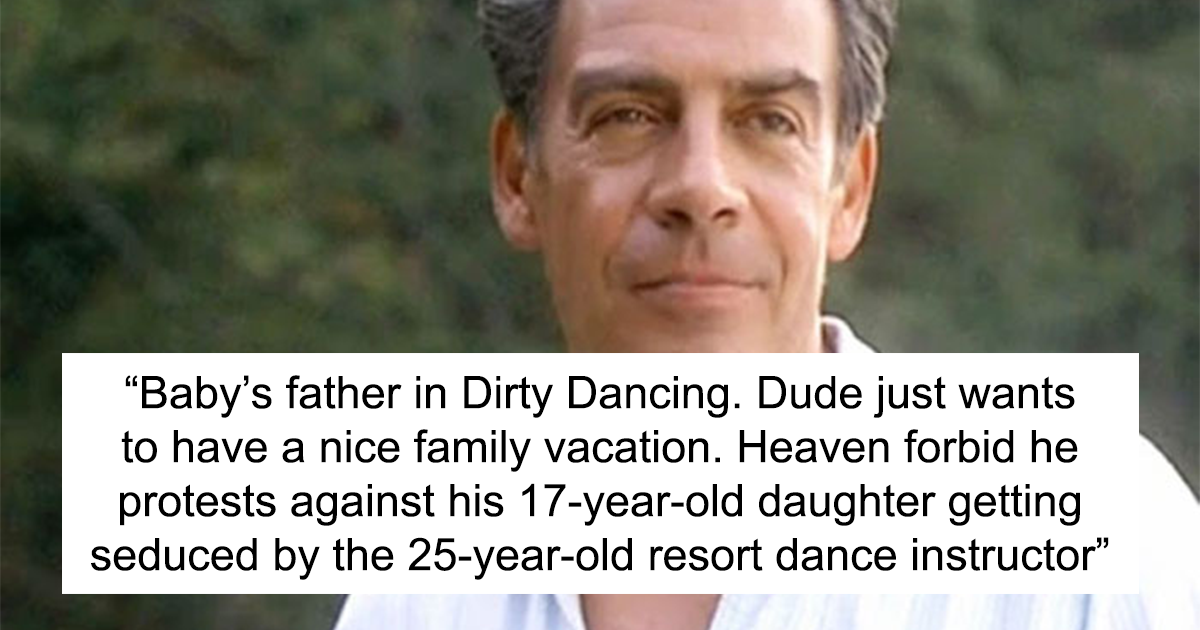
Every great movie has a hero, a mission, a dramatic soundtrack, and at least one person everyone agrees is “the problem.” But what happens when we stop cheering from the hero’s side of the battlefield and politely ask the so-called villain, “So… what was your deal?” Suddenly, the Wicked Witch looks like a grieving sister, the shark in Jaws looks like a hungry fish with terrible public relations, and the dad in Dirty Dancing looks less like a party pooper and more like the only adult who read the liability waiver.
That is why movies from the villain’s perspective are so addictive to discuss. They reveal how much storytelling depends on framing. A protagonist is not always the most moral person in the room; they are often just the person holding the camera. Switch the lens, and the emotional math changes fast. Some villains remain awful no matter how many sad violins we add. Others become tragic, practical, scared, or weirdly reasonable. And a few make us whisper the dangerous sentence every movie fan eventually says: “Wait… did the villain kind of have a point?”
This does not mean excusing murder, kidnapping, genocide, or turning people into decorative furniture. It means understanding how perspective, motive, and context can complicate the simple hero-versus-villain formula. Below are 30 famous movies retold from the antagonist’s side, with enough moral gray area to make your next movie night feel like a courtroom drama with popcorn.
Why the Villain’s Perspective Changes Everything
In classic storytelling, the villain creates conflict by standing in the hero’s way. But “standing in the hero’s way” is not the same as being pure evil. Sometimes the villain protects a system. Sometimes they are reacting to trauma. Sometimes they are a monster because everyone treated them like one first. And sometimes they are simply enforcing the rules while the hero dances across property lines, breaks ancient laws, or releases dinosaurs into the customer-facing area.
The best movie villains are not memorable because they twirl mustaches. They are memorable because they believe they are right. They have logic, pain, pride, fear, or a mission. The trouble begins when their methods go off the rails, burst into flames, and take a small city with them.
30 Movies Retold From the Villain’s Perspective
1. The Wizard of Oz
From Dorothy’s perspective, the Wicked Witch of the West is terrifying. From the witch’s perspective, a stranger drops a house on her sister, steals the family shoes, and then receives government-level support from Glinda. If someone took your late sibling’s magical footwear and skipped away singing, you might also send a few flying monkeys.
2. Dirty Dancing
Dr. Jake Houseman is often remembered as the strict father blocking romance. From his point of view, his 17-year-old daughter is getting involved with an older resort employee during a family vacation that was supposed to include relaxation, not emotional emergency medicine. He is not ruining the summer; he is trying to keep the summer from becoming a lawsuit with jazz hands.
3. Jurassic Park
The dinosaurs are framed as threats, but they did not ask to be cloned, fenced, branded, and placed in a theme park with unreliable locks. From the raptors’ perspective, the humans are the weird mammals who built a prison, cut the power, and then acted shocked when nature filed a complaint.
4. Jaws
The shark is not evil. It is a shark. It swims, eats, and has no understanding of municipal tourism revenue. If anything, the real villainous energy comes from the adults who keep the beaches open after people start becoming snacks.
5. Home Alone
Harry and Marv are criminals, yes, but their movie becomes an accidental survival horror story. They expect an empty house and instead meet a child with engineering skills, unlimited household supplies, and the moral restraint of a cartoon coyote. Crime is bad; stepping on a nail is also extremely persuasive.
6. The Little Mermaid
Ursula is manipulative, power-hungry, and absolutely not someone you want notarizing a contract. Still, from her side, Ariel is a princess who signs a magical agreement, ignores the fine print, and then gets royal intervention when the deal goes badly. Undersea contract law has never looked so messy.
7. Beauty and the Beast
Gaston is arrogant and dangerous, but imagine being a villager told that a giant horned creature is holding a young woman in a castle. Remove the singing teapots from the evidence file, and his concern looks less absurd at first. The problem is that his ego turns public safety into a personal hunting trip.
8. Toy Story
Sid is the neighborhood menace to toys, but he does not know toys are alive. From his perspective, he is experimenting with plastic, imagination, and questionable bedroom decor. From the toys’ perspective, he is Dr. Frankenstein in a skull T-shirt.
9. Avengers: Infinity War
Thanos sees himself as a cosmic problem-solver haunted by scarcity and collapse. His diagnosis may sound strategic in his own head, but his solution is mass murder on a universal scale. This is the anti-villain formula at maximum danger: a grand goal, a tragic wound, and a method so monstrous it swallows any argument he had.
10. Black Panther
Erik Killmonger is one of modern superhero cinema’s most compelling antagonists because his anger is rooted in abandonment, inequality, and Wakanda’s isolation. He wants the world’s oppressed people to have access to power. His tragedy is that he turns liberation into domination and repeats the violence he wants to overthrow.
11. Star Wars
Darth Vader’s perspective is a nightmare of fear, loss, control, and denial. Anakin Skywalker begins by wanting to protect people he loves, then becomes the very thing that destroys them. His villain story is not “evil man likes capes”; it is what happens when terror, pride, and manipulation turn love into possession.
12. Blade Runner
Roy Batty is technically the antagonist, but from his perspective he is a manufactured being begging for more life. He is hunted for wanting what humans take for granted: time, memory, and dignity. By the end, he seems less like a villain than a dying man making one final argument for personhood.
13. X-Men
Magneto’s methods are extreme, but his fear is not random. As a survivor of human cruelty, he looks at anti-mutant hatred and sees history preparing to repeat itself. The heartbreaking part is that he is often right about the danger and wrong about the cure.
14. The Matrix
Agent Smith is a villain to Neo, but he is also a program defending a system from human disruption. He views humanity as chaotic, destructive, and viral. That does not make him noble, but it does make his disgust more than simple bad-guy sneering.
15. The Rock
General Hummel is dangerous because his grievance is understandable. He wants recognition and compensation for soldiers abandoned by the government. The tragedy is that he chooses terror as his megaphone, proving that a righteous cause can rot when attached to the wrong plan.
16. Mrs. Doubtfire
Miranda Hillard is sometimes treated like the obstacle to fun, but from her perspective, she is setting boundaries with an irresponsible ex-husband. Daniel may be loving and hilarious, but he also lies his way into her home in disguise. In real life, that is not whimsy; that is a family court exhibit.
17. Ferris Bueller’s Day Off
Principal Rooney is the villain because Ferris is charming. But Rooney is also an educator trying to catch a student who keeps skipping school and turning deception into performance art. His mistake is becoming so obsessed that he transforms from rule-enforcer into slapstick goblin.
18. The Devil Wears Prada
Miranda Priestly is icy, demanding, and terrifying enough to make a scarf feel judged. Yet from her perspective, she runs a major fashion empire where excellence is the entry fee. She is not warm, but she is not confused about the cost of power in an industry ready to replace her the moment she blinks.
19. Frozen
Elsa is not the villain, but she is treated like a threat when fear takes over Arendelle. From the townspeople’s perspective, their queen accidentally plunges the kingdom into eternal winter and runs away. From Elsa’s perspective, a lifetime of repression finally explodes in the worst possible weather event.
20. Shrek
Lord Farquaad is vain, cruel, and vertically overcompensating, but he sees himself as a ruler creating order. Fairy-tale creatures are disrupting his perfect kingdom, and Shrek becomes the large green complication. His flaw is not wanting organization; it is treating living beings like clutter.
21. The Incredibles
Syndrome begins as a rejected fan who wants to prove heroes are not special. His dream of giving everyone super technology almost sounds democratic until you notice the murder robots and revenge plot. He wants equality, but only after he gets applause first.
22. Wreck-It Ralph
Ralph is literally labeled the bad guy, but the movie works because it lets him tell his side. He is tired of being hated for doing the job his world assigned him. His story is a reminder that being cast as the villain is not the same as choosing villainy.
23. Finding Nemo
The dentist is not a villain; he is a guy with an aquarium. From Nemo’s perspective, he is trapped. From the dentist’s perspective, he probably thinks he has rescued a beautiful fish and created a pleasant office environment. Darla, however, remains a tiny agent of aquatic chaos.
24. Monsters, Inc.
Randall and Waternoose are frightening because they turn children into resources. Yet from their perspective, Monstropolis faces an energy crisis, and screams power the city. Their failure is moral imagination: they cannot picture a better system until Sulley and Mike discover laughter.
25. The Lion King
Scar sees himself as the overlooked brother in a royal family that treats him like a sarcastic shadow. That resentment may explain him, but it does not excuse fratricide, child exile, or hyena-based economic policy. Some villains have pain; Scar also has a body count.
26. The Karate Kid
From Johnny Lawrence’s point of view, Daniel arrives, gets involved with his ex-girlfriend, sprays him with water, and becomes the new favorite in town. Johnny is not innocent, but the story becomes more complicated when you realize he is also a teenager shaped by a toxic mentor.
27. Ghostbusters
Walter Peck is annoying, but he asks a fair question: why are four private citizens running around New York with nuclear equipment and a ghost containment unit in a basement? His shutdown helps cause disaster, but his suspicion of unregulated paranormal science is not completely insane.
28. E.T. the Extra-Terrestrial
The government agents look scary because we experience them through children. From their perspective, an unknown extraterrestrial life-form is hiding in a suburban home and creating possible biological risk. They are not warm, but their caution is not irrational.
29. The Terminator
The Terminator is terrifying because it has no emotional perspective, only a mission. From the machine’s side, it is preventing a future threat to its existence. That cold logic is exactly what makes it monstrous: it understands goals, not life.
30. Carrie
Carrie White becomes horrifying at the prom, but the road there is paved with bullying, humiliation, religious abuse, and cruelty. From her perspective, the world teaches her that kindness is temporary and humiliation is permanent. Her revenge is tragic because it is both monstrous and painfully understandable.
What These Villain Retellings Teach Us About Movies
Looking at movies from the villain’s perspective does not flatten right and wrong. In fact, it often sharpens them. It helps us separate motive from method. A villain may have a legitimate wound, but that does not make every reaction justified. Killmonger’s anger exposes a real moral failure in Wakanda, but his violence becomes its own tyranny. Magneto understands persecution, but his answer creates new victims. Thanos identifies suffering and scarcity, then chooses math with a murder weapon.
That is why these conversations are so popular. They let audiences practice empathy without surrendering judgment. We can understand why a character broke without applauding the breaking. We can admit that a hero made mistakes without handing the movie to the villain. The fun is in the friction.
Villain-perspective movie analysis also reminds us that comedy depends heavily on alignment. In Home Alone, Kevin’s traps are hilarious because we identify with a child defending his house. From Harry and Marv’s side, it is a medical emergency with Christmas lights. In Ferris Bueller’s Day Off, Rooney is ridiculous because Ferris is our narrator. From the school district’s side, Ferris is a charming attendance problem with jazz-band energy.
Personal Experiences: Watching Movies From the Other Side
The first time you rewatch a movie from the villain’s perspective, it feels like finding a secret door in a house you thought you knew. The furniture is the same, the dialogue is the same, but the room suddenly has different lighting. A scene that once felt triumphant may start to feel unfair. A character you booed might look exhausted. A “happy ending” might seem happy only because the camera stopped before the consequences arrived.
This kind of rewatch changes movie night conversations in the best way. Someone says, “Actually, the villain had a point,” and the room immediately divides into passionate legal teams. One person defends the shark. Another argues for the emotional rights of Frankenstein’s monster. Someone else brings up Walter Peck from Ghostbusters, and suddenly everyone is debating environmental regulation at a supernatural startup. This is when cinema becomes more than entertainment. It becomes a playground for ethics, empathy, and lightly salted overthinking.
There is also a practical lesson here for everyday life. Most conflicts are not experienced as hero versus villain by the people inside them. Everyone has a version of the story where their choices make sense. The coworker who seems difficult may think they are protecting quality. The parent who seems strict may be acting from fear. The friend who pulls away may be carrying context no one else can see. Movies exaggerate these conflicts with lasers, witches, sharks, and capes, but the emotional structure is familiar.
Of course, perspective has limits. Understanding someone’s motive should not become a free coupon for bad behavior. The goal is not to say, “Every villain is secretly good.” Some are selfish. Some are cruel. Some know exactly what they are doing and do it anyway. The better lesson is that people are more interesting when we ask why, and stories become richer when we allow more than one emotional angle to exist.
That is why villain-perspective storytelling sticks with us. It gives familiar films a second life. It turns simple plots into layered debates. It makes old characters feel newly human, newly funny, or newly terrifying. And it proves that the scariest villains are not always the ones who cackle in the dark. Sometimes they are the ones who make us pause, lower the popcorn, and admit that the story looks very different from where they are standing.
Conclusion
Movies from the villain’s perspective reveal the hidden machinery of storytelling. The hero is not always right because they are heroic, and the villain is not always wrong because the music says so. By flipping the viewpoint, we discover grief behind revenge, fear behind control, logic behind obsession, and sometimes a surprisingly reasonable complaint buried under very unreasonable behavior.
The next time you watch a classic movie, try this small experiment: pick the antagonist and imagine the plot as their worst week ever. You may laugh, argue, sympathize, or recoil. But you probably will not see the movie the same way againand honestly, that is half the fun.
Note: This article is an original, plagiarism-free synthesis written in standard American English for web publication. It uses real movie details and public film-discussion themes while avoiding source links or unnecessary citation placeholders in the publishable HTML.