

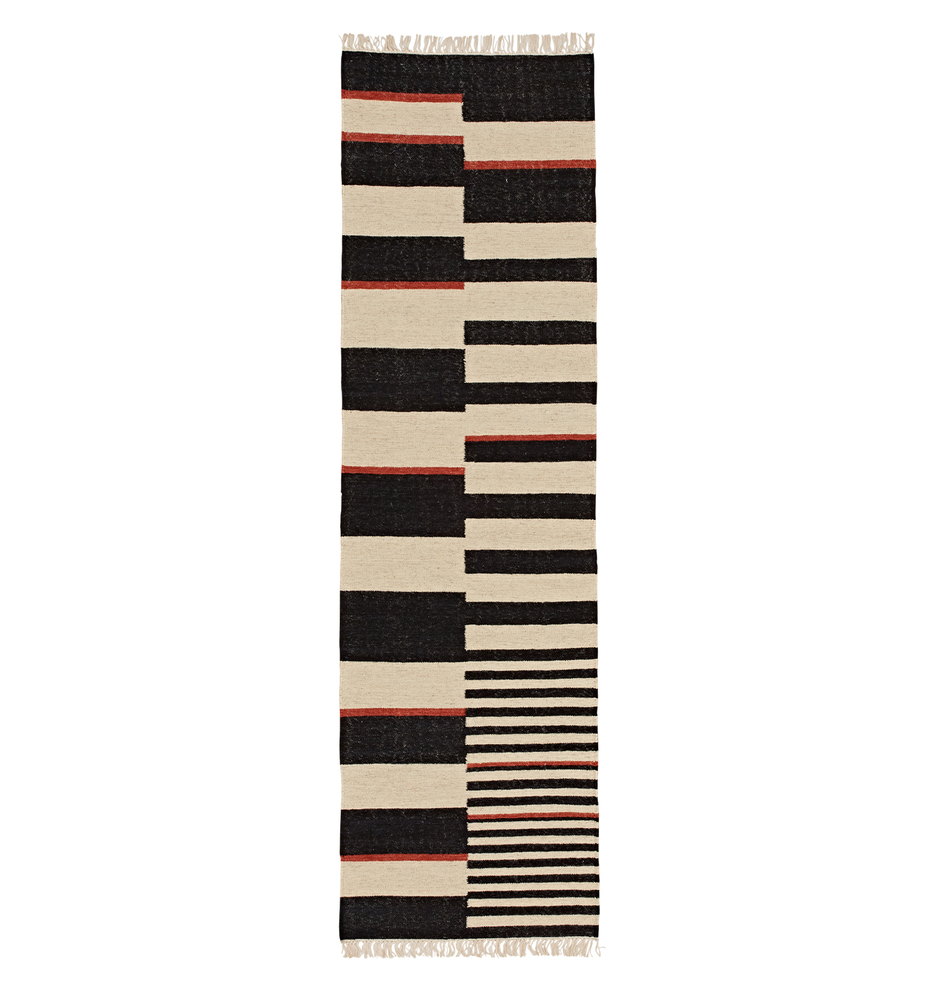
If your floor feels a little too “plain toast” and your room is begging for personality, the Pollock Flatweave Rug is the kind of piece that can step in without throwing a dramatic decorating tantrum. It has the sort of balanced, geometric style that feels thoughtful but not fussy, interesting but not loud, and polished without acting like it needs its own spotlight operator. In other words, it is the design equivalent of that friend who always looks put together and claims it took “two minutes.”
The appeal of the Pollock Flatweave Rug starts with what it is: a handwoven flatweave rug with a reversible design, a wool-and-cotton construction, and a versatile pattern that can adapt to a range of interiors. Those details matter because flatweave rugs are a distinct category. They are lower in profile than plush or shag options, easier to slide under furniture, more forgiving around doors, and often better suited to busy households that want style without constant rug-related drama. The Pollock takes those practical benefits and wraps them in a geometric design that feels timeless rather than trendy.
This article takes a close look at what makes the Pollock Flatweave Rug attractive, where it works best, how to style it, what to expect from the material and construction, and why flatweave rugs keep winning fans among homeowners, renters, designers, and people who simply want their living room to look more expensive than it really is.
What Is the Pollock Flatweave Rug?
The Pollock Flatweave Rug is best understood as a design-forward, hard-working area rug that blends artisanal construction with everyday livability. It is typically described as handwoven using a flatweave technique, and its fiber mix of wool and cotton gives it an appealing middle ground between softness and structure. Wool brings warmth, resilience, and a naturally comfortable feel underfoot, while cotton helps support flexibility and a lighter overall profile.
One of the rug’s standout traits is its reversible construction. That is not just a fun little product-page flex. Reversible rugs can be genuinely practical because they allow homeowners to extend wear, freshen the look, and make the piece feel less precious. Flip it, rotate it, and suddenly your floor looks like you made a very responsible adult decision.
The Pollock’s pattern also deserves attention. The geometric design is striking enough to anchor a room, yet restrained enough to behave itself around existing furniture. It can sit comfortably with midcentury, modern traditional, transitional, Scandinavian-inspired, and even slightly rustic interiors. That broad styling range is one reason flatweave geometric rugs remain popular: they can add movement and shape without overpowering everything else in the room.
Why Flatweave Rugs Stay Popular
Flatweave rugs continue to earn their place in well-designed homes for a simple reason: they look good and make life easier. Unlike thick, high-pile rugs that can feel luxurious but demand more maintenance, flatweaves usually sit closer to the floor and offer a smoother surface. That lower profile makes them easier to place in entryways, dining rooms, hallways, kitchens, and other active areas where chairs move, feet shuffle, pets sprint for no obvious reason, and doors still need to open.
They also tend to deliver a more tailored look. A flatweave rug reads crisp, neat, and architectural. It can create visual interest through pattern and color without adding much bulk. For homes that already have a lot of upholstery, layered textiles, or chunky furniture, a flatweave can provide balance. It says, “Yes, this room has texture,” without making every surface feel like it belongs in a sweater catalog.
Another reason for their popularity is versatility. Flatweaves work in formal and casual settings alike. They can be the main rug in a living room, a runner in a hallway, a practical choice beneath a dining table, or even a layering piece over a larger natural-fiber rug. Because many flatweaves are lighter and more flexible than heavier knotted rugs, they are also easier to reposition when you are in one of those “maybe the sofa should go on the other wall” moods.
Design Strengths of the Pollock Flatweave Rug
1. A geometric pattern that feels fresh without trying too hard
The Pollock Flatweave Rug has a visual rhythm that helps organize a room. Geometric patterns can guide the eye, reinforce symmetry, and give a space a finished appearance. In the Pollock’s case, the pattern is versatile enough to complement clean-lined furniture while still softening a room that might otherwise feel too plain.
2. A wool-cotton blend that makes sense for real homes
Wool is often appreciated for its durability, natural warmth, and comfortable feel, while cotton can make a rug more pliable and easier to manage. Together, they create a rug that feels substantial without becoming stiff or overly heavy. This combination also supports the Pollock’s easygoing identity: refined enough for a styled room, practical enough for daily life.
3. Reversible construction for more flexibility
Reversibility gives the rug a second life every time you flip it. Even if both sides are visually similar, the ability to distribute wear can help the rug age more evenly. That matters in busy zones where one path through the room always gets more foot traffic than the rest.
4. Handmade character
Handwoven rugs often come with slight variations in pattern, weave, or texture. Rather than being flaws, these details are part of the charm. They give the rug a more organic presence and keep it from looking mass-produced in the least interesting way possible.
Best Rooms for a Pollock Flatweave Rug
Living room
This is perhaps the Pollock’s most natural habitat. In a living room, the geometric motif can anchor a seating area and give the furniture arrangement a stronger sense of purpose. Choose a size large enough so at least the front legs of your major seating pieces rest on the rug. That one choice can make the room look more polished instantly.
Dining room
Flatweaves are often excellent under dining tables because their low profile helps chairs move more smoothly. A thick, plush rug may look cozy, but it can turn every dinner into a minor upper-body workout. The Pollock’s flatter construction makes more practical sense in spaces where chairs are constantly being pulled in and out.
Bedroom
In a bedroom, the Pollock can bring structure and softness at the same time. A large rug under the bed can frame the room beautifully, while a runner version on one or both sides can add warmth and comfort without swallowing the floor whole.
Entryway or hallway
Because flatweaves tend to handle movement well and keep a relatively slim profile, they are especially useful in transitional spaces. A patterned runner can make a narrow hallway feel more deliberate and less like a passageway that exists only to connect laundry piles.
How to Style the Pollock Flatweave Rug
The easiest way to style the Pollock is to let it do one important job: provide pattern and structure while the rest of the room handles comfort and personality. If your furniture is solid-colored, the rug adds energy. If your room already includes patterned pillows, art, or curtains, the rug can still work as long as the palette stays coordinated and the scale of patterns is varied.
Here are a few styling directions that work especially well:
Modern organic
Pair the rug with oak or walnut furniture, linen upholstery, matte black accents, and ceramics in warm neutrals. Add a leafy plant and suddenly the room looks like someone with excellent taste drinks coffee very slowly.
Classic transitional
Use the Pollock with upholstered seating, brass or aged bronze finishes, tailored drapery, and layered lighting. The geometry keeps the room from feeling too traditional, while the overall palette stays calm and elevated.
Collected eclectic
Because the pattern is structured, the rug can serve as a stabilizing element in rooms that mix vintage pieces, sculptural decor, and global accents. It gives your space a visual backbone.
Layered casual
Flatweaves can also play nicely in layered interiors. The Pollock can be used over a larger natural-fiber base or alongside textured throws and nubby pillows to keep a room from feeling flat in every sense of the word.
Size Matters More Than Most People Want to Admit
A beautiful rug in the wrong size can make even a well-furnished room look oddly incomplete. The Pollock Flatweave Rug will look best when it is scaled to the furniture, not simply squeezed into the leftover floor area like an afterthought.
For living rooms, larger sizes usually create the strongest visual foundation. In dining rooms, the rug should extend beyond the table enough to allow chairs to remain on the rug when pulled out. In bedrooms, the rug should reach beyond the sides and foot of the bed to create a soft landing zone. For hallways, a runner should leave a visible border of flooring around the edges rather than stretching wall to wall.
If you are between sizes, the bigger option is often the better one. Tiny rugs have a strange talent for making rooms look smaller, not larger. It is one of interior design’s rudest little tricks.
Care and Maintenance Tips
The Pollock Flatweave Rug is attractive partly because it is relatively manageable compared with heavier, fluffier constructions. Still, “easy to live with” does not mean “invincible.” A little care goes a long way.
Use a rug pad
A rug pad is strongly recommended. It helps reduce slipping, adds a bit of comfort, supports the weave, and can extend the life of the rug. For flatweaves, thinner pads are often the smarter choice because they support the rug without creating unnecessary height or a tripping hazard.
Vacuum gently
Use suction rather than an aggressive beater bar when possible. Flatweave and wool rugs generally benefit from a gentler approach. Regular vacuuming helps keep dirt from settling into the fibers and keeps the rug looking fresher over time.
Rotate the rug
Rotating the rug every few months can help distribute wear more evenly, especially in sunny rooms or high-traffic spaces. It is a simple habit that pays off.
Blot spills quickly
Spills happen. Coffee happens. Mysterious sticky spots absolutely happen. The trick is to blot promptly instead of rubbing, which can push the stain deeper into the fibers or disturb the weave.
Professional cleaning when needed
For stubborn stains or periodic deep maintenance, professional rug cleaning is often the best route. It is not the most thrilling line item in a household budget, but neither is replacing a beautiful rug too soon.
Who Should Buy a Pollock Flatweave Rug?
The Pollock Flatweave Rug makes sense for shoppers who want a rug that feels elevated but not fussy, handmade but not fragile-looking, patterned but still broadly versatile. It is particularly appealing for people who prefer clean-lined interiors, appreciate natural fibers, and want a piece that can hold up visually in everyday spaces.
It is also a smart option for anyone who dislikes bulky rugs or needs something practical beneath furniture. If you love a room that looks collected, edited, and quietly stylish, the Pollock is operating in exactly your lane.
On the other hand, if you are chasing an ultra-plush, sink-your-toes-in feel, this may not be your dream rug. Flatweaves prioritize structure, easy placement, and a more tailored appearance. The comfort is there, but it is not the marshmallow kind.
Final Thoughts
The Pollock Flatweave Rug succeeds because it balances beauty and usefulness unusually well. Its geometric pattern adds energy without overwhelming a room. Its wool-cotton composition supports warmth, texture, and everyday practicality. Its handwoven, reversible construction gives it authenticity and longevity. And its flat profile makes it genuinely flexible in the kinds of rooms people actually use.
In a world full of rugs that are either too boring, too trendy, too fluffy, too fragile, or too eager to dominate the room, the Pollock feels refreshingly smart. It is the kind of piece that quietly upgrades a space, supports daily living, and keeps looking relevant long after trendier choices have wandered off to embarrass themselves elsewhere.
Experiences with the Pollock Flatweave Rug
Living with a rug like the Pollock Flatweave Rug is not just about filling floor space. It is about how a room feels once the rug is down and everyday life starts happening on top of it. One of the first things people notice with a flatweave rug is how quickly it changes the mood of a room. A living area that felt slightly unfinished suddenly looks intentional. A bedroom that seemed plain starts reading as calm and curated. Even an entryway can feel more welcoming, like the house finally remembered to get dressed.
Many homeowners appreciate that the Pollock-style flatweave experience is less about drama and more about quiet competence. It lies flatter than thicker rugs, so furniture tends to sit more naturally on it. Dining chairs move with less resistance. Doors clear more easily. The room feels settled, not overstuffed. That may sound like a small thing, but in daily life, practical comfort often matters more than showroom theatrics.
There is also a visual experience that develops over time. Because the rug is handwoven and patterned, it tends to interact beautifully with changing light throughout the day. In morning light, the weave can look crisp and architectural. By evening, especially with warm lamps on, it can soften the entire room and make the space feel more intimate. It is one of those design details people do not always predict, but they absolutely notice once it is there.
Another common experience is versatility. People move furniture, swap pillows, add art, repaint walls, and somehow a well-chosen flatweave still works. That is a major reason rugs like the Pollock remain satisfying long-term purchases. They do not trap you in one look. They give you room to evolve. Your coffee table can change. Your lamp can get weirder. Your throw pillows can go through a questionable rust-and-olive phase. The rug usually keeps its composure.
There is, of course, the real-life side of the story. A flatweave is often easier to maintain than a high-pile rug, but it still becomes part of the household routine. You vacuum it. You rotate it. You catch a spill and feel briefly heroic. You smooth out a corner before guests come over. Over time, the rug stops feeling like a new purchase and starts feeling like part of the home’s personality. That is probably the best compliment any rug can earn. The Pollock Flatweave Rug is not trying to steal the room. It is trying to make the room work better and look better at the same time, and that is exactly why people tend to love living with it.