

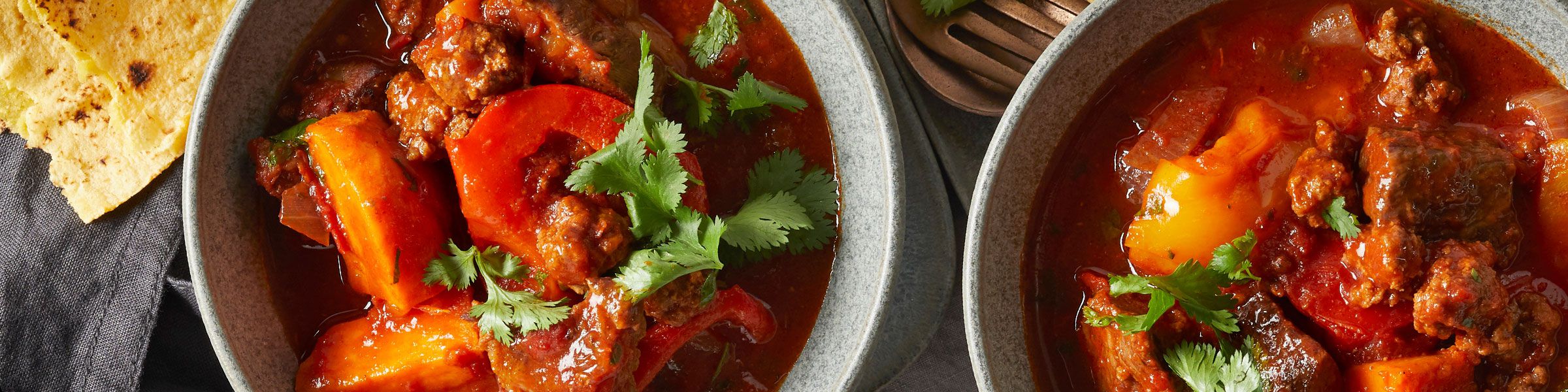
Pressure cooker recipes have a very special talent: they make you look like you planned dinner hours ago when, in reality, you were still wondering what to cook 37 minutes before mealtime. That is the beauty of the pressure cooker. It turns tough cuts tender, makes beans feel approachable, coaxes flavor out of broth in a hurry, and gives weeknight cooks a genuine shot at producing something that tastes slow-simmered without actually spending the evening hovering over a stove.
But great pressure cooker cooking is not just about speed. It is about strategy. The best recipes balance enough liquid to build pressure, bold aromatics to compensate for shorter cook times, and the right pressure release method so the food finishes with the texture you actually want. In other words, the machine is fast, but flavor still likes a plan.
This guide rounds up the kinds of pressure cooker recipes that deserve a permanent spot in your rotation, from cozy soups to smart grain dishes to dinner-party-level braises that somehow happen on a Tuesday. Along the way, you will also get practical advice for better results, fewer “burn” messages, and less of that panicked “why is the timer not counting down yet?” energy that every pressure cooker owner experiences at least once.
Why Pressure Cooker Recipes Keep Winning in Real Kitchens
The reason pressure cooker recipes have become so popular is simple: they solve actual dinner problems. They shorten the cooking time for foods that normally need patience, like dried beans, pot roast, split pea soup, and braised meats. They also concentrate flavor because the pot is sealed, which means less evaporation and less babysitting. That makes easy pressure cooker dinners feel efficient without tasting rushed.
They are also flexible. A pressure cooker can handle soups, stews, shredded meats, rice dishes, beans, lentils, and even certain desserts. Some recipes are true speed demons, while others are more about convenience than sheer time saved. That distinction matters. A pressure cooker still needs time to come up to pressure before the clock starts, and that surprises plenty of first-time users. So while a “10-minute” recipe is not always a literal 10-minute dinner, it often is a lower-effort, lower-mess dinner with a much better payoff than takeout regret.
The most successful pressure cooker meals tend to share a few traits: a flavorful liquid base, ingredients that benefit from moist heat, and a finish that adds freshness or texture. Think chopped herbs, lemon juice, yogurt, crisp toppings, or a quick broil after cooking. That final step is often what separates decent pressure cooker food from “wait, you made this at home?” pressure cooker food.
12 Pressure Cooker Recipes Worth Making Again and Again
1. Pressure Cooker Chicken Noodle Soup
If there were a hall of fame for comforting pressure cooker recipes, chicken noodle soup would have a reserved parking spot. The pressure cooker excels at quickly building a rich broth from chicken, onion, celery, carrots, garlic, and herbs. The key is not overcooking the noodles. Cook the soup under pressure first, then stir in noodles at the end using the sauté setting or residual heat. That way, the broth tastes like it had all afternoon, while the noodles still remember how to be noodles.
2. Beef Chili With Deep, Slow-Cooked Flavor
Pressure cooker chili is one of the best examples of how speed and flavor can be friends. Browning the beef first develops savory depth, and a mix of broth, tomatoes, beans, onions, garlic, and chili spices gives the pot enough body to feel hearty. This is one of those pressure cooker meals that only improves after a short rest. Add toppings like shredded cheese, avocado, cilantro, sour cream, or crushed tortilla chips, and suddenly Tuesday night looks suspiciously festive.
3. Pot Roast That Tastes Far More Expensive Than It Is
Few pressure cooker recipes earn more loyalty than pot roast. Tough cuts like chuck roast become fork-tender much faster than they do in the oven, especially when cooked with onions, carrots, celery, stock, and herbs. The trick is to sear the meat thoroughly before pressure cooking and to let it release naturally for a bit afterward. That gentle finish helps the roast stay juicy instead of turning into a stringy life lesson.
4. Butter Chicken for Better-than-Delivery Nights
Pressure cooker butter chicken proves that a deeply flavored sauce does not always require half your evening. Onion, garlic, ginger, tomato, warming spices, and chicken cook together quickly, while cream or yogurt stirred in at the end adds richness. Serve it over rice and add fresh cilantro. This dish works especially well because pressure cooking keeps the chicken tender and gives the sauce time to mingle with the spices instead of tasting like they just met in the parking lot.
5. White Chicken Chili That Feels Cozy but Not Heavy
This is one of the most dependable weeknight pressure cooker recipes because it hits the sweet spot between easy and satisfying. Chicken, white beans, green chiles, cumin, broth, and onion create a creamy, warming base without requiring much hands-on effort. Mash some of the beans or stir in a little dairy at the end for a thicker texture. Top it with lime, jalapeño, cilantro, or crushed tortilla chips and call it dinner before anyone suggests frozen pizza.
6. Jambalaya With Big Flavor and Fewer Pots
Pressure cooker jambalaya is a smart move when you want bold flavor without managing three pans and a rising sense of chaos. Chicken, sausage, aromatics, tomatoes, Cajun seasoning, and rice can come together beautifully, though shrimp is often best added near the end to prevent overcooking. This style of meal highlights one of the pressure cooker’s greatest strengths: one-pot meals that actually taste layered and intentional.
7. Black Beans From Scratch
Dried beans are one of the great pressure cooker success stories. Homemade black beans can be creamy, flavorful, and much more interesting than the canned version. Onion, garlic, bay leaf, stock or water, and a little oil create a solid base. Once cooked, the beans can become tacos, bowls, soups, dips, or a simple side with rice. If you want one category of pressure cooker recipes that saves money and earns repeat use, this is it.
8. Split Pea or Lentil Soup for Cold-Day Cooking
Pressure cookers are especially good at soups built from legumes because they soften the ingredients quickly while preserving body. Split peas and lentils break down into velvety texture without hours of simmering. Add carrots, celery, onion, garlic, herbs, and a smoky component like ham, sausage, or smoked paprika. The result is thick, filling, and exactly the kind of meal that makes you feel like the weather outside is someone else’s problem.
9. Risotto Without the Endless Stirring Routine
Traditional risotto is wonderful, but it can also be very clingy. Pressure cooker risotto cuts down the stirring dramatically while still delivering a creamy, satisfying bowl. Sauté onion and garlic, toast the Arborio rice, deglaze with wine if you like, then add broth and cook under pressure. Finish with butter, Parmesan, and any vegetables or proteins you want. Corn, mushrooms, lemon, peas, and shrimp all work well. This is one of the most surprising pressure cooker recipes because it feels fancy while behaving very reasonably.
10. Salsa Chicken for Meal Prep and Lazy Genius Dinners
Salsa chicken may not be glamorous, but it is practical in the best possible way. Chicken breasts or thighs cooked with salsa, onion, garlic, and a little broth shred easily for tacos, salads, burrito bowls, quesadillas, or sandwiches. It is a meal-prep favorite because the leftovers are versatile and the ingredient list is refreshingly uncomplicated. Every kitchen needs at least one dinner that can be assembled while you are only half emotionally available, and this is a strong candidate.
11. Pressure Cooker Salmon or Seafood for Fast, Gentle Cooking
Seafood can work in a pressure cooker when handled with restraint. Salmon, for example, cooks quickly and benefits from low pressure or very short cook times followed by a controlled release. Citrus, soy, ginger, herbs, or a light broth all make good flavor partners. This category is less about bragging rights and more about knowing your machine can turn out a respectable protein in very little time when the evening is getting away from you.
12. Grain Bowls, Rice Dishes, and Batch-Cooked Basics
Some of the most useful pressure cooker recipes are not dramatic at all. Brown rice, white rice, quinoa, and other grains can be cooked efficiently for meal prep. Add chicken and vegetables for a one-pot rice dinner, or make plain grains as the base for lunches all week. When you combine pressure-cooked grains with beans, shredded meat, pickled onions, roasted vegetables, or a punchy sauce, the result feels custom rather than repetitive. That is how practical cooking becomes sustainable cooking.
How to Make Pressure Cooker Recipes Taste Better
The pressure cooker is efficient, but it still rewards technique. First, use the sauté function whenever possible. Browning meat, softening onions, or toasting spices before pressure cooking adds serious flavor. Second, deglaze the pot after sautéing. Scrape up every browned bit with broth, wine, or water. Those bits are delicious, and they also help prevent scorching and “burn” warnings.
Third, use enough thin liquid. Pressure cookers need steam to work properly, and many electric models generally perform best with about a cup of thin liquid, though the correct amount can vary by model and recipe. Thick sauces alone are risky, so if you are cooking with tomatoes, cream-based mixtures, or starchy ingredients, balance them with broth or water and follow your machine’s instructions.
Fourth, respect the release method. Quick release is helpful for delicate foods like vegetables or seafood. Natural release is better for larger cuts of meat, brothy soups, and many bean-based dishes because it allows cooking to finish more gently and reduces the chance of sputtering. Translation: not every recipe wants the dramatic steam-show ending.
Finally, avoid overfilling. Ingredients like beans, grains, rice, and foamy foods expand, so they need extra room. A crowded pot can cook unevenly, vent poorly, and generally behave like it has had enough of your choices.
Common Pressure Cooker Mistakes That Ruin Good Intentions
One of the biggest mistakes is assuming the pressure cooker makes everything instantly fast. It saves cooking time, but there is still preheat time, pressure-building time, and sometimes a release period. Another common error is cutting ingredients in wildly uneven sizes. Large chunks and tiny pieces do not cook at the same pace, so aim for consistency.
People also tend to overcook pasta, forget the finishing acid, or skip texture-building elements. A squeeze of lemon, fresh herbs, toasted breadcrumbs, chopped scallions, or crisp bacon can completely wake up a finished dish. Pressure cooking creates tenderness and depth, but contrast still matters.
And then there is the universal beginner mistake: not reading the manual. Every model has its quirks. Glamorous? No. Useful? Extremely.
Pressure Cooker Recipe Experiences From Real-Life Cooking
The most interesting thing about pressure cooker recipes is how quickly they change a cook’s habits. At first, many people buy a pressure cooker for one heroic purpose, usually soup, pot roast, or “I heard beans are cheaper than takeout and I am ready for personal growth.” Then the machine quietly becomes part of the weekly routine. It starts with one dependable dinner, but before long it is handling broth, shredded chicken, chili, rice, lentils, and those nights when motivation has left the building.
One common experience is surprise at the flavor. People often expect pressure cooker food to taste efficient, maybe even a little plain. Instead, a sealed environment can produce rich, concentrated results, especially in stews, braises, and bean dishes. Broth tastes fuller. Spices settle in. Cheap cuts behave like they finally got the respect they deserved. The pressure cooker does not magically replace good seasoning, but it often rewards even modest effort with impressive depth.
Another experience many cooks mention is the learning curve around timing. The first few attempts can feel slightly dramatic. You set the machine, hear a few noises, stare at the display, and wonder whether you broke dinner. Then you realize the cooker is simply building pressure and refusing to be rushed by your impatience. Once that lesson lands, expectations improve. Experienced users learn to think in total process time rather than the number printed on the screen.
Texture is another area where real-world experience matters. After a few meals, cooks begin to understand which foods love pressure and which foods need a gentler touch. Beef chuck becomes tender and generous. Beans become creamy and useful. Risotto becomes weeknight-friendly. But pasta can go from perfect to mushy with startling speed, and seafood needs a lighter hand. Those lessons do not usually come from disaster so much as adjustment. The pressure cooker teaches by repetition.
There is also a strong practical satisfaction that comes with pressure cooker cooking. It is the feeling of taking ingredients that seem ordinary, or even slightly uninspiring, and turning them into something warm, flavorful, and complete. A pound of dried beans becomes several meals. A package of chicken thighs becomes tacos today and grain bowls tomorrow. A pot of soup becomes lunch insurance. That utility is part of the appeal. Pressure cooker recipes are not just tasty; they are economically smart and quietly confidence-building.
Perhaps the best experience of all is how these recipes reduce friction. Cooking at home becomes less of an event and more of a workable habit. You do not need a free afternoon to make comfort food. You just need a plan, a little liquid, and the wisdom to let the pressure release when the recipe says so. That is why pressure cooker recipes tend to stick. They make home cooking feel not only possible, but repeatable. And honestly, that is a lot more useful than owning an appliance that only produces one great meal and a permanent layer of guilt.
Conclusion
The best pressure cooker recipes are not gimmicks. They are practical, flavorful solutions for busy people who still want real food. Whether you are making chili, chicken soup, pot roast, black beans, risotto, or a quick shredded chicken base for several meals, the pressure cooker shines when you pair smart technique with the right ingredients. Use enough liquid, build flavor before sealing, choose the proper release method, and finish with something fresh or bright. Do that consistently, and your pressure cooker stops being a trendy countertop gadget and starts becoming one of the hardest-working tools in your kitchen.