

Primary biliary cholangitis, often shortened to PBC, is one of those medical conditions that sounds like it requires a secret decoder ring. The name is a mouthful, the symptoms can be sneaky, and the diagnosis may begin with something as ordinary as routine blood work. In plain English, PBC is a chronic autoimmune liver disease in which the body’s immune system mistakenly attacks the small bile ducts inside the liver. Over time, damaged bile ducts can make it harder for bile to flow, which may lead to inflammation, scarring, and liver complications.
The good news is that diagnosing primary biliary cholangitis is often more straightforward than the name suggests. Doctors usually look for a pattern: abnormal liver blood tests, especially a high alkaline phosphatase level, plus specific antibodies commonly linked to PBC. Imaging tests may help rule out other problems, and a liver biopsy is sometimes used when the picture is not perfectly clear.
This guide explains how PBC is diagnosed, what tests doctors commonly order, what the results may mean, and what patients can expect during the process. No lab coat requiredthough if you own one, this is its moment.
What Is Primary Biliary Cholangitis?
Primary biliary cholangitis is a long-term autoimmune liver disease that mainly affects the small bile ducts within the liver. Bile ducts are tiny tubes that carry bile, a digestive fluid that helps the body process fats and remove certain waste products. When these ducts become inflamed or damaged, bile can build up in the liver. This buildup is called cholestasis.
In its early stages, PBC may cause no symptoms at all. Many people discover it only after a routine blood test shows abnormal liver enzymes. Others may notice symptoms such as fatigue, itchy skin, dry eyes, dry mouth, discomfort in the upper right abdomen, or changes in skin color. Because these symptoms can be vague, diagnosis often depends more on blood test patterns than on symptoms alone.
Why PBC Can Be Hard to Spot Early
PBC is not the kind of disease that always announces itself with flashing lights and dramatic music. In many cases, the early signs are subtle. Fatigue may be blamed on work, parenting, stress, poor sleep, or simply being a human with a calendar. Itchy skin may be mistaken for allergies or dry weather. Mild liver test changes may not cause any obvious discomfort.
This is why routine blood work plays such an important role. A person may feel completely fine, yet their liver panel may show a cholestatic patternmeaning the tests suggest a problem with bile flow. That pattern often leads doctors to investigate PBC and other bile duct conditions.
The Main Tests Used to Diagnose Primary Biliary Cholangitis
Doctors usually diagnose PBC using a combination of medical history, physical exam, blood tests, imaging, and sometimes liver biopsy. The goal is not only to confirm PBC but also to rule out other conditions that can look similar.
1. Medical History and Symptom Review
The diagnostic process often begins with a conversation. Your healthcare provider may ask about symptoms such as:
- Persistent fatigue
- Itchy skin, especially without a visible rash
- Dry eyes or dry mouth
- Abdominal discomfort, especially in the upper right side
- Yellowing of the skin or eyes
- Dark urine or pale stools
- Unexplained high cholesterol
- Personal or family history of autoimmune disease
Doctors may also ask about medications, alcohol use, viral hepatitis risk, gallbladder disease, previous liver problems, and other autoimmune conditions such as thyroid disease, Sjögren’s syndrome, celiac disease, or Raynaud phenomenon. These details help separate PBC from other liver and bile duct disorders.
2. Physical Examination
A physical exam may be completely normal, especially early in the disease. Still, it matters. Your doctor may check for signs such as yellowing of the eyes, enlarged liver or spleen, skin changes, abdominal tenderness, fluid buildup, or scratch marks caused by itching.
Think of the exam as the doctor’s “walk around the car before opening the hood.” It may not reveal everything, but it can provide useful clues about whether liver disease is mild, advanced, or possibly caused by something else.
Blood Tests: The Heart of PBC Diagnosis
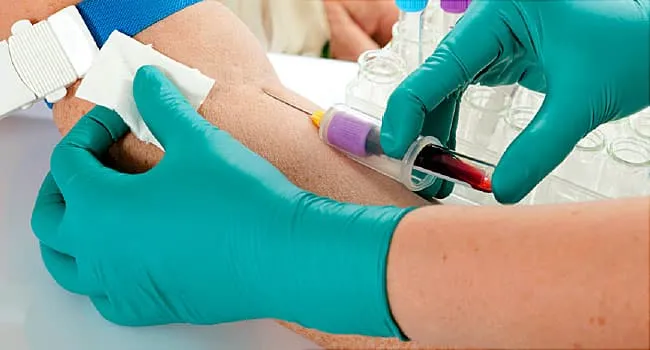
Blood tests are the main tools used to diagnose primary biliary cholangitis. Doctors are usually looking for two major clues: a cholestatic liver enzyme pattern and PBC-related antibodies.
Alkaline Phosphatase: The Big Clue
Alkaline phosphatase, or ALP, is one of the most important tests in the diagnostic workup. ALP is an enzyme found in several tissues, including the liver and bones. When bile ducts are injured or inflamed, ALP levels may rise.
In PBC, doctors often see a persistent elevation in ALP. This does not automatically prove PBC, because ALP can rise for other reasons. However, when high ALP appears along with PBC-specific antibodies, the diagnosis becomes much more likely.
Gamma-Glutamyl Transferase: A Helpful Supporting Test
Gamma-glutamyl transferase, or GGT, is another enzyme that can rise when bile ducts or liver cells are stressed. If ALP is high, GGT can help confirm that the ALP is likely coming from the liver or bile ducts rather than from bone. In other words, GGT helps doctors avoid chasing the wrong culprit.
Bilirubin, AST, ALT, and Albumin
A standard liver panel may also include bilirubin, AST, ALT, and albumin. Bilirubin can rise when bile flow is significantly impaired or when liver disease becomes more advanced. AST and ALT may be mildly elevated in PBC, though they are often more strongly associated with liver cell injury. Albumin can help show how well the liver is performing its protein-making duties.
Doctors may also check platelet count and blood clotting markers, because these can provide indirect information about liver function and possible scarring.
Antibody Tests: Looking for the PBC Signature
The most important antibody test for PBC is the antimitochondrial antibody, or AMA. A positive AMA test is strongly associated with primary biliary cholangitis. Many people with PBC have this antibody in their blood.
When a person has persistently elevated ALP and a positive AMA test, doctors can often diagnose PBC without needing a liver biopsy. That is a relief for many patients, because most people prefer a blood draw over a needle sample from the liver. Medical science: occasionally merciful.
What If AMA Is Negative?
A negative AMA test does not always rule out PBC. Some people have AMA-negative PBC. In those cases, doctors may order additional antibody tests, including PBC-specific antinuclear antibodies such as anti-gp210 and anti-sp100. These markers can support the diagnosis when AMA is absent but the liver test pattern still points toward PBC.
If antibody results are unclear, doctors may need to look more carefully for other causes of cholestasis, such as bile duct obstruction, medication-related liver injury, autoimmune hepatitis, primary sclerosing cholangitis, fatty liver disease, sarcoidosis, or viral hepatitis.
Imaging Tests: Ruling Out Blocked Bile Ducts
Imaging tests do not usually diagnose PBC by themselves. Instead, they help doctors rule out other problems that can cause similar blood test abnormalities. A common first imaging test is an abdominal ultrasound. Ultrasound can show whether the larger bile ducts are blocked, whether gallstones are present, and whether the liver or spleen appears enlarged.
If ultrasound results are unclear or if doctors suspect a problem in the larger bile ducts, they may order more detailed imaging such as magnetic resonance cholangiopancreatography, often called MRCP. MRCP is a specialized MRI test that gives a detailed view of the bile ducts.
This matters because PBC affects the small bile ducts inside the liver, while other conditions may affect larger ducts. Imaging helps doctors avoid mistaking one bile duct drama for another. The liver may be quiet, but its paperwork is complicated.
When Is a Liver Biopsy Needed?
A liver biopsy involves removing a small piece of liver tissue so it can be examined under a microscope. Years ago, biopsy was used more often to diagnose PBC. Today, many people do not need one if their blood test pattern is clear.
A liver biopsy may be recommended when:
- AMA and other PBC-specific antibodies are negative
- Doctors suspect autoimmune hepatitis overlap
- Another liver disease may be present at the same time
- Blood tests and imaging do not clearly explain the problem
- There is a need to assess liver inflammation or scarring more directly
On biopsy, PBC may show inflammation and damage around small bile ducts. The test can also help determine whether fibrosis, or scarring, has developed. However, because PBC can often be diagnosed with blood tests and imaging, biopsy is usually reserved for special situations.
The “Two Out of Three” Diagnostic Pattern
Many clinicians use a practical diagnostic framework for PBC. A diagnosis can often be made when at least two of the following three features are present:
- Evidence of cholestasis, usually shown by elevated alkaline phosphatase
- Positive antimitochondrial antibody or other PBC-specific autoantibodies
- Compatible liver biopsy findings, if biopsy is performed
This framework helps explain why a liver biopsy is not always necessary. If a patient has elevated ALP and a positive AMA test, the first two criteria may already be met. If the antibody tests are negative or the case is unusual, biopsy may help supply the missing piece.
Conditions Doctors May Need to Rule Out
Diagnosing primary biliary cholangitis also means ruling out other causes of abnormal liver tests. Several conditions can mimic parts of PBC, including:
- Gallstones or bile duct obstruction
- Primary sclerosing cholangitis
- Autoimmune hepatitis
- Drug-induced liver injury
- Viral hepatitis
- Fatty liver disease
- Alcohol-related liver disease
- Sarcoidosis or other inflammatory disorders
This is why doctors usually do not rely on one test alone. A single abnormal lab value is a clue, not a final verdict. Diagnosis works best when the full pattern makes sense.
What Happens After PBC Is Diagnosed?
Once primary biliary cholangitis is diagnosed, the next step is usually staging and monitoring. Doctors may order additional tests to understand how the liver is doing and whether there is any scarring. These may include elastography, which estimates liver stiffness, as well as repeat blood tests over time.
Doctors may also check fat-soluble vitamin levels, cholesterol, thyroid function, bone density, and symptoms such as itching or dryness. Because PBC can be associated with other autoimmune conditions, the diagnosis may open the door to a broader health review.
Treatment is a separate topic, but early diagnosis matters because therapies can help slow disease progression and reduce the risk of complications. In other words, catching PBC early gives the liver a better chance to stay boringand in medicine, “boring” is often excellent news.
Common Patient Questions About PBC Diagnosis
Can PBC Be Diagnosed from Symptoms Alone?
No. Symptoms can raise suspicion, but they are not specific enough to diagnose PBC. Fatigue and itching can happen for many reasons. Blood tests and antibody testing are essential.
Can You Have PBC with Normal Liver Tests?
Most people diagnosed with PBC have abnormal liver tests, especially elevated ALP. However, unusual cases exist, and doctors may monitor people with positive antibodies even if liver enzymes are not clearly abnormal. The overall clinical context matters.
Does a Positive AMA Always Mean PBC?
A positive AMA strongly suggests PBC when paired with cholestatic liver test abnormalities. However, antibody results must be interpreted with the full medical picture. A doctor may repeat tests, monitor trends, or check for other causes before confirming the diagnosis.
Is PBC the Same as Primary Sclerosing Cholangitis?
No. Primary biliary cholangitis and primary sclerosing cholangitis are different conditions. PBC usually affects small bile ducts inside the liver and is strongly associated with AMA. Primary sclerosing cholangitis often involves larger bile ducts and has a different diagnostic pattern, frequently involving specialized bile duct imaging.
Practical Experience: What the Diagnostic Journey May Feel Like
For many patients, the path to a PBC diagnosis begins with surprise. They may go in for a routine checkup, a medication review, a cholesterol test, or a general wellness visit and leave with the phrase “abnormal liver enzymes” echoing in their head like a mysterious movie trailer. The strange part is that they may not feel sick. That mismatch can be confusing. How can the liver be waving a tiny red flag when the rest of the body is still going to work, making dinner, and forgetting where the car keys are?
One common experience is waiting. A doctor may repeat liver tests to confirm that the abnormal results are persistent rather than temporary. This can feel frustrating, but it is often necessary. Liver enzymes can change because of medications, infections, supplements, alcohol, intense exercise, or short-term inflammation. Repeating the panel helps distinguish a one-time blip from a pattern that deserves deeper investigation.
Another common experience is learning a new vocabulary. ALP, GGT, AMA, bilirubin, cholestasis, autoimmune markerssuddenly the lab report looks like alphabet soup wearing a stethoscope. Patients often find it helpful to ask their doctor which test is most important and what trend they are watching. For PBC, ALP and AMA are often central to the conversation, but the whole panel matters.
Some people feel anxious when imaging is ordered. An ultrasound or MRCP may sound alarming, but these tests are often used to rule out other causes, such as gallstones or blocked bile ducts. In many cases, imaging is part of being thorough, not a sign that doctors expect the worst. It is the medical version of checking under the couch cushions before declaring the remote control lost forever.
Patients may also wonder whether they will need a liver biopsy. The answer is often no, especially when blood tests clearly support PBC. When biopsy is recommended, it is usually because the case has unusual features, antibodies are negative, or doctors suspect more than one liver condition. Knowing why the biopsy is being considered can make the process less intimidating.
Emotionally, a PBC diagnosis can bring mixed feelings. Some people feel relief because they finally have an explanation for fatigue or itching. Others feel scared because the word “liver” sounds seriousand it can be. But diagnosis is also a turning point. Once PBC is identified, doctors can monitor it, treat it, and watch for complications. The unknown becomes a plan.
A useful patient habit is keeping copies of lab results and tracking changes over time. Not every number needs to be memorized, but knowing whether ALP, bilirubin, and other markers are improving, stable, or rising can help patients participate in their care. It also makes follow-up visits more productive.
Finally, patients should feel comfortable asking direct questions: “What makes you think this is PBC?” “Do my results meet the diagnostic criteria?” “Are we ruling out blocked bile ducts?” “Do I need additional antibody testing?” “Is biopsy necessary in my case?” Clear answers can turn a scary diagnosis into a manageable roadmap.
Conclusion
Primary biliary cholangitis is usually diagnosed through a careful combination of blood tests, antibody testing, medical history, physical examination, and imaging. The key clues are persistent cholestatic liver enzyme changes, especially elevated alkaline phosphatase, and the presence of antimitochondrial antibodies or other PBC-specific antibodies. A liver biopsy may help when test results are unclear, but many people do not need one.
The most important takeaway is simple: PBC can be quiet, but routine blood work can catch it early. If liver tests are abnormal, especially in a pattern suggesting bile duct inflammation, follow-up matters. Early diagnosis gives patients and clinicians the best opportunity to monitor the disease, begin appropriate treatment, and protect long-term liver health.
Note: This article is for educational purposes only and should not replace medical advice, diagnosis, or treatment from a qualified healthcare professional. Anyone with abnormal liver tests, persistent itching, unexplained fatigue, jaundice, or concerns about primary biliary cholangitis should speak with a doctor or liver specialist.