

There are two kinds of dessert people in this world: the ones who say, “I’ll just have a bite,” and the ones who mysteriously end up holding three tiny sweets by the end of the night. The professional fluted dessert cup was clearly invented for both. It is elegant without trying too hard, practical without looking boring, and just dramatic enough to make pudding feel like it got a promotion.
Whether you run a bakery, cater weddings, manage a dessert station, or simply want your homemade mousse to look like it has a résumé, the professional fluted dessert cup is one of the smartest serving tools you can buy. It turns ordinary sweets into polished, portioned, photo-friendly desserts. Better yet, it helps with consistency, transport, presentation, and cleanup. In other words, it is the tiny overachiever of the dessert world.
This guide breaks down what a professional fluted dessert cup is, why it works so well, how to choose the right one, what desserts belong inside it, and how to make each serving look like it came from a catered event instead of a last-minute kitchen scramble.
What Is a Professional Fluted Dessert Cup?
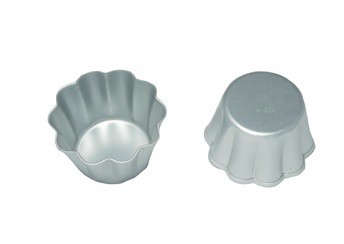
A professional fluted dessert cup is a small serving cup designed for individual desserts, usually with vertical ridges or a decorative fluted texture around the sides. That fluted shape is not just there to look fancy. It adds visual depth, helps the cup catch the light, and makes layered desserts appear more structured and upscale. It is the difference between “here is some pudding” and “welcome to our curated dessert experience.”
These cups are commonly used for parfaits, puddings, mousse, trifles, banana pudding, mini cheesecakes, fruit and cream desserts, tiramisu cups, and tasting portions. In professional settings, they are popular because they create a clean, individual presentation and make portion control much easier. In home entertaining, they are beloved because they make hosts look suspiciously organized.
Many professional fluted dessert cups are made from clear food-safe plastic, which allows the dessert itself to become part of the design. Layers of berries, whipped cream, custard, cookie crumbs, ganache, and sauce all become visible. The cup is not just a container. It is part of the presentation.
Why the Professional Fluted Dessert Cup Works So Well
1. It Instantly Elevates Presentation
The first job of a dessert is to be delicious. The second job is to make people say, “Wait, who made these?” A fluted dessert cup handles the second job beautifully. The ridged exterior adds texture and style without stealing attention from the food. Clear cups also create a jewel-box effect for layered desserts, making simple ingredients look polished and premium.
2. It Supports Portion Control
Large desserts are fun until someone is balancing an oversized plate of cheesecake while trying to mingle in formalwear. Individual cups solve that problem. A professional fluted dessert cup helps standardize serving size, making it useful for bakeries, catered events, restaurants, and party hosts who want consistency. Guests know exactly what they are getting, and the person serving dessert does not have to perform emergency math with a cake knife.
3. It Helps With Speed and Efficiency
Pre-portioned desserts save time during service. You can prepare them in advance, refrigerate them, transport them, and set them out when needed. That makes fluted dessert cups ideal for buffets, weddings, showers, tastings, dessert bars, and busy holiday gatherings. Fewer last-minute plating decisions mean fewer opportunities to panic next to the whipped cream can.
4. It Fits Modern Dessert Trends
Mini desserts are popular because they feel indulgent without being overwhelming. People enjoy variety, especially at parties. A guest may skip one giant slice of cake but happily sample a mousse cup, a berry parfait, and a mini tiramisu. The professional fluted dessert cup makes that kind of dessert grazing feel elegant rather than chaotic.
Best Desserts to Serve in a Professional Fluted Dessert Cup
Layered Parfaits
If the fluted dessert cup had a best friend, it would be the parfait. Yogurt parfaits, berry parfaits, granola and cream combinations, and chocolate layer desserts all benefit from the cup’s clear walls. Those layers create visual impact without extra decorating work. A spoon, some patience, and gravity do most of the heavy lifting.
Mousse and Whipped Desserts
Chocolate mousse, lemon mousse, espresso mousse, and fruit mousse are perfect choices because they pipe neatly, chill well, and look luxurious in small portions. Top them with shaved chocolate, citrus zest, crushed cookies, or fresh fruit for a high-end finish.
No-Bake Cheesecake Cups
No-bake cheesecake belongs in the dessert-cup hall of fame. A crumb base, a creamy center, and a fruit topping create a classic layered look that suits fluted cups beautifully. They are easy to make ahead, easy to store, and easy to serve. This is the type of dessert that quietly makes people assume you own a stand mixer and a life plan.
Banana Pudding and Trifle-Style Desserts
Banana pudding, berry trifles, cookies-and-cream cups, and pudding-based layered desserts all benefit from individual serving cups. The cup contains the layers, prevents messy scooping, and lets every serving look intentional.
Panna Cotta and Custard Desserts
For a more refined menu, panna cotta, pots de crème, and chilled custards also work well in a professional fluted dessert cup. Their smooth texture contrasts nicely with the structured lines of the cup, creating a dessert that feels both modern and classic.
How to Choose the Right Professional Fluted Dessert Cup
Choose the Right Size
Size matters here, but in a very civilized way. Small cups work well for tasting menus, dessert shooters, and rich sweets like mousse or tiramisu. Medium cups are ideal for parfaits and layered puddings. Larger cups suit fruit-forward desserts or more generous party portions. Think about the richness of the dessert, the event style, and whether guests will be sampling multiple sweets or just one.
Pay Attention to Material
Most professional dessert cups are made from clear plastic for durability, visibility, and convenience. A rigid cup feels more polished than a flimsy one. If transport matters, look for cups that are sturdy enough to resist bending when filled. A dessert should wobble because it is pudding, not because the container lost faith halfway to the buffet.
Consider Lids for Transport
If the desserts need to travel, lids are a major advantage. They protect toppings, improve stacking, reduce spills, and make advance prep more realistic. For caterers, bakers, and anyone bringing dessert to an event in the back seat of a car, a compatible lid can feel less like an accessory and more like emotional support equipment.
Look for Clarity and Shape
A cloudy cup hides your layers. A crystal-clear cup makes them part of the design. Since much of the appeal of a professional fluted dessert cup is visual, choose one with strong clarity and a shape that flatters your dessert. Straight sides, gently rounded bodies, or classic fluted silhouettes all create slightly different effects.
Think About Storage and Service
Stackability matters more than people realize. In commercial kitchens and busy homes, space disappears quickly. Cups that stack neatly are easier to store and quicker to organize. Stable bottoms are also important, especially for dessert bars where trays are moved or guests are carrying multiple items.
Styling Tips That Make Dessert Cups Look Truly Professional
Start with clean layers. Even rustic desserts look better when the sides of the cup stay neat. Spoon carefully or pipe fillings into place. Wipe smudges before chilling. A messy sidewall is the dessert equivalent of spinach in your teeth.
Use contrast. Pair light and dark layers, creamy and crunchy textures, or smooth fillings with fresh fruit. Contrast makes the dessert more interesting visually and physically. A cup with chocolate mousse, vanilla cream, and a cookie crumble looks far more dynamic than one long beige monologue.
Top each cup with one defined garnish. That could be a berry, a mint leaf, a chocolate curl, a dusting of cocoa, or a tiny cookie shard. Too many toppings make the cup look crowded. One strong finishing detail makes it look intentional.
Keep portions consistent. When all cups are filled to the same level, the dessert display looks polished and expensive. Consistency is one of the biggest visual differences between homemade-looking desserts and professional-looking ones.
Common Mistakes to Avoid
Overfilling the Cup
Yes, generosity is lovely. So is structural integrity. Leave a little room at the top, especially if you plan to add garnish or a lid. Overfilled cups often smear, spill, or lose their clean presentation.
Using Warm Fillings
Many dessert cups are best for chilled or room-temperature desserts rather than hot fillings. If a recipe needs cooling time, give it cooling time. Do not pour steaming pudding into a cup and hope optimism will do the rest.
Ignoring Texture Balance
A dessert cup that is all soft texture can taste flat, even if it is sweet enough. Add crunch with cookie crumbs, brittle, toasted nuts, wafer pieces, or granola where appropriate. Texture keeps each spoonful interesting.
Making the Garnish Too Big
Mini desserts should still be easy to eat. A giant strawberry balanced on a tiny cup may look impressive for six seconds, but it is not always practical. Garnishes should complement the portion, not challenge it to a duel.
Why Businesses and Hosts Love Professional Fluted Dessert Cups
For bakeries and caterers, these cups create repeatable results. Staff can prep ahead, portion efficiently, and present desserts that look upscale without extensive plating. For restaurants, they support dessert samplers, banquet service, and grab-and-go chilled sweets. For party hosts, they reduce slicing, scooping, and post-event cleanup.
There is also a psychological advantage. Guests often perceive individual desserts as more thoughtful, more sanitary, and more premium. A tray of fluted dessert cups suggests planning and attention to detail. It says, “We considered your dessert experience,” even if the host was assembling them at 11:30 p.m. while wearing unmatched socks.
Real-World Experiences With the Professional Fluted Dessert Cup
One of the most interesting things about the professional fluted dessert cup is how often it saves the day in situations where traditional plated desserts become a headache. At a large baby shower, for example, slices of cake can turn into a traffic jam. Someone has to cut them, plate them, pass them around, and then rescue the frosting casualties. Individual fluted dessert cups change the whole rhythm. Guests grab one, smile, and keep moving. The dessert table stays neat longer, and the host gets to enjoy the party instead of becoming a full-time cake dispatcher.
At catered events, these cups shine because they solve several problems at once. They create elegant presentation, keep portions uniform, and make advance prep much easier. A caterer can line trays with mousse cups or layered cheesecake cups hours before service, chill them, add finishing garnish, and send them out with far less last-minute stress. That reliability matters. In professional food service, “pretty” is great, but “pretty and predictable” is even better.
They are also incredibly forgiving for home cooks who want professional-looking results without advanced pastry skills. A person may not know how to frost a flawless layer cake, but they can absolutely build a gorgeous dessert cup with brownie crumbs, whipped cream, chocolate pudding, and a few raspberries. The fluted design adds built-in elegance, so even simple ingredients seem upgraded. It is one of those rare kitchen tools that makes effort look bigger than it actually was.
Another real advantage shows up during transport. Anyone who has ever driven with a full-size trifle in the passenger seat knows the unique anxiety of every red light. Individual cups reduce that drama. When paired with lids and packed upright, they are easier to move, easier to store, and easier to hand out. They also make leftovers simple. Instead of dealing with one giant dessert container, people can take home a single cup that feels complete and giftable.
Then there is the visual effect. On a dessert bar, a row of identical fluted cups creates order and luxury. The table looks curated rather than random. The desserts photograph well, which matters more than ever for events, catering portfolios, bakery marketing, and social media. In many cases, the cup itself helps sell the dessert before the first spoonful happens.
Perhaps the best experience of all is the reaction people have when they pick one up. There is something about an individual dessert in a well-shaped cup that feels celebratory. It feels intentional. It feels like a treat. And that is exactly why the professional fluted dessert cup continues to earn its place in bakeries, catering kitchens, restaurant dessert programs, and home parties alike. It is small, stylish, efficient, and unexpectedly powerful. Not bad for a cup that mostly just stands there looking pretty.
Conclusion
The professional fluted dessert cup proves that small presentation choices can make a big difference. It helps desserts look cleaner, travel better, serve faster, and feel more polished. From parfaits and mousse to banana pudding and no-bake cheesecake, these cups turn familiar sweets into individual desserts with real event appeal. If you want a serving solution that balances style, function, and convenience, this is one of the easiest upgrades you can make. Tiny cup, big impact, very little drama. That is a dessert tool worth keeping around.