

Hair loss has a special talent for turning a normal Tuesday into a full-scale bathroom investigation. One minute you are brushing your hair; the next, you are staring at the sink like it just betrayed you. That is why natural remedies such as pumpkin oil for hair have become so popular. They sound simple, affordable, and pleasantly less dramatic than panic-buying every “miracle growth” bottle on the internet.
But can pumpkin seed oil actually treat hair loss? The honest answer is: it may help some people, especially those dealing with mild to moderate pattern hair loss, but it is not a magic fertilizer for the scalp. The evidence is promising, not perfect. Pumpkin seed oil contains fatty acids, antioxidants, phytosterols, and other plant compounds that may support scalp health and possibly influence hormones involved in androgenetic alopecia, also known as male or female pattern hair loss.
To understand where pumpkin oil fits, we need to separate hope from hype. A shiny bottle with a green-gold glow can look very convincing, but hair follicles prefer evidence over marketing poetry. Let’s look at what pumpkin seed oil is, how it may work, what studies suggest, how to use it safely, and when it is smarter to call a dermatologist than to keep massaging oil into your scalp like you are seasoning a cast-iron skillet.
What Is Pumpkin Seed Oil?
Pumpkin seed oil is an oil pressed from pumpkin seeds, usually from varieties of Cucurbita pepo. It is commonly used as a culinary oil, supplement ingredient, and cosmetic oil. High-quality pumpkin seed oil is often dark green or reddish-green, with a nutty smell that may remind you of autumn snacks rather than a medical treatment.
For hair care, pumpkin seed oil is used in two main ways: orally as a supplement and topically as a scalp oil. These two methods are not the same. Taking a capsule means the oil is processed through digestion and affects the body systemically. Applying it to the scalp means it works mainly on the skin surface and hair shaft, though some compounds may interact locally with the scalp environment.
The oil contains linoleic acid, oleic acid, vitamin E compounds, carotenoids, and phytosterols. These nutrients are often associated with skin barrier support, antioxidant activity, and inflammation balance. That does not automatically mean it regrows hair, but it gives researchers a reasonable reason to study it.
Why People Use Pumpkin Oil for Hair Loss
The main reason pumpkin oil gets attention is its possible connection to dihydrotestosterone, better known as DHT. DHT is an androgen hormone linked to pattern hair loss in genetically sensitive follicles. In androgenetic alopecia, follicles slowly miniaturize. In plain English, the hairs become thinner, shorter, and less enthusiastic about showing up for work.
Some researchers believe compounds in pumpkin seed oil may mildly inhibit 5-alpha reductase, the enzyme that helps convert testosterone into DHT. This is the same general hormone pathway targeted by finasteride, a prescription medication used for male pattern hair loss. However, that does not mean pumpkin oil is “natural finasteride.” The strength, consistency, and clinical proof are very different.
Pumpkin seed oil may also help by supporting scalp comfort. A healthy scalp is not the same as guaranteed regrowth, but it matters. Dryness, irritation, harsh styling, and inflammation can make shedding feel worse or make the hair you still have look dull and fragile. Pumpkin oil can add slip, reduce friction, and help seal moisture along the hair shaft, which may improve the look and feel of hair even when it does not change the root cause of hair loss.
What Does the Research Say?
The 2014 Study in Men
The most quoted study on pumpkin oil for hair growth looked at men with mild to moderate androgenetic alopecia. Participants took 400 mg of pumpkin seed oil daily for 24 weeks, while another group took a placebo. At the end of the study, the pumpkin seed oil group had a larger increase in hair count than the placebo group.
That sounds exciting, and it is certainly interesting. Still, the study had limitations. It was relatively small, focused on men, and used a supplement product rather than simply rubbing grocery-store oil on the scalp. The results suggest potential, but they do not prove that pumpkin seed oil works for every person, every type of hair loss, or every product on the shelf.
The 2021 Study in Women
A later study compared topical pumpkin seed oil with 5% minoxidil foam in women with female pattern hair loss. Both groups showed improvement in certain hair-growth measures, but minoxidil remains the better-established treatment. This matters because minoxidil has far more clinical history behind it and is commonly recommended by dermatologists for pattern hair loss.
The takeaway is not that pumpkin oil beats minoxidil. It does not have enough evidence to claim that. A more balanced conclusion is that topical pumpkin seed oil may be a useful supportive option for some people, particularly those who prefer a gentler cosmetic oil, but it should not be presented as a replacement for proven treatments when hair loss is progressing.
Can Pumpkin Seed Oil Treat All Types of Hair Loss?
No. This is where many natural-hair-growth articles get a little too enthusiastic and start tap dancing around reality. Hair loss has many causes, and a single oil cannot treat all of them.
Pumpkin seed oil may be most relevant to androgenetic alopecia, the gradual thinning pattern influenced by genetics and hormones. In men, this often appears as a receding hairline or thinning crown. In women, it often appears as a widening part or thinning through the top of the scalp.
But hair loss can also come from thyroid disease, iron deficiency, major stress, childbirth, medications, autoimmune conditions, scalp infections, tight hairstyles, harsh chemical treatments, or nutritional problems. If the cause is ringworm, for example, pumpkin oil is not the hero. If the cause is traction from tight braids or ponytails, the first step is reducing tension. If the cause is a medical condition, the correct treatment starts with diagnosis.
Pumpkin Seed Oil vs. Minoxidil: Which Is Better?
Minoxidil is the more proven option. It is widely used for male and female pattern hair loss and is available over the counter in foam and liquid forms. It can help slow shedding and support regrowth, but it requires consistent use. Results usually take months, not days. If minoxidil works, stopping it typically means the benefits fade over time.
Pumpkin seed oil has a gentler image and may appeal to people who want a natural hair oil or supplement. It may support the scalp, reduce dryness, and possibly help with mild pattern thinning. But the research base is much smaller. Think of minoxidil as the experienced employee with a long resume. Pumpkin seed oil is the promising new intern who has potential but should not be promoted to CEO after one good meeting.
How to Use Pumpkin Oil for Hair
Topical Use
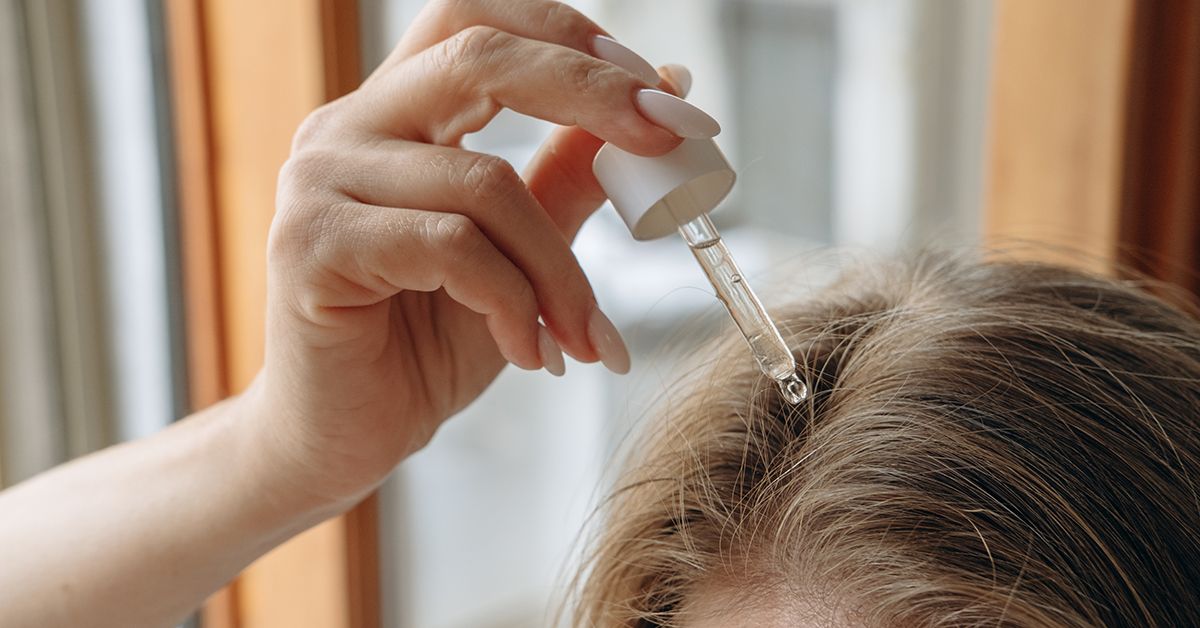
To use pumpkin seed oil on the scalp, start small. Apply a few drops to a small area first to check for irritation. If your skin tolerates it, massage a light amount into the scalp once or twice a week. Leave it on for 30 minutes to a few hours, then wash as needed. People with very dry scalps may prefer leaving a tiny amount overnight, but heavy oil can make fine hair look flat, greasy, or like it has joined a 1950s rock band.
For the hair shaft, pumpkin seed oil can be used sparingly on the ends to reduce dryness and add shine. Use less than you think you need. Hair oil obeys the law of surprise: one drop looks elegant, five drops look like you lost a fight with salad dressing.
Oral Supplements
Some people take pumpkin seed oil capsules. The male hair-growth study used 400 mg daily, but that does not mean this dose is ideal for everyone. Supplements can vary widely in quality, concentration, and purity. People who are pregnant, nursing, taking medications, managing hormone-sensitive conditions, or dealing with chronic illness should talk with a healthcare professional before using supplements.
Choose products from reputable brands that use third-party testing when possible. Avoid products that promise overnight regrowth, permanent baldness reversal, or “DHT blocking” results that sound suspiciously like a superhero origin story. Hair regrowth is slow biology, not a lightning strike.
Possible Benefits of Pumpkin Oil for Hair
1. May Support Mild Pattern Hair Loss
The strongest reason people discuss pumpkin seed oil is its possible role in androgenetic alopecia. Research suggests it may improve hair count in some people with pattern thinning, though more studies are needed. It may be best viewed as a supportive option rather than a primary treatment for advanced hair loss.
2. Helps Condition Dry Hair
Even if pumpkin seed oil does not regrow hair for everyone, it can still improve hair feel. Oils can reduce friction, add shine, and make dry ends look smoother. This is especially useful for curly, coarse, color-treated, or heat-styled hair that tends to lose moisture quickly.
3. May Support Scalp Barrier Health
Fatty acids and antioxidants in pumpkin seed oil may help maintain a more comfortable scalp barrier. A calm scalp is important because irritation can make hair care harder and may contribute to breakage from scratching or over-washing.
4. Easy to Add to a Hair Routine
Compared with complicated treatments, pumpkin oil is easy to use. It can be massaged into the scalp, mixed with a conditioner, added to a pre-shampoo routine, or taken as a capsule after medical approval. That simplicity is part of its appeal.
Possible Side Effects and Safety Tips
Pumpkin seed oil is generally well tolerated by many people, but “natural” does not mean “impossible to irritate your scalp.” Topical use may cause itching, redness, clogged follicles, or contact irritation in sensitive people. Always patch test before using it widely.
Oral supplements may cause stomach discomfort in some users. They may also interact with medications or be inappropriate for certain medical situations. Because supplements are not regulated like prescription drugs, quality can vary. Look for clear labeling, realistic claims, and third-party testing.
Avoid applying pumpkin oil to broken, infected, or inflamed skin unless a healthcare professional says it is okay. If your scalp has scaling, pain, oozing, severe dandruff, sudden bald patches, or burning, skip the home experiment and get evaluated.
Who Might Benefit Most?
Pumpkin seed oil may be worth considering for people with early-stage pattern thinning, dry hair, or a sensitive scalp that dislikes harsher products. It may also be useful for people who want a cosmetic oil that improves shine and softness while possibly offering scalp-supporting compounds.
It is less likely to help people with long-standing bald areas where follicles are no longer active. Once follicles are permanently lost or scarred, oils cannot bring them back. In those cases, medical treatments, hair transplantation, or cosmetic approaches may be more realistic.
When to See a Dermatologist
See a dermatologist if hair loss is sudden, patchy, painful, itchy, rapidly worsening, or accompanied by redness, scaling, or scalp sores. You should also seek help if you are shedding much more than usual, losing hair from other areas of the body, or feeling distressed by ongoing thinning.
Dermatologists can check for pattern hair loss, alopecia areata, telogen effluvium, scalp infection, traction alopecia, nutritional deficiencies, thyroid issues, and medication-related shedding. That diagnosis matters. Treating hair loss without knowing the cause is like trying to fix a car by polishing the windshield. Shiny? Yes. Solved? Not necessarily.
How Long Does Pumpkin Oil Take to Work?
Hair grows slowly, so patience is non-negotiable. If pumpkin seed oil helps, visible changes may take three to six months. Most hair treatments require consistent use before results can be judged. Taking weekly photos in the same lighting can be more useful than checking the mirror every morning and accusing your hairline of bad behavior.
Watch for realistic signs: less shedding, improved hair texture, a fuller-looking part, or small new hairs in thinning areas. But also remember that seasonal shedding, stress, illness, and styling changes can affect what you see. If things continue getting worse after several months, do not keep guessing. Get a professional opinion.
Best Ways to Add Pumpkin Oil to a Hair-Care Routine
Pre-Shampoo Scalp Massage
Apply a small amount to the scalp, massage gently for two to five minutes, and wash out after 30 to 60 minutes. This can help loosen dryness and make the scalp feel more comfortable.
Conditioner Booster
Add one or two drops to your conditioner in your palm before applying it to the mid-lengths and ends. Avoid applying too much near the roots if your hair gets oily quickly.
Overnight End Treatment
For very dry ends, rub one drop between your palms and smooth it over the last few inches of hair before bed. Protect your pillowcase unless you enjoy explaining mysterious oil shadows to future laundry day.
Supplement Routine
If using capsules, follow the product label and ask a healthcare professional whether it fits your health situation. Do not combine multiple hair-growth supplements without guidance, especially if they contain overlapping vitamins or hormone-related ingredients.
Common Myths About Pumpkin Oil for Hair
Myth 1: Pumpkin Oil Regrows Hair Overnight
No hair treatment works overnight. Hair growth is measured in months. Anyone promising dramatic results in seven days is probably selling confidence in a bottle, not biology.
Myth 2: More Oil Means More Growth
Your scalp does not need to be drenched. Too much oil can clog pores, attract buildup, and make washing harder. A small amount used consistently is better than turning your head into a pumpkin-spiced slip-and-slide.
Myth 3: Natural Treatments Have No Side Effects
Natural ingredients can still trigger allergies or irritation. Essential oils, plant extracts, and carrier oils all deserve patch testing. Your scalp gets a vote.
Myth 4: Pumpkin Oil Replaces Medical Treatment
For some people, pumpkin oil may be a helpful add-on. But if you have progressive pattern hair loss, minoxidil, finasteride, spironolactone, platelet-rich plasma, laser devices, or other dermatologist-guided treatments may be more appropriate. The right choice depends on your diagnosis, sex, age, health history, and goals.
Real-Life Experience: What It Is Like to Try Pumpkin Oil for Hair
Many people who try pumpkin oil for hair do not begin with dramatic baldness. More often, they notice subtle changes: a widening part, extra strands in the shower, a ponytail that feels thinner, or a hairline that seems to be quietly moving out without signing a lease. That is usually when the search begins. Pumpkin seed oil appears attractive because it feels low-pressure. It is not a prescription. It does not require a complicated device. It sounds wholesome, like something your health-conscious aunt would recommend while handing you a salad with suspicious enthusiasm.
The first experience is often sensory. Pumpkin seed oil is thicker than some lightweight hair oils, and the smell can be nutty or earthy. On coarse or dry hair, it may feel comforting and smoothing. On fine hair, it can feel heavy if too much is used. A common beginner mistake is applying it like a deep conditioner from root to tip, then discovering that shampoo has entered a wrestling match. The better approach is careful dosing: a few drops for the scalp, one drop for the ends, and restraint worthy of a professional pastry chef measuring vanilla extract.
People using it as a pre-shampoo treatment often report that their scalp feels less dry and their hair looks shinier after washing. That improvement can happen quickly because conditioning effects are cosmetic. Softer hair is not the same as new growth, but it still matters. Hair that is less dry may break less easily, which can make overall density look better. Sometimes what people call “hair loss” is partly breakage, especially if they frequently bleach, straighten, curl, brush aggressively, or wear tight styles.
The hair-growth side requires more patience. A person trying pumpkin oil for thinning should think in terms of months. A useful routine might include photos once every two weeks, taken in the same room, with the same lighting, and the hair parted the same way. This reduces the emotional roller coaster of mirror-checking. Bathroom lighting can be cruel, especially overhead lighting, which seems designed by someone with a personal grudge against confidence.
Some users combine pumpkin seed oil with proven treatments such as minoxidil. In that case, timing matters. Minoxidil should be applied to a clean, dry scalp and allowed to absorb properly. Heavy oils layered too soon may interfere with comfort or make the scalp greasy. A practical routine might use minoxidil as directed and reserve pumpkin oil for a separate wash-day massage. Anyone combining products should avoid irritating the scalp, because an angry scalp can make consistency difficult.
Oral pumpkin seed oil capsules feel easier for some people because there is no greasy cleanup. But supplements require more caution. A capsule is still something you put into your body, not a casual beauty accessory. People should check labels, avoid mega-dose formulas, and discuss supplements with a healthcare professional if they take medications or have medical conditions. The goal is healthier hair, not a surprise side quest involving stomach upset or product interactions.
The most realistic experience is this: pumpkin oil may improve hair softness, shine, scalp comfort, and possibly mild thinning over time. It probably will not reverse advanced baldness, fix sudden shedding from illness, cure autoimmune hair loss, or solve a nutritional deficiency by itself. The best results usually come from matching the treatment to the cause. Pumpkin seed oil can be part of a thoughtful routine, but it should not be the entire strategy if hair loss is significant or worsening.
In the end, trying pumpkin oil is like inviting a helpful guest into your hair-care routine. It may bring snacks, calm the room, and make things look better. But if the house is flooding, you still need a plumber. For hair loss, that plumber is usually a dermatologist.
Conclusion: Should You Try Pumpkin Oil for Hair Loss?
Pumpkin oil for hair is one of the more interesting natural options for hair loss because it has some clinical research behind it, especially for mild to moderate pattern thinning. It may support scalp health, condition dry hair, and potentially help some people improve hair density over time. However, the evidence is still limited compared with proven treatments like minoxidil, and pumpkin seed oil should not be marketed as a guaranteed cure.
If your hair loss is mild, gradual, and consistent with pattern thinning, pumpkin seed oil may be worth discussing with a healthcare professional as part of a broader routine. If your hair loss is sudden, patchy, painful, itchy, or emotionally distressing, get evaluated. Hair loss can feel personal, but it is also medical, and the right diagnosis can save you months of guessing.
The bottom line: pumpkin seed oil may help support healthier-looking hair and may have potential for certain types of hair loss, but it works best when expectations are realistic. Use it gently, track results patiently, and do not let a pretty bottle replace professional care when your scalp is clearly asking for backup.