

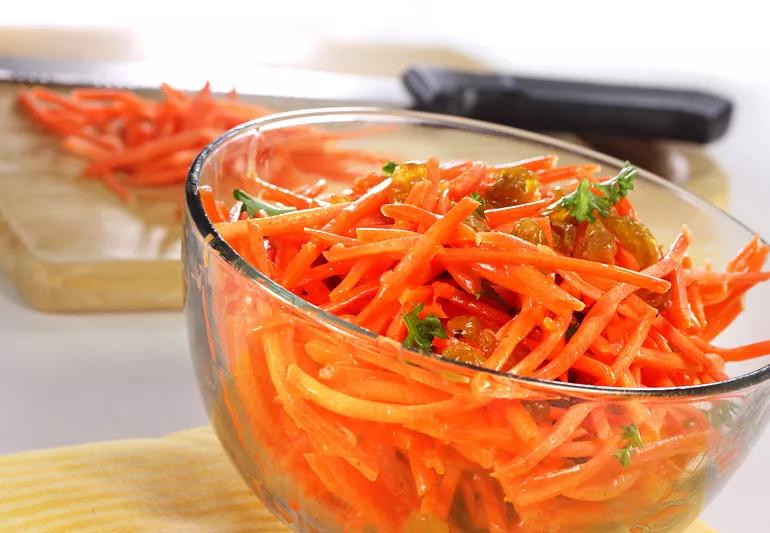
If your usual salad routine has started to feel like a sad little apology on the side of the plate, this carrot slaw with peanut ginger sauce is here to rescue dinner. It is bright, crunchy, creamy, tangy, a little sweet, and just spicy enough to keep things interesting without setting your mouth on fire. In other words, it is the kind of dish that disappears fast at potlucks and makes people ask, “Wait, who made this?” in a tone usually reserved for magic tricks and unexpected tax refunds.
This recipe takes a humble bag of carrots and gives it a full glow-up. Instead of drowning the vegetables in a heavy dressing, the peanut ginger sauce lightly coats every ribbon and shred, so you get flavor in every bite without losing that fresh snap. It works beautifully as a side dish, a meal-prep lunch base, or the crunchy thing you pile next to grilled chicken, salmon, tofu, or noodles when your dinner needs more personality.
Below, you will find the full recipe, smart ingredient swaps, texture tips, make-ahead advice, and a few serving ideas that make this slaw pull double duty all week long. Yes, carrots are the star. No, this is not rabbit food.
Why This Carrot Slaw Works So Well
A good slaw lives or dies by texture. This one wins because it gives you a lot of contrast in one bowl: crisp carrots, creamy peanut dressing, fragrant fresh ginger, bright lime, salty soy sauce, and a little crunch from roasted peanuts. The balance matters. Too much peanut butter and the sauce gets heavy. Too much acid and your face folds into a lemon. Too much sweetener and suddenly you have dessert wearing a vegetable costume.
This recipe keeps everything in check. The carrots stay front and center, while the ginger peanut dressing acts more like a hype person than a spotlight hog. Fresh herbs bring lift, green onions add a mild bite, and optional cabbage gives the slaw more body if you want a fuller bowl. The result tastes refreshing, but it still feels satisfying.
Ingredients for Carrot Slaw with Peanut Ginger Sauce
For the Slaw
- 6 large carrots, peeled and shredded or julienned
- 2 cups thinly shredded purple or green cabbage
- 4 green onions, thinly sliced
- 1/2 cup chopped fresh cilantro
- 1/4 cup chopped fresh mint
- 1/3 cup roasted peanuts, roughly chopped
- 1 small cucumber, cut into thin matchsticks (optional)
- 1 teaspoon kosher salt, if you want to lightly season the vegetables before dressing
For the Peanut Ginger Sauce
- 1/3 cup creamy peanut butter
- 2 tablespoons fresh lime juice
- 2 tablespoons rice vinegar
- 1 1/2 tablespoons low-sodium soy sauce
- 1 tablespoon honey or maple syrup
- 1 tablespoon toasted sesame oil
- 1 tablespoon freshly grated ginger
- 1 small garlic clove, grated
- 2 to 4 tablespoons warm water, as needed to loosen
- 1 teaspoon sriracha or chili garlic sauce, optional
Ingredient tip: Shredded carrots from the store are convenient, but freshly shredded carrots have better texture and a sweeter flavor. If you have five extra minutes and a box grater, use them. Your slaw will thank you silently but sincerely.
How to Make Carrot Slaw with Peanut Ginger Sauce
Step 1: Prep the vegetables
Peel the carrots and shred them using a box grater, food processor, or julienne peeler. Thin strands work best because they catch the dressing instead of wearing it like a raincoat. Add the carrots to a large bowl with the cabbage, green onions, cucumber if using, cilantro, and mint.
Step 2: Mix the peanut ginger sauce
In a medium bowl, whisk together the peanut butter, lime juice, rice vinegar, soy sauce, honey, sesame oil, ginger, garlic, and sriracha if using. Add warm water one tablespoon at a time until the sauce becomes smooth, pourable, and glossy. You want it thick enough to cling to the vegetables, but loose enough to toss easily. Think “luxurious dressing,” not “spackle.”
Step 3: Toss and taste
Pour about three-quarters of the dressing over the slaw and toss well. Let it sit for 5 to 10 minutes, then taste. Add more dressing if needed. Top with chopped peanuts and a few extra herbs before serving.
Step 4: Serve it cold or slightly chilled
This slaw is best served fresh, when the vegetables are still crisp and the sauce tastes lively. That said, it also holds up surprisingly well for a couple of hours, which makes it a solid choice for parties, lunches, and meal prep.
Best Tips for Crunchy, Flavorful Slaw
If you want your carrot slaw recipe to taste restaurant-level instead of “I made this while answering emails,” a few small details make a big difference.
Use warm water in the dressing
Warm water helps peanut butter loosen smoothly, so you get a silky sauce instead of a stubborn clump situation. Add it gradually. The dressing should flow, not flop.
Do not overdress the vegetables
Start with less dressing than you think you need. Carrots release a little moisture as they sit, so the slaw gets juicier over time. You can always add more, but you cannot reverse a soggy salad tragedy.
Cut the vegetables finely
Thin shreds and ribbons make the whole slaw easier to eat and help every bite get some sauce, herbs, and crunch. Nobody wants to wrestle a giant carrot plank at lunch.
Save the peanuts for the end
Adding roasted peanuts just before serving keeps them crisp. Add them too early and they lose that satisfying bite.
Let it rest briefly
Five to ten minutes after tossing gives the flavors time to settle in. The dressing softens the vegetables just slightly, which makes the slaw more cohesive without stealing its crunch.
Easy Variations to Try
Add protein
Turn this side dish into a full meal by topping it with grilled chicken, shrimp, tofu, tempeh, or shredded rotisserie chicken. The peanut ginger flavor plays nicely with all of them.
Make it more colorful
Add red bell pepper, edamame, purple cabbage, or thin-sliced snap peas for more color and crunch. This is a great fridge-cleanout recipe in the best possible way.
Use almond or sunflower butter
If peanuts are not your thing, swap in almond butter or sunflower seed butter. The flavor shifts a bit, but the creamy texture still works beautifully.
Make it gluten-free
Use tamari or coconut aminos instead of soy sauce. Check your chili sauce too, just to be safe.
Turn it into noodle salad
Toss the slaw with chilled rice noodles or soba for a heartier lunch. The sauce doubles as a noodle dressing, which is the culinary version of getting bonus points for showing up.
What to Serve with Carrot Slaw
This Asian-inspired carrot slaw is flexible enough to go with all kinds of meals. Serve it with grilled chicken thighs, baked salmon, burgers, lettuce wraps, satay, roasted tofu, or even simple rice bowls. It also works as a topping for tacos and wraps when you want crunch without another mayo-based slaw.
For a quick summer dinner, pair it with grilled skewers and watermelon. For lunch, stuff it into a wrap with sliced chicken and avocado. For potlucks, bring it in a big bowl and prepare to answer the recipe question at least three times.
How to Store and Make It Ahead
If you are meal prepping, keep the slaw base and the peanut ginger sauce separate until close to serving time. Stored this way, the vegetables stay crisp and the dressing keeps its creamy texture. Once dressed, the slaw is best within a day, but leftovers still taste good for up to 2 days in the refrigerator.
If the sauce thickens in the fridge, stir in a splash of warm water or lime juice before using. If the slaw releases extra liquid after sitting, just toss it again and add a small handful of peanuts to wake up the texture.
Common Mistakes to Avoid
- Using too much dressing: It should coat the vegetables, not drown them.
- Skipping acid: Lime juice and rice vinegar brighten the peanut butter and keep the sauce from tasting flat.
- Using dry powdered ginger: Fresh ginger gives the dressing its punchy, aromatic flavor.
- Adding herbs too early: Fresh mint and cilantro are best when added near serving time.
- Forgetting texture: The chopped peanuts are not garnish filler. They are a key part of the whole experience.
Frequently Asked Questions
Can I make carrot slaw ahead of time?
Yes. Prep the vegetables and dressing separately, then combine them shortly before serving for the best texture.
Can I use bagged shredded carrots?
Absolutely. They are convenient and work well, though freshly shredded carrots are usually a little more tender and flavorful.
Is peanut ginger sauce spicy?
Not necessarily. The base recipe is flavorful and balanced. Add sriracha or chili garlic sauce only if you want heat.
Can I make this vegan?
Yes. Use maple syrup instead of honey and make sure your other ingredients are vegan-friendly.
What makes this different from regular coleslaw?
Traditional coleslaw often relies on a creamy mayonnaise dressing. This version uses a bold, savory-sweet peanut sauce with ginger and lime, giving it a lighter feel and a more vibrant flavor profile.
Recipe Recap
Carrot slaw with peanut ginger sauce is the kind of recipe that earns a permanent spot in your rotation because it solves several problems at once. It is fast, affordable, colorful, packed with texture, and easy to customize. It tastes fresh enough for summer, but it is sturdy enough for meal prep and potlucks. It can be a side dish, a lunch, or the crunchy backbone of a rice bowl.
Most importantly, it is genuinely delicious. The carrots bring sweetness, the ginger adds zip, the lime keeps everything bright, and the peanut sauce ties it all together like the world’s tastiest peace treaty. Make it once, and there is a very real chance you will start buying extra carrots on purpose.
Extra Kitchen Experience: What This Recipe Feels Like in Real Life
There is a certain kind of recipe that looks nice on paper but turns into a mild disappointment in the kitchen. You know the type. The photo is gorgeous, the ingredients sound promising, and then somehow the final result tastes like a compromise. This is not that recipe. Carrot slaw with peanut ginger sauce is one of those rare dishes that actually behaves well in real life.
The first time you make it, the biggest surprise is usually how much flavor comes from such basic ingredients. Carrots are not exactly known for drama. They are dependable. Pleasant. The beige sedan of the produce drawer. But once shredded and tossed with a bold peanut ginger sauce, they wake up in a hurry. Suddenly they are bright, crunchy, punchy, and impossible to ignore. It is like watching the quiet kid in class absolutely destroy karaoke night.
Another nice thing about this recipe is that it rewards imperfect cooking. Your carrot shreds do not need to be identical. Your herb measurements do not need to be precise enough for a laboratory. Even the dressing is flexible. Want it tangier? Add more lime. Want it sweeter? A touch more honey. Want it spicier? A little sriracha and now we are having a conversation. It is the kind of recipe that teaches confidence because it is forgiving without being boring.
From a practical standpoint, this slaw also solves the “what else should I serve with this?” problem. It slides into weekday meals with suspicious ease. Grilled chicken? Great. Leftover salmon? Excellent. Store-bought rotisserie chicken you are pretending was your plan all along? Perfect. It also works for people who meal prep because it can be packed into containers, paired with rice or noodles, and eaten cold without feeling like a sad desk lunch.
And then there is the texture factor, which honestly may be the reason people keep coming back for more. A lot of side dishes fade into the background. This one crunches. The carrots stay snappy, the peanuts add bite, the herbs keep everything lively, and the dressing clings in a way that feels generous but not heavy. It is refreshing while still being satisfying, which is a culinary sweet spot that deserves more applause.
There is also something cheerful about serving such a colorful dish. A giant bowl of orange carrots, green herbs, and golden peanut dressing looks like it has its life together. It brightens a picnic table, wakes up a weeknight dinner, and makes a buffet spread seem more interesting. Even guests who claim they are “not really salad people” tend to poke at it, try a forkful, and then quietly become salad people for at least one evening.
So yes, this recipe is about flavor, but it is also about usefulness. It is the kind of dish you remember when the weather gets warm, when you need a quick side, when you are bringing something to a gathering, or when you simply need proof that vegetables can be exciting without being fussy. It is crunchy, creamy, bright, flexible, and weirdly dependable. Not bad for a bowl of carrots.