

Note: This article is written for web publication and is based on publicly available information about Abitare’s Brooklyn sale, Brooklyn Heights shopping culture, design retail, and practical home-goods buying advice. Because boutique sales and store availability can change, readers should verify current hours, inventory, and return policies before making a purchase.
A Brooklyn Sale With Design-World Energy
There are ordinary sales, and then there are Brooklyn home-design salesthe kind where a person walks in “just to browse” and walks out emotionally attached to a tray, a throw blanket, and possibly a tiny object whose purpose is unclear but whose charm is legally binding. “Shopper’s Diary: Abitare Sale in Brooklyn” captures exactly that feeling: the thrill of finding well-designed home pieces in a neighborhood where brownstones, tree-lined streets, and independent shops make even a quick errand feel like a lifestyle decision.
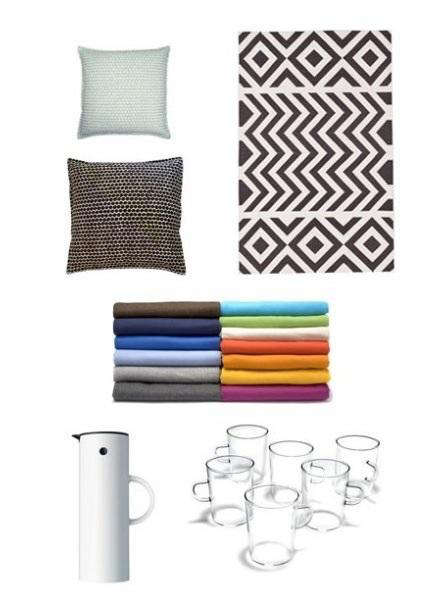
Abitare, once located at 309 Henry Street in Brooklyn Heights, was known as a home decor and gift shop with a curated eye for design-forward objects. A notable Abitare sale featured 20 percent off selected Alessi and John Derian items, along with baby alpaca throws reduced from $295 to $225 and wood veneer trays marked down from $60 to $40. In plain shopper language: this was not a “random bin of lonely candleholders” sale. It was a chance to buy pieces with real design pedigree at prices that made the wallet sigh with cautious optimism.
The appeal of this sale was not only the discount. It was the setting, the merchandise, and the very Brooklyn pleasure of discovering something useful, beautiful, and slightly conversation-starting. Abitare’s selection leaned toward the kind of items that improve a room without shouting, “I watched one design show and made it my personality.” A tray could become a coffee table anchor. A throw could rescue a plain sofa. A John Derian piece could make a wall, shelf, or bedside table feel collected rather than decorated.
Why Abitare Fit So Naturally Into Brooklyn Heights
Brooklyn Heights is not a neighborhood that needs to raise its voice. It has quiet confidence: historic brownstones, elegant streets, old churches, hidden gardens, and the Brooklyn Heights Promenade waiting nearby with postcard views of Manhattan. It became New York City’s first historic district in 1965 and remains one of Brooklyn’s most walkable, atmospheric areas. Shopping here is rarely about racing through fluorescent aisles. It is slower, more tactile, and more personal.
That context matters. A shop like Abitare made sense on Henry Street because the neighborhood rewards careful looking. Brooklyn Heights interiors often balance old architecture with modern living: carved moldings beside minimalist lamps, worn wood floors under contemporary rugs, antique side tables holding sculptural kitchenware. The best home stores in this kind of neighborhood do not simply sell things; they help shoppers imagine how new objects can live inside older spaces.
Abitare’s sale also reflected a broader Brooklyn shopping habit: buying fewer things, but choosing better ones. Instead of filling a cart with disposable decor, shoppers could pick up objects with texture, story, and staying power. A baby alpaca throw, for example, is not merely a blanket. It is an argument against sad winter evenings, scratchy sofa throws, and guests who say, “Do you have anything warmer?” A wood veneer tray is not merely a tray. It is the civilized way to carry coffee, corral keys, or make a stack of remote controls look intentional.
The Design Names That Made the Sale Worth Noticing
Alessi: Everyday Objects With Italian Drama
Alessi is one of those brands that makes ordinary household objects feel like they auditioned for a museum. Founded in 1921 in Italy, the company became famous for turning kitchenware, tableware, and small home accessories into witty, sculptural pieces. An Alessi item can be functional, but it often has a wink: a kettle that looks like architecture, a corkscrew with personality, or a bowl that makes fruit feel like it finally got proper representation.
That is why 20 percent off selected Alessi items at a Brooklyn boutique was worth attention. Alessi pieces are often impulse-resistant because they are not always cheap. A sale creates a rare opening: shoppers can bring home a design classic or playful kitchen object without requiring a formal meeting with their bank account.
John Derian: Decoupage, Nostalgia, and Collected Charm
John Derian’s work has a different kind of magic. Known for handcrafted decoupage made in New York, the brand often uses antique prints, botanical imagery, animals, handwritten notes, and historical graphics. The result feels like rummaging through a beautifully organized attic owned by someone with excellent taste and no dust.
John Derian items are especially suited to Brooklyn interiors because they bring warmth and curiosity. A decoupage plate or paperweight can sit on a shelf and quietly suggest that the owner reads real books, knows where to find good coffee, and has at least once considered buying linen napkins for “everyday use.” At a discount, these pieces become even more tempting because they work as gifts, small luxuries, and room-finishing details.
Baby Alpaca Throws: Softness With Serious Intent
The baby alpaca throws highlighted in the Abitare sale were reduced from $295 to $225, which is the kind of markdown that can turn a maybe into a “fine, but I’m calling it an investment.” Baby alpaca is prized for its softness, warmth, and lightness. In a Brooklyn apartment, where radiators can behave like theatrical divastoo hot, too cold, never emotionally stablea quality throw is not just decorative. It is survival gear with fringe.
A good throw also changes the mood of a room instantly. Folded over a sofa arm, it adds texture. Draped across a bed, it introduces color and softness. Tossed casually over a chair, it says, “I have effortless style,” even if the tossing took three tries and a minor pep talk.
Wood Veneer Trays: Small Object, Big Usefulness
The wood veneer trays, marked down from $60 to $40, were the sleeper hit of the sale. Trays are humble, but they are one of the most useful items in a home. They organize clutter, serve drinks, hold candles, display books, and create structure on surfaces that otherwise become landing pads for receipts, lip balm, and mysterious screws.
Wood veneer adds warmth without heaviness. It works with modern furniture, vintage pieces, and the mixed interiors common in Brooklyn homes. A tray can make a rental apartment feel more finished, which is a heroic act considering many rentals come with one questionable cabinet hinge and a kitchen drawer that opens only when Mercury is in retrograde.
How to Shop a Boutique Home Sale Without Losing Your Mind
Design sales are exciting, but they can also trigger the dangerous part of the brain that whispers, “Buy it now; measure later.” That voice is not your friend. It has never carried a too-large chair up a Brooklyn staircase.
Measure Before You Fall in Love
Before buying home goods, especially furniture, trays, rugs, lamps, or larger decor, measure your space. Bring dimensions of your shelves, sofa, bed, dining table, and entryway. A beautiful object that does not fit becomes a decorative guilt trip. For textiles, consider scale: a throw should be generous enough to use, not so tiny that it looks like a fashionable napkin.
Know Your Materials
Sales are a smart time to buy quality materials, but only if you know what you are getting. Alpaca, wool, linen, solid wood, veneer, glass, ceramic, and metal all age differently. Ask how to clean items. Check whether trays can handle moisture. Look at seams, edges, weight, finish, and construction. Good design is not only about how something looks under boutique lighting; it is about how it behaves after six months of real life.
Check Return Policies on Sale Items
Sale merchandise often comes with different return rules. Some items may be final sale; others may allow exchange or store credit. Always ask before paying. This is especially important for gifts, fragile decor, textiles, and anything bought online. Keep receipts and packaging until you know the item works in your space. Future you will be grateful, and future you is already dealing with enough.
Shop With a Room in Mind
The smartest sale shoppers arrive with a mission. They know whether they need a coffee table object, a housewarming gift, a bedroom textile, a serving piece, or a holiday present. This does not eliminate surprise finds; it simply prevents the classic boutique-sale spiral where every object becomes “perfect for something.” A focused shopper can still be spontaneous, but the spontaneity has boundaries and possibly a tape measure.
What Made the Abitare Sale Feel Special
The Abitare sale stood out because it combined recognizable design names with accessible home pieces. It was not about buying a full room or making a dramatic renovation. It was about small upgradesthe kind that change how a home feels day to day. A better throw. A smarter tray. A decorative object with history. A kitchen tool with personality. These are modest purchases, but they often have an outsized effect.
That is the beauty of boutique shopping in Brooklyn. The best finds do not always announce themselves as major investments. Sometimes they are the object you touch twice, walk away from, then circle back to because your brain has already placed it in your apartment. Abitare’s sale created exactly that experience: a curated mix where practical items and design collectibles could share the same shelf.
There is also something refreshingly human about shopping in a neighborhood store. Online shopping is efficient, but it cannot fully replicate the feeling of seeing color in natural light, touching fabric, or noticing how a tray’s edge is finished. In a physical shop, you can compare objects directly. You can ask questions. You can discover that the thing you came for is nice, but the thing beside it is the one that makes your heart do a tiny cartwheel.
Brooklyn Heights as a Design-Shopping Destination
Brooklyn Heights is not usually described as a loud retail district, and that is part of its appeal. Its shopping character is woven into daily neighborhood life. Henry Street, Montague Street, Atlantic Avenue, and nearby Cobble Hill offer a mix of boutiques, food shops, cafes, books, gifts, and home goods. A shopping trip can easily become a half-day stroll: browse, drink coffee, look at brownstones, browse again, pretend not to check real estate listings, then recover emotionally at the Promenade.
The area’s historic architecture also influences what shoppers want. People are drawn to objects with texture, craft, patina, and proportion. In a glassy new apartment, a quirky decoupage dish adds warmth. In a 19th-century brownstone, a sleek Alessi object adds a modern spark. In a small rental, a quality throw or tray gives the room polish without requiring paint, power tools, or a conversation with the landlord.
For visitors, the neighborhood makes design shopping feel like part of a larger Brooklyn experience. You can pair a boutique stop with the Brooklyn Heights Promenade, Brooklyn Bridge Park, independent gift shops, and lunch nearby. It is the kind of itinerary where the souvenir does not have to say “New York” on it. It can simply be a beautiful object found in New York, which is usually better.
How to Style Finds From a Sale Like Abitare’s
Use One Strong Piece Per Surface
When styling home accessories, restraint is your friend. A John Derian plate, an Alessi object, or a wood tray should have room to breathe. Place one strong piece on a coffee table with a small stack of books and a candle. On a shelf, pair a decorative object with ceramics or framed art. Too many small items together can look like a polite yard sale.
Mix Modern and Vintage
Brooklyn interiors often look best when they avoid matching too perfectly. Pair shiny metal with old wood, soft alpaca with clean-lined furniture, or graphic decoupage with plain ceramics. The goal is not showroom perfection. The goal is a room that feels lived in, thoughtful, and collected over time.
Let Texture Do the Work
A throw blanket, wood tray, glass dish, ceramic bowl, or metal kitchen object can add texture without clutter. This is especially useful in small apartments, where every item must earn its keep. A beautiful tray can organize daily objects. A soft throw can add comfort and color. A decorative plate can become wall art or shelf interest. Good design works hard while pretending to relax.
Extra Shopper’s Diary: A Personal-Style Walk Through the Abitare Sale Experience
Imagine starting the day in Brooklyn Heights with the noble intention of being “just a responsible browser.” The air is crisp, the sidewalks are calm, and Henry Street has that neighborhood rhythm where strollers, dogs, coffee cups, and tote bags all seem to move according to some secret local choreography. You step into Abitare, and the plan immediately weakens. The shop is filled with the kind of objects that do not beg for attention but somehow keep winning it: a tray with a handsome grain, a soft throw folded like a dare, a decoupage piece that looks as if it escaped from an old botanical book and found better lighting.
The first lesson of a sale like this is that the best item is not always the flashiest. A shopper may come in dreaming about a famous design brand and leave most excited about a tray. That sounds absurd until you realize how many daily rituals involve carrying, serving, sorting, or displaying. Morning coffee feels better on a good tray. A stack of mail looks less chaotic when contained. Even a TV remote seems more dignified when it has a wooden stage.
The second lesson is that textiles are emotional. A baby alpaca throw is easy to justify on practical grounds: warmth, softness, quality, durability. But the real reason people buy throws is because they imagine a better version of their evening. In that version, the room is tidy, the tea is hot, the book is open, and nobody is doom-scrolling under a blanket made of suspicious acrylic fuzz. A good throw sells a small domestic fantasy, and frankly, many of us could use one.
The third lesson is to shop slowly. Pick things up. Put them back. Walk around. See what you remember after five minutes. The object that stays in your mind is usually the one worth considering. Boutique sales can create urgency, but a thoughtful pause is still possible. Ask yourself where the item will live, what it will replace, and whether it fits your actual life. If you host often, serving pieces make sense. If you love quiet evenings, a throw may earn its place. If your shelves need personality, a John Derian object can do more than three generic vases.
Finally, there is the neighborhood factor. Buying something in Brooklyn Heights is different from clicking “add to cart” at midnight. The object becomes attached to the walk, the storefront, the brownstones, the coffee afterward, and the little victory of finding something distinctive. That memory becomes part of the purchase. Years later, a tray or throw may still remind you of the day you wandered into a small Brooklyn shop and found a piece that made your home feel more like yours.
Conclusion: Why This Brooklyn Sale Still Inspires Shoppers
“Shopper’s Diary: Abitare Sale in Brooklyn” is more than a note about discounted home goods. It is a snapshot of a particular kind of shopping culture: local, design-aware, tactile, and personal. The sale brought together respected names like Alessi and John Derian with practical luxuries such as alpaca throws and wood veneer trays. More importantly, it showed how small, well-chosen pieces can transform the feeling of a home.
For modern shoppers, the lesson still applies. Do not buy only because something is discounted. Buy because it fits your space, your habits, and your sense of beauty. Measure first, check materials, understand return policies, and choose items that will remain useful after the sale excitement fades. A great home is not built from impulse alone. It is built from objects that earn affection over timepreferably while making your sofa, table, or kitchen look much smarter than it did yesterday.