

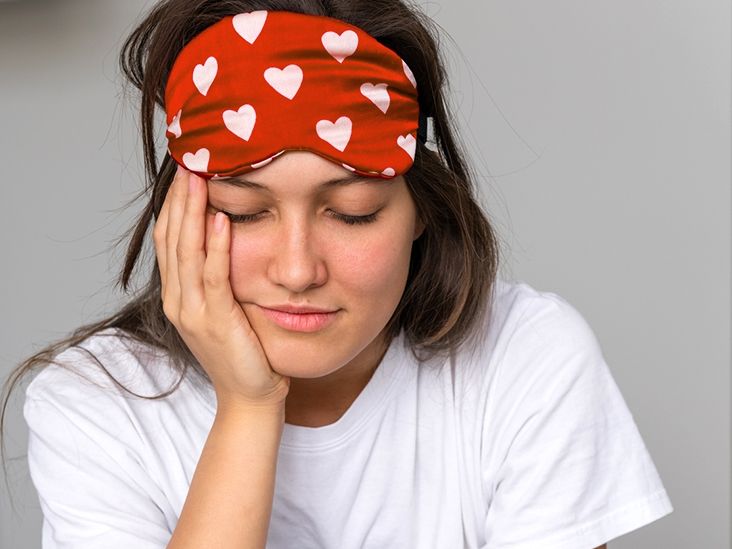
There are few things more irritating than being ready for sleep while your bedroom is auditioning for a role in Times Square. A blinking router light, a streetlamp outside the window, an early sunrise, or a partner who insists the TV “is basically off” can turn bedtime into a surprisingly bright event.
That is where a sleep mask, also called an eye mask or sleep eye mask, can help. This simple piece of fabric is designed to block light around your eyes and create a darker sleep environment. It will not magically erase stress, replace a healthy routine, or negotiate with your neighbor’s barking dog. But for many people, it can make falling asleep and staying asleep more comfortable.
Sleep masks are especially useful for travelers, shift workers, light-sensitive sleepers, hospital patients, and anyone whose bedroom cannot become completely dark. The best sleep mask is usually the one that blocks light effectively without squeezing your face like a tiny overnight helmet.
What Is a Sleep Mask?
A sleep mask is a soft covering worn over the eyes during sleep or rest. Its main job is simple: block light. Most masks use an elastic or adjustable strap to stay in place, while the front may be made from silk, cotton, polyester, foam, or a combination of materials.
Some sleep masks lie flat against the face. Others have molded eye cups that create extra space around the eyelids. There are also weighted, cooling, heated, and travel-friendly versions. Despite all the variations, the basic purpose remains the same: help create darkness when your environment refuses to cooperate.
Why Darkness Matters for Sleep
Your body follows a roughly 24-hour internal rhythm called the circadian rhythm. Light is one of the strongest signals that helps tell your brain when it is time to feel awake and when it is time to wind down. As evening becomes darker, the body typically increases production of melatonin, a hormone involved in regulating the sleep-wake cycle.
Bright light at night, including light from lamps, screens, streetlights, and electronics, may make it harder for some people to feel sleepy. That does not mean every tiny LED will destroy your sleep forever. Still, reducing unnecessary nighttime light is a common part of healthy sleep advice.
A sleep mask can be a practical backup when blackout curtains are not available, when you are away from home, or when someone else controls the room lighting. Think of it as a portable “do not disturb” sign for your eyes.
Potential Sleep Mask Benefits
1. Helps Block Unwanted Light
The clearest benefit of a sleep mask is light reduction. A well-fitting mask can block direct light from windows, hallways, bedside lamps, hotel curtains, and electronic devices. This is particularly helpful if your room is bright before you are ready to wake up.
For people who live in cities, share a bedroom, or sleep during daylight hours, a mask may be easier and less expensive than changing an entire room. It also travels much better than a set of blackout curtains, unless you own a suitcase the size of a small studio apartment.
2. May Support Better Sleep Quality
Research suggests that limiting light exposure during sleep may support deeper, less interrupted rest for some people. Small studies involving eye masks have found possible improvements in alertness, memory-related performance, and sleep continuity. These findings are promising, but a sleep mask should be viewed as a useful sleep tool rather than a cure for every kind of tiredness.
The real-world effect varies. Some people put on a mask and sleep more soundly on the first night. Others need several nights to get used to the feeling. Comfort matters just as much as darkness.
3. Useful for Shift Workers
Night-shift workers often need to sleep while the rest of the neighborhood is mowing lawns, receiving packages, and generally behaving as though noon is a perfectly reasonable time to be awake. Daytime sleep can be difficult because sunlight and household activity send strong “wake up” signals.
A sleep mask can help shift workers create a darker sleep environment, especially when paired with room-darkening curtains, a cool room, earplugs or white noise, and a consistent wind-down routine. It will not remove every challenge of shift work, but it can reduce one very obvious problem: daylight.
4. Convenient for Travel and Jet Lag
Planes, trains, hotels, and unfamiliar guest rooms are not always designed with your sleep schedule in mind. A sleep mask can help block cabin lights, window glare, hallway lighting, and the cheerful sunrise that arrives several hours before you are emotionally prepared to meet it.
Travel masks are lightweight, easy to pack, and useful for naps as well as overnight sleep. Pairing a sleep mask with earplugs, noise-canceling headphones, or a calming audio track may make travel rest more comfortable, though it is wise to remain aware of important announcements when necessary.
5. Can Support Relaxation Before Bed
For some people, putting on a sleep mask becomes part of a bedtime ritual. The action itself can signal that the day is over: screens down, lights low, brain off duty. Of course, brains are famously terrible at following instructions, especially at 1:12 a.m. But routines can still be helpful.
A mask may be particularly calming during meditation, breathing exercises, restorative yoga, or a short afternoon rest. The gentle darkness can reduce visual stimulation and make it easier to focus on relaxation.
Who May Benefit Most From a Sleep Mask?
A sleep mask may be worth trying if you:
- Wake up early because of sunlight or streetlights.
- Work overnight shifts and sleep during the day.
- Travel often or nap on planes, trains, or buses.
- Share a bedroom with someone who reads or watches television late.
- Live near bright signs, traffic, or busy outdoor lighting.
- Need a simple, portable addition to a healthier sleep routine.
- Find that visual darkness helps you relax before bed.
Parents may also consider sleep masks for older teens or adults who are sensitive to early-morning light, but younger children should only use them with appropriate adult judgment. For many children, improving the sleep environment with room-darkening shades and a consistent bedtime routine is often a better starting point.
Different Types of Sleep Masks
Flat Fabric Sleep Masks
Flat masks are the classic option. They sit directly over the eyes and are often made from cotton, silk, satin, polyester, or a soft blend. These masks are lightweight, easy to pack, and usually affordable.
They can work well for back sleepers and people who prefer a simple design. However, some flat masks may press against eyelashes or shift during the night, especially for side sleepers.
Contoured or 3D Sleep Masks
Contoured masks have molded cups around the eyes. This design creates space between the material and your eyelids, allowing you to blink more comfortably. Many people who dislike the feeling of fabric touching their lashes prefer a 3D sleep mask.
These masks can be useful for people who wear eyelash extensions, have sensitive eyes, or simply prefer a less claustrophobic fit. The downside is that a poorly designed contoured mask can leave light gaps around the nose or cheeks.
Silk Sleep Masks
Silk masks are popular because they feel smooth and gentle against the skin. They can be a comfortable option for people who dislike rough fabrics or wake up with strap marks. Silk is also lightweight, which makes it appealing for travel.
The main catch is care. Silk often requires gentler washing than cotton or polyester. A fancy silk mask that spends six months at the bottom of a laundry basket is not exactly achieving its full potential.
Memory Foam Sleep Masks
Memory foam masks are designed to mold to the face and may provide stronger light blocking around the nose and cheek area. They can be especially helpful for people who want a more secure fit without excessive pressure.
Look for breathable materials and adjustable straps. Foam can feel warm for some sleepers, particularly in humid climates or rooms without air conditioning.
Weighted Sleep Masks
Weighted masks use gentle, evenly distributed pressure around the eye area. Some people find this soothing, similar to the comforting feeling of a weighted blanket. Others find any added pressure distracting.
A weighted mask should never feel tight, painful, or heavy on the eyeballs. People with glaucoma, recent eye surgery, eye injuries, severe dry eye symptoms, or other eye concerns should ask an eye-care professional before using a weighted style.
Cooling or Gel Sleep Masks
Cooling masks may contain gel inserts that can be chilled before use. They are often used for relaxation, puffy eyes, headaches, or a warm bedroom. While they may feel refreshing, they are not a treatment for migraines, eye disease, or chronic sleep problems.
Always follow the manufacturer’s instructions. A mask should feel cool, not painfully cold. Your face deserves comfort, not an accidental encounter with the frozen-food aisle.
How to Choose the Best Sleep Mask
The best sleep mask is not necessarily the most expensive one. It is the one you will actually wear comfortably. Consider the following factors before buying one.
Light Blocking
Check for gaps around the nose, cheeks, and temples. A mask can feel wonderfully soft but still be ineffective if sunlight sneaks in through the sides like a determined little spy.
Fit and Adjustability
Choose an adjustable strap when possible. The mask should stay in place without digging into the skin, causing headaches, or flattening your hair into a highly questionable morning sculpture.
Sleep Position
Side sleepers may prefer a slim, low-profile mask with a flat strap. Back sleepers often have more flexibility. Stomach sleepers should look for lightweight masks with minimal bulk and no hard plastic pieces.
Material
Cotton is breathable and easy to wash. Silk feels smooth and light. Polyester is usually durable and affordable. Memory foam may improve fit but can trap heat. Choose based on your skin sensitivity, climate, and personal comfort.
Washability
Your sleep mask touches your face for hours, so cleaning matters. Look for a machine-washable or hand-washable design. Wash it regularly, especially if you use skincare products, have oily skin, or travel frequently.
How to Use a Sleep Mask Comfortably
Start by trying the mask for a short rest or while reading in bed. This helps you notice whether the strap rubs, the material feels itchy, or light leaks in around the edges.
- Adjust the strap so it feels secure but not tight.
- Position the mask gently over the eyes and upper cheekbones.
- Make sure you can blink comfortably.
- Keep hair, straps, and pillow seams from pressing against the mask.
- Wash the mask as recommended by the manufacturer.
- Replace it when the elastic stretches out, the fabric becomes rough, or it no longer feels clean.
For best results, use your sleep mask as part of a broader sleep-friendly routine. Keep the room cool, limit bright screens before bed, avoid late caffeine when possible, and aim for a fairly consistent sleep schedule. A mask can improve darkness, but it cannot convince your body that three energy drinks at 9 p.m. were a reasonable life choice.
When a Sleep Mask Is Not Enough
A sleep mask can improve comfort, but it cannot diagnose or treat a medical sleep disorder. If you regularly struggle to fall asleep, wake repeatedly, feel exhausted despite enough time in bed, or rely on sleep aids most nights, consider speaking with a healthcare professional.
Seek medical advice if you experience loud snoring, repeated gasping or choking during sleep, observed breathing pauses, severe daytime sleepiness, morning headaches, or difficulty staying awake while driving. These can be signs of sleep apnea or another sleep-related condition.
It is also wise to talk with an eye-care professional before using a tight or weighted mask if you have glaucoma, recent eye surgery, significant eye pain, vision changes, an eye infection, or an injury. A regular sleep mask is generally considered safe when it is clean and not overly tight, but comfort and caution still matter.
Common Sleep Mask Experiences: What People Notice Over Time
Sleep mask experiences are surprisingly personal. One person may describe a mask as life-changing, while another may remove it in their sleep before midnight and discover it under the bed three days later. Neither response is unusual. Comfort, sleeping position, room temperature, sensory preferences, and the amount of light in the bedroom all play a role.
Consider the experience of someone who lives in an apartment facing a bright parking lot. They may not realize how much outdoor light enters the room until they try a sleep mask for several nights. At first, the darkness can feel almost dramatic, like someone turned off the world. Over time, the mask may become a useful cue that bedtime has started. The benefit is not always instant deeper sleep; sometimes it is simply fewer early-morning wake-ups caused by light creeping through the blinds.
Shift workers often report a different kind of benefit. Sleeping during the day can feel like trying to nap in the middle of a parade. Even with curtains closed, daylight can leak through window edges, door frames, and thin blinds. A contoured sleep mask may give these sleepers a stronger sense of separation from the daytime environment. The mask does not silence the world, but paired with white noise and a cool room, it can make daytime rest more realistic.
Travelers frequently appreciate the convenience. A sleep mask takes up almost no space in a backpack or carry-on bag, yet it can make an airport delay, red-eye flight, or bright hotel room easier to manage. Many travelers prefer a soft, flat fabric mask because it folds easily. Others choose a contoured mask because it does not press on the eyes during longer flights. The main lesson is simple: test your mask at home before relying on it at 35,000 feet.
Side sleepers often go through a brief trial-and-error phase. A thick foam mask may block light beautifully but become uncomfortable when pressed against a pillow. A thinner mask may feel better but shift enough to let in light. People in this group often find success with adjustable straps positioned low on the back of the head rather than directly over the ears.
People with sensitive skin may notice that material matters more than they expected. A soft cotton mask can be easy to wash and breathable, while silk may feel smoother around the eyes. Those who use skincare products at night may prefer a mask that can be cleaned frequently, since oils and creams can build up on the fabric. A clean mask is more pleasant, better for the skin, and far less likely to become a tiny museum of last week’s moisturizer.
Some people enjoy weighted or cooling masks during relaxation but not for all-night sleep. A weighted mask may feel calming during a short rest, meditation session, or stressful evening, yet feel too noticeable after several hours. A cooling gel mask may be refreshing during a warm night, but some sleepers prefer to remove it before drifting off. These experiences are reminders that there is no universal “best” mask, only the best fit for your habits and comfort.
The most successful sleep-mask users usually treat the mask as one part of a bigger sleep routine. They dim lights before bed, keep the room comfortable, reduce late-night scrolling, and use the mask when light is the problem. In that role, a sleep mask is not glamorous, high-tech, or dramatic. It is simply a small, practical tool that helps make rest a little easier to find.
Final Thoughts
Sleep mask benefits come down to one powerful idea: darkness can make sleep easier for many people. Whether you are dealing with early sunlight, city lights, shift work, travel, or a bright hotel room, a comfortable eye mask can help create a more restful setting.
Choose a style that fits your face, feels breathable, stays clean, and does not put pressure on your eyes. Use it alongside healthy sleep habits rather than expecting it to solve chronic insomnia or sleep apnea. With the right fit, a sleep mask can be one of the simplest upgrades in your bedtime routineand possibly the least expensive way to tell the outside world, “Not now. I’m sleeping.”