

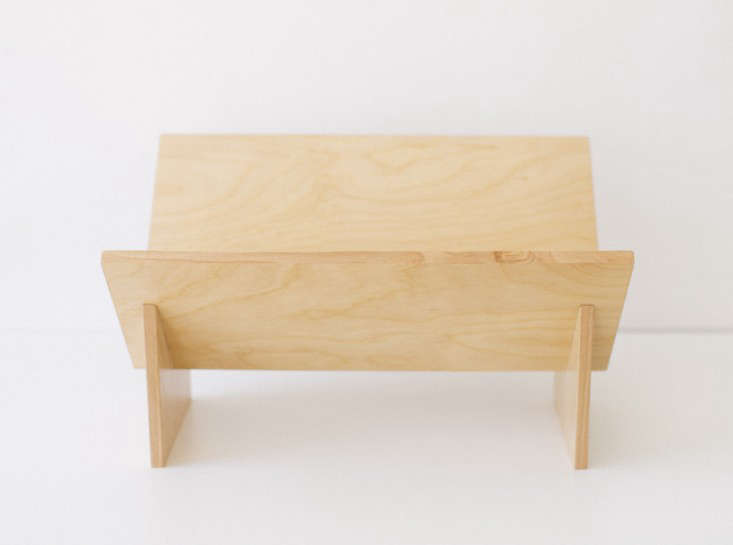
Some furniture quietly does its job. Other furniture demands applause, mood lighting, and a dramatic reveal. A slotted system bookcase sits right in the sweet spot between those two extremes. It is practical enough to hold a serious book collection, flexible enough to adapt when your needs change, and stylish enough to avoid looking like it wandered in from a supply closet. In other words, it is the rare storage solution that can keep up with real life, which is handy because real life has a habit of buying three more books when it only meant to buy one.
If the name Slotted System Bookcase 1 sounds a little technical, that is because the concept is rooted in function. A slotted shelving system uses vertical standards, brackets, and adjustable shelves to create a bookcase that can be reconfigured without rebuilding the whole unit. That means your shelves can move when your collection changes, your decor shifts, or your oversized design books suddenly decide they deserve more headroom. It is the kind of system that works equally well in a home office, living room, bedroom, reading nook, or that mysterious wall everyone swears they will “figure out later.”
What Is a Slotted System Bookcase?
A slotted system bookcase is a modular shelving setup built around upright standards with multiple slots, plus brackets that lock into those slots at different heights. The shelves then rest on or fasten to the brackets. The result is an adjustable bookcase that gives you far more control than a fixed-shelf unit. Instead of being stuck with one layout forever, you can raise, lower, or redistribute shelves as your storage needs change.
That flexibility is a bigger deal than it sounds. Standard books, art books, storage bins, framed photos, vinyl records, baskets, and decorative objects rarely share the same dimensions or weight. A fixed bookcase can feel fine on day one and mildly annoying by month three. A slotted shelving system, on the other hand, is built for change. It is the furniture version of keeping your options open, only with fewer awkward text messages.
Why This Design Works So Well
1. It adapts without drama
The biggest advantage of a modular bookcase is adjustability. You can create tall openings for oversized books, tighter spacing for paperbacks, and lower sections for boxes or baskets. That makes a slotted system especially useful for people who want one piece to do multiple jobs. Today it is a home library. Tomorrow it is part office storage, part display wall, part place to hide the stuff you do not want guests to ask about.
2. It uses vertical space wisely
Many modern bookcases are intentionally shallow, which helps them fit smaller rooms without eating up valuable floor area. That matters in apartments, home offices, and multifunctional living rooms where every inch counts. A good slotted bookcase takes advantage of wall height rather than trying to dominate the room with bulk. It gives you storage without the visual heaviness of a chunky cabinet.
3. It can look custom without full custom prices
One of the smartest things about a slotted system is that it can mimic the look of built-ins when planned well. Paint the standards to blend with the wall, use shelves in a warm wood finish, add matching baskets or closed storage below, and suddenly the whole thing starts reading as intentional design instead of “I bought hardware and hoped for the best.” That is a solid win.
How to Design a Slotted System Bookcase That Actually Works
Start with depth
Depth is one of the most important choices in bookcase planning. For standard books, a relatively shallow shelf is often ideal because it keeps everything visible and prevents books from disappearing into a dark little cave at the back. If you collect oversized art books, large binders, or decorative storage boxes, you may want deeper shelves in at least part of the unit. The best approach is to plan around what you truly own, not what looks pretty in a staged photo where every book is somehow beige.
Think about shelf spacing
This is where a slotted system really earns its keep. Shelf spacing should be based on categories, not guesses. Tall hardcovers need more clearance than paperbacks. Decorative objects need breathing room. Storage baskets need enough height to slide in and out without scraping the shelf above. Adjustable brackets let you change the layout later, but you still want a smart starting point so the bookcase feels balanced from day one.
Choose the right material
The shelf material affects appearance, durability, and price. Solid wood bookcases are loved for strength and character, especially when you want a natural finish. Plywood is a favorite for practical builds because it is stable, strong, and easier on the budget. MDF and particleboard can work well for painted projects and lower-cost shelving, but they are usually less forgiving under heavy loads. If your collection includes dense hardcovers, records, or heavy reference books, this is not the moment to get optimistic and hope physics becomes supportive.
Respect weight capacity
Books are heavy. Not philosophically. Literally. One of the most common bookcase mistakes is assuming every shelf can handle the same load. It cannot. Weight capacity depends on shelf material, shelf span, bracket quality, hardware, and wall installation. A good rule is to check the manufacturer’s per-shelf guidance, keep the heaviest items lower, and add more vertical supports if you are planning longer shelves. A bookcase should hold knowledge, not test the limits of structural suspense.
Do not skip anchoring
If there is one thing that separates a smart storage project from a bad idea with a future, it is secure installation. A wall-mounted bookcase or slotted shelving system should be anchored properly to wall studs or to suitable anchors recommended for the wall type and load. Standards should be spaced correctly, brackets should match shelf depth, and the whole setup should be level before you start loading it. That part may not be glamorous, but neither is a leaning bookshelf.
Where a Slotted System Bookcase Works Best
Living room
In a living room, a slotted system bookcase can become a design feature as much as a storage solution. Use it to combine books, framed art, ceramics, baskets, and small plants. If you want a lighter look, leave some open space. If you want a library feel, go floor to ceiling. Either way, it can add warmth, function, and visual rhythm to a blank wall.
Home office
This may be the most practical place for one. A home office bookcase often has to store books, binders, office supplies, decorative boxes, and tech accessories. Adjustable shelves make that mix far easier to manage. Add a few closed bins on lower shelves and suddenly your Zoom background looks much more competent than you feel on a Monday morning.
Bedroom or guest room
In bedrooms, slotted shelving works well when you need compact vertical storage without oversized furniture. It can hold books, baskets, folded linens, and a few display pieces. In a guest room, it can double as both bookcase and overflow storage, which is useful when the room also functions as an office, craft zone, or occasional landing pad for everything that does not have a home.
Hallway, alcove, or awkward wall
Some spaces are too narrow for bulky case goods but perfect for a shallow, adjustable shelving system. That strange wall near the entry, the overlooked alcove, or the area beside a fireplace can all become useful once shelving is tailored to fit the spot.
How to Style It Without Making It Look Busy
A great bookcase is not just about what it holds. It is also about how the eye moves across it. Design editors and stylists consistently point to a few principles that make shelves look curated rather than crammed: vary heights, mix vertical and horizontal stacks, group similar objects, repeat colors, and leave some negative space. That last part matters more than people think. Empty space is not wasted space. It is visual breathing room.
Start with your books, because this is still a bookcase, not a stage set for three lonely seashells. Then layer in decorative objects with intention. A framed photo, ceramic vase, box, or small sculpture can break up rows of books and add personality. Plants bring softness. Baskets add texture and hidden storage. Collections work best when grouped rather than scattered. And if you are using color, repeat it across shelves so the whole piece feels unified.
One more tip: keep the heavier visual elements lower. Larger stacks, boxes, or substantial objects should sit toward the bottom so the arrangement feels grounded. Smaller accessories and lighter pieces can move to eye level or above. Your bookcase should look balanced, not like it is wearing shoulder pads.
Common Mistakes to Avoid
- Choosing shelves that are too deep for ordinary books and turning the back half into forgotten storage territory.
- Ignoring weight distribution and loading long shelves with heavy hardcovers without checking support.
- Skipping wall anchoring because “it feels sturdy enough,” which is famous last-words energy in furniture form.
- Using every inch of shelf space and leaving no visual pause, which makes the whole unit feel cluttered.
- Mixing too many unrelated finishes so the system looks pieced together instead of purposefully designed.
Is Slotted System Bookcase 1 Worth It?
Yes, especially for people who value flexibility. A fixed bookshelf can be charming, but a slotted system bookcase is better at handling real homes and real habits. It can grow with your collection, adjust to changing uses, and fit awkward spaces more gracefully than many ready-made units. It also works across design styles. Done in black metal and walnut, it feels modern and architectural. Done in white with natural oak, it feels airy and Scandinavian. Done wall to wall with coordinated storage, it can even look custom.
The real appeal of Slotted System Bookcase 1 is that it combines utility and style without forcing you to choose one over the other. It respects the fact that storage should work hard, but it also understands that nobody wants their living room to feel like the back room of an office supply store. That balance is what makes it smart.
Extended Experiences: Living With a Slotted System Bookcase
People tend to discover the value of a slotted system bookcase slowly, then all at once. At first, it seems like a practical purchase. You need shelves. You buy shelves. Very reasonable. Then life happens, and that is when the system starts to prove itself. The cookbook section grows. A partner moves in with an alarming number of graphic novels. A child’s room shifts from picture books to chapter books to trophies, headphones, and things no one can identify from a distance. Suddenly, an adjustable bookcase stops being a nice feature and starts feeling like a survival tool.
One of the most common experiences with this kind of shelving is the relief of finally using a wall properly. A blank wall can be weirdly stressful. It stares at you. It judges your lack of a plan. A slotted system changes that by turning empty vertical space into something purposeful. In a small apartment, it can pull clutter off the floor and make the room feel calmer. In a home office, it can turn a scattered mess of stacks and bins into a storage setup that actually supports concentration. In a living room, it often becomes the piece that makes the entire room feel finished.
There is also a very real emotional benefit to being able to reconfigure shelves without starting over. You do not have to live with a bad decision forever. If one shelf is too tight, move it. If the middle section looks crowded, spread things out. If you suddenly decide the lower shelves should hold baskets instead of books, the system usually lets you make that change in minutes. That kind of flexibility is surprisingly satisfying. It feels less like owning furniture and more like having storage that cooperates.
Another experience people talk about is how a slotted bookcase helps them edit what they own. Because the shelves are visible and adjustable, you become more intentional. You notice duplicates. You notice dust magnets. You notice the random items that landed there because there was space, not because they belonged. In that sense, the bookcase becomes more than storage. It becomes a quiet organizing tool. Not in an aggressive minimalist way. More in a “do I really need six empty notebooks from conferences I never wanted to attend?” kind of way.
Styling the bookcase also tends to become easier over time. At first, many people either overfill it or under-style it. Then they learn the rhythm: books first, objects second, air third. They discover that one plant is charming but five can make the shelf feel like a greenhouse internship. They realize baskets are wonderful for hidden mess. They find out that horizontal stacks can rescue awkward gaps, and that repeating one or two colors across the shelves makes the entire setup look more polished. The bookcase teaches them, which is helpful because most of us were not born knowing how to arrange a ceramic bowl next to a stack of essays.
Perhaps the best long-term experience is that the system grows with the room. A nursery shelf can become a school-age bookcase. A starter apartment wall unit can move into a first house and be reworked for a larger space. A reading corner can become a full home library one bracket adjustment at a time. That kind of longevity matters. It means the purchase is not just about solving today’s storage problem. It is about creating a flexible framework that can keep adapting as your home evolves.
And maybe that is why slotted shelving stays relevant. It is not trying to be flashy. It is trying to be useful, adaptable, and quietly handsome. In the world of home furniture, that is a powerful combination. It lets your books, objects, habits, and life take center stage while it does the hard work in the background. Honestly, more furniture should have that kind of confidence.
Conclusion
A well-designed slotted system bookcase is one of the smartest storage upgrades you can make. It gives you flexibility, helps you use vertical space efficiently, supports both books and decor, and can shift with your needs instead of locking you into one layout. Whether you are designing a compact reading corner, upgrading a home office, or building out a wall that finally earns its keep, Slotted System Bookcase 1 offers a practical, attractive, and highly adaptable solution. It is the kind of piece that works hard, looks good, and never complains when the book collection mysteriously doubles.