

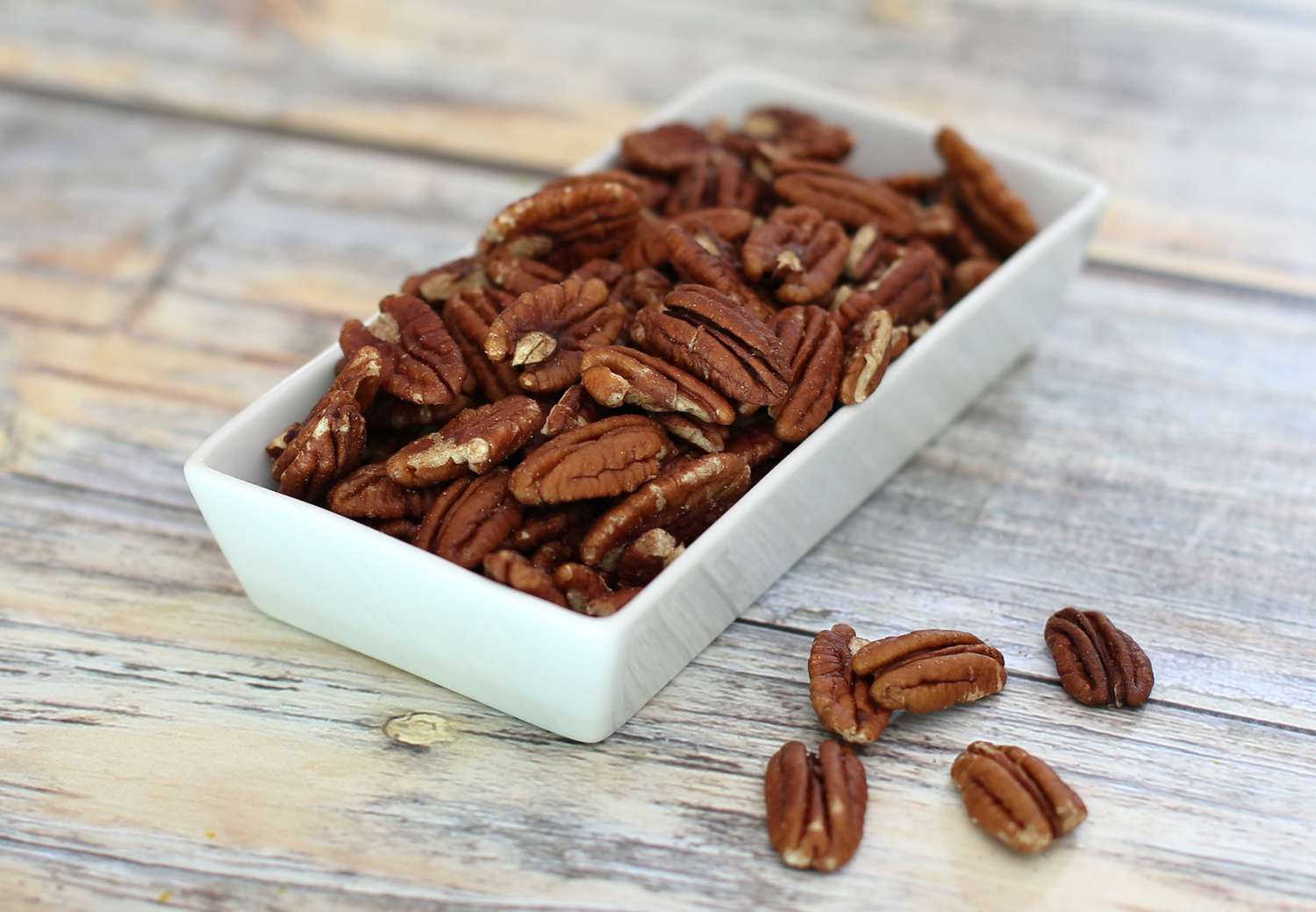
Some recipes politely ask for your attention. Slow-roasted buttered pecans kick open the kitchen door, smell like a holiday candle with better priorities, and somehow make everyone wander in asking, “What are you making?” even though you technically have done very little. That is the magic of pecans, butter, salt, and patience.
This Slow-Roasted Buttered Pecans Recipe is simple, deeply flavorful, and dangerously snackable. The low oven temperature gives the pecans time to toast evenly, absorb the butter, and develop that warm, nutty aroma that makes them taste like they came from a charming Southern gift shop where every employee calls you “honey.”
These roasted pecans are perfect for holiday parties, cheese boards, salads, desserts, lunchbox snacks, homemade gifts, and emergency “I need something crunchy right now” situations. The recipe uses only a few ingredients, but the technique matters: low heat, even coating, occasional stirring, and a full cool-down before storage.
Why Slow-Roasted Buttered Pecans Are Worth Making
Fast-toasted pecans can be good, but slow-roasted pecans are richer, toastier, and more consistent. When pecans roast gently, their natural oils warm slowly, the butter settles into every curve, and the salt clings without turning the whole batch into a sodium thunderstorm. Instead of tasting merely “toasted,” they taste layered: buttery first, nutty second, savory at the end, with a clean crunch that keeps you reaching back into the bowl.
The slow-roasting method is especially helpful because pecans are delicate. They can go from golden to scorched faster than a group chat can turn dramatic. A lower oven gives you a wider window of forgiveness, which is excellent news for anyone who has ever said, “I’ll just check one quick message,” and returned to a pan of nut confetti.
Recipe Overview
- Prep time: 5 minutes
- Cook time: 45 to 60 minutes
- Total time: About 1 hour
- Yield: About 4 cups
- Best for: Snacks, gifts, salads, desserts, charcuterie boards, and holiday appetizers
- Main keyword: Slow-roasted buttered pecans recipe
Ingredients for Slow-Roasted Buttered Pecans
You do not need a crowded ingredient list. The point is to let the pecans taste like pecans, only more confident.
- 4 cups raw pecan halves
- 4 tablespoons unsalted butter, melted
- 1 teaspoon fine sea salt or kosher salt
- 1/2 teaspoon smoked paprika, optional
- 1/4 teaspoon cayenne pepper, optional
- 1 tablespoon brown sugar or maple sugar, optional for a sweet-savory version
- 1/2 teaspoon vanilla extract, optional for a dessert-style batch
Ingredient Notes
Pecan halves are best for this recipe because they roast more evenly than chopped pecans. Pieces work too, but they brown faster, so reduce the roasting time and watch them closely.
Unsalted butter gives you better control over the final flavor. Salted butter can work in a pinch, but reduce the added salt by about half.
Salt is not just a seasoning here; it is the tiny spotlight that makes the pecan flavor pop. Fine sea salt coats evenly, while kosher salt gives little savory sparks.
Optional spices let you steer the recipe. Smoked paprika adds a campfire whisper. Cayenne adds a gentle kick. Brown sugar turns the batch into snack-table bait. Vanilla makes the pecans feel dessert-ready without turning them into candy.
How to Make Slow-Roasted Buttered Pecans
Step 1: Preheat the Oven
Preheat your oven to 250°F. Line a rimmed baking sheet with parchment paper, or use a shallow baking dish if you prefer a slightly more contained setup. A rimmed pan is important because pecans have a talent for escaping flat trays like tiny edible acrobats.
Step 2: Coat the Pecans
Place the pecan halves in a large mixing bowl. Pour the melted butter over the top and toss until every pecan has a light, glossy coating. Sprinkle in the salt and any optional seasonings, then toss again.
The goal is even coverage, not a butter swimming pool. If the pecans look shiny but not soggy, you are in the right zone.
Step 3: Spread in a Single Layer
Spread the buttered pecans across the prepared baking sheet in a single layer. Do not pile them up. Pecans roast best when they have breathing room, much like introverts at family gatherings.
Step 4: Slow-Roast and Stir
Roast the pecans for 45 to 60 minutes, stirring every 15 minutes. The pecans are done when they smell deeply toasted, look slightly darker, and feel dry rather than wet with butter.
Start checking carefully around the 40-minute mark. Ovens vary, and pecans are not shy about burning if ignored near the finish line.
Step 5: Cool Completely
Remove the pan from the oven and let the pecans cool completely on the baking sheet. This step matters because the pecans crisp as they cool. Eating one warm is allowed, obviously, for quality control and emotional support.
Chef-Style Tips for Perfect Buttered Pecans
Use Fresh Pecans
Fresh pecans should smell sweet, nutty, and clean. If they smell paint-like, sour, bitter, or musty, they may be rancid. Pecans are naturally rich in oils, which is why they taste wonderful but also why proper storage matters.
Do Not Rush the Roast
High heat works for quick toasted pecans, but slow roasting creates a more even, mellow flavor. Butter also behaves better at a lower temperature, coating the nuts without browning too aggressively.
Stir Every 15 Minutes
Stirring keeps the pecans from browning unevenly and helps redistribute the butter and salt. Use a spatula and gently turn the nuts from the edges toward the center of the pan.
Let the Aroma Guide You
When pecans are properly roasted, your kitchen will smell warm, buttery, and nutty. If you smell sharp bitterness or smoke, they have gone too far. Your nose is the smoke alarm before the smoke alarm becomes the smoke alarm.
Flavor Variations
Sweet and Salty Buttered Pecans
Add 1 tablespoon brown sugar and 1/4 teaspoon cinnamon to the melted butter before tossing. This version is excellent for yogurt bowls, oatmeal, sweet potato casserole, and “I was just going to have a few” snacking.
Spicy Buttered Pecans
Add 1/4 teaspoon cayenne pepper, 1/2 teaspoon smoked paprika, and a pinch of garlic powder. These pecans are fantastic with cocktails, cheese boards, roasted vegetables, or game-day spreads.
Maple Butter Pecans
Add 1 tablespoon maple syrup and reduce the oven temperature slightly if your oven runs hot. Stir often, because maple syrup can darken quickly. The result is cozy, caramel-like, and perfect for autumn desserts.
Herb Butter Pecans
Add 1 teaspoon finely chopped rosemary or thyme after roasting, while the pecans are still warm. Fresh herbs can scorch in the oven, so adding them at the end keeps the flavor bright.
Best Ways to Serve Slow-Roasted Buttered Pecans
These pecans are wildly useful. Serve them in a small bowl as an appetizer, scatter them over a spinach salad, fold them into wild rice, or sprinkle them on roasted Brussels sprouts. They also make a beautiful topping for pumpkin pie, vanilla ice cream, baked apples, sweet potatoes, pancakes, waffles, or a bowl of oatmeal that needs to stop being so humble.
For entertaining, pair them with sharp cheddar, blue cheese, goat cheese, dried cranberries, apple slices, and crackers. Their buttery crunch balances creamy, tangy, and sweet flavors, which is why they disappear so quickly from snack boards.
How to Store Buttered Pecans
Let the pecans cool completely before storing. Warm nuts trapped in a container can create condensation, and moisture is the enemy of crunch. Once cool, transfer them to an airtight jar, tin, or food-safe container.
For short-term snacking, keep them at cool room temperature for several days. For longer freshness, refrigerate them. For the longest storage, freeze them in a sealed freezer-safe bag or container. Pecans can absorb strong odors, so keep them away from onions, garlic, and anything else that might make your beautiful buttered pecans taste like last night’s leftovers.
Can You Make Buttered Pecans Ahead?
Yes, and you should. Slow-roasted buttered pecans are one of those recipes that fits beautifully into holiday prep because they do not need to be made at the last second. Make them a few days before a party, let them cool, and store them airtight. They will be ready when you need a snack, topping, or edible gift that looks thoughtful but did not require frosting anything at midnight.
Common Mistakes to Avoid
Using Too Much Butter
More butter sounds like a good idea until the pecans turn greasy. The butter should coat the nuts lightly, not drown them. Four tablespoons for four cups of pecans gives a rich flavor without making them heavy.
Skipping the Stirring
If you do not stir, the pecans at the edges may darken before the center pecans are done. Stirring also helps every pecan spend time in the buttery seasoning.
Removing Them Too Late
Pecans continue to firm as they cool. If you wait until they are extremely dark in the oven, they may taste bitter once cooled. Aim for fragrant, golden-brown, and slightly deepened in color.
Storing Before Cooling
This is the fastest way to lose crunch. Let the batch cool completely, even if the smell is testing your character.
Nutrition and Portion Notes
Pecans are naturally rich, satisfying, and full of flavor, so a small handful goes a long way. Because this recipe includes butter and salt, it is best enjoyed as a snack or topping rather than eaten by the cereal bowl. That said, a few slow-roasted buttered pecans can make a simple salad or side dish feel special without much extra work.
Frequently Asked Questions
Can I use salted butter?
Yes. Use salted butter if that is what you have, but reduce the added salt to 1/2 teaspoon. Taste after roasting and add a tiny pinch more if needed.
Can I roast pecan pieces instead of halves?
Yes, but reduce the roasting time. Pecan pieces have more exposed edges and can brown faster. Start checking them after 25 to 30 minutes.
Can I double the recipe?
Absolutely. Use two baking sheets instead of crowding one pan. Rotate the pans halfway through roasting for even cooking.
Why are my pecans soft?
They may need more cooling time, or they may have been stored before they were fully cool. Spread them on a baking sheet and place them back in a 250°F oven for 8 to 10 minutes, then cool completely.
Can I make this recipe dairy-free?
Yes. Use a good-quality plant-based butter or a neutral oil such as avocado oil. The flavor will be slightly different, but the pecans will still roast beautifully.
Personal Experience: Why This Recipe Belongs in Your Kitchen Routine
The first time you make slow-roasted buttered pecans, you may think, “That was too easy. Surely I missed something.” Then the smell hits. It starts quietly, somewhere between warm toast and brown butter, and suddenly the kitchen feels like it has put on a sweater. That is when you understand why a basic pan of pecans can compete with cookies, cakes, and other louder desserts.
One of the best things about this recipe is how generous it feels. A jar of homemade buttered pecans looks like a thoughtful gift, even though the actual work is mostly stirring every 15 minutes and trying not to eat half the batch from the pan. Tie a ribbon around a small mason jar, add a handwritten label, and you have a holiday hostess gift, teacher gift, neighbor gift, or “sorry I forgot your container for six months” peace offering.
In everyday cooking, these pecans are like a secret upgrade button. A plain green salad with apple slices becomes restaurant-worthy. Roasted carrots suddenly seem planned instead of thrown together. A scoop of vanilla ice cream becomes a dessert with opinions. Even breakfast gets better: sprinkle a few over oatmeal, Greek yogurt, pancakes, or French toast, and the whole meal feels warmer and more complete.
They are also excellent for people who like to cook ahead. During busy weeks, having a container of roasted pecans in the fridge can save boring meals from themselves. Toss them into grain bowls, add them to chicken salad, mix them with dried fruit for a quick snack, or chop them over baked sweet potatoes. They bring crunch, richness, and a little “did someone’s grandmother teach you this?” energy.
The slow-roasting method also teaches a useful kitchen lesson: simple food often becomes special when you give it time. You are not adding fifteen ingredients. You are not building a sauce with a dramatic backstory. You are letting heat, butter, salt, and pecans do what they already do well. That is the beauty of this recipe. It feels old-fashioned in the best way, like something that would sit on the coffee table during a family gathering while people pretend they are not going back for their fifth handful.
Another experience worth mentioning: make more than you think you need. Four cups sounds like a lot until guests arrive. Buttered pecans shrink socially. They may not physically shrink, but emotionally, spiritually, and snack-wise, they vanish. If you are making them for a party, double the batch and hide a small jar for yourself. This is not selfish. This is wisdom.
Finally, slow-roasted buttered pecans are forgiving enough for beginners and rewarding enough for experienced cooks. You can keep them classic with only butter and salt, or push them sweet, spicy, smoky, or herbal. Once you learn the base method, you can adapt the flavor to the season, the menu, or your mood. That flexibility is what turns a simple recipe into a kitchen staple.
Conclusion
This Slow-Roasted Buttered Pecans Recipe proves that a small handful of ingredients can create something rich, fragrant, and memorable. With raw pecan halves, melted butter, salt, and a low oven, you get a snack that is crisp, savory, lightly buttery, and endlessly useful. Serve them at parties, pack them into gift jars, scatter them over salads, or keep them nearby for those moments when only something crunchy and delicious will do.
The key is patience. Roast low, stir often, cool completely, and store properly. Do that, and you will have a batch of buttered pecans that tastes homemade in the best possible way: simple, warm, and just fancy enough to make people ask for the recipe.