

American food has a reputation. Sometimes it is glorious: smoky barbecue, crispy fried chicken, buttery biscuits, New York pizza, fresh corn on the cob, clam chowder, Thanksgiving pie, and the kind of diner breakfast that makes a person feel like they could build a barn before noon. Other times, the reputation is… suspiciously orange.
When someone asks what “American” foods non-Americans find disgusting, the answers rarely arrive politely with a napkin folded in the lap. They come in hot, like a microwaved cheese sauce packet. To many people outside the United States, certain American foods taste too sweet, too salty, too processed, too large, too artificial, or simply too confusing. A peanut butter and jelly sandwich can seem like dessert pretending to be lunch. Root beer can taste like medicine. Spray cheese can look like something that escaped from a hardware store.
Of course, “disgusting” is usually just another word for “not what I grew up eating.” Food preferences are shaped by culture, childhood, marketing, school lunches, holidays, supermarkets, and family traditions. Americans may adore flavors that seem bizarre elsewhere, while non-Americans enjoy foods that would make some U.S. eaters stare into the distance and reconsider their life choices. That is what makes this topic so entertaining: it is less about who is right and more about how dramatically different our taste buds can be.
Why Some American Foods Shock Non-Americans
The United States is a massive country with regional cuisines, immigrant influences, fast-food innovation, industrial food production, and a deep love of convenience. That combination has created foods that are iconic, nostalgic, and occasionally alarming to people who did not grow up with them.
Three things often stand out to foreign visitors: sweetness, portion size, and processed texture. American sandwich bread, breakfast cereals, sauces, and snacks can taste sweeter than expected. Restaurant servings can look like a family platter accidentally delivered to one person. And some processed foods have textures that feel unfamiliar: shelf-stable cheese, gelatin salads, whipped toppings, marshmallow-covered casseroles, and neon-colored drinks.
Still, American food is not just one thing. It is Cajun gumbo, Hawaiian plate lunch, Tex-Mex tacos, Pennsylvania pretzels, Southern greens, New England seafood, Detroit-style pizza, Native American fry bread, California produce bowls, and thousands of family recipes that never appear on fast-food menus. The “weird American foods” people complain about are often a small, loud, brightly packaged corner of the country’s food culture.
30 “American” Foods Non-Americans Often Find Disgusting
1. Spray Cheese
Aerosol cheese may be the most accused food in the American lineup. To many non-Americans, cheese should come from a wheel, a wedge, or at least a respectable block. When it comes out of a can with a nozzle, people start asking spiritual questions. Americans may see it as a party snack or nostalgic cracker topping; others see dairy wearing a Halloween costume.
2. American Cheese Slices
Processed American cheese is beloved on burgers and grilled cheese sandwiches because it melts like a dream. But critics call it plasticky, rubbery, and suspiciously orange. The flavor is mild, salty, and creamy, which works beautifully in hot sandwiches. Eaten cold, however, it can feel less like cheese and more like a laminated suggestion of cheese.
3. Root Beer
Root beer is a classic American soda, but many people from Europe and Asia say it tastes like toothpaste, cough syrup, or medicinal ointment. The wintergreen-like flavor is the issue. Americans raised on root beer floats often find it cozy and nostalgic. Visitors may wonder why anyone poured carbonated medicine over ice cream and called it dessert.
4. Peanut Butter and Jelly Sandwiches
To Americans, PB&J is childhood in sandwich form. To some non-Americans, it is a confusing collision of sticky peanut paste and sugary fruit spread. The idea of eating it for lunch rather than dessert can seem especially strange. But the sandwich endures because it is cheap, filling, portable, and emotionally powerful enough to make adults buy grape jelly with misty eyes.
5. Marshmallow-Topped Sweet Potatoes
Thanksgiving sweet potato casserole with marshmallows is one of the most polarizing American holiday dishes. Sweet potatoes are already sweet. Then brown sugar enters. Then marshmallows arrive like tiny edible pillows of chaos. Fans call it festive comfort food. Critics call it dessert pretending to be a vegetable side dish with a fake mustache.
6. Grits
Grits are a Southern staple made from ground corn, often served with butter, cheese, shrimp, or gravy. For people unfamiliar with them, plain grits can seem bland, grainy, or like breakfast porridge that forgot its personality. Prepared well, however, they are creamy, savory, and deeply comforting. The problem is that bad grits make a terrible first impression.
7. Biscuits and Gravy
In the United States, especially the South, biscuits and sausage gravy are breakfast royalty. But to many non-Americans, the phrase itself is confusing. American biscuits are not sweet cookies; they are soft, flaky quick breads. The gravy is pale, peppery, and sausage-studded. Some visitors see comfort. Others see a plate that lost a snowball fight.
8. Corn Dogs
A hot dog dipped in cornmeal batter, deep-fried, and served on a stick is peak American fair food. It is portable, crispy, salty, and unapologetically unserious. Non-Americans may find the concept childish or greasy, but corn dogs are not trying to win a fine dining award. They are trying to be eaten near a Ferris wheel while someone drops mustard on their shirt.
9. Jell-O Salad
Gelatin mixed with fruit, vegetables, cottage cheese, mayonnaise, or mysterious floating ingredients is a retro American food that still appears at potlucks. Many visitors cannot understand why a “salad” jiggles. Jell-O salad comes from an era when convenience foods symbolized modern homemaking. Today, it survives as nostalgia, regional tradition, and proof that mid-century cooks feared no texture.
10. Ranch Dressing on Everything
Ranch dressing is one of America’s favorite condiments. It goes on salads, pizza, wings, fries, sandwiches, vegetables, and sometimes foods that did not ask to be involved. Non-Americans often find its creamy, garlicky, herby tang overwhelming. Americans call it versatile. Critics call it a national dipping reflex.
11. Hershey’s Chocolate
Some non-Americans, especially those used to European-style milk chocolate, say classic American chocolate has a sour or tangy note. Many Americans enjoy that flavor because it is familiar from childhood candy bars, s’mores, and Halloween buckets. Taste memory is powerful. If you grew up with it, it tastes like nostalgia. If you did not, it may taste like confusion in a wrapper.
12. Brightly Colored Breakfast Cereals
American cereal aisles can look like a cartoon parade sponsored by sugar. Neon loops, frosted shapes, marshmallow bits, chocolate puffs, and mascot-driven boxes are fun for kids but shocking to visitors expecting breakfast to be simpler. To some non-Americans, these cereals seem less like morning food and more like candy that learned to swim in milk.
13. Chicken and Waffles
Fried chicken and waffles combine salty, sweet, crispy, fluffy, and syrupy flavors on one plate. Many Americans love the contrast. Some non-Americans struggle with the idea of fried chicken meeting breakfast syrup. But the dish works because it plays with balance: crunch, fat, sweetness, and heat. It is not confused; it is multitasking.
14. Deep-Fried Butter
Deep-fried butter is often associated with state fairs, where culinary restraint goes to take a nap. It is not an everyday American food, but it has become a symbol of over-the-top fair culture. For outsiders, the idea sounds like a dare. For fairgoers, it is a once-a-year novelty that says, “My cardiologist is not here right now.”
15. Turkey Bacon
Turkey bacon is marketed as a lighter alternative to pork bacon, but many people find the texture disappointing. It can be chewy, dry, or oddly uniform. For bacon purists, it is a betrayal. For people avoiding pork, it can be useful. For non-Americans encountering it without context, it may seem like breakfast made a compromise and everyone noticed.
16. Canned Cranberry Sauce
Cranberry sauce that slides from a can in one ribbed cylinder is a Thanksgiving icon. Some families insist on it. Others prefer homemade cranberry relish. Non-Americans often find the shape funny and the texture strange. It is sweet, tart, jiggly, and proudly shaped like packaging. Few foods announce their can history with such confidence.
17. Meatloaf
Meatloaf is humble comfort food: ground meat mixed with breadcrumbs, egg, seasonings, and often ketchup glaze. But the name alone can scare people off. A loaf of meat does not sound poetic. Done well, it is savory and tender. Done poorly, it becomes a dense brick of regret. Its reputation depends heavily on who is holding the recipe card.
18. Ambrosia Salad
Ambrosia salad usually includes canned fruit, mini marshmallows, whipped topping, coconut, and sometimes sour cream. Calling it “salad” is doing a lot of emotional labor. To Americans who grew up with it, ambrosia is sweet, creamy nostalgia. To outsiders, it may look like dessert fell into a bowl and nobody filed a report.
19. Pickles at the Movies
In some parts of the United States, movie theaters sell giant pickles. For visitors expecting popcorn, candy, or soda, a cold briny cucumber can feel like a plot twist. The appeal is simple: salt, crunch, acidity, and snack drama. Still, eating a pickle in the dark beside strangers is not everyone’s cinematic dream.
20. Kool-Aid
Kool-Aid is a brightly colored powdered drink mixed with water and sugar. Many Americans associate it with childhood summers. Non-Americans may find it too sweet, too artificial, or too intensely colored. It is less a beverage than a liquid memory of plastic pitchers, backyard sprinklers, and tongues dyed red for suspiciously long periods.
21. Cheese Whiz
Cheese Whiz and similar processed cheese sauces are loved in certain sandwiches, dips, and snack foods. But the texture can alarm people who expect cheese to behave like cheese. It is smooth, salty, and engineered for meltability. For fans, that is the point. For critics, it looks like cheese gave up and became office supplies.
22. Sloppy Joes
A Sloppy Joe is ground beef in a sweet tomato-based sauce served on a bun. The name is honest. It is messy, saucy, and usually eaten with the structural confidence of a landslide. Some non-Americans find the sweetness odd, while others dislike the texture. But for many Americans, it is school cafeteria nostalgia with extra napkins.
23. Pumpkin Spice Everything
Pumpkin spice is not usually pumpkin. It is a mix of cinnamon, nutmeg, ginger, cloves, and autumn marketing. In the U.S., it appears in coffee, cereal, cookies, candles, yogurt, and products that never requested seasonal employment. Non-Americans may find the obsession excessive. Americans call it fall. Everyone else calls it a cinnamon takeover.
24. Fried Oreos
Fried Oreos are cookies dipped in batter and deep-fried until warm and soft inside. They are common at fairs and carnivals, not normal Tuesday breakfast food. Still, they symbolize American excess to many outsiders. They are sweet, rich, and dramatic. One is fun. Five is a negotiation with destiny.
25. Casseroles With Canned Soup
American casseroles often use canned condensed soup as a shortcut sauce. Green bean casserole is the holiday celebrity here. The flavor is creamy, salty, and comforting, but visitors may find the texture heavy or processed. These dishes became popular because they were affordable, convenient, and easy to serve to a crowd. Taste aside, they are efficient little monuments to mid-century practicality.
26. Hot Dogs With Too Many Toppings
A plain hot dog is easy to understand. A fully loaded American hot dog can involve chili, cheese, onions, relish, mustard, ketchup, jalapeños, coleslaw, bacon, and possibly architectural permits. Some visitors admire the creativity. Others wonder why the sausage needed a parade float.
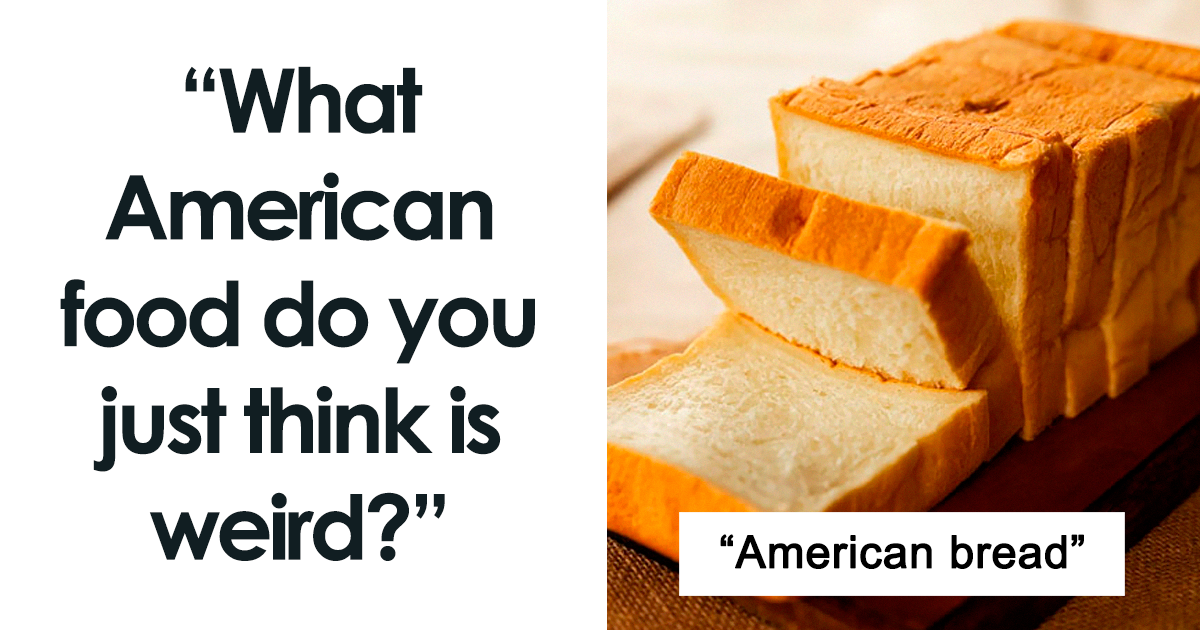
27. Sweet Sandwich Bread
Many non-Americans notice that packaged American sandwich bread tastes sweeter than bread in their home countries. That sweetness can make savory sandwiches feel strange. Americans often value softness, shelf life, and familiarity in sandwich bread. To outsiders, it may taste like cake auditioning for lunch duty.
28. Peanut Butter With Pickles
Peanut butter and pickle sandwiches exist, especially as an old-fashioned or regional curiosity. The combination of salty, sour, creamy, and crunchy has defenders. But for many non-Americans, and plenty of Americans too, it sounds like a refrigerator made a bet. Oddly enough, the flavor logic is not impossible. It is just emotionally challenging.
29. Scrapple
Scrapple, common in parts of the Mid-Atlantic, is made from pork scraps combined with cornmeal and spices, shaped into a loaf, sliced, and fried. Fans love its crispy edges and savory flavor. Critics cannot get past the name or ingredients. Like many traditional foods, scrapple was born from thrift. Nothing says “historic practicality” like turning leftovers into breakfast.
30. Rocky Mountain Oysters
Despite the name, Rocky Mountain oysters are not seafood. They are fried bull testicles. This is where many readers pause, reread the sentence, and quietly close the menu. The dish is part of ranching culture in parts of the American West. For adventurous eaters, it is a regional specialty. For others, it is a trust exercise served with dipping sauce.
Is American Food Really That Weird?
Yes and no. Some American foods are undeniably unusual, especially the processed snacks and fair foods that make headlines because they look outrageous. But every country has dishes that confuse outsiders. Fermented fish, blood sausage, century eggs, black pudding, natto, strong cheeses, organ meats, and salty licorice all have loyal fans and horrified critics.
The difference is visibility. American pop culture exports its foods aggressively. Movies show giant sodas, baseball hot dogs, Thanksgiving turkeys, lunchbox sandwiches, candy aisles, and fast-food meals. Global audiences see these foods repeatedly, so they become symbols of American eating, even when many Americans rarely eat the strangest examples.
Another factor is industrial food culture. The United States became very good at making food convenient, portable, shelf-stable, colorful, and brandable. That gave the world iconic snacks, cereals, sauces, and frozen meals. It also created foods that can feel less homemade and more laboratory-adjacent to people from cultures where daily meals are built around fresh markets, smaller portions, or less sugar.
What Non-Americans Often Misunderstand About American Cuisine
The biggest misunderstanding is that American food equals fast food. Burgers, fries, soda, and processed cheese are part of the picture, but they are not the whole mural. American cuisine is regional, multicultural, and constantly evolving. Barbecue alone changes dramatically from Texas to Kansas City to Memphis to the Carolinas. Pizza changes from New York slices to Chicago deep dish to Detroit squares. Southern food, Native food, Mexican American food, Filipino American food, Vietnamese American food, Jewish deli food, soul food, Cajun food, and farm-to-table California cooking all belong to the American table.
Even the foods that outsiders mock often have context. Jell-O salad reflects the rise of convenience cooking. Casseroles tell a story about budget meals and community gatherings. PB&J shows how school lunches, packaged bread, commercial peanut butter, and family routines shaped a national habit. Root beer connects to old-fashioned soda fountains and herbal flavors. These foods may not impress everyone, but they are not random. They come from real histories.
Why Americans Still Love These Foods
Nostalgia is the secret ingredient. A food does not have to be objectively elegant to be emotionally delicious. The snack your grandmother served, the sandwich in your lunchbox, the soda you drank at summer camp, the casserole on the Thanksgiving table, the cereal you begged for as a kidthese foods become personal landmarks.
That is why debates about “disgusting American foods” are so funny and so heated. People are not only defending flavor. They are defending memory. When someone insults canned cranberry sauce, they might accidentally insult Aunt Linda, the family holiday table, and the sacred sound of a gelatin cylinder sliding onto a plate.
Personal Experiences: Tasting “Weird” American Foods With Fresh Eyes
One of the best ways to understand this topic is to imagine a table full of classic American foods served to people trying them for the first time. The reactions would probably be more entertaining than the meal itself. Someone would cautiously sniff root beer and say, “Why is the soda medicinal?” Someone else would bite into a peanut butter and jelly sandwich and try to decide whether Americans had invented lunch or dessert with commitment issues. A third person would stare at spray cheese as if waiting for it to explain its purpose.
The funny thing is that first impressions can change. Many foods that seem strange at first become enjoyable once the eater understands how they are supposed to work. Biscuits and gravy may look heavy, but on a cold morning it makes perfect emotional sense. Ranch dressing may seem excessive until it meets hot wings. A corn dog may look childish until you eat one at a fair, surrounded by music, fried dough, and people trying to win giant stuffed animals they absolutely cannot fit in the car.
On the other hand, some foods never win people over, and that is fine. Taste is not a courtroom. Nobody has to prove root beer is good beyond a reasonable doubt. If it tastes like toothpaste to someone, no patriotic speech will fix that. Food memories are built early, and flavors connected to medicine, cleaning products, or artificial sweetness can be hard to reinterpret as delicious.
What makes American food experiences especially memorable is the sense of abundance. A visitor may order pancakes and receive a stack the size of a paperback novel. They may order a soda and receive a cup large enough to hydrate a small hiking group. They may walk into a supermarket and find entire aisles dedicated to cereal, chips, salad dressings, frozen pizza, barbecue sauce, and cookies. For some, that abundance is exciting. For others, it feels overwhelming, like the food is shouting in capital letters.
There is also a playful quality to many American foods. State fairs deep-fry things just to see what happens. Diners combine sweet and savory without asking permission. Holiday tables mix tradition with convenience products. Snack brands create limited-edition flavors that sound like dares. This creativity can produce brilliance, disaster, or something in between. Either way, it gives people something to talk about.
The most enjoyable approach is curiosity. Instead of asking, “How can anyone eat this?” ask, “What story does this food tell?” Spray cheese tells a story about convenience and novelty. Sweet potato casserole tells a story about holidays and regional tastes. Scrapple tells a story about thrift. PB&J tells a story about childhood routines. Even the strangest foods are little edible history lessons, though some of them are history lessons best taken in small bites.
In the end, non-Americans roasting American foods is part comedy, part cultural study, and part reminder that every cuisine looks weird from the outside. The same person laughing at marshmallow sweet potatoes may adore something equally baffling to an American visitor. That is the beauty of global food culture: everyone gets a turn being confused.
Conclusion
American foods that non-Americans find disgusting reveal more about culture than taste alone. Many of the most criticized foods are sweet, processed, oversized, nostalgic, or regionally specific. Some deserve a little side-eye. Others are misunderstood comfort foods with long histories and loyal fans. Whether you love root beer, fear Jell-O salad, respect biscuits and gravy, or believe spray cheese should be studied by scientists, one thing is clear: American food is never boring.
The next time someone mocks an American dish, do not panic. Offer context, offer a small bite, and keep a backup snack nearby. Food should be fun, and few things are more entertaining than watching people from different cultures react honestly to what others consider normal. Today’s “disgusting” dish might become tomorrow’s guilty pleasureor at least a great story.
Note: This article is an original, plagiarism-free synthesis based on real American food culture, common international reactions, public food discussions, and reputable U.S. food, nutrition, and culinary history references.