

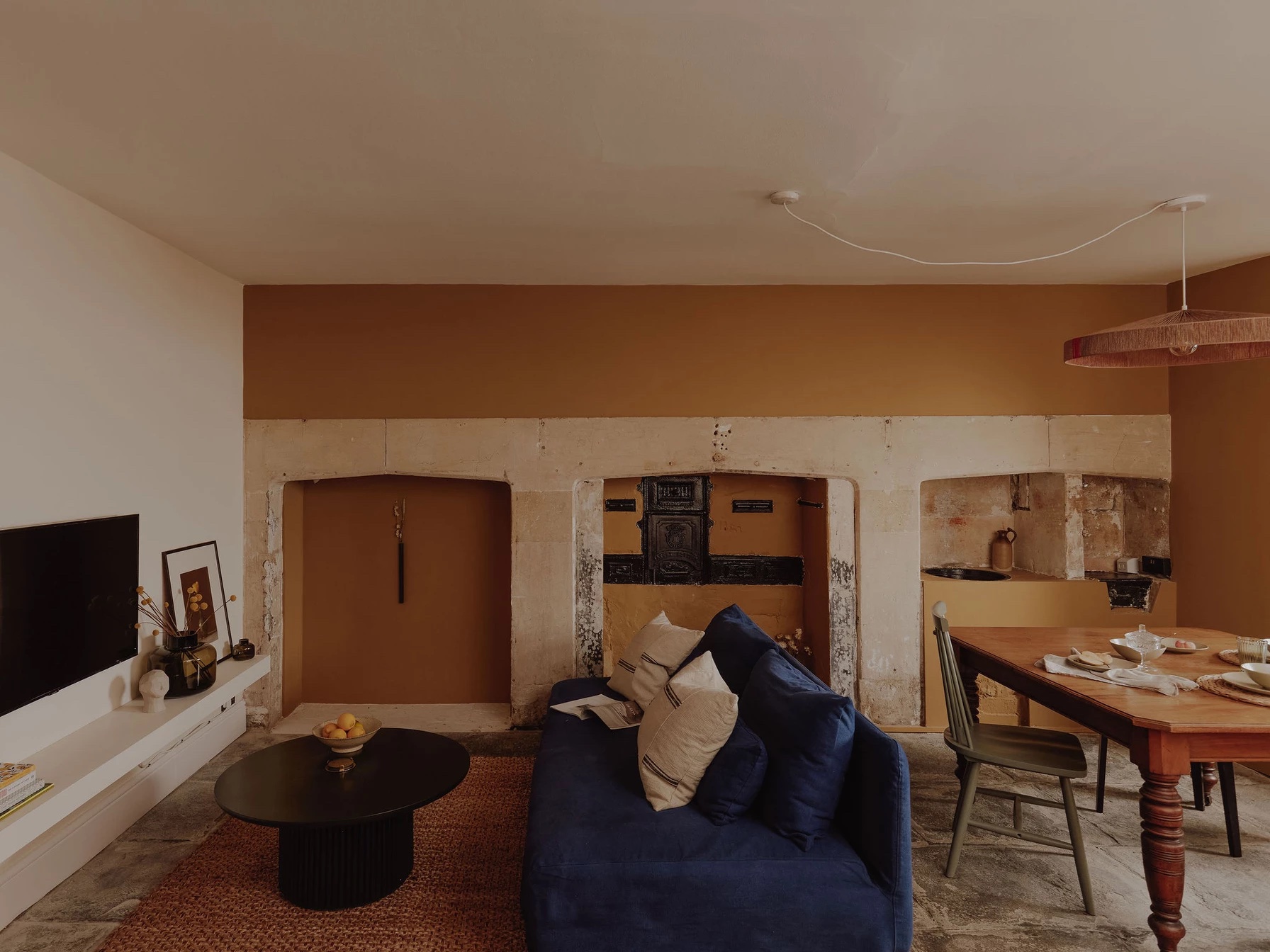
Compact living in an ancient Georgian terrace in Bath sounds like the sort of phrase that should arrive with a brass key, a handwritten note, and a faint smell of beeswax polish. It also sounds suspiciously like a design challenge: How do you fit modern life, a real kitchen, comfortable seating, storage, personality, and at least one decent coffee mug into a historic home that was never asked to accommodate phone chargers, yoga mats, or a stand mixer named “Barbara”?
The answer is not to fight the building. The answer is to flirt with it. Bath’s Georgian terraces are famous for their elegant proportions, warm honey-colored stone, sash windows, classical symmetry, and a kind of quiet confidence that says, “I looked good in 1775 and I know it.” The best compact interiors in these homes do not bury that character under trend confetti. They amplify it with smart storage, rich color, hardworking furniture, and just enough old-world romance to make doing the dishes feel like a scene from a period drama with better plumbing.
This guide breaks down how to steal the look of compact living in a Georgian terrace in Bath: the warm palette, the space-saving layout, the vintage-meets-modern furniture, the kitchen-as-heart approach, and the practical details that make a small home feel intentional rather than improvised. Tiny home, rented apartment, narrow townhouse, or city studiothis look travels beautifully.
Why Bath’s Georgian Terrace Style Still Works
Bath is one of the world’s great architectural mood boards. Its Georgian streets were planned with rhythm, restraint, proportion, and social theater in mind. The Royal Crescent, The Circus, Queen Square, and many surrounding terraces were designed not as random rows of houses, but as sweeping urban compositions. Even the stone seems to understand the assignment: Bath stone has that buttery, golden tone that makes the city glow when the light hits it just right.
In a compact home, this matters because Georgian design already knows how to create order. Symmetry, tall windows, clean lines, handsome moldings, and balanced rooms bring structure to limited square footage. When the bones are graceful, you do not need to fill every inch with decoration. In fact, please don’t. A Georgian-inspired compact interior succeeds when the room can breathe, even if the floor plan is doing its best impression of a postage stamp.
The Look: Historic Bones, Modern Nerve
The inspiration here is a small ground-level flat in Bath known as The Aspiring Cook, designed with historic character, culinary heritage, and compact functionality in mind. Its design nods to Hannah Glasse, the influential 18th-century English cookery writer whose book The Art of Cookery Made Plain and Easy became a household reference in Britain and the American colonies. That background gives the space a charming thesis: a small home can still be generous if it is arranged around daily ritualscooking, eating, reading, resting, and gathering.
The lesson is simple: compact living does not mean living with less personality. It means every object has to audition. The chair must be comfortable and handsome. The table must earn its square footage. The shelves must hold useful things and look good while doing it. The color must make the room feel alive, not visually smaller. The result is a home that feels curated, not cramped.
Start With a Warm, Historic Color Palette
Many small-space guides will tell you to paint everything white. White can be lovely, but it is not the only ticket to an airy room. In a Georgian terrace, warm ochre, muted mustard, tobacco, cream, stone, olive, and deep brown can create depth without swallowing the space. Ochre is especially clever because it echoes candlelight, aged plaster, old cookbooks, and Bath stone without turning your apartment into a museum gift shop.
Try These Color Combinations
For a soft Georgian-inspired compact living room, pair ochre walls with warm white trim, natural wood, aged brass, and linen upholstery. For something moodier, combine olive walls with cream curtains, dark wood, and black accents. If you rent and cannot paint, bring the palette in through textiles: a mustard throw, a striped cushion, a vintage rug, or framed artwork with faded golden tones.
The trick is continuity. In a small home, too many disconnected colors can make every corner feel like a separate argument. Choose one dominant warm tone, one quiet neutral, one dark grounding accent, and one tiny surprise color. Think ochre, cream, walnut, and a flash of tomato red. That little red moment is the design equivalent of adding lemon zest: small, but suddenly everything tastes brighter.
Make the Kitchen the Social Center
In compact living, the kitchen often cannot hide behind doors. It is right there, waving politely from the main room. Instead of pretending it is invisible, make it beautiful. A central kitchen-living-dining space works when the kitchen feels like furniture rather than a utility zone. Traditional cabinet fronts, open shelves, peg rails, warm metals, and a compact dining table can turn the cooking area into the emotional heart of the home.
For the Georgian terrace look, avoid overly glossy finishes. Choose materials with texture: painted wood, marble or marble-look counters, butcher block, ceramic tile, brass knobs, and simple iron hooks. Display only the useful and beautiful items: white plates, copper pans, wood boards, glass jars, and the one ceramic bowl you bought because it “spoke to you” in a shop and apparently had a lot to say.
Small Kitchen Ideas to Steal
Use wall-mounted rails for utensils, shallow open shelves for dishes, and a small table that can function as prep space, dining space, and laptop space. If possible, pick stools or chairs that tuck fully under the table. Add a mirror or reflective artwork near the kitchen to bounce light. Keep the countertop mostly clear, because visual breathing room is the cheapest square footage you will ever buy.
Choose Furniture That Works Harder Than It Looks
Compact Georgian-inspired living depends on furniture with manners. Nothing should bully the room. Avoid oversized sofas with arms the size of medieval fortifications. Choose slimmer silhouettes, exposed legs, rounded corners, and pieces that can move when needed. A small settee, a drop-leaf table, nesting side tables, storage benches, and wall-mounted lighting all help a room perform multiple jobs without looking like a furniture warehouse after a power outage.
The goal is not minimalism in the cold, echoey sense. The goal is usefulness with charm. A storage ottoman can hold blankets. A bench can sit at the dining table and slide into an entryway. A narrow console can become a bar, desk, landing strip, or plant hospital. A daybed can serve as sofa by day and guest bed by night, assuming your guest understands that compact living is a team sport.
Use Vertical Space Like a Georgian Architect Would Approve
Historic terraces often have taller ceilings than their square footage suggests, which is excellent news for compact living. When the floor plan is limited, the walls become prime real estate. Tall shelves, peg rails, wall hooks, picture ledges, and high-mounted cabinets keep clutter off the floor while drawing the eye upward.
But vertical storage should still look composed. Do not stack bins to the ceiling and call it “European.” Mix closed storage with open display. Put practical items in baskets or cabinets, and let the visible shelves hold objects with rhythm: books, ceramics, framed art, a lamp, a plant, and perhaps one tiny antique portrait of a person who looks mildly disappointed in your inbox count.
Let Light Do the Heavy Lifting
Georgian homes are known for sash windows, and those windows are design gold. In a compact room, natural light is not just pretty; it is a space-expanding strategy. Keep window treatments simple. Linen curtains, Roman shades, or café curtains can add softness without blocking too much light. Mount curtain rods higher and wider than the window frame to exaggerate height and width.
Mirrors are another essential move. A mirror placed opposite or near a window can bounce daylight deeper into the room. Choose a frame that fits the historic moodgilt, black wood, antique brass, or painted timber. Avoid anything too shiny and showroom-perfect unless you want the room to feel like it is wearing new shoes to a muddy garden party.
Mix Old and New Without Making the Room Time Travel
The best Georgian terrace interiors do not look frozen in the 18th century. They look layered. A vintage table can sit beside a modern lamp. A classic rush-seat chair can work with contemporary art. A simple sofa can be dressed with striped pillows and a wool throw. The contrast keeps the space fresh.
To steal this look, shop slowly. Search for antique or vintage wood furniture, old framed prints, brass candlesticks, ceramic pitchers, woven baskets, and linen textiles. Then balance them with modern essentials: a clean-lined sofa, efficient appliances, task lighting, and a good mattress. Historic charm is wonderful, but nobody wants to sleep like a minor character in a Dickens subplot.
Create Zones Without Building Walls
Compact living works best when each area has a clear purpose. In an open kitchen-living-dining room, use rugs, lighting, furniture placement, and color to create zones. A pendant over the dining table says, “This is where we eat.” A rug under the settee says, “This is where we collapse after pretending we enjoy errands.” A wall shelf above a small desk says, “This is the office, please ignore the laundry basket.”
Keep pathways open. In small homes, the route through a room matters as much as the furniture itself. If you have to sidestep a chair every time you make tea, that chair is not charming; it is a domestic obstacle course.
Decorate With Useful Beauty
The Georgian terrace look is not sterile. It welcomes objects, but it prefers objects with jobs. A jug can hold flowers. A tray can gather keys. A basket can hide throws. A candleholder can add evening atmosphere. A row of hooks can hold aprons, bags, and hats. This is the sweet spot between minimalism and clutter: everything earns its keep, but the room still feels human.
Artwork should feel collected rather than matched. Botanical prints, kitchen still lifes, small landscapes, old maps, and simple portraits work beautifully. Hang art slightly lower than you think, especially in a small room, so it relates to the furniture rather than floating near the ceiling like it is trying to escape.
Bring in Texture Before You Bring in More Stuff
When a small space feels flat, the solution is usually texture, not more objects. Linen curtains, wool rugs, cane chairs, aged wood, ceramic lamps, iron hardware, and woven baskets create richness without crowding the room. Texture makes a compact home feel layered and comfortable, even when the actual number of possessions is edited.
This is especially important in a historic setting. Georgian architecture has restraint, so texture provides warmth. A plain wall with a linen shade, an old chair, and a worn wood table can feel more expensive than a room full of shiny new decor. Patina is your friend. It is also very forgiving when you accidentally scratch the table while enthusiastically opening a package with scissors.
How to Steal the Look on a Real-Life Budget
You do not need a Georgian terrace in Bath to borrow the feeling. Start with paint or textiles in a warm historical color. Add one vintage wood piece. Replace bulky lamps with wall sconces or slim task lights. Use a mirror to boost daylight. Add hooks, rails, or shelves to free up surfaces. Choose a compact table that can do three jobs. Edit your decor until the room feels intentional but not empty.
If you can only buy three things, make them these: a warm-toned rug, a storage piece with character, and a beautiful lamp. Lighting changes everything. A small room with bad lighting feels like a waiting room for a dentist who collects beige. A small room with layered lighting feels intimate, thoughtful, and ready for soup.
Common Mistakes to Avoid
Buying Furniture Before Measuring
Historic homes are famous for charming irregularities. Measure doors, stairs, alcoves, ceiling heights, and awkward corners before buying anything large. A sofa that cannot enter the building is not a sofa; it is an expensive sidewalk sculpture.
Over-Theming the Space
A Georgian-inspired room does not need quills, powdered wigs, or faux-antique everything. One or two historical references are enough. The room should feel inspired by the past, not trapped in it.
Ignoring Storage
Pretty rooms fail quickly without storage. Use hidden storage for the unromantic parts of life: cables, cleaning supplies, paperwork, spare linens, and the mystery drawer contents that nobody wants to discuss.
Experience Notes: Living With the Compact Georgian Terrace Look
The first thing you learn from compact living is that a small home tells the truth. In a large house, clutter can wander off and hide in a spare room like a Victorian orphan. In a compact apartment, clutter stands in the middle of the room wearing tap shoes. That is why the Georgian terrace approach is so useful: it gives you beauty and discipline at the same time.
Imagine waking up in a Bath-inspired compact flat. Morning light slips through tall sash-style windows or, if your apartment is not blessed with actual Georgian windows, through simple linen curtains that create the same gentle effect. The walls are warm ochre or creamy stone, so the room does not feel cold before coffee. A small table sits near the kitchen, ready for breakfast, emails, chopping vegetables, or a dramatic pause while you decide whether today is a “cook properly” day or a “toast counts” day.
In this kind of space, routines become part of the design. The rail near the kitchen holds the pan you use most. The basket under the bench stores market bags. The shelf above the table keeps cookbooks, a candle, and a small framed print. The storage ottoman hides the blanket you pull out every evening. Nothing is random. Or at least, nothing looks random, which is often good enough for civilized living.
The emotional benefit is surprising. Compact living can feel stressful when every item competes for attention. But when the palette is calm, the furniture fits, and the storage is logical, a small room can feel protective rather than cramped. There is less distance between tasks. You can cook while chatting with a friend. You can reach the bookshelf from the sofa. You can clean the entire living area without needing a podcast series and a recovery snack.
The historic styling helps, too. Vintage wood, brass, linen, ceramics, and warm paint bring a sense of continuity. They remind you that homes do not need to be enormous to be memorable. Georgian terraces were built with social ambition and architectural grace, but the most livable modern versions are not about grandeur. They are about proportion, comfort, and daily pleasure.
The best experience comes when you stop apologizing for the size of the home. Instead of saying, “It’s small,” you start saying, “It’s edited.” Instead of wishing for a separate dining room, you invest in a table that makes every meal feel considered. Instead of hiding the kitchen, you make it beautiful. Instead of buying more decor, you choose better texture. Compact living becomes less about sacrifice and more about precision.
That is the real secret behind stealing this look. It is not just ochre paint or antique chairs or clever shelving. It is the confidence to let a small home be small, while still making it stylish, functional, and deeply personal. A compact Georgian-inspired space says: yes, the square footage is modest, but the atmosphere is doing cartwheels.
Conclusion: Small Space, Big Character
Stealing the look of compact living in an ancient Georgian terrace in Bath is about honoring character while solving real-life problems. Keep the palette warm, the furniture hardworking, the storage elegant, and the layout flexible. Let the kitchen be part of the story. Use vertical space wisely. Mix antique charm with modern comfort. Above all, remember that a small home does not need to feel like a compromise.
When done well, compact living feels intimate, efficient, and quietly luxurious. Bath’s Georgian terraces prove that proportion and atmosphere can outshine size. And honestly, if a tiny room can hold history, dinner, good lighting, a comfortable chair, and your entire personality without breaking a sweat, maybe it is not tiny after all. Maybe it is just very well edited.