

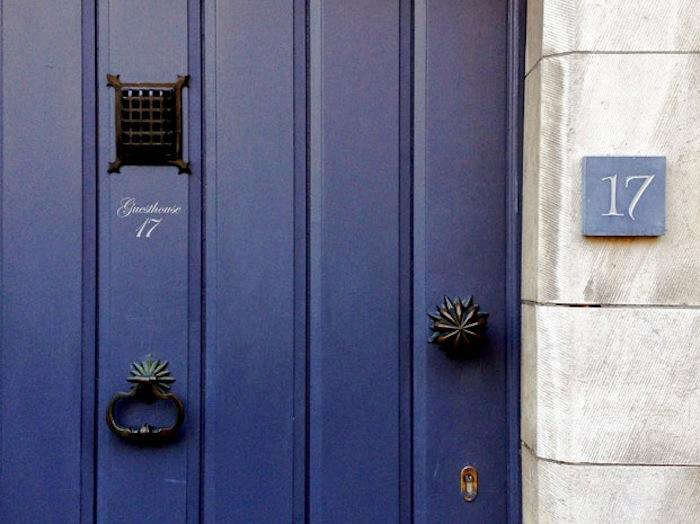
If the phrase Low Country Doors makes you picture a breezy Southern porch and a glass of sweet tea, fair enough. But the design mood behind this look actually leans more Amsterdam-and-Antwerp than marsh-and-magnolia. Think Dutch and Belgian doorways with saturated paint, crisp lettering, graphic house numbers, beautiful hardware, and just enough old-world charm to make your front entry feel like it belongs in a city where bicycles outnumber parking spots.
That is exactly why this style still feels so fresh. It is practical without being boring, elegant without being uptight, and distinctive without demanding that you rebuild your whole facade. In other words, it is a front-door upgrade with excellent manners. You do not need a canal house, a cobblestone lane, or a surname like Van Something to pull it off. You just need a door, a point of view, and the willingness to stop treating your entry like an afterthought.
Here is how to steal the look of Low Country doors in a way that feels authentic, usable, and absolutely publication-ready for real American homes.
What “Low Country Doors” Actually Looks Like
At its core, this look is about the doorway as a composition, not just a slab of wood with a knob. In the original European-inspired version, the magic often comes from details people usually rush past: painted panels, house numbers, typography, enamel-like shine, a brass letter slot, a tidy lantern, or white lettering against a dark door. The door is not screaming for attention, but it is definitely aware that it is being perceived.
The palette tends to be bold yet classic. Rich black, inky blue, lush green, crisp red, and chalky pale blues all work beautifully. The finish matters too. A glossy or satin sheen can make even a simple door feel polished, intentional, and a little bit grand. That is the secret sauce: not necessarily fancy materials, but an edited combination of color, sheen, and detail.
There is also a certain European restraint at work. These doors do not pile on ten trends at once. They rely on strong basics: one memorable color, one legible number style, one coordinated metal finish, and maybe one decorative accent that earns its keep. No visual chaos. No twelve-signs-on-the-porch situation. No wreath that looks like it fought a craft store and lost.
The Signature Elements of the Look
1. Saturated paint with a tailored finish
If you want the Low Country door look, paint is doing a lot of the heavy lifting. Glossy black feels formal and dramatic. Deep blue looks urbane and artistic. Green reads historic and grounded. Red brings instant confidence. Even pale blue can look unexpectedly continental when the surrounding trim and hardware are kept clean and crisp.
The finish is just as important as the color. A high-gloss or porcelain-like finish gives a door that reflective, jewel-box quality people associate with beautifully kept European entries. But there is a catch: glossy doors are honest to a fault. Every ding, dent, ripple, and lazy prep step will show up like an uninvited guest. If you go glossy, commit to sanding, filling, priming, and patient painting. This is not the moment for “that should be good enough.”
2. House numbers and lettering as design
One of the most distinctive things about this style is the way numbers and lettering become part of the architecture. Instead of treating the address as a legal requirement, Low Country-inspired doors make it decorative. The numbers may be painted directly on the door, mounted in brass, or rendered in a minimalist modern font. Either way, they are visible, graphic, and deliberate.
This is one of the easiest ways to capture the spirit of the look without replacing your door at all. A simple black entry can suddenly feel European with crisp white numbers. A blue door can feel custom with brass numerals mounted in a clean row. The point is readability with personality. Your pizza delivery driver should be able to find the house, but your front entry should still look like it was styled by someone with excellent taste and a healthy respect for typography.
3. Coordinated hardware
Hardware is the jewelry of the door, and Low Country doors understand that deeply. Not in a “more sparkle!” way, but in a “one perfect cuff bracelet” way. A beautiful lever, a classic knob, a brass pull, a door knocker, or a streamlined lockset can turn a decent entry into a memorable one.
The trick is coordination. If your numbers are brass, your hardware and porch light should speak the same language. If your house leans modern, matte black or dark bronze can work beautifully. If you are chasing a more historic or European feeling, unlacquered or aged brass brings warmth and patina. Mixing finishes can work, but not when it looks accidental. The whole entry should read as one sentence, not a paragraph written by five different people.
4. A hint of glass or light
Many of the most charming versions of this look include some interplay between solid panels and light. That might mean a divided-lite upper section, a glazed top half, a nearby transom, or simply a pendant and sconces that frame the door beautifully after dark. Dutch doors are especially good at this because they feel cheerful, practical, and old-world all at once.
Even if you do not have a true Dutch door, you can borrow the effect by choosing lighting that adds structure to the entry. A pair of lanterns, one pendant, or a strong overhead fixture can make the door look composed and architectural rather than lonely and underdressed.
How to Recreate the Look at Home
Start with the door you already have
You do not need to order an imported antique or rip out a perfectly good front entry to get the Low Country look. A flat-paneled door, a four-panel door, a divided-lite door, and a Dutch door can all work. What matters most is the styling. If your current door has good bones, keep it and improve the details.
If you are replacing the door entirely, think about your home’s architecture first. Cottage homes look charming with Dutch doors. Traditional houses can carry glossy black or dark green beautifully. Farmhouse exteriors can handle a split door with matte black paint. Brick facades love contrast. White houses especially benefit from one strong, moody color at the entry.
Pick a color with backbone
Low Country doors do not whisper. They do not have to be neon or trendy, but they should feel intentional. Black is timeless and graphic. Blue can range from nautical to moody to almost scholarly. Green nods to heritage and gardens. Red feels classic, especially when the rest of the entry is disciplined. If you want something softer, pale blue or gray-green can still deliver the look when paired with strong numbers and handsome hardware.
The safest mistake is choosing a color that is too timid. The bigger mistake is choosing a loud color and then styling the rest of the entry like it belongs to another house. If you go bright, keep the hardware and accessories edited. Let the door be the event.
Add numbers, lettering, or both
This is where the look really starts to click. Large numbers mounted flush or with a subtle floating effect can make an entry feel curated almost instantly. Painted lettering can lean more European and artistic, while metal numerals feel tailored and architectural. Either way, avoid fussy fonts that look like they belong on a cupcake shop menu.
A clean sans serif works well for modern homes. A serif or old-style numeral can make sense on historic or traditional houses. White on black is striking. Brass on blue feels rich. Black on pale green feels restrained and elegant. Small change, big payoff.
Layer in the right hardware and lighting
Once the color and numbers are in place, hardware should support the story. A brass pull and matching knocker feel polished. Matte black levers can look cool and contemporary, especially against a pale or colorful door. A single pendant or paired sconces create symmetry and help the entry read as a composed vignette rather than just a point of access.
Planters, a simple doormat, and maybe one wreath or basket can add warmth, but restraint matters. The Low Country spirit is more “beautifully edited doorway” than “seasonal decor command center.” One basket of branches? Lovely. Twelve novelty signs? Please step away from the porch.
The Best Materials for a Real-Life Version
Style is one thing. Real life is another. Your front door has to survive weather, sunlight, moisture, scratches, keys, deliveries, and that one relative who somehow knocks with the force of a battering ram. If you love the look of wood but not the maintenance, fiberglass deserves serious consideration. Many modern fiberglass doors mimic wood convincingly while resisting swelling, shrinking, cracking, and rusting better than traditional wood or steel in more demanding conditions.
That makes fiberglass especially smart if you want a painted European-style look with lower upkeep. Wood can still be beautiful, of course, but it asks more of you over time. If you are after the romance of a glossy painted entry without adopting a new hobby called “door maintenance,” a quality fiberglass door may be your most practical path to happiness.
Whatever material you choose, maintenance still matters. Clean the door, inspect the weather stripping, touch up damage early, and keep hardware functioning smoothly. A gorgeous entry loses a lot of magic when the paint is chipped and the latch sticks like it is negotiating a contract.
Common Mistakes That Kill the Look
The first mistake is ignoring the whole entry and focusing only on paint. The door may be the star, but the supporting cast matters. If the light fixture, house numbers, lockset, mailbox, and planters all look unrelated, the effect falls apart.
The second mistake is using high-gloss paint without proper prep. A glossy door can look spectacular, but it is not forgiving. If the surface is rough, the finish will advertise that loudly.
The third mistake is overdecorating. This look thrives on clarity. Too many wreaths, signs, faux florals, ribbons, and novelty accessories can bury the elegance that makes Low Country doors feel special in the first place.
The fourth mistake is choosing style over function. A front door still has to close properly, resist weather, feel secure, and suit your house. Beauty is important. So is not letting in rain, heat, cold, or raccoons.
What It’s Actually Like to Live With This Look
Recreating the Low Country door look is one of those design projects that seems small at first and then quietly changes the mood of your whole home. You notice it before you even reach for the key. The door starts to feel less like a utility and more like a welcome. The entry becomes a pause, a moment, a tiny ceremony between outside and inside.
In practical terms, the experience begins with indecision. You stand in front of paint chips wondering whether black is too serious, blue is too safe, green is too precious, and red is a decision that may require emotional support. Then you test colors, stare at them in morning light, stare again at dusk, and suddenly develop the kind of relationship with your front stoop usually reserved for houseplants and sourdough starters.
Once the paint goes on, the transformation is immediate. A tired door suddenly has posture. The trim looks sharper. The brick or siding around it looks more intentional. Even the porch seems to behave better. Add a pair of numbers, and the whole thing starts to feel curated. Add new hardware, and now the door has confidence. It is no longer just there. It has opinions.
There is also a tactile pleasure to the finished result. A smooth painted surface, a cool brass pull, a solid click from the lockset, a lantern glowing in the evening, the contrast of crisp numbers against rich color, the soft scrape of a doormat underfoot: these are tiny sensory details, but they add up. They make coming home feel better. Not in a dramatic, movie-soundtrack way. More in a subtle “ah, yes, this place is mine and it looks fantastic” way.
Guests notice too. They may not say, “What a lovely Low Countries-inspired doorway composition,” because most people do not speak like magazine captions. But they will pause. They will compliment the color. They will ask where you found the hardware. They will clock the numbers. They will register that your house feels put together before they even cross the threshold.
And perhaps the best part is that the look ages well when you do it right. It does not depend on a hyper-specific trend cycle. A dark glossy door with elegant numerals and coordinated hardware still looks good next year, and probably five years from now. That kind of staying power is rare in a world that wants you to repaint everything because a new microtrend has decided beige is over or chartreuse is healing.
There are, of course, real-life lessons. Glossy paint requires care. Light fixtures attract bugs with unsettling enthusiasm. Brass develops character, which is a polite way of saying it may stop looking brand new. Wreaths fade. Doormats wear out. And if you choose a split Dutch door because it looks adorable, you may discover that neighbors, delivery people, and pets all find it equally fascinating.
But those are good problems. They are signs that the entry is being lived with, used, and enjoyed. That is what makes this style so satisfying. It is decorative, yes, but not precious. It can be grand without feeling stiff and charming without becoming cutesy. It welcomes people in, frames the architecture, and gives the house a face you actually want to come home to.
That is the real appeal of stealing this look. You are not just copying a pretty door. You are borrowing a way of thinking: that everyday architectural details deserve beauty, that utility can be stylish, and that the smallest exterior changes can completely shift the feeling of a home. Not bad for one hardworking rectangle on hinges.
Final Thoughts
Low Country doors prove that a front entry does not have to be oversized, ornate, or expensive to be unforgettable. With the right color, the right finish, legible and stylish numbers, coordinated hardware, and a little restraint, you can create an entrance that feels timeless, tailored, and just European enough to make people wonder whether you have recently become the sort of person who casually says “weekend in Bruges.”
The best version of this look is not a perfect copy of someone else’s doorway. It is a smart adaptation for your own home, your climate, and your architecture. Keep the spirit: bold color, clean typography, thoughtful hardware, and a disciplined eye. Do that, and your front door will not just look better. It will look like it finally knows who it is.