

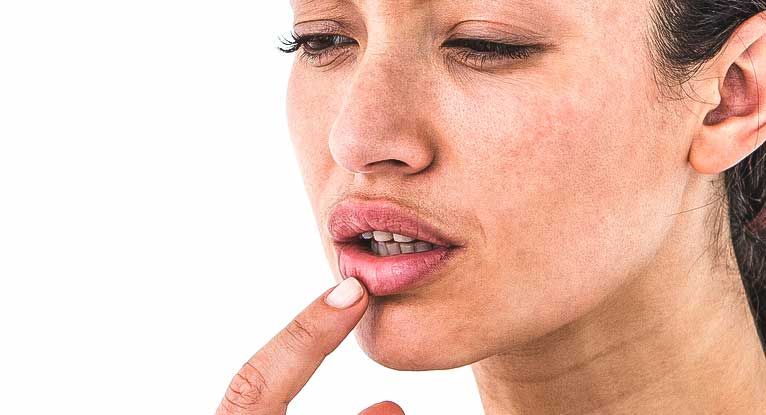
Stomatitis is a broad medical term for inflammation affecting the lining of the mouth or lips. It may show up as a single irritating ulcer, widespread redness, clusters of blisters, white patches, swollen gums, or a mouth so tender that eating toast feels like chewing decorative gravel.
Although many cases are mild and temporary, stomatitis is not one specific disease. It is a symptom category with numerous possible causes, including canker sores, viral or fungal infections, poorly fitting dentures, dry mouth, medication reactions, nutritional deficiencies, autoimmune disorders, and cancer treatment. Understanding which type is present matters because the right treatment for one form may do absolutely nothing for another.
What Is Stomatitis?
Stomatitis means inflammation of the oral mucosa, the soft tissue lining the cheeks, gums, tongue, lips, palate, and floor of the mouth. The inflammation may be limited to one area or affect much of the oral cavity.
Some clinicians use the term oral mucositis when inflammation is caused by chemotherapy, radiation therapy, or another treatment that damages rapidly dividing cells in the mouth. Other terms describe more specific locations. Gingivostomatitis, for example, affects both the gums and other oral tissues, while cheilitis primarily involves the lips.
Stomatitis can be acute, meaning it appears suddenly and resolves, or recurrent, meaning sores repeatedly disappear and return. The condition can affect people of any age, from toddlers with a viral infection to older adults whose dentures have started behaving like tiny plastic troublemakers.
Common Types of Stomatitis
Aphthous Stomatitis, or Canker Sores
Aphthous ulcers are small, painful sores that form inside the mouth, commonly on the inner lips, cheeks, tongue, soft palate, or base of the gums. They usually have a white, yellow, or gray center surrounded by a red border.
Canker sores are not caused by the herpes virus and are not contagious. Minor sores often heal within one or two weeks. Larger or deeper ulcers may last longer, cause more pain, and occasionally leave scars.
Herpetic Stomatitis
Herpetic stomatitis is caused by herpes simplex virus, usually HSV-1. A first infection may cause fever, swollen or bleeding gums, irritability, painful blisters, and numerous ulcers throughout the mouth. It is especially common in young children, although people of any age can be affected.
Unlike canker sores, herpes-related lesions are contagious. The virus can spread through saliva, close contact, shared utensils, or direct contact with active sores. After the initial infection, the virus remains inactive in nerve tissue and may later cause cold sores around the lips.
Denture Stomatitis
Denture stomatitis usually appears as red, irritated tissue underneath a removable denture. Candida yeast often plays a role, but poor denture hygiene, sleeping in dentures, dry mouth, smoking, and an improper fit can also contribute.
Some people have little or no pain and discover the condition during a dental examination. Others notice burning, soreness, cracking at the corners of the mouth, altered taste, or discomfort when wearing the appliance.
Oral Thrush
Oral thrush is a Candida yeast infection that may cause creamy white patches on the tongue, cheeks, gums, or roof of the mouth. The patches may wipe away and leave a tender or bleeding surface. Thrush is more likely in infants, older adults, people with diabetes, denture wearers, and people using antibiotics, inhaled corticosteroids, chemotherapy, or immune-suppressing medications.
Contact or Irritant Stomatitis
Certain products can irritate the mouth or trigger an allergic reaction. Possible offenders include strongly flavored toothpaste, mouthwash, cinnamon flavoring, dental materials, tobacco, vaping products, acidic foods, and harsh chemicals. Physical injuries from cheek biting, sharp teeth, braces, burns, or rough dental appliances may produce similar inflammation.
Cancer-Treatment-Related Oral Mucositis
Chemotherapy and radiation directed at the head or neck can damage rapidly growing cells in the oral lining. The resulting mucositis may cause widespread redness, ulcers, bleeding, thick saliva, dry mouth, taste changes, and severe pain with eating or swallowing.
This form requires active coordination with an oncology team because open sores can contribute to dehydration, poor nutrition, and infection, particularly when the immune system is suppressed.
What Causes Stomatitis?
The underlying cause is not always obvious. In many cases, several factors appear to work together rather than one villain dramatically announcing itself.
Common causes and triggers include:
- Minor injuries from biting the cheek, dental work, braces, burns, or sharp foods
- Viral infections, including herpes simplex and hand, foot, and mouth disease
- Fungal infections such as oral candidiasis
- Bacterial infections affecting the gums and oral tissues
- Dry mouth caused by medications, dehydration, radiation, or health conditions
- Poorly fitting dentures or wearing dentures overnight
- Emotional stress, fatigue, or inadequate sleep
- Hormonal changes
- Deficiencies involving iron, folate, vitamin B12, or other nutrients
- Food sensitivities or exposure to irritating oral-care products
- Chemotherapy, immunotherapy, or head and neck radiation
- Autoimmune and inflammatory conditions
Repeated or severe ulcers may sometimes accompany celiac disease, inflammatory bowel disease, Behçet disease, lupus, HIV infection, or blood disorders. This does not mean every recurring canker sore points to a serious illness. It means persistent patterns deserve evaluation rather than endless experiments involving salt, internet folklore, and heroic levels of denial.
Symptoms of Stomatitis
Symptoms vary according to the cause and severity. A patient may have one tiny ulcer that complains loudly or widespread inflammation that interferes with basic activities.
Possible symptoms include:
- Painful ulcers or open sores
- Red, swollen, shiny, or tender oral tissues
- White, yellow, or gray patches
- Clusters of blisters
- Swollen or bleeding gums
- Burning, tingling, or sensitivity
- Dry mouth or unusually thick saliva
- Bad breath or an unpleasant taste
- Cracking at the corners of the lips
- Difficulty chewing, speaking, drinking, or swallowing
- Reduced appetite
- Fever, fatigue, or swollen lymph nodes when infection is present
Young children may not be able to describe mouth pain. Warning behaviors include refusing food, drooling more than usual, crying during drinking, preferring only cold liquids, and producing fewer wet diapers.
How Stomatitis Is Diagnosed
A dentist or medical professional will usually begin by asking when the symptoms started, whether they recur, which medications the patient takes, and whether there has been recent illness, dental treatment, chemotherapy, radiation, or exposure to a new product.
The clinician examines the location, number, color, depth, and distribution of the lesions. The surrounding gums, tongue, throat, teeth, dentures, skin, and lymph nodes may also be checked. The pattern often provides important clues. A single ulcer next to a sharp tooth, for instance, suggests a different problem from widespread blisters accompanied by fever.
Testing is not always necessary. When the diagnosis is unclear or symptoms are persistent, a clinician may order:
- A swab or culture for viral, fungal, or bacterial infection
- Blood tests for anemia, nutrient deficiencies, inflammation, or immune problems
- Testing for an underlying gastrointestinal or autoimmune condition
- A biopsy of a persistent or suspicious lesion
An ulcer that does not heal should never be repeatedly dismissed as “probably just a canker sore.” Persistent red or white patches, unexplained lumps, or sores lasting longer than expected may require evaluation for precancerous changes or oral cancer.
Stomatitis Treatment
Stomatitis treatment depends on the cause. The main goals are to relieve pain, maintain hydration and nutrition, promote healing, and treat any underlying infection or disease.
Treatment for Canker Sores
Minor aphthous ulcers often heal without medical treatment. Protective pastes, soothing rinses, and over-the-counter pain products may reduce discomfort. For frequent, large, or unusually painful ulcers, a clinician may prescribe a corticosteroid dental paste or mouth rinse to reduce inflammation.
Topical anesthetics can temporarily numb painful areas, but they must be used exactly as directed. Excessive numbing can interfere with swallowing and increase the risk of burns from hot foods.
Treatment for Viral Stomatitis
Herpes infections may be treated with antiviral medication, especially when therapy begins early or symptoms are severe. Antibiotics do not treat herpes or other viral infections.
Patients should avoid kissing, sharing cups or utensils, and touching active lesions. Hands should be washed after applying medication or contacting the mouth.
Treatment for Fungal or Denture-Related Stomatitis
Oral candidiasis is generally treated with an antifungal medication prescribed in a liquid, lozenge, tablet, or topical form. Dentures may also require professional cleaning, adjustment, relining, or replacement.
Patients should clean dentures daily, remove them while sleeping unless specifically advised otherwise, and allow inflamed tissues time without pressure from the appliance. Treating the mouth while ignoring a yeast-covered denture is rather like mopping the floor while the faucet remains on.
Treatment for Oral Mucositis
Patients receiving cancer treatment should report mouth pain promptly rather than waiting until eating becomes impossible. The oncology team may recommend bland rinses, prescription pain relief, protective coatings, treatment for infection, saliva substitutes, nutritional support, or modifications to oral-care routines.
Patients should not add herbal rinses, concentrated essential oils, peroxide mixtures, or unapproved remedies without discussing them with the cancer-care team. Inflamed tissue is vulnerable, and “natural” does not automatically mean gentle.
Treating an Underlying Condition
When stomatitis results from a nutrient deficiency, autoimmune disease, medication reaction, dry mouth, or poorly controlled diabetes, lasting improvement usually requires addressing that factor. Patients should not stop prescription medication on their own. A clinician may adjust the drug, change the dose, or recommend strategies to protect the mouth.
Home Care and Patient Education
Gentle mouth care can reduce irritation and make recovery less miserable. The following measures are appropriate for many uncomplicated cases, although patients receiving cancer treatment or those with serious medical conditions should follow their care team’s specific instructions.
- Drink water frequently to prevent dehydration.
- Use a soft-bristled toothbrush and clean the mouth gently.
- Choose a mild fluoride toothpaste if strong flavors cause burning.
- Rinse with plain salt water or a clinician-approved bland rinse.
- Eat soft, moist foods such as oatmeal, yogurt, scrambled eggs, soup, mashed vegetables, or smoothies.
- Allow hot foods and drinks to cool before consuming them.
- Avoid spicy, acidic, salty, sharp, or crunchy foods during healing.
- Avoid tobacco, vaping, and alcohol.
- Skip mouthwash containing alcohol if it stings or dries the mouth.
- Use a straw when it helps direct liquid away from painful areas.
- Keep a symptom diary when sores repeatedly return.
A symptom diary can record foods, medications, menstrual timing, stress, sleep, oral-care products, and the location and duration of each outbreak. Patterns that seem invisible in the moment may become obvious after several episodes.
Do not place aspirin directly on an ulcer. Aspirin can chemically burn oral tissue and create a larger, more painful injury. Aggressive brushing, scraping white patches, or repeatedly applying concentrated peroxide can also delay healing.
When to Contact a Healthcare Professional
Arrange a dental or medical evaluation when:
- A sore persists for approximately two weeks or continues enlarging
- Ulcers return frequently or occur in large numbers
- Pain prevents normal eating, drinking, speaking, or sleeping
- There is unexplained weight loss, a neck lump, or persistent hoarseness
- White or red patches cannot be wiped away or do not resolve
- Sores develop after starting a new medication
- Symptoms occur with eye inflammation, genital ulcers, joint pain, diarrhea, or repeated fever
- The patient has diabetes, cancer, HIV, or a weakened immune system
- Dentures cause recurring redness, pressure sores, or bleeding
Seek urgent medical help for difficulty breathing, rapidly increasing swelling, inability to swallow liquids, confusion, severe weakness, or signs of dehydration. In children, concerning signs include very little urination, no tears while crying, unusual sleepiness, a dry mouth, or refusal of all fluids.
Can Stomatitis Be Prevented?
Not every episode is preventable, but practical habits can reduce avoidable irritation and infection.
- Brush gently twice daily and floss according to dental advice.
- Attend regular dental examinations.
- Repair sharp teeth and replace poorly fitting dental appliances.
- Clean removable dentures every day and remove them overnight.
- Rinse the mouth after using an inhaled corticosteroid.
- Stay hydrated and seek help for persistent dry mouth.
- Use lip protection and avoid tobacco products.
- Do not share utensils, drinks, lip products, or toothbrushes during contagious infections.
- Discuss preventive oral care before beginning chemotherapy or head and neck radiation.
Patient Experiences: What Living With Stomatitis Can Feel Like
The following examples are composite educational scenarios based on common patient experiences. They are not accounts of specific individuals, and they should not replace professional diagnosis.
The “Tiny Sore, Enormous Personality” Experience
A typical canker sore may begin with a faint tingling sensation inside the lower lip. By the next morning, a small round ulcer has appeared precisely where a tooth touches during every sentence, bite, and accidental smile. The sore is physically small but behaves as if it has rented the entire mouth.
During the first few days, citrus fruit, salsa, salty chips, and hot coffee may cause sharp pain. The patient often starts chewing on the opposite side and becomes surprisingly interested in yogurt, bananas, soft pasta, and anything that does not fight back. Most minor ulcers gradually become less painful and heal within one or two weeks.
The practical lesson is that pain intensity does not always reflect medical danger. A benign aphthous ulcer can hurt considerably. However, a sore that persists, repeatedly returns, or looks unusual still deserves evaluation.
The Parent Managing Viral Mouth Sores
A young child with viral stomatitis may first seem tired or feverish. Soon, eating becomes difficult, drooling increases, and even a favorite snack is rejected. Because toddlers are not known for delivering organized symptom reports, parents may initially assume the child is teething or simply having an exceptionally committed bad mood.
The most important concern often becomes hydration rather than food. Small, frequent amounts of cool liquid may be easier to tolerate. Frozen fruit bars or clinician-approved pain relief may help, depending on the child’s age and medical history. Parents should monitor urination, alertness, tears, and the moisture of the mouth. A child who cannot drink or shows signs of dehydration needs prompt medical care.
When herpes or hand, foot, and mouth disease is suspected, families also face the glamorous task of cleaning shared surfaces, washing hands constantly, and preventing siblings from trading cups as though beverage sharing were a competitive sport.
The Denture Wearer Who Feels “Mostly Fine”
Denture stomatitis can be sneaky. A person may notice mild redness beneath the upper denture but little pain. Because the denture still appears usable, the problem may continue for weeks. Sleeping in the appliance, inconsistent cleaning, and dry mouth can allow irritation and yeast growth to continue.
A dental visit may reveal that the denture needs adjustment and that an antifungal medicine is appropriate. Improvement usually depends on treating both the oral tissue and the appliance. Establishing a nightly removal and cleaning routine can feel inconvenient at first, but it gives the tissues time to recover and reduces the chance of another episode.
The Cancer Patient Navigating Oral Mucositis
For someone receiving chemotherapy or radiation, mouth soreness may progress from mild sensitivity to widespread inflammation. Foods that were previously comforting may suddenly taste metallic, feel rough, or burn. Talking can become tiring, and maintaining calorie and fluid intake can turn into a daily project.
Patients often benefit from reporting symptoms early, before pain becomes severe. A dietitian may suggest calorie-dense soft foods, while the oncology team may provide pain control and treatment for infection or dry mouth. Family members can help by serving smaller portions, avoiding strong smells, and asking what texture is tolerable that day rather than insisting on a favorite meal.
The emotional burden also matters. Eating is social, comforting, and closely tied to routine. When every bite hurts, frustration and isolation can follow. Acknowledging that impact is part of good patient education, not an optional extra.
The Recurrent-Sore Detective
Some patients experience ulcers every few weeks without understanding why. Keeping a written or photographic record can transform vague frustration into useful evidence. A pattern may emerge after stressful periods, poor sleep, accidental cheek biting, a particular toothpaste, or certain foods.
Sometimes no clear trigger appears, and medical testing is needed. The goal is not to blame every sore on stress or diet but to recognize when a recurring pattern requires a deeper look. Patient observations, combined with a professional examination, often provide more useful answers than random elimination diets or the latest dramatic cure circulating online.
Conclusion
Stomatitis is inflammation of the mouth or lips rather than a single diagnosis. It can result from canker sores, infections, irritation, dentures, dry mouth, medications, systemic disease, or cancer treatment. Most minor mouth sores improve with time and gentle care, but persistent, severe, or frequently recurring symptoms should be evaluated.
Patients should focus on hydration, soft foods, careful oral hygiene, and avoidance of obvious irritants. Treatment must match the cause: antivirals treat certain herpes infections, antifungals treat Candida, corticosteroid products may help selected inflammatory ulcers, and dental adjustment may be necessary for denture-related disease. When the mouth keeps sending the same painful memo, reading it properly is wiser than simply filing it under “annoying.”