

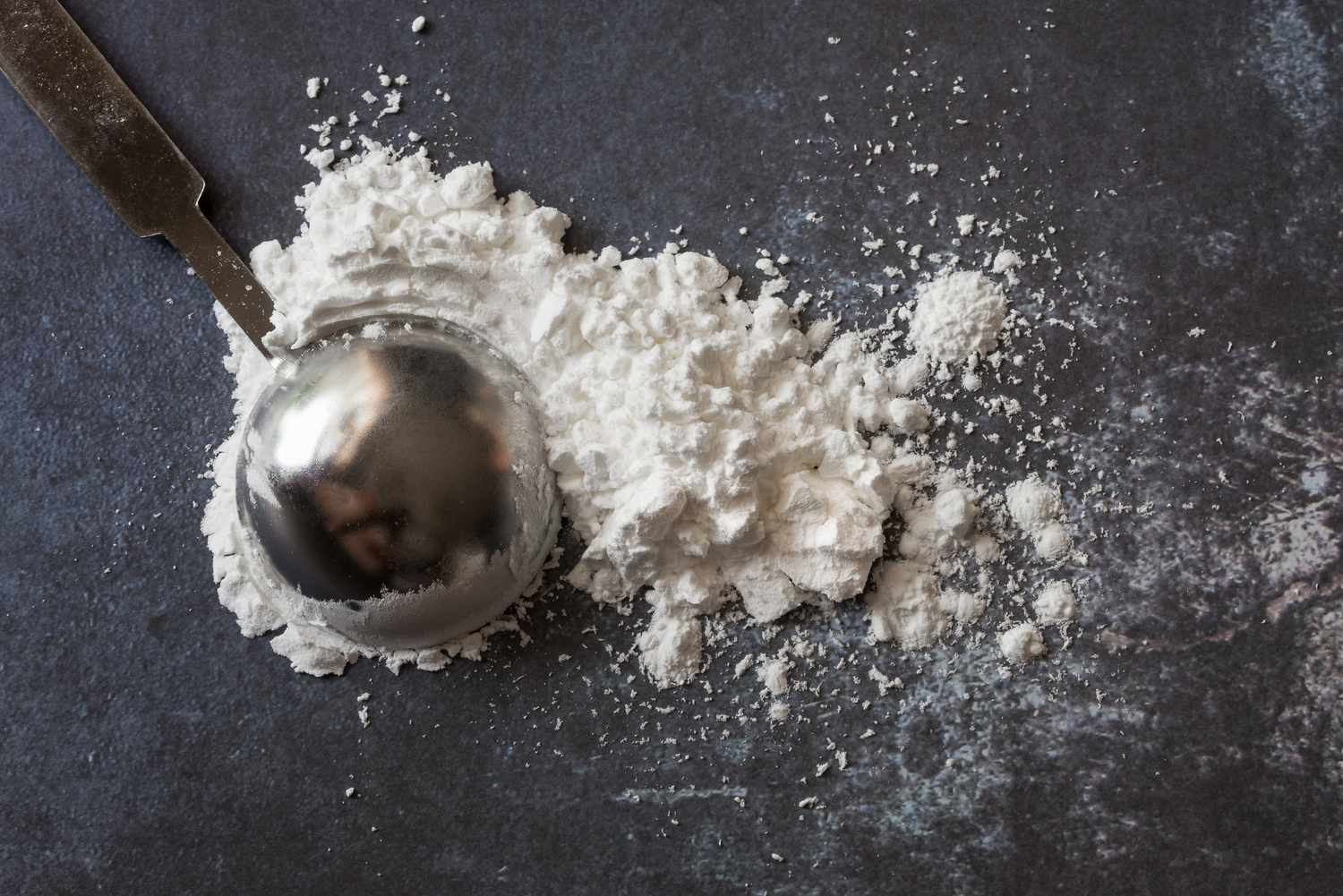
Substituting cornstarch for flour sounds simple until your gravy turns glossy, your pie filling behaves like fruit soup, or your fried chicken suddenly has the crunch of a tiny edible thunderstorm. The good news? Cornstarch and flour can often stand in for each other, especially when you are thickening sauces, gravies, soups, stews, and fruit fillings. The slightly annoying news? They are not identical twins. They are more like cousins who both show up to Thanksgiving with strong opinions about gravy.
Flour is made from ground wheat and contains starch, protein, and a small amount of fat and fiber, depending on the type. Cornstarch, on the other hand, is almost pure starch taken from the endosperm of corn kernels. That purity gives cornstarch stronger thickening power, a smoother finish, and a lighter texture in certain recipes. It also means you cannot use it as a full replacement for flour in most baked goods, because flour provides structure that cornstarch simply cannot deliver. A cake made entirely with cornstarch would not be a cake; it would be a culinary apology letter.
This guide explains how to substitute cornstarch for flour correctly, when the swap works beautifully, when it fails dramatically, and how to adjust ratios so your recipe stays delicious instead of becoming a science fair project with onions.
What Is Cornstarch?
Cornstarch is a fine, white, powdery starch made from corn. It has a neutral flavor, which makes it useful in both sweet and savory recipes. When mixed with liquid and heated, the starch granules absorb moisture, swell, and create thickness. That process is why a thin pan sauce can become silky in minutes and why a fruit pie filling can go from juicy chaos to sliceable comfort.
Because cornstarch is almost pure starch, it thickens more powerfully than wheat flour. In most cooking situations, you need about half as much cornstarch as flour to achieve a similar thickening effect. This is the key rule behind almost every successful substitution.
What Is Flour?
When people say “flour” in American recipes, they usually mean all-purpose wheat flour. Flour contains starch, but it also contains gluten-forming proteins. Those proteins are incredibly useful in baking because they help create structure, elasticity, chew, and shape. Bread needs flour because gluten gives it strength. Cookies need flour because it helps hold the dough together. Pancakes need flour because breakfast should not require a spoon and emotional support.
Flour can also thicken sauces and gravies, but it works differently from cornstarch. It usually needs more cooking time to remove the raw flour taste, and it tends to create a more opaque, creamy finish. That can be wonderful in country gravy, béchamel, pot pie filling, and stews. It may be less ideal when you want a clear, glossy stir-fry sauce or a shiny fruit glaze.
The Basic Substitution Ratio
The most useful rule is simple:
| Original Ingredient | Use This Amount Instead | Best For |
|---|---|---|
| 2 tablespoons all-purpose flour | 1 tablespoon cornstarch | Sauces, gravies, soups, fillings |
| 1 tablespoon all-purpose flour | 1 1/2 teaspoons cornstarch | Small-batch thickening |
| 1/4 cup all-purpose flour | 2 tablespoons cornstarch | Large sauces or pie fillings |
In plain English: use half as much cornstarch as flour when thickening liquids. If a recipe calls for 2 tablespoons of flour to thicken a sauce, use 1 tablespoon of cornstarch. If it calls for 1/4 cup flour, use 2 tablespoons cornstarch.
This ratio works best for sauces, gravies, soups, stews, and fruit fillings. It does not mean you can replace 2 cups of flour in bread dough with 1 cup of cornstarch. Please do not do that unless your goal is to confuse both your oven and your family.
How to Substitute Cornstarch for Flour in Sauces
Cornstarch is excellent for thickening sauces because it acts quickly and creates a glossy texture. It is especially useful in stir-fries, sweet-and-sour sauces, teriyaki-style glazes, fruit sauces, and pan sauces that need a clean finish.
Step-by-Step Method
- Measure half as much cornstarch as the amount of flour called for.
- Mix the cornstarch with an equal amount of cold water, broth, milk, or another cool liquid.
- Whisk until smooth. This mixture is called a slurry.
- Pour the slurry slowly into the hot sauce while stirring constantly.
- Bring the sauce to a simmer and cook briefly until thickened.
Never dump dry cornstarch directly into hot liquid. It will clump almost instantly, creating tiny starch pebbles that no amount of optimistic whisking can fully repair. A slurry is your insurance policy against lumps.
Substituting Cornstarch for Flour in Gravy
Gravy is one of the most common places people substitute cornstarch for flour. Cornstarch gravy is fast, smooth, and naturally gluten-free if all other ingredients are gluten-free. It also tends to look glossier than flour-thickened gravy.
For every cup of liquid gravy base, start with about 1 tablespoon of cornstarch mixed with 1 tablespoon of cold water. Whisk that slurry into simmering broth, pan drippings, or stock. Cook just until the gravy thickens. If it becomes too thick, add a splash of broth. If it is too thin, make a little more slurry and add it gradually.
Flour-thickened gravy often begins with a roux, which is a cooked mixture of flour and fat. A roux adds flavor, body, and a classic creamy texture. Cornstarch does not provide the same toasted flavor because it is usually added at the end as a slurry. That means cornstarch is convenient, but flour may taste richer in traditional gravies.
Substituting Cornstarch for Flour in Soups and Stews
Cornstarch can thicken soups and stews quickly, but timing matters. Add it near the end of cooking, not at the beginning. Long simmering can weaken cornstarch’s thickening power, especially if the dish is acidic or cooked for a long time.
Use 1 tablespoon cornstarch mixed with 1 tablespoon cold water for every 1 to 2 cups of liquid, depending on how thick you want the final result. Add the slurry slowly, stir well, and give the soup or stew a few minutes to thicken. Cornstarch is especially helpful for lighter soups where you do not want the heaviness or cloudiness of flour.
Substituting Cornstarch for Flour in Pie Fillings
Cornstarch is a popular thickener for fruit pies because it helps create a clean, sliceable filling without making the fruit taste floury. However, the right amount depends on the fruit. Juicy fruits such as berries, cherries, and peaches often need more thickener than apples, which naturally contain more pectin and hold their shape better.
As a general starting point, if your pie recipe calls for flour as the thickener, use about half as much cornstarch. For example, if a filling calls for 1/4 cup flour, try 2 tablespoons cornstarch. For very juicy fruit, you may need a little more. For apples, you may need less.
One important tip: fruit pies thickened with cornstarch usually need to bubble in the oven for the starch to fully activate. After baking, let the pie cool completely before slicing. Cutting into a hot pie too soon is how you get delicious fruit lava instead of neat slices.
Can You Substitute Cornstarch for Flour in Baking?
This is where things get tricky. Cornstarch can replace a small portion of flour in baking, but it usually cannot replace all of it. Flour gives baked goods structure. Cornstarch tenderizes and lightens texture, but it does not build the same framework.
In cakes, cookies, and shortbread, a small amount of cornstarch can make the crumb softer and more delicate. In fact, cake flour has a lower protein content than all-purpose flour, and some homemade cake flour substitutes combine all-purpose flour with cornstarch to mimic a lighter texture. But replacing all the flour in a cake with cornstarch would remove too much structure.
When Cornstarch Works in Baking
- Softening cookies
- Creating tender cakes when used with flour
- Lightening shortbread texture
- Thickening custard-style pie fillings
- Helping fruit fillings set
When Cornstarch Does Not Work in Baking
- Replacing all the flour in bread
- Replacing all the flour in pizza dough
- Replacing all the flour in muffins or cakes
- Replacing flour in recipes that rely on gluten structure
If the recipe uses flour mainly as a thickener, cornstarch can probably help. If the recipe uses flour as the foundation, cornstarch is not the right solo substitute.
Substituting Cornstarch for Flour in Frying
Cornstarch is fantastic for frying. It absorbs surface moisture and helps create a crisp, light coating. Many fried chicken, tofu, shrimp, and vegetable recipes use cornstarch alone or combine it with flour for crunch.
If a dredge recipe calls for flour, you can replace some of it with cornstarch to make the coating crispier. A good starting point is 25% to 50% cornstarch and the rest flour. For example, if a recipe calls for 1 cup flour, try 1/2 cup flour and 1/2 cup cornstarch for extra crunch.
Using only cornstarch can create a very crisp coating, but it may be lighter, more brittle, and less browned than a flour-based crust. Flour browns better because of its proteins and sugars. Cornstarch brings crunch; flour brings color and body. Together, they are the buddy comedy of fried food.
Cornstarch vs. Flour: Texture, Flavor, and Appearance
The biggest difference between cornstarch and flour is the finish they create. Cornstarch usually produces a glossy, smooth, slightly translucent sauce. Flour creates a more opaque, creamy, and hearty texture.
| Feature | Cornstarch | Flour |
|---|---|---|
| Thickening power | Stronger | Milder |
| Flavor | Neutral | Can taste floury if undercooked |
| Appearance | Glossy and translucent | Cloudy and creamy |
| Best cooking method | Slurry added near the end | Roux or slurry, cooked longer |
| Best uses | Stir-fries, fruit sauces, glossy gravy | Roux, creamy sauces, baked structure |
Common Mistakes When Substituting Cornstarch for Flour
Using Too Much Cornstarch
Because cornstarch is more powerful than flour, too much can make sauces gummy, stiff, or oddly bouncy. Start with less. You can always add more slurry, but you cannot politely ask excess cornstarch to leave.
Adding Cornstarch Directly to Hot Liquid
This is the fastest route to lumps. Always mix cornstarch with cold liquid first. The slurry should be smooth before it touches the hot sauce.
Cooking It Too Long
Cornstarch thickens quickly, but prolonged cooking can cause it to thin again. Add it near the end of cooking, especially in soups, stews, and sauces.
Expecting It to Replace Flour in Bread
Cornstarch cannot create gluten. It cannot trap gas the way wheat flour can. It cannot give bread chew. It can help texture in small amounts, but it cannot carry the whole loaf.
Is Cornstarch Gluten-Free?
Pure cornstarch is naturally gluten-free because it comes from corn, not wheat, barley, or rye. However, anyone cooking for someone with celiac disease or serious gluten sensitivity should check labels carefully. Cross-contact can happen during manufacturing, and flavored or blended products may include gluten-containing ingredients.
If you need a gluten-free thickener, choose cornstarch labeled gluten-free and make sure the broth, sauces, seasonings, and other ingredients are also gluten-free. A gluten-free gravy is only as gluten-free as everything in the pot.
Best Recipes for Substituting Cornstarch for Flour
Cornstarch works best when the recipe needs thickening, crisping, or tenderizing rather than structural support. Try it in:
- Chicken gravy
- Beef gravy
- Stir-fry sauce
- Lemon sauce
- Berry pie filling
- Cherry pie filling
- Fruit compote
- Custard-style fillings
- Crispy tofu coating
- Fried chicken dredge
- Tempura-style batters
- Soft cookies when used with flour
Quick Conversion Guide
| If the Recipe Calls For | Use Cornstarch Instead |
|---|---|
| 1 teaspoon flour | 1/2 teaspoon cornstarch |
| 1 tablespoon flour | 1 1/2 teaspoons cornstarch |
| 2 tablespoons flour | 1 tablespoon cornstarch |
| 1/4 cup flour | 2 tablespoons cornstarch |
| 1/2 cup flour | 1/4 cup cornstarch |
Remember, this chart is for thickening. It is not a universal baking conversion. Use it for sauces, gravies, fillings, and similar liquid-based recipes.
Practical Kitchen Experience: What Actually Happens When You Make the Swap
The first thing most home cooks notice when substituting cornstarch for flour is speed. Flour asks for patience. It wants to be cooked, whisked, simmered, and reassured. Cornstarch is more direct. Once it hits hot liquid, it thickens quickly. That makes it perfect for weeknight cooking when dinner is already late and everyone is circling the kitchen like polite but hungry sharks.
In gravy, cornstarch is a lifesaver when you do not have time to make a roux. Suppose you roast chicken and have pan drippings, broth, and about ten minutes before dinner. A cornstarch slurry can pull everything together fast. The result will be smooth and glossy, with a lighter mouthfeel than flour gravy. It may not have the same deep, toasted flavor as a roux-based gravy, but it will still taste good if the broth and drippings are flavorful.
For stir-fries, cornstarch is often the better choice. A flour-thickened stir-fry sauce can look cloudy and taste heavy. Cornstarch gives that restaurant-style shine that clings to vegetables, noodles, chicken, beef, shrimp, or tofu. The trick is to add the slurry at the end and stir constantly. Within a minute or two, the sauce should coat the ingredients beautifully. If it turns too thick, add a splash of water or broth and stir again.
Fruit pies are where experience teaches humility. Cornstarch can make a gorgeous pie filling, but the fruit matters. Blueberries, cherries, peaches, and strawberries all release different amounts of juice. Frozen fruit releases even more liquid than fresh fruit, so it may need extra thickener or a longer bake. If the filling bubbles in the center and the pie cools fully, cornstarch usually sets well. If you slice too early, even a perfect recipe can look runny. The pie is not failing; it is simply asking for a nap.
In fried foods, mixing cornstarch with flour is one of the easiest upgrades. A half-flour, half-cornstarch dredge can make chicken crispier without becoming too delicate. For tofu, cornstarch alone often works beautifully because it creates a thin, crisp shell. For fried chicken, a blend is usually better because flour helps with browning and flavor while cornstarch boosts crunch. Add seasoning to the dredge, not just the meat, or the coating may taste like crispy office paper.
In baking, the best experience-based rule is restraint. A tablespoon or two of cornstarch can soften cookies, lighten cakes, and make shortbread more tender. But too much cornstarch can create a dry, powdery, or fragile texture. If you are experimenting, replace only a small amount of flour at first. For example, in a cookie recipe with 2 cups of flour, try replacing 2 tablespoons of flour with 2 tablespoons of cornstarch. That small change can make cookies softer without wrecking the structure.
Another useful lesson: cornstarch does not hide mistakes as well as flour. If you over-thicken a sauce with flour, it may still taste creamy. If you over-thicken with cornstarch, it can become gelatinous. The best fix is to whisk in more hot liquid gradually. Broth, milk, stock, juice, or water can loosen the texture. Add liquid slowly because sauces can swing from pudding to soup faster than expected.
Finally, keep both ingredients in your pantry if you can. Flour is better for roux, breading with body, and baked structure. Cornstarch is better for quick thickening, glossy sauces, and crisp coatings. Knowing when to use each one makes cooking easier, calmer, and much less likely to involve emergency pizza.
Conclusion
Substituting cornstarch for flour is easy when you understand the purpose of the ingredient. For thickening sauces, gravies, soups, stews, and fruit fillings, use half as much cornstarch as flour and always mix it into a cold slurry before adding it to hot liquid. For frying, use cornstarch alone or blend it with flour for a crispier coating. For baking, use cornstarch carefully and only as a partial replacement, because it cannot provide the structure that wheat flour gives to breads, cakes, and many pastries.
The simplest rule is this: cornstarch is a thickener and texture booster, not a complete flour replacement. Treat it that way, and it will reward you with glossy sauces, crisp coatings, and pie fillings that behave themselves. Mostly.