

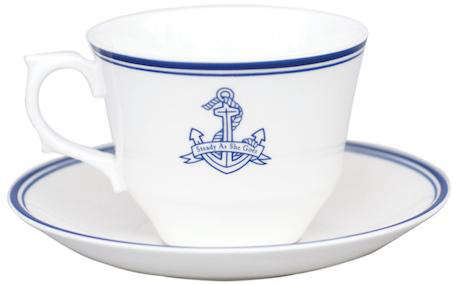
Some dinnerware shouts for attention with giant lobsters, screaming anchors, or enough rope motifs to make your dining table look like it enlisted in the Navy. And then there is Karou Nautical Dinnerware, which takes the smarter route. It whispers. It charms. It shows up in crisp blue lines on white china and somehow manages to feel breezy, graphic, handcrafted, and quietly sophisticated all at once.
If the title sounds a little mysterious, here is the quick backstory: “Karou” in this case points to the work associated with designer Kaoru Parry and her studio, welovekaoru, which was admired for bringing contemporary design into conversation with traditional English ceramic making. The Nautical Range became especially memorable because it captured a seaside mood without tumbling into novelty-shop territory. That alone deserves a small round of applause and maybe a well-buttered piece of sourdough.
For anyone who loves a coastal table, blue-and-white dinnerware, or ceramics that look handmade rather than churned out by a soulless machine at top speed, this collection hits a sweet spot. It feels decorative without being fussy. Playful without being childish. Nautical without requiring a captain’s hat.
Why Karou Nautical Dinnerware Still Feels Fresh
The most appealing thing about Karou Nautical Dinnerware is that it understands restraint. The pattern language is simple: painted blue lines, graphic detailing, plenty of white space, and an overall lightness that suits breakfast, lunch, dinner, and the kind of dessert course that begins with, “I probably shouldn’t,” and ends with, “One more slice won’t hurt.”
That simplicity matters. Across American tabletop and entertaining coverage, blue-and-white remains one of the most enduring combinations because it feels clean, versatile, and timeless. It can lean coastal, classic, preppy, modern, or slightly Mediterranean depending on what you pair it with. That flexibility is the secret sauce. A good nautical table should suggest sea air and summer ease, not hit guests over the head with decorative seashell trauma.
Karou gets this right by using line and rhythm instead of gimmicks. The visual effect feels a little like waves, a little like ropes, and a little like maritime signal graphics interpreted by a designer with excellent taste and impressive self-control. The result is dinnerware with personality, but not the exhausting kind.
What Makes the Collection Special
It celebrates craftsmanship
Part of the appeal comes from the human touch. Karou’s tabletop identity is tied to traditional British ceramic production and the artisanal heritage of Stoke-on-Trent. That history matters because it gives the pieces substance beyond surface prettiness. When a plate or cup carries hand-finished character, it feels more personal on the table. Tiny variations become part of the charm, not flaws to apologize for.
It embraces fine bone china elegance
Unlike chunky everyday stoneware or casual outdoor melamine, fine bone china tends to bring a lighter, more refined presence to the table. It has a delicate look, but that does not automatically mean fragile drama queen behavior. Quality bone china is prized because it can be strong, relatively lightweight, and elegant enough for entertaining while still feeling practical for real use. That makes Karou especially appealing for hosts who want their table to look thoughtful rather than merely functional.
It uses nautical style the grown-up way
Nautical design can go very wrong, very quickly. Too many motifs and your dining room starts looking like a seafood shack gift shop. Karou avoids that by focusing on abstraction. The maritime spirit is there, but translated into line, proportion, and color instead of cartoon fish and overexcited anchors. That gives the collection more staying power. It is stylish for summer, yes, but it does not become irrelevant the second Labor Day packs a bag and leaves.
Why This Look Works So Well on American Tables
American tabletop style has been leaning hard into layered, personal, collected tablescapes rather than rigidly matched formal settings. That shift makes Karou particularly relevant. It works beautifully as a full set, but it also plays well with other favorites already in the cabinet. Pair it with plain white serving pieces, woven chargers, linen napkins, brushed flatware, or simple glassware and suddenly the whole table feels curated without trying too hard.
That is exactly where blue-and-white dinnerware shines. It acts like the friend who can show up anywhere and somehow get along with everyone. It can sit beside rustic wood, polished silver, sandy neutrals, shell details, striped linens, or even a few floral accents if you are feeling bold. Karou’s nautical personality gives it just enough edge to stand out while remaining easy to style.
It also helps that food generally looks fantastic on white or mostly white plates. Fresh salads pop. Seared fish looks restaurant-worthy. Blueberries on yogurt appear almost suspiciously photogenic. Even a humble grilled cheese gets a promotion when it lands on a plate that knows what it is doing.
How to Style Karou Nautical Dinnerware
For everyday breakfasts
Use the pieces with oatmeal, fruit, croissants, soft-boiled eggs, or coffee and toast. Keep the table simple: natural placemats, cotton napkins, clear tumblers, maybe a small bunch of herbs or garden flowers in a low vase. Karou has enough built-in personality that breakfast does not need a Broadway production budget.
For summer lunches and seafood dinners
This is where the collection really struts. Layer the plates with crisp white linens, weathered wood, lemon slices in a bowl, and a centerpiece that stays low enough for actual conversation. Add shell accents sparingly, like a civilized person. Serve grilled shrimp, lobster rolls, chilled pasta salad, roasted vegetables, or a tomato tart and let the blue-and-white palette do the rest. The mood should say “effortless coastal lunch,” not “theme park pier gift basket.”
For small apartments or city entertaining
Karou also works for compact spaces because the pattern feels airy rather than visually heavy. If your dining area is more “cozy urban nook” than “formal seaside veranda,” this dinnerware can still create the feeling of a getaway. A striped runner, taper candles, crisp napkins, and one good bottle of wine can do a lot of heavy lifting when the plates already look this polished.
Bone China, Stoneware, and Melamine: Where Karou Fits
Choosing dinnerware often comes down to the balance between beauty and real-life durability. Stoneware is beloved for everyday use because it is sturdy, substantial, and often more affordable. Porcelain offers a refined look with strong everyday potential. Melamine is the champion of outdoor dining, family chaos, and the occasional accidental drop near the patio door.
Karou’s appeal sits in a different lane. It is for people who enjoy artistry, craftsmanship, and a more elevated table. That does not mean it is untouchable museum china that only appears twice a year when relatives come over and nobody is allowed to breathe near it. It means the collection invites more intentional use. You bring it out because the meal matters, even if the meal is just poached salmon and a salad on a Wednesday night.
In other words, Karou Nautical Dinnerware is not trying to be the plate you toss into a picnic basket with a frisbee and four cans of sparkling water. It is trying to make everyday dining feel a little more beautiful and entertaining feel a lot more memorable.
What to Serve on Karou Nautical Dinnerware
Seafood, obviously, but not only seafood
Yes, the nautical theme naturally flatters oysters, grilled fish, crab cakes, clam pasta, and shrimp salad. But this dinnerware is more versatile than its maritime mood suggests. The blue-and-white palette also loves citrus desserts, berry tarts, yogurt bowls, herb-forward pasta, roast chicken, and just about anything with fresh color.
Simple food looks especially good
Because the design is graphic and clean, it works best with food that has shape and color. Think tomato bruschetta, lemon cake, striped sea bass, corn salads, peach galettes, or a stack of pancakes with blueberries. This is not a criticism of casserole, but casserole is not necessarily the lead actor here.
Tea, coffee, and snacks get a glow-up
A good cup and saucer can make even a rushed morning coffee feel like a tiny ritual instead of a caffeine emergency. Karou’s tabletop presence is especially appealing for tea service, afternoon coffee, biscuits, scones, and all the snacky little moments that deserve more respect than they usually get.
How to Keep the Look Elegant, Not Overdone
The easiest mistake with nautical dinnerware is overcommitting to the theme. You do not need a rope napkin ring, shell-shaped salt cellar, coral centerpiece, fish platter, driftwood candleholder, and whale-print tablecloth all at the same time. That is not styling. That is a cry for help.
Instead, let the plates be the story. Add one or two supporting details: woven texture, blue linen, a glass hurricane, a bowl of lemons, maybe a few collected shells if they are tasteful and not suspiciously glittery. Karou thrives in a setting that feels edited. The pattern has confidence; it does not need backup dancers.
Care and Long-Term Use
With any fine dinnerware, care matters. Always check the maker’s instructions first, especially when pieces involve hand-finishing, painted details, or specialty trims. In general, thoughtful storage, soft separators between stacked plates, and careful dishwasher loading help preserve the finish and reduce chips. If a set feels especially artisanal, hand-washing the most delicate pieces is rarely a bad idea.
The upside is that quality dinnerware often rewards gentle treatment with years of use. And that is the point, really. A collection like Karou is not disposable trend decor. It is the kind of tabletop piece that can become part of your hosting identity. People remember the plates. They remember the mood. They remember that lunch somehow felt better than lunch had any right to feel.
Who Should Fall for Karou Nautical Dinnerware?
This collection is ideal for the person who loves coastal style but wants it refined. It is for hosts who care about design details, collectors who appreciate ceramic heritage, and anyone who believes a table can tell a story before the first course lands. It is especially suited to people who love blue-and-white palettes, boutique design, and handmade character.
If your taste runs more rugged, chunky, dishwasher-everything, and family-reunion-proof, you might prefer durable stoneware or melamine for daily use. But if you want dinnerware that feels artistic, airy, and memorable, Karou is a beautiful argument for slowing down and setting the table properly.
The Final Take
Tabletop trends come and go. One year everything is rustic farmhouse. The next year it is sculptural minimalism. Then suddenly sardines are on coasters and everyone is pretending they always loved them. Through all that chaos, blue-and-white dinnerware keeps surviving because it works. It flatters food, layers easily, and feels both classic and current.
Karou Nautical Dinnerware takes those strengths and adds something rarer: genuine point of view. It is coastal, but not cliché. Handmade, but not fussy. Pretty, but still useful. It feels like the kind of dinnerware you bring out for guests and then keep using after they leave because it turns out you enjoy your own company too.
And honestly, that may be the highest compliment a tabletop collection can earn.
Experience: Living with and Entertaining with Nautical Dinnerware
There is something oddly transformative about living with nautical dinnerware that is done well. Not loud nautical. Not novelty nautical. Good nautical. The kind that makes a plain table feel intentional before a single dish is served. Karou-style pieces have that effect. They do not just hold food; they quietly stage a mood.
In real life, that experience starts small. A mug of coffee feels less like fuel and more like a proper morning. Toast and jam on a blue-and-white plate somehow seem more civilized, even if you are eating standing up near the kitchen counter while checking your phone and pretending that counts as a relaxed start to the day. The design introduces a sense of ritual, and ritual is often what turns ordinary routines into parts of a home you actually enjoy.
When guests come over, the effect becomes even more noticeable. People respond to well-chosen dinnerware faster than they respond to many bigger decor elements. They notice the plate in front of them. They touch the cup. They comment on the pattern. Karou Nautical Dinnerware is especially good at generating that soft kind of compliment that sounds spontaneous: “These are beautiful,” or “I love this set,” or the most powerful hosting praise of all, “Where did you get these?”
It also changes how you build a meal. Once the table is set with pieces that feel calm and elegant, you tend to cook in the same spirit. You reach for grilled fish, herby salads, lemon desserts, crusty bread, berries, sparkling water, chilled white wine, and anything that looks sunlit even when the weather outside is behaving badly. The dinnerware nudges the menu toward freshness. It makes you want to compose a plate instead of just loading one.
Another nice surprise is how flexible the look becomes across seasons. In summer, it is all sea breeze energy: striped napkins, tomatoes, oysters, candlelight, and a pitcher of something cold. In fall, it works with moody blue linens, roasted vegetables, and brass accents. In winter, the crisp white ground keeps the table from feeling heavy. In spring, add flowers and suddenly everything looks like it belongs in a magazine spread where no one ever spills salad dressing.
Perhaps the best part, though, is emotional rather than decorative. A thoughtfully set table sends a message, even if the gathering is tiny. It says the meal matters. The people matter. The hour deserves shape. Karou Nautical Dinnerware is particularly good at that because it feels artistic without being precious. It invites use. It suggests care. It makes a table feel collected, not staged.
And that is why pieces like these tend to stick around in memory. Years later, people may forget exactly what you served, but they will remember the feeling of the table: bright, calm, coastal, a little special, and wonderfully welcoming. That is not bad for a plate.