

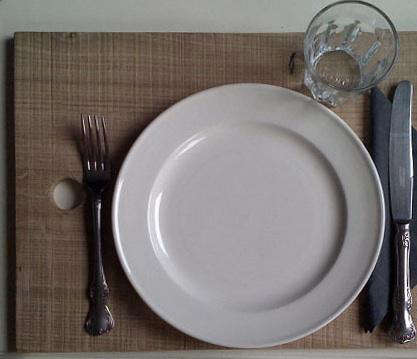
If your dining table has been feeling a little too “I eat here because biology demands it” and not quite enough “I casually host magazine-worthy lunches,” wood placemats might be your new favorite trick. They bring order, texture, and a welcome dose of warmth to the table without the fuss of a full tablecloth. And when the inspiration comes from Olivia & Marie’s beautifully restrained oak placemat tray, the idea gets even better: suddenly a placemat is not just a mat. It is a tiny stage, a frame for dinner, and a quiet design flex.
As featured years ago in a Remodelista post, the Olivia & Marie piece was presented as an Oak Placemat Tray, a minimalist wooden tabletop accessory with a finger hole for carrying. That small detail says everything about the appeal. This is not precious, over-decorated, or trying too hard. It is practical, sculptural, and smart in the way only good design can be. Wood placemats like these sit at the sweet spot where utility and style stop arguing and start sharing dessert.
Why Wood Placemats Still Feel Fresh
Placemats have always had two jobs: protect the table and make the setting look intentional. But wood placemats bring a third job to the party: they add architecture. Fabric placemats soften a table. Woven placemats add texture. Wood placemats do something slightly more dramatic. They create edges, define personal space, and give each place setting a sense of structure. In other words, they make Tuesday night pasta feel like it arrived with a reservation.
That is part of what makes the Olivia & Marie design so appealing. It turns the ordinary act of setting the table into a cleaner, more composed visual experience. The tray-like form suggests a hybrid between a placemat and a serving board, which feels especially modern. It is tabletop design with good posture.
Wood also brings a natural material story into the room. American style publications and home retailers have spent years celebrating placemats, runners, and natural fibers because they add warmth, layering, and a grounded look to the table. Wood fits beautifully into that conversation. It pairs effortlessly with linen napkins, handmade ceramics, clear glassware, matte flatware, and simple centerpieces like branches, herbs, or a bowl of citrus. Basically, if your design goal is “calm, collected, and not trying to cosplay Versailles,” wood is very much on your team.
What Makes the Olivia & Marie Version Stand Out
The charm of the Olivia & Marie wood placemat lies in its restraint. There is no loud carving, no ornate border, no decorative drama that begs for attention like a dinner guest who just discovered sparkling water. The focus is on the oak, the shape, and the practical finger hole. That opening adds a touch of industrial simplicity while making the tray easier to lift, carry, and clear away.
There is also something clever about calling it a placemat tray. That word choice shifts expectations. A tray suggests usefulness, movement, and service. A placemat suggests placement and order. Put them together and you get an accessory that feels versatile. It can frame a plate and glass beautifully, but it also hints at breakfast in the kitchen, coffee and cake at a side table, or an easy supper carried from counter to dining nook with far more grace than most of us manage before caffeine.
Because the piece was highlighted as a product from a Belgian boutique and featured in 2011, it is best understood as enduring design inspiration rather than a guaranteed currently stocked item. That is actually part of its appeal. Good tabletop ideas outlast trend cycles. A beautiful wood placemat does not care what year it is. It just quietly improves the meal.
How Wood Placemats Transform a Table
1. They Create Visual Boundaries Without Looking Stiff
One reason placemats work so well is that they define each diner’s space. Wood versions do this even more clearly. Each setting looks anchored. Plates seem centered. Glasses look deliberate. The whole table feels tidier, even before anyone pretends to fold the napkins properly.
2. They Add Natural Texture
Design experts love layered tablescapes because texture keeps a table from feeling flat. Wood contributes grain, tone, and depth in a way that still reads as neutral. It can soften sleek dinnerware, warm up minimalist spaces, and balance cooler materials like marble, stoneware, or metal.
3. They Protect Surfaces
A good placemat helps shield tables from spills, crumbs, moisture, and the little daily messes that somehow appear even when dinner is just toast and a salad. Wood tables and veneer surfaces especially benefit from a barrier between the tabletop and whatever chaos arrives with lunch.
4. They Make Everyday Meals Feel More Designed
This may be the most underappreciated benefit of all. A wood placemat changes the mood of a meal without demanding a lot of setup. You can throw down a tray, place a simple plate, add a napkin, and suddenly dinner looks less “standing over the sink because life is happening” and more “I have my act together.” Even if you do not. Especially if you do not.
Best Ways to Style Wood Placemats
The easiest way to style wood placemats is to let them do the heavy lifting. Because they already add material interest, you do not need ten competing decorative moves. Start with a restrained base and build gently.
Pair Them with Soft Materials
Linen napkins are a natural partner. The slight rumple of linen plays beautifully against the harder, smoother character of wood. Cotton also works well, especially in washed neutrals, faded stripes, or earthy tones. The goal is contrast: hard and soft, structured and relaxed.
Use Ceramics with Character
Wood placemats look especially strong under matte stoneware, handmade pottery, off-white porcelain, or speckled dishes. Shiny, formal china can work too, but the magic often happens when the tabletop feels a little tactile and a little human.
Keep Glassware Simple
Clear glasses, slim stemware, or compact tumblers allow the wood grain to remain visible. Since the Olivia & Marie design already has a strong silhouette, the surrounding tabletop pieces should support rather than compete.
Add One Fresh Element
A bowl of lemons, clipped rosemary, a few branches in a vase, or a line of candles can finish the table without overloading it. Natural materials love company, but not a full marching band.
Mix with a Runner, Not a Busy Tablecloth
Wood placemats look especially good on a bare table or with a subtle runner. If you use a tablecloth, keep it quiet. Let the placemats remain visible and crisp. Too much pattern underneath can make the setting feel like everyone is competing for best supporting actor.
Where Wood Placemats Work Best
One of the best things about this style is its flexibility. Wood placemats are not limited to formal dining rooms where no one is allowed to laugh too hard. They work across a surprising number of spaces and moods.
Casual Breakfast Tables
A wood placemat tray is perfect for coffee, toast, fruit, and the vague hope of becoming a morning person. It makes the simplest breakfast look more intentional.
Weeknight Family Dinners
For busy homes, placemats help contain crumbs and define each setting. Wood versions add durability and visual order, which is useful when the meal includes pasta sauce, distracted conversation, and somebody asking where the ketchup is even though it is right there.
Outdoor Dining
On a covered patio or porch, wood placemats feel right at home with woven chairs, stoneware plates, and relaxed seasonal centerpieces. Just be mindful of prolonged moisture and direct weather exposure.
Entertaining
When guests come over, wood placemats do a lot of quiet work. They make the table feel considered without requiring a complicated formal setting. That matters because entertaining should feel welcoming, not like a pop quiz in etiquette.
How to Care for Wood Placemats
Wood is beautiful, but it likes to be treated like a respectable material rather than a superhero. The care routine is simple if you stay consistent.
Wipe, Do Not Soak
After meals, wipe wood placemats with a soft cloth. If needed, use a lightly damp cloth and dry them promptly. Prolonged exposure to water can cause wood to warp, crack, or lose its finish over time.
Dry Thoroughly
Leaving wood wet is basically an invitation for trouble. Drying matters just as much as cleaning. A quick wipe now saves a dramatic rescue mission later.
Condition When Needed
If the placemats are made from unfinished or oil-finished solid wood, occasional conditioning with a food-safe mineral oil or wood conditioner can help prevent the surface from drying out. Avoid using cooking oils that can go rancid.
Protect from Extreme Heat
A placemat is helpful, but it is not always a trivet. Very hot cookware should still go on a heat-safe surface. Think dinner plate, yes. Screaming cast-iron skillet fresh from the oven, absolutely not.
Store Flat
If you are not using them daily, store wood placemats flat in a dry space. This helps preserve their shape and finish and keeps them ready for service when your table needs a little spruce-up.
Are Wood Placemats Practical for Everyday Use?
Yes, with one caveat: you have to like objects that age honestly. Wood will not behave like disposable plastic or ultra-flexible vinyl. It may pick up slight character over time. That is not a flaw. That is the whole romance. A tiny mark here or mellowing tone there can make wood placemats feel lived-in rather than worn out.
For people who value easy beauty, wood placemats are highly practical. They are quick to set out, quick to clear, and visually effective. They work for solo lunches, family meals, and small gatherings. They are especially appealing for homes that lean modern rustic, Scandinavian, minimalist, organic modern, or updated traditional. If your home likes natural materials and clean lines, these will fit in faster than guests finding the good snacks.
Why the Look Keeps Coming Back
Trends in tabletop design may zigzag from maximalist pattern to minimalist restraint and back again, but natural materials never really leave. That is because they connect function with atmosphere. Wood placemats make a room feel warmer. They make a meal feel more anchored. They make even simple dishes feel framed and intentional.
The Olivia & Marie oak placemat tray captures that appeal in a particularly elegant way. It is modest, useful, and visually memorable without being loud. It proves a design point worth repeating: the best tabletop accessories are often the quietest ones. They do not need to shout. They just sit there looking excellent while your pasta gets all the applause.
Experience: What It Is Like to Actually Live with Wood Placemats
Living with wood placemats is one of those small home upgrades that seems almost suspiciously minor at first. You think, “They are just placemats. How much can this really change?” And then a week later you realize you have become the kind of person who pauses for half a second before dinner just to admire the table. Not in a dramatic candlelit-music-video way. More in a quiet, deeply satisfying “well, that looks nice” sort of way.
The first thing you notice is the rhythm they bring to daily meals. When each place setting has its own wooden frame, the table automatically looks more orderly. Breakfast stops looking accidental. A sandwich and coffee suddenly have a little ceremony. Even takeout behaves better when it lands on a surface that looks intentional. Wood placemats do not magically improve your cooking, but they can definitely improve your confidence while serving it. That counts.
They also change how the table feels between meals. Fabric placemats are lovely, but they tend to read as soft background. Wood placemats have presence. They look like objects, not just accessories. On an empty table, they can make the room feel styled. On a set table, they make everything else look better behaved. Plates seem centered. Glasses look deliberate. Napkins suddenly appear to have career goals.
There is also a tactile pleasure to them that is hard to overstate. Picking up a wood placemat tray, feeling the smooth surface, seeing the grain in different light, sliding it into place before dinner, all of that adds a little sensory richness to a routine task. It is design doing its job properly: making ordinary life feel a bit more considered without becoming inconvenient.
Of course, there are realities. You do have to wipe them down. You do have to avoid treating them like waterproof superheroes. If you are the kind of person who leaves puddles under glasses and forgets about them until the next calendar quarter, wood may gently encourage personal growth. But the maintenance is not difficult. It is the kind of care that quickly becomes habit, and the payoff is worth it.
What stands out most over time is how versatile they are. They work when the table is dressed up for guests, but they are just as good on a random Wednesday when dinner is leftovers and everybody is tired. They do not demand a special occasion. In fact, they are best when they make everyday meals feel a little less forgettable. That is the real beauty of the Olivia & Marie idea. It is not about making the table formal. It is about making the table feel loved.
Conclusion
Wood placemats from Olivia & Marie represent a timeless tabletop idea: practical enough for daily life, elegant enough for guests, and natural enough to work with nearly any decorating style. The oak placemat tray concept feels especially smart because it adds structure, warmth, and quiet personality without asking you to overhaul the whole dining room. If you want an easy way to elevate your table, wood placemats are a strong answer. They protect surfaces, create visual order, and make ordinary meals feel just a bit more special. Not bad for a flat piece of wood with excellent manners.