

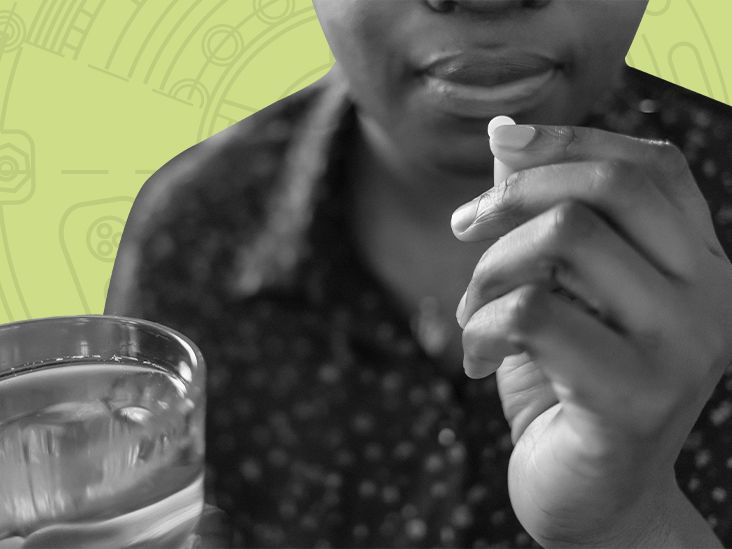
If the name Take Action sounds dramatic, that is because the pill was named by someone who clearly understands panic-shopping energy. The good news is that Take Action is not mysterious, rare, or wildly different from the better-known brand Plan B One-Step. It is a levonorgestrel 1.5 mg emergency contraceptive pill, designed to help reduce the chance of pregnancy after unprotected sex or birth control failure.
In plain English, this is the backup plan. Not your everyday birth control. Not a replacement for condoms. Not a fix for every future risk in the month. And definitely not something that works better if it sits in your bag while you debate life choices for three days. The sooner you take it, the better it works.
This guide breaks down what the Take Action pill is, how to get it in the United States, when to use it, what side effects are normal, when to call a doctor, and what real-world experiences with the pill often look like. If you want the practical version without the fluff, you are in the right place.
What is the Take Action pill?
Take Action is a generic morning-after pill that contains 1.5 mg of levonorgestrel, a synthetic hormone used in many contraceptive products. Its job is to lower the chance of pregnancy after unprotected sex or after a birth control mishap, such as a condom breaking, a missed pill, or sex that happened sooner than expected after stopping contraception.
Just as important is what it is not. Take Action is not for regular birth control. It is not protection against HIV or other sexually transmitted infections. And if someone is already pregnant, it will not work to end that pregnancy. This product is intended as emergency contraception, which means it is for those “well, that was not the plan” moments.
How the Take Action pill works
The science is less dramatic than the name. Levonorgestrel emergency contraception mainly works by delaying or preventing ovulation. In other words, it tries to stop the ovary from releasing an egg. No egg means sperm have nothing to fertilize, which is exactly the boring, useful outcome you want in an emergency.
Because of that mechanism, timing matters. Take Action works best as soon as possible after unprotected sex. The official label says to take it within 72 hours, and patient guidance from major U.S. health organizations notes that levonorgestrel pills may still be used up to 5 days later, though they become less effective as time passes. Think of it like leftovers: technically still an option after a while, but much better fresh.
When to use Take Action
Take Action is meant for situations like these:
- A condom broke, slipped, or leaked
- You missed multiple birth control pills
- Your patch or ring was used incorrectly
- You had sex without any contraception
- You are unsure whether your usual method worked
It is called emergency contraception for a reason. It is not supposed to be your standard monthly strategy. If someone finds themselves needing it more than once, that is not a moral failure or a dramatic plot twist. It is usually a sign that a more reliable everyday birth control method may be worth discussing with a clinician.
How to get the Take Action pill in the U.S.
One of the biggest reasons people search for the Take Action pill is simple: Where do I actually get it? Fortunately, in the U.S., levonorgestrel morning-after pills like Take Action are widely available.
1. Buy it over the counter
You can usually buy Take Action or another levonorgestrel generic without a prescription at pharmacies, drugstores, grocery stores, and some big-box retailers. In general, age does not block purchase for these one-pill OTC versions. If it is not visible on the shelf, it may be kept behind the counter or in a locked case, which means you may need to ask a pharmacist or store employee for help. Awkward? Sometimes. Possible? Yes.
2. Get it from a clinic
Family planning clinics, health departments, and reproductive health centers may also carry Take Action or an equivalent generic. This can be especially helpful if cost is a concern or if you need help choosing between levonorgestrel, ella, or a copper IUD.
3. Order it ahead of time
Because emergency contraception works better the sooner you take it, many clinicians and patient advocates recommend buying it before you need it. Keeping a box in a medicine cabinet is not being dramatic. It is being efficient. The emergency part is stressful enough without adding a scavenger hunt through three pharmacies at 10:30 p.m.
4. Use insurance strategically
Although you do not need a prescription to buy Take Action over the counter, insurance coverage may work better if you get a prescription from a clinician. Coverage rules vary by plan, so it is smart to check before assuming you will pay the full retail price.
How to take Take Action correctly
Take Action is refreshingly simple compared with many medications. It is one tablet, one dose. Swallow it as soon as possible after unprotected sex or contraceptive failure. The label directs use within 72 hours, and many patient resources note that it may still be used later, up to 5 days, though effectiveness drops with time.
A few practical tips matter:
- Take it as soon as you can, not “tomorrow morning if you remember.”
- If you vomit within 2 hours of taking it, contact a healthcare professional because you may need another dose.
- Do not use it as your routine form of birth control.
- Start or continue a regular birth control method right away if needed.
- Use condoms or other ongoing protection afterward because this pill covers the recent risk, not every future one.
That last point is the one people miss. Take Action helps with the sex that already happened. It does not put a magical force field around the rest of the month.
How effective is Take Action?
The short answer is: effective, but time-sensitive. Levonorgestrel emergency contraception works best when taken quickly. Some patient resources estimate that levonorgestrel morning-after pills can lower the chance of pregnancy by about 75% to 89% when used within 3 days. Other sources break it down even more sharply, showing the highest protection in the first 24 hours and lower effectiveness by 72 hours.
The most useful takeaway is not the exact percentage. It is this: earlier is better. If you are deciding whether to take it now or after brunch, this is one of those rare situations where brunch should lose.
Body weight and effectiveness
There is also an important caveat. Some guidance suggests that levonorgestrel may be less effective in people who are overweight or obese. Some patient education materials specifically flag concern around a body weight above about 165 pounds, though weight and BMI are not perfect one-size-fits-all rules. If that may apply, it is worth asking a pharmacist or clinician whether ella or a copper IUD would be a better emergency contraception option.
Still, delay is not your friend. If a more effective option is not immediately available, a clinician may still advise taking levonorgestrel rather than waiting and losing valuable time.
Take Action vs. Plan B and other emergency contraception options
Take Action is often compared with Plan B One-Step. In practical terms, they are more alike than different. Both use levonorgestrel 1.5 mg, both are taken as a single dose, and both are sold over the counter in the U.S. Generic versions usually cost less, which is why many people choose Take Action.
Other emergency contraception options include:
- ella (ulipristal acetate): prescription-only in the U.S., but effective up to 5 days after sex and often preferred when weight or timing makes levonorgestrel less ideal
- Copper IUD: the most effective emergency contraception option, but it requires a clinical appointment and placement
If speed and convenience are the top priorities, Take Action is often the easiest option to get quickly. If the risk window is longer or body weight may affect levonorgestrel’s performance, another method may make more sense.
Safety and side effects
For most people, Take Action is considered safe. Serious problems are uncommon, and the side effects that do show up are usually short-term and manageable. The most commonly reported effects include:
- Nausea
- Headache
- Lower abdominal pain or cramps
- Dizziness
- Tiredness
- Breast tenderness
- Vomiting
- Changes in menstrual bleeding
Period changes are especially common. Your next period may arrive earlier or later than usual. It may be heavier, lighter, or more spotty than expected. This can be unsettling, but it does not automatically mean the pill failed. Hormones are not famous for being subtle.
Who should be careful before using it?
Before taking Take Action, it is smart to think about a few safety points:
- Do not take it if you know you are already pregnant; it will not work for that.
- Do not use it as regular birth control.
- It does not protect against STIs.
- Tell a pharmacist or clinician if you take rifampin, efavirenz, seizure medications, or St. John’s wort, because these may reduce how well levonorgestrel works.
- If you have had an allergic reaction to levonorgestrel, do not use it.
When to call a doctor
Most people do not need medical care after taking Take Action, but some situations deserve follow-up:
- Your period is more than a week late
- You do not get your period within about 3 weeks and want to rule out pregnancy
- You have severe lower abdominal pain, especially 3 to 5 weeks later
- You vomited soon after taking it and are unsure whether you absorbed the dose
That severe abdominal pain warning matters because it can signal a pregnancy complication and should not be ignored.
Common questions people ask about Take Action
Can you use Take Action more than once?
Yes, levonorgestrel emergency contraception can be used more than once if needed. But if this becomes a recurring pattern, a regular contraception method will usually be more effective, less stressful, and often less expensive over time.
Does Take Action affect future fertility?
No evidence suggests that taking levonorgestrel emergency contraception harms future fertility. It is meant to deal with one immediate risk, not change your long-term ability to become pregnant later.
Can you take it after using ella recently?
Not without checking first. Patient guidance commonly warns not to use levonorgestrel emergency contraception if you have taken ella in the last 5 days, because the medications can interfere with each other’s effectiveness.
Does it work for sex that happens later?
No. This is worth repeating because it causes a lot of confusion. Take Action helps reduce pregnancy risk from the unprotected sex that already happened. It does not protect against sex that happens afterward in the same cycle.
Real-world experiences with Take Action
People often want more than the medical facts. They want to know what the experience is actually like. Not in a reality-show way, but in a practical, “What happens next, and should I freak out?” way. While everyone’s body is different, many experiences with Take Action follow a pretty familiar pattern.
First comes the scramble. Maybe a condom broke. Maybe a pill pack was forgotten during a chaotic week. Maybe someone assumed they were in a safe part of the cycle and then immediately lost confidence in that math. The first real-life challenge is often not swallowing the pill. It is finding it fast. Some people walk into a pharmacy and spot it immediately. Others find it locked up, shelved near family planning products, or tucked behind the counter like it is a tiny box of state secrets. That can make an already stressful moment feel even more stressful.
Then comes the “Was that all?” moment. Because Take Action is usually just one pill, people are often surprised by how simple the actual dosing is. No complicated schedule. No giant instruction booklet worthy of a law exam. Just take it as soon as possible and move on with the day.
Side effects are where experiences start to vary. Some people feel almost nothing and go right back to normal life. Others notice a few hours of nausea, a mild headache, breast tenderness, cramps, fatigue, or dizziness. Many describe the sensation as annoying rather than dramatic. The bigger mental event is often not the side effects. It is the waiting.
Waiting for a period can feel longer than it should, especially when you know cycle changes are common after levonorgestrel. A period that comes early can be unsettling. A period that comes late can make someone stare at a calendar like it personally betrayed them. Some people have spotting. Some have a heavier period. Some barely notice a difference. That range is normal, which is helpful medically but not always soothing emotionally.
Another common experience is surprise about cost and branding. Many shoppers recognize Plan B but not Take Action, even though the generic version uses the same active ingredient. Once they learn that the main difference is often price and packaging, the generic suddenly looks a lot more appealing. It is one of the rare times in life when “generic but effective” can feel deeply comforting.
People also commonly realize afterward that emergency contraception is not a complete clean slate for the month. A lot of first-time users assume the pill protects them for days afterward. Then they learn that it addresses the earlier risk, not future sex, and that regular birth control or condoms still matter right away. That confusion is incredibly common and one reason clear counseling is so useful.
For people with higher body weight, the experience can include another layer of uncertainty. They may hear mixed messages online and wonder whether Take Action is “good enough.” This is where a pharmacist, clinician, or reputable health resource can make a big difference. Sometimes the best experience is simply getting fast, calm advice instead of doom-scrolling for an hour.
The most reassuring pattern in real-world stories is that many people who keep emergency contraception on hand feel more in control. They are not hoping to use it. They just do not want to be in a last-minute race if they ever need it. That is not pessimism. That is logistics. And logistics, unlike panic, are usually pretty good at their job.
Final thoughts
The Take Action pill is one of the most accessible emergency contraception options in the U.S. It is easy to take, widely available, and backed by real medical guidance. Its biggest strengths are speed, convenience, and simplicity. Its biggest limitation is also simple: it works best when taken quickly, and it is not the strongest option in every situation.
If you need a fast backup after unprotected sex or birth control failure, Take Action can be a useful tool. Buy it quickly, take it promptly, watch for expected cycle changes, and follow up with a pregnancy test or clinician if your period is significantly late or symptoms feel unusual. In other words, take action on Take Action. The branding team would be proud.