

If your blood pressure has been creeping up like an uninvited houseguest, your plate can help show it the door. No single food is a magic wand, and sadly, no heroic spinach leaf will sprint into your bloodstream wearing a cape. But a steady pattern of smart eating really can support healthier blood pressure over time.
That is why experts keep coming back to the same theme: eat more fruits, vegetables, whole grains, beans, nuts, fish, and low-fat dairy, while dialing down sodium, heavily processed foods, added sugars, and saturated fat. In other words, the “best foods to lower blood pressure” are not exotic powders blessed by the internet. They are real, everyday foods you can actually buy, cook, and eat without needing a lab coat or a trust fund.
Below are 17 of the best foods to lower blood pressure, plus practical ways to use them without turning dinner into a punishment. Think of this as your hypertension-friendly grocery list, minus the joyless vibes.
Why Food Matters for Blood Pressure
Blood pressure is influenced by more than salt shakers and scary doctor visits. It is also shaped by the overall quality of your diet. Foods rich in potassium, magnesium, calcium, fiber, and heart-healthy fats may help support healthy blood pressure because they work with your body in useful ways. Potassium, for example, helps balance sodium and supports healthy blood vessel function. Whole foods also tend to crowd out the ultra-processed, high-sodium options that often push blood pressure in the wrong direction.
That is why the DASH eating plan keeps showing up in blood pressure conversations. DASH stands for Dietary Approaches to Stop Hypertension, and it emphasizes fruits, vegetables, whole grains, low-fat dairy, beans, nuts, fish, and healthy oils. The big idea is refreshingly unglamorous: eat more real food, eat less salty packaged stuff, and your numbers may thank you.
The 17 Best Foods to Lower Blood Pressure
1. Leafy Greens
Spinach, kale, Swiss chard, collards, and arugula deserve top billing. Leafy greens are rich in potassium and often provide magnesium, two minerals that support healthy blood pressure. They are also versatile enough to sneak into omelets, soups, pasta, grain bowls, and smoothies. If your salad history is tragic, try sautéed greens with olive oil and garlic instead.
2. Beets
Beets have a strong personality, and that is part of the charm. They contain natural nitrates, which may help support blood vessel relaxation and smoother blood flow. Roasted beets, shredded raw beets, and even beet-based smoothies can work. If you do not love the “earthy” flavor, pair them with citrus, goat cheese, or yogurt and let those ingredients do some social mediation.
3. Bananas
Bananas are the poster child for potassium-rich foods, and for good reason. They are portable, affordable, and very hard to mess up unless you forget about them until they become banana bread candidates. Add sliced banana to oatmeal, yogurt, or peanut butter toast for a blood-pressure-friendly breakfast that takes less effort than scrolling through food videos for 40 minutes.
4. Berries
Blueberries, strawberries, raspberries, and blackberries bring fiber and flavonoids to the table. Flavonoid-rich foods have been linked with better heart health, and berries are one of the easiest ways to eat more of them. Fresh or frozen both work. Toss them into yogurt, oatmeal, or a smoothie, or eat them straight like nature’s little candy that actually contributes something useful.
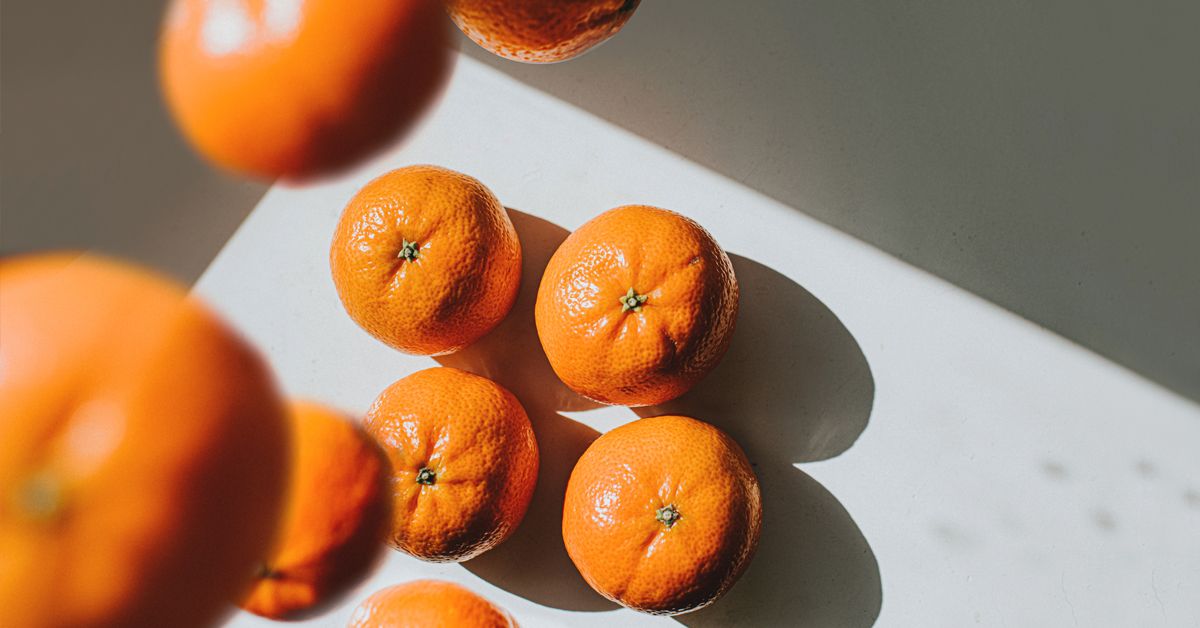
5. Citrus Fruits
Oranges, grapefruit, mandarins, and lemons help you pile on more potassium, fiber, and vitamin C. Whole fruit is usually a better choice than sugary juice, since it gives you more fiber and fullness. Orange segments in a salad can make you feel suspiciously like someone who has their life together.
6. Sweet Potatoes
Sweet potatoes are a smart swap for salty fries and a great source of potassium and fiber. Roast them, mash them, stuff them with black beans, or turn them into wedges with a little olive oil and spices. They are sweet enough to be satisfying and sturdy enough to anchor a meal.
7. Beans
Black beans, white beans, chickpeas, kidney beans, and cannellini beans are budget-friendly overachievers. They provide potassium, magnesium, fiber, and plant protein. They also help build meals that are filling without leaning so hard on red meat and processed foods. Add beans to soups, salads, tacos, pasta, or grain bowls and watch your meal become more nutritious in under two minutes.
8. Lentils
Lentils deserve their own spotlight because they cook faster than many beans and fit into everything from soups to curries to salads. They are rich in fiber and plant protein, and they pair beautifully with vegetables and whole grains. If you think lentils are boring, that is almost always a seasoning problem, not a lentil problem.
9. Oats
Oatmeal is not just breakfast for people who own three fleece vests and enjoy weather apps. Oats are whole grains that provide fiber, including soluble fiber, and whole grains are consistently linked with better heart health. A bowl of oats topped with berries, banana, cinnamon, and a few nuts is one of the simplest ways to build a blood-pressure-friendly morning.
10. Whole Grains
Beyond oats, think quinoa, brown rice, farro, barley, and whole-grain bread. Whole grains offer fiber, magnesium, and other nutrients that refined grains leave behind like bad roommates. They also make meals more satisfying, which is helpful if you are trying to cut back on salty snack foods later in the day.
11. Yogurt
Plain yogurt, especially low-fat or fat-free varieties, can be a useful addition to a blood-pressure-friendly eating plan. It offers calcium, protein, and often potassium. Use it as a breakfast base, blend it into smoothies, or swap it for sour cream in dips and sauces. Just check the label because some flavored yogurts are basically dessert in a clever disguise.
12. Kefir
Kefir is the tangy, drinkable cousin of yogurt. It provides dairy-based nutrients and can be an easy option for people who want something fast in the morning. Blend it with berries and spinach for a smoothie that says “I make healthy choices” even if the rest of your day includes answering emails with visible annoyance.
13. Salmon
Fatty fish such as salmon are rich in omega-3 fats, and heart health experts continue to recommend fish as part of a healthy eating pattern. Salmon is also a practical dinner option because it cooks quickly and plays nicely with vegetables, grains, and herbs. If fresh salmon is pricey, frozen fillets can still get the job done.
14. Sardines
Sardines may not win every popularity contest, but nutritionally they pull a lot of weight for such tiny fish. They bring omega-3s and calcium to the plate and work well on toast, in salads, or mashed with lemon and herbs. Think of sardines as the brutally efficient minimalist of the seafood world.
15. Pistachios and Walnuts
Nuts can support heart health when they replace less nutritious snacks. Pistachios and walnuts are especially interesting because they provide unsaturated fats, minerals, and a little protein and fiber. Keep portions sensible, since they are calorie-dense, but do not fear them. A small handful beats a bag of salty mystery crunch any day.
16. Seeds
Pumpkin seeds, chia seeds, flaxseeds, and sunflower seeds can quietly improve the nutrition of meals without demanding a lot of attention. They add magnesium, healthy fats, and fiber. Sprinkle them on yogurt, oatmeal, salads, or roasted vegetables. Flax and chia are especially handy if you enjoy foods that do not taste like “health food” but still behave like it.
17. Avocados
Avocados bring potassium, magnesium, fiber, and heart-healthy fats in one very photogenic package. Mash them onto whole-grain toast, slice them into grain bowls, or add them to salads. The key is using avocado as part of a balanced meal, not as an excuse to eat a mountain of salty chips and call it wellness.
How to Make These Foods Work in Real Life
Knowing the best foods to lower blood pressure is useful. Actually eating them on a random Wednesday when you are tired, hungry, and two inconveniences away from ordering extra-salty takeout is the real challenge.
Here are a few practical moves that help:
- Build meals around produce first, then add protein and whole grains.
- Choose plain yogurt, unsalted nuts, and low-sodium canned beans when possible.
- Rinse canned beans to cut back on sodium.
- Use herbs, citrus, garlic, pepper, and vinegar to add flavor without piling on salt.
- Keep frozen berries, spinach, salmon, and vegetables on hand for lazy-day cooking.
- Aim for a pattern, not perfection. One balanced meal helps. A week of them helps more.
It is also important to remember that blood pressure-friendly eating is not about one “superfood.” It is the full pattern that matters most. A bowl of berries cannot cancel out a steady stream of processed snacks, oversized restaurant meals, and sodium-heavy convenience foods. Nice try, but nutrition math does not work like that.
Foods and Habits That Can Undercut Your Progress
If you are serious about lowering blood pressure, it helps to know what tends to interfere. The biggest troublemakers are often ultra-processed foods loaded with sodium, including deli meats, canned soups, fast food, frozen meals, salty snacks, and restaurant dishes that taste amazing for reasons your arteries may not applaud.
Also watch the “healthy halo” effect. A grain bowl can still become a sodium bomb if it is drenched in bottled dressing, topped with salted seeds, and paired with a giant sweetened drink. A healthier eating pattern works best when it is supported by other habits too, like moving your body, sleeping enough, managing stress, limiting alcohol, and taking prescribed medication if your clinician recommends it.
Experience Section: What People Often Notice When They Start Eating for Better Blood Pressure
One of the most common experiences people describe is that blood-pressure-friendly eating feels surprisingly normal after the first week or two. At first, the shift can seem a little dramatic. There is less takeout, more grocery shopping, and a suspicious amount of produce suddenly living in the refrigerator. But then something funny happens: meals start tasting fresher, cravings for super-salty foods calm down, and the routine becomes less “I am on a health mission” and more “this is just dinner now.”
Breakfast is often where people notice the easiest win. Swapping a salty breakfast sandwich or sugary pastry for oatmeal with berries and yogurt tends to leave them feeling steadier, fuller, and less likely to go snack-hunting an hour later. Many say they do not feel like they are “dieting” at all. They just feel less crashy and less ravenous by midmorning, which is a small miracle in its own right.
Lunch tends to be the battleground. People who start bringing grain bowls, bean salads, lentil soup, or leftovers from home often realize how salty many restaurant lunches had become. At first, homemade food may seem less exciting. Then their taste buds recalibrate. Suddenly, roasted sweet potatoes taste sweeter, lemon tastes brighter, and herbs start pulling more weight. It is like your mouth finally stops expecting every bite to arrive wearing a sodium tuxedo.
Dinner changes can feel even more satisfying because they are often the most visible. A plate with salmon, leafy greens, and brown rice looks like a grown-up choice, but it can still be comforting and filling. People often report that once they learn three or four reliable low-sodium dinners, the whole process gets easier. The panic of “What do I cook?” shrinks dramatically when you know you can roast fish, heat lentils, toss a salad, and be done before takeout apps even finish loading.
Another common experience is that food starts doing double duty. A bowl of yogurt with fruit and seeds is breakfast one day and a snack the next. Beans go into soup, then tacos, then a salad. Avocados land on toast, then in wraps, then next to eggs. This kind of repeat use matters because healthy eating becomes sustainable when ingredients are convenient, not when every meal requires culinary theater.
People also often say they begin reading labels more closely, especially for sodium. That can be eye-opening. Bread, sauces, soups, salad dressings, and frozen meals can carry more salt than expected. Once someone spots those hidden sources, they usually feel more in control. It stops being a vague “I should eat better” goal and becomes a specific, practical habit.
And perhaps the most encouraging experience is emotional, not nutritional. People often feel less helpless. High blood pressure can make some people feel as if their bodies are misbehaving without permission. Changing how they eat gives them a sense of action. It is not instant, and it is not magical, but it is meaningful. Every meal becomes a quiet vote for better health, which is honestly much more powerful than another internet promise about miracle ingredients.
Final Thoughts
The best foods to lower blood pressure are not hidden in a secret aisle. They are the basics done well: leafy greens, berries, bananas, beans, lentils, whole grains, yogurt, fatty fish, nuts, seeds, avocados, beets, citrus, and other produce-rich staples. Together, they create the kind of eating pattern that supports healthier blood pressure and better heart health overall.
So no, you do not need to become a perfect eater. You just need to make enough smart choices, often enough, that your body starts getting a better deal. That might mean oatmeal instead of a pastry, salmon instead of processed meat, beans instead of chips, or spinach showing up more often than your usual side dish of regret. Small choices add up. Your blood pressure is paying attention.