

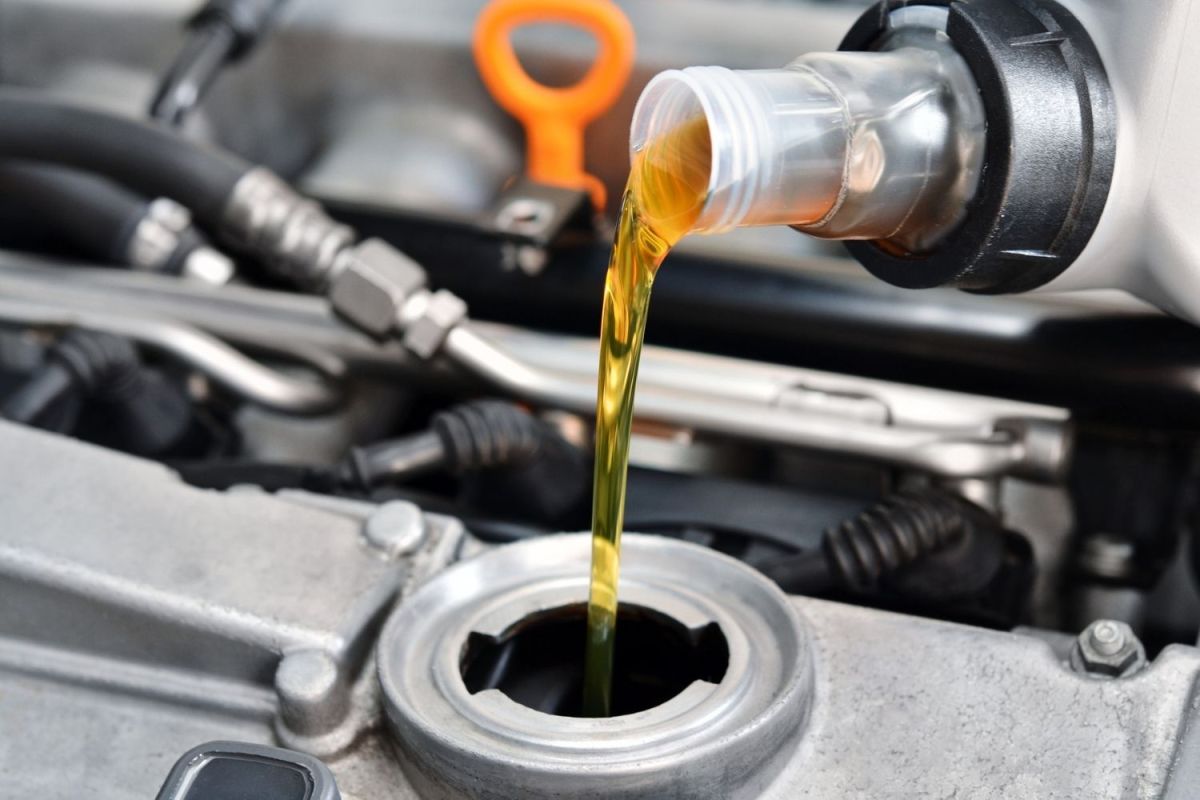
When winter shows up wearing steel-toed boots, your snow blower becomes the most important machine in the garage. It does not ask for applause. It does not need a motivational speech. But it absolutely needs the right engine oil. Choose poorly, and your snow blower may cough, grumble, smoke, or refuse to start while your driveway disappears under a white blanket of doom.
The best oil for snow blowers is usually a high-quality SAE 5W-30 oil, often synthetic or synthetic blend, because it flows well in freezing temperatures while still protecting the engine once it warms up. That is why many top snow blower oil recommendations, including Bob Vila-style picks, focus on cold-weather performance, clean lubrication, easy starts, and compatibility with 4-cycle small engines.
This guide breaks down the best oils for snow blowers, how to choose the right viscosity, when synthetic oil is worth it, and what real-world snow-clearing experience teaches after your eyebrows have frozen and the plow has kindly built a snow wall at the end of your driveway.
Why Snow Blowers Need the Right Oil
A snow blower engine works in brutal conditions. Unlike a lawn mower, which usually starts in warm spring or summer weather, a snow blower may be started in a cold garage when the temperature is below freezing. Thick oil moves slowly in that environment. Slow-moving oil means slower lubrication, harder starting, and more wear during the first few seconds of operation.
That is why cold-weather viscosity matters. The “W” in 5W-30 stands for winter, not “wow, this oil is magical,” although on a January morning it may feel that way. A 5W-30 oil is designed to flow better at low temperatures than heavier oils, helping the engine turn over more easily and receive lubrication faster.
Most modern gas snow blowers use 4-cycle engines, which means the oil sits in the crankcase and lubricates the engine separately from the gasoline. This is different from older or smaller 2-cycle engines, where oil is mixed with fuel. Always check your owner’s manual before adding oil, because the wrong oil system can turn a helpful maintenance job into an expensive lesson.
Best Overall Snow Blower Oil: Pennzoil Platinum Full Synthetic 5W-30
Pennzoil Platinum Full Synthetic 5W-30 is a popular top pick for snow blowers because it offers strong cold-weather performance, excellent engine cleanliness, and reliable protection for small engines that work hard in short, intense bursts. It is also widely available, which matters when the forecast says “historic storm” and everyone in town suddenly remembers they own outdoor power equipment.
Full synthetic oil is engineered to perform more consistently in temperature extremes than conventional oil. For snow blowers, that advantage is especially useful at startup. When the engine is cold, synthetic 5W-30 can flow quickly enough to reduce dry-start wear and help the motor settle into a smoother rhythm.
Why It Stands Out
Pennzoil Platinum is a strong choice for homeowners who want one dependable oil for winter use. It is especially practical for two-stage snow blowers, larger residential machines, and engines that sit in unheated garages or sheds. It also works well for people who want better cold-start confidence without buying a tiny branded bottle every season.
Best For
This oil is best for homeowners who want premium synthetic protection, easier cold starts, and a product that can be found at many auto parts stores, hardware stores, and big-box retailers.
Best OEM-Style Pick: Toro 5W-30 Synthetic Winter Engine Oil
Toro 5W-30 Synthetic Winter Engine Oil is designed specifically for Toro snow blowers and other cold-weather power equipment. If you own a Toro single-stage or two-stage snow blower, this is one of the safest choices because it is made with the brand’s winter equipment in mind.
OEM oils are attractive because they remove guesswork. You do not need to compare a dozen labels while standing in the aisle pretending to understand every certification code. Toro’s winter oil is formulated for easy starting in extreme cold and matches the viscosity commonly required by many Toro 4-cycle snow blower engines.
Why It Stands Out
The biggest benefit is compatibility confidence. If your manual recommends SAE 5W-30 and you own a Toro, Toro-branded winter engine oil makes maintenance straightforward. The bottle size is also usually convenient for small-engine oil changes, so you are less likely to have a half-open jug sitting on a shelf until the next ice age.
Best For
This oil is best for Toro owners who prefer manufacturer-branded maintenance products and want a simple, reliable winter oil for seasonal service.
Best for Ariens Snow Blowers: Ariens Synthetic Blend 5W-30 4-Cycle Oil
Ariens snow blowers are known for serious winter work, and Ariens Synthetic Blend 5W-30 4-Cycle Engine Oil is built for cooler temperatures and 4-cycle engines. It is a practical pick for owners who want brand-specific oil without paying for a full synthetic automotive jug.
A synthetic blend combines conventional base oil with synthetic components. It usually costs less than full synthetic oil but offers better cold-weather performance and protection than basic conventional oil. For many homeowners, that middle ground makes sense.
Why It Stands Out
Ariens oil is designed for winter operation and is commonly sold in convenient small-engine bottle sizes. It is a good fit for homeowners who perform one oil change per season and want enough oil for the job without buying a large container.
Best For
This oil is best for Ariens Sno-Thro owners, especially those who want a simple seasonal oil change with a product designed for their equipment category.
Best Small-Engine Classic: Briggs & Stratton SAE 5W-30 Snow Thrower Oil
Briggs & Stratton is one of the most recognized names in small engines, and its SAE 5W-30 snow thrower oil is formulated for winter use in air-cooled 4-cycle engines. Many snow blowers use engines or engine designs similar to those Briggs & Stratton has supported for decades, making this oil a dependable traditional choice.
This is not the flashiest oil on the shelf. It does not need a cape. Its appeal is simple: it is made for small engines, labeled clearly for snow throwers, and designed for cold-weather use. That is exactly what many homeowners need.
Why It Stands Out
The Briggs & Stratton option is easy to recommend for people who want a purpose-labeled snow blower oil rather than general automotive oil. It is particularly helpful for owners who feel more comfortable using small-engine-specific products.
Best For
This oil is best for 4-cycle snow blower engines that call for SAE 5W-30 and for homeowners who value a trusted small-engine brand.
Best Budget-Friendly Pick: Cub Cadet SAE 5W-30 Snow Blower Oil
Cub Cadet SAE 5W-30 snow blower oil is another strong OEM-style option. It is formulated for snow blower engines and often promoted for cold-weather starting, rust protection, and corrosion resistance. These features matter because snow blowers live around moisture, road salt, slush, and other garage-floor villains.
For Cub Cadet owners, this oil is a straightforward match. For other compatible 4-cycle snow blowers, it may also be suitable if the manual calls for SAE 5W-30 oil meeting the required service classification.
Why It Stands Out
Cub Cadet’s oil is practical, easy to use, and typically available through outdoor power equipment dealers and home improvement retailers. It is a good choice when you want a snow-specific oil without diving into premium synthetic pricing.
Best For
This oil is best for Cub Cadet snow blower owners and anyone seeking a dedicated 5W-30 winter oil for a compatible 4-cycle snow thrower.
Best Extreme-Cold Option: Mobil 1 Advanced Fuel Economy 0W-30
For homeowners in very cold climates, a 0W-30 full synthetic oil can be worth considering if the snow blower manual allows it. Mobil 1 Advanced Fuel Economy 0W-30 is designed to flow well at low temperatures, which can help when a machine is stored in an unheated shed and the thermometer looks personally offended.
The “0W” rating means the oil is formulated for better cold-temperature flow than 5W oils. However, this does not automatically mean every snow blower should use it. Always check the owner’s manual first. Some manufacturers specifically recommend 5W-30, while others provide a temperature chart that may allow 0W-30 in extremely cold conditions.
Why It Stands Out
Mobil 1 0W-30 is a premium synthetic oil with excellent cold-flow characteristics. It is a smart candidate for users in northern states, mountain regions, or anywhere winter mornings routinely feel like opening a freezer inside another freezer.
Best For
This oil is best for extreme-cold climates when the snow blower manufacturer allows 0W-30 or when the engine manual includes it as an acceptable viscosity.
Best Premium Synthetic Alternative: Valvoline Advanced Full Synthetic 5W-30
Valvoline Advanced Full Synthetic 5W-30 is another excellent option for homeowners who prefer a high-quality automotive synthetic oil. It is designed for strong wear protection, low-temperature flow, and deposit control. In snow blower use, those traits translate into easier cold starts and cleaner engine operation.
This oil makes sense when you want a premium full synthetic but cannot find a snow-blower-branded bottle. As long as your manual accepts SAE 5W-30 and the oil meets the required API classification, a reputable full synthetic automotive oil can be a strong performer.
Why It Stands Out
Valvoline is widely available, often competitively priced, and trusted by many vehicle owners. For snow blower owners, the main advantage is combining modern synthetic protection with easy store availability.
Best For
This oil is best for homeowners who want premium synthetic 5W-30 performance and prefer a familiar automotive oil brand.
Best High-Performance Pick: Royal Purple High Performance 5W-30
Royal Purple High Performance 5W-30 is a premium synthetic oil designed for strong wear protection, oxidation stability, and consistent viscosity. It is not the cheapest option, but it appeals to equipment owners who like using high-end lubricants in everything from vehicles to small engines.
For a snow blower, Royal Purple may be more oil than the average driveway technically needs. But if your machine is expensive, heavily used, or expected to clear long driveways through multiple storms, premium lubrication can be a reasonable investment.
Why It Stands Out
Royal Purple stands out for its performance-focused formulation. It is a good match for owners who maintain equipment carefully and do not mind paying extra for premium synthetic protection.
Best For
This oil is best for high-use snow blowers, larger residential machines, and owners who prefer top-tier synthetic lubricants.
How to Choose the Best Oil for a Snow Blower
Start With the Owner’s Manual
The owner’s manual is the final authority. It tells you the recommended viscosity, oil capacity, service classification, and oil change schedule. Most modern 4-cycle snow blowers call for SAE 5W-30, but there are exceptions. Some manuals allow 0W-30 in extreme cold, 10W-30 in milder conditions, or brand-specific recommendations.
Understand 5W-30 vs. 0W-30
SAE 5W-30 is the common winter workhorse. It flows well in cold weather and protects the engine once warm. SAE 0W-30 flows even better at very low temperatures, but it should only be used if the manufacturer approves it. In simple terms, 5W-30 is the safe default for many snow blowers; 0W-30 is the cold-climate specialist.
Choose Synthetic for Easier Cold Starts
Synthetic oil usually performs better in cold temperatures because it resists thickening. That means less strain on the starter, faster lubrication, and smoother running during those first chilly moments. Conventional 5W-30 can still work when recommended, but synthetic is often the better choice for harsh winter use.
Check the API Rating
Most small engines require oil that meets or exceeds a particular API service classification. Look for the API donut or certification information on the bottle. If your manual lists a minimum rating, choose oil that meets or exceeds it.
Buy the Right Amount
Snow blower engines usually require much less oil than car engines. Many small engines take around 16 to 32 ounces, depending on model and engine size. Overfilling can cause smoking, leaks, or poor performance, so add slowly and check the dipstick often.
How Often Should You Change Snow Blower Oil?
Most snow blower owners should change the oil at least once per season. If the machine is new, many manuals recommend an early first oil change after the initial break-in period. After that, annual service is usually enough for average residential use.
If you clear several properties, run the machine for long storm cycles, or operate in especially dirty or wet conditions, change the oil more often. Oil is cheaper than engine repairs, and a snow blower engine is not the place to test your luck like a contestant on a bad game show.
Quick Oil Change Tips for Snow Blowers
Warm the engine for a few minutes before draining the oil. Warm oil flows out more easily and carries away more contaminants. Turn the machine off, disconnect the spark plug wire for safety, place a drain pan under the drain plug, and let the old oil empty completely.
Refill slowly with the recommended oil. Check the dipstick without overfilling. Wipe spills immediately, tighten the cap securely, and dispose of used oil at a recycling center or auto parts store that accepts it.
Common Snow Blower Oil Mistakes to Avoid
Using SAE 30 in Freezing Weather
SAE 30 is common in warm-weather small engines, but it is usually too thick for winter starts. It may work beautifully in a lawn mower and behave like maple syrup in a snow blower. Use winter-rated oil unless your manual says otherwise.
Mixing Oil With Gas in a 4-Cycle Engine
Most modern snow blowers have 4-cycle engines. Do not mix oil into the fuel unless your specific machine is a 2-cycle model that requires it. Adding oil to the gas in a 4-cycle engine can cause smoke, fouling, and performance problems.
Ignoring Oil Level
Low oil can damage an engine quickly. Check the level before major storms and after long use. Snow blowers are often stored for months, and a quick dipstick check can prevent a very expensive “why is it making that noise?” moment.
Real-World Experience: What Snow Blower Oil Teaches You After a Few Winters
After enough winters, choosing snow blower oil stops feeling like a tiny maintenance chore and starts feeling like insurance against misery. Anyone who has tried to start a neglected snow blower at 6 a.m. before work knows the sound: pull, cough, silence. Pull again, cough, betrayal. Meanwhile, the driveway is buried, the coffee is getting cold, and the neighbor with the perfectly maintained machine is gliding along like a snow-removal ballerina.
The first lesson is that cold starts reveal everything. A snow blower that starts easily in October may struggle in January if the oil is too thick, old, or contaminated. Fresh synthetic 5W-30 often makes the machine feel more willing. The starter pulls easier, the engine catches faster, and the idle smooths out sooner. It is not magic, but when the windchill is rude, it feels close.
The second lesson is that oil level matters more than many owners think. Snow blowers vibrate, tilt, and work under heavy load. If the oil is low, the engine may run hotter and wear faster. Checking the dipstick before a storm takes less than a minute. That one minute can save the engine from damage, especially during a long clearing session when the auger is chewing through heavy, wet snow at the end of the driveway.
The third lesson is that brand-specific oils are convenient, but viscosity and specification are the real stars. Toro, Ariens, Briggs & Stratton, Cub Cadet, and Craftsman-branded oils are excellent choices when they match your machine. However, a high-quality full synthetic 5W-30 from a reputable automotive brand can also perform well if it meets the manual’s requirements. The label matters, but the correct viscosity, API rating, and clean oil matter more.
The fourth lesson is that seasonal maintenance beats emergency maintenance every time. Changing oil in a warm garage before the first big storm is peaceful. Changing oil after the first failed start, while snow piles up and your gloves absorb used oil like tiny sponges of regret, is less peaceful. Make oil changes part of a pre-winter ritual: inspect belts, check shear pins, add fuel stabilizer, test the starter, and confirm the scraper bar and skid shoes are ready.
The fifth lesson is that snow type changes engine stress. Light powder is easy. Heavy, wet snow is the boss battle. When the machine is pushing through slush, the engine works harder, runs hotter, and benefits from clean, stable oil. Premium synthetic oil is especially valuable for people who regularly clear long driveways, packed plow ridges, or multiple properties.
Finally, storage habits matter. At the end of winter, change the oil before putting the snow blower away. Used oil can contain moisture, acids, and combustion byproducts. Letting that sit in the crankcase all summer is like leaving dirty dishwater in a pan and hoping future you will be impressed. Fresh oil protects internal parts during storage and gives you a head start when winter returns.
Final Verdict: What Is the Best Oil for Snow Blowers?
For most homeowners, the best snow blower oil is a high-quality SAE 5W-30 full synthetic oil. Pennzoil Platinum Full Synthetic 5W-30 earns the best overall recommendation because it offers strong cold-weather flow, broad availability, and excellent engine protection. Toro 5W-30 Synthetic Winter Engine Oil, Ariens Synthetic Blend 5W-30, Briggs & Stratton SAE 5W-30, and Cub Cadet SAE 5W-30 are excellent choices for owners who prefer OEM-style products.
If you live in an extremely cold region and your manual allows it, Mobil 1 0W-30 can be a smart upgrade for easier starts. Valvoline Advanced Full Synthetic 5W-30 and Royal Purple High Performance 5W-30 are also strong premium alternatives.
The short version: use the viscosity your manual recommends, choose synthetic if winter is harsh, check the oil level often, and change the oil before the snow blower has to fight another season. Your machine will run better, start easier, and complain less. Unfortunately, it still will not shovel the porch steps.