

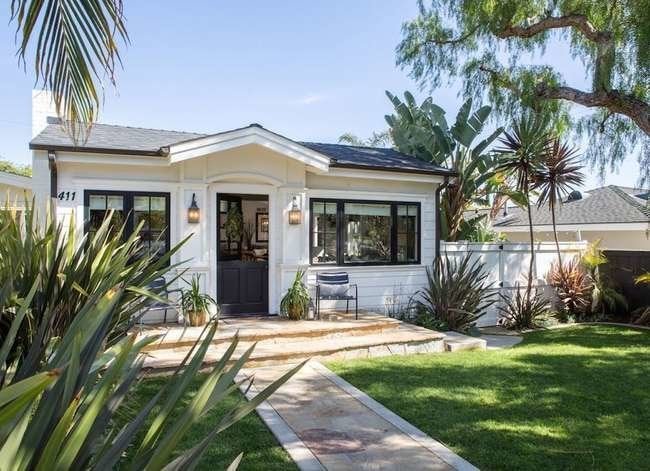
In 2018, the backyard stopped acting like the home’s forgotten storage closet with a lawn attached. Homeowners began treating patios, decks, porches, and garden corners as real living areasplaces to cook, read, host, stretch, sip something cold, and occasionally pretend they were on vacation instead of ten feet from the laundry room.
The biggest outdoor design trends of 2018 were less about chasing flashy accessories and more about building useful, personal spaces. A great landscape was no longer judged solely by how green the grass looked from the curb. It was judged by whether people actually wanted to spend time there. That shift inspired outdoor rooms, fire features, native planting, vertical gardens, wellness retreats, durable materials, and clever layouts designed around real life.
This historical look at 2018 outdoor design trends shows why many of the year’s ideas still feel surprisingly relevant. The details may have changed, but the core philosophy remains refreshingly simple: make the outdoors comfortable enough that everyone forgets to check the time.
Research basis:
Outdoor Living Became More Personal
One of the defining landscape trends of 2018 was experiential design. Instead of starting with a generic patio set and hoping the rest of the yard figured itself out, homeowners began asking a better question: “What do we actually want to do out here?”
For one household, that answer might have been an outdoor kitchen with a serious grill, prep counter, refrigerator, and enough seating for a weekend cookout. For another, it could have been a quiet yoga nook screened by ornamental grasses. Families might have chosen a flexible lawn for games, while avid gardeners created potting stations, raised beds, and paths that made daily plant care feel less like a chore and more like a pleasant escape from email.
This was a meaningful departure from cookie-cutter landscaping. Rather than copying the neighbor’s shrubs and calling it a day, homeowners increasingly designed around hobbies, schedules, pets, children, entertaining habits, and how much maintenance they were realistically willing to tolerate. In other words, the yard got a personality.
Designing for Your Current Life Stage
Landscape design in 2018 also became more responsive to life stage. A family with young children needed open play space, durable surfaces, and plants that could survive an accidental soccer ball. Empty nesters often leaned toward dining terraces, flowering borders, and low-maintenance shrubs. Busy professionals wanted polished outdoor spaces that did not demand a second full-time job with pruning shears.
The best outdoor design was not the most expensive version of a magazine spread. It was the version that matched the people using it. A backyard that supports your actual routine will always feel more luxurious than a picture-perfect patio nobody sits on because the furniture is uncomfortable and the sun is trying to roast everyone like a holiday turkey.
Serenity Gardens Turned Backyards Into Mini Retreats
Wellness was a major influence on 2018 garden design. Serenity gardens became especially appealing as homeowners searched for small ways to create calm without booking a flight, packing three bags, and pretending airport food is acceptable.
A serenity garden did not need to be enormous or overly formal. It could be as simple as a tucked-away bench under a small tree, a path lined with fragrant lavender, a fountain with gentle water sounds, or a corner filled with soft foliage and flowering plants. The goal was to create a sensory shift: less noise, less visual clutter, and more room to breathe.
Texture mattered as much as color. Fine-leaf grasses, velvety lamb’s ear, smooth stone, weathered wood, and gently moving foliage all helped make outdoor spaces feel calmer. Water features, wind chimes, and fragrant herbs added another layer of atmosphere. The 2018 outdoor retreat was not necessarily about luxury in the traditional sense. It was about creating a place where your brain could stop sprinting for five minutes.
Climate-Conscious Landscaping Became a Design Essential
By 2018, homeowners and landscape professionals were paying closer attention to weather extremes, water use, and long-term maintenance. Climate-conscious landscaping was not a niche idea reserved for desert gardens. It became a practical response to unpredictable rain, hotter summers, drought concerns, and the reality that thirsty, high-maintenance lawns can be demanding little divas.
Designers increasingly recommended drought-tolerant plants, better drainage, drip irrigation, permeable paving, and hardscape materials suited to local conditions. A well-designed landscape needed to handle more than a perfect Saturday in May. It had to survive heavy rain, dry stretches, strong sun, cold snaps, and the occasional surprise weather event that makes everyone stare at the sky and mutter, “Well, that seems new.”
Native Plants and Pollinator-Friendly Gardens
Native plants were one of the most important 2018 landscaping trends because they offered practical and ecological benefits. Plants adapted to local conditions generally require less intervention once established than species that are constantly fighting the climate. They can also provide food and shelter for birds, butterflies, bees, and other wildlife.
Instead of planting every border with the same conventional shrubs, homeowners began mixing native grasses, flowering perennials, berry-producing shrubs, and seasonal plants. The result was a garden that looked more alive, more regional, and less like it had been assembled from the “Default Suburb Starter Pack.”
Rain gardens, reduced lawn areas, edible beds, dry gardens, and water-efficient irrigation also became common parts of the conversation. These choices helped turn sustainability into something attractive and usable rather than something that felt like a lecture from a reusable grocery bag.
Research basis:
Small Outdoor Spaces Got Smarter
Not everyone has a sweeping backyard with room for a pool, tennis court, pizza oven, and dramatic entrance worthy of a reality show. Fortunately, 2018 design trends proved that smaller outdoor spaces could still deliver big personality.
Multifunctional design became essential for urban patios, balconies, narrow side yards, and compact gardens. A built-in bench could also provide storage. A fire feature could double as a table or focal point. A raised planter could define an outdoor room while creating extra seating. Foldable furniture, movable stools, portable bar carts, and lightweight planters made it easier to change a space from quiet morning coffee zone to evening gathering spot.
Vertical Gardens Added Height, Privacy, and Edibles
Vertical gardens were especially useful in small outdoor areas. Trellises, arbors, hanging planters, wall-mounted containers, and climbing vines gave homeowners more growing space without swallowing the floor area. A vertical herb garden could put basil, mint, thyme, and rosemary within arm’s reach of the grill. A vine-covered screen could soften a fence while adding privacy.
Vertical planting also made spaces feel larger by drawing the eye upward. Even a simple trellis with climbing flowers or edible beans could add depth and structure. The trick was to choose plants that matched the site’s light, wind, watering needs, and support system. A vertical garden is charming; a collapsing cucumber jungle is less charming, especially when it falls into someone’s drink.
Research basis:
Outdoor Rooms Borrowed Comfort From Indoors
The phrase “outdoor room” became a major part of backyard design in 2018. Patios were styled more intentionally with weather-resistant sofas, deep seating, outdoor rugs, curtains, lamps, coffee tables, pillows, and even artwork designed for exterior conditions.
The goal was not to drag the living room outside and hope the rain respected the upholstery. It was to create spaces with the same sense of comfort and purpose as indoor rooms, using materials built to tolerate sun, moisture, dirt, and temperature changes.
Performance fabrics became particularly important. Homeowners wanted cushions and upholstery that looked refined but could handle spilled lemonade, muddy paws, sunscreen, and unpredictable weather. Sling furniture also gained traction because it was streamlined, durable, easy to clean, and required less seasonal fuss than bulky upholstered pieces.
Richer Colors Replaced Safe Beige Everything
Color also got bolder in 2018. Deep blues, lush greens, jewel tones, and purple blooms helped outdoor spaces feel more polished. Ultra Violet, Pantone’s Color of the Year for 2018, influenced plant choices as gardeners added lavender, iris, petunias, verbena, clematis, and other purple-flowering options.
The best version of this trend balanced color with neutral foundations. Think stone, wood, charcoal, cream, or concrete paired with blue cushions, green umbrellas, purple flowers, and patterned textiles. A little color gave the space energy without turning the backyard into an accidental theme park.
Concrete, Porcelain, and Better Hardscaping Had a Moment
Concrete became one of the most versatile outdoor materials of 2018. Designers used it for patios, benches, planters, tables, edging, fire pits, and sculptural elements. It could look sleek and modern, rustic and textured, or surprisingly warm when paired with wood, plants, and soft furnishings.
Porcelain pavers also gained attention because they offered a durable way to create visual continuity between indoor and outdoor surfaces. For homeowners who wanted the patio to feel connected to the kitchen or living area, similar flooring tones helped blur the boundary between house and garden.
Other hardscaping ideas included permeable pavers, gravel paths, stone terraces, raised planting beds, seat walls, and integrated drainage. The lesson was clear: the ground beneath your furniture deserves as much thought as the furniture itself. A beautiful outdoor sofa cannot save a patio that puddles every time it rains.
Fire Features and Outdoor Kitchens Extended the Season
Fire pits, fire bowls, outdoor fireplaces, and patio heaters were among the strongest outdoor living trends of 2018. They created a natural gathering point, added ambient light, and made it easier to use the backyard on cool evenings. Even a modest fire feature could turn a plain patio into a destination.
Outdoor kitchens were equally popular. While not every backyard needed a full chef’s station with refrigeration and stone counters, homeowners were eager to make outdoor cooking easier. A functional setup might include a grill, counter space, storage, lighting, and seating nearby so the cook was not stranded alone while everyone else chatted twenty feet away.
The best outdoor kitchens were designed for flow. Food prep, grilling, serving, eating, and cleanup all needed to work together. More importantly, the layout needed to keep guests close enough to talk without standing directly in the smoke plume like they had been assigned a very strange spa treatment.
Research basis:
Lighting Became More Intentional
Outdoor lighting in 2018 moved beyond the idea that a few sagging string lights could solve every problem. Homeowners began layering lighting for different purposes: path lights for safety, uplights for trees or architectural details, wall sconces for atmosphere, lanterns for tables, and softer accent lighting for evening relaxation.
The most successful spaces avoided flooding the yard with harsh brightness. Instead, they used low, warm, indirect light to highlight key areas while preserving a relaxed mood. Good lighting made outdoor rooms feel finished, improved visibility around steps and paths, and helped the yard remain useful after sunset.
Technology Supported the Landscape Without Taking Over
Technology also found a place in 2018 outdoor design, although the best applications stayed quietly in the background. Battery-powered landscape tools reduced noise and emissions. Smart irrigation systems helped homeowners manage watering more efficiently. Landscape professionals used 3D modeling and drones to help clients visualize projects before installation.
The point was not to turn the backyard into a gadget convention. It was to use technology where it made outdoor living easier, more efficient, or more understandable. A good landscape should still feel like a garden, not a Wi-Fi router with shrubs.
What It Felt Like to Live With the Biggest Outdoor Design Trends of 2018
The real appeal of the 2018 outdoor design movement was not visible in a before-and-after photo. It showed up in how people used their homes. A patio that had once held two plastic chairs and a lonely grill suddenly became the place where breakfast happened on weekends. A small garden bench became a quiet spot for phone calls. A fire pit gave neighbors a reason to stay for one more conversation instead of heading inside immediately after dinner.
For homeowners who embraced outdoor rooms, the biggest surprise was often how much more space the house seemed to have. Nothing physically changed indoors, yet the home gained another living room, dining area, reading nook, and entertaining zone. A rug, a few durable chairs, soft lighting, and a planted border could make even a modest deck feel intentional. The psychological effect was enormous. It is hard to feel cramped when you remember there is a comfortable place outside where you can sit under the sky.
Gardeners experienced the trend differently. Native plants, pollinator beds, herbs, vertical planters, and edible gardens made the landscape feel active rather than ornamental. The yard became a place that produced somethingflowers for a table, mint for drinks, tomatoes for dinner, and nectar for butterflies. There was also satisfaction in seeing a landscape settle into its environment instead of demanding constant correction. A lawn that needed less water and a planting bed that attracted birds could make a homeowner feel oddly accomplished before 9 a.m.
Fire features changed the rhythm of outdoor entertaining. Before, a gathering often ended when the sun went down or the temperature dropped. With a fire pit or fireplace, the evening had a second act. People moved closer together, conversations slowed down, and someone inevitably told a story that began with, “You are not going to believe this,” before everyone became suspiciously interested in the snack table. The fire itself was only part of the attraction. The real value was the excuse to linger.
Climate-conscious design also created a more practical relationship with the outdoors. Instead of fighting the weather, homeowners began planning around it. Shade structures made hot afternoons manageable. Drainage and permeable surfaces helped after rain. Hardier plants reduced the heartbreak of watching expensive shrubs collapse after a difficult season. The yard became less fragile and more forgiving, which is a quality every homeowner appreciates after discovering that nature does not accept customer service calls.
Looking back, the biggest experience of 2018 outdoor design was freedom. It gave people permission to use a yard in a way that suited them rather than following a rigid idea of what a backyard should be. Some created lush gardens. Some built cooking stations. Some installed a hammock and called it a day. All were valid. The best outdoor space was never the one with the most features. It was the one that made people want to step outside.
Final Thoughts
The biggest outdoor design trends of 2018 reflected a lasting shift in how homeowners think about their landscapes. Outdoor spaces became more personal, flexible, sustainable, and comfortable. From native planting and vertical gardens to outdoor kitchens, fire pits, practical hardscaping, and serenity-focused corners, the goal was to create a yard that worked as hard as the rooms inside the house.
The trend worth keeping is not a specific color, material, or furniture silhouette. It is the idea that your outdoor space should support the way you live. Start with one purpose, solve one real problem, and create one inviting place to sit. That is often enough to turn a backyard from “that patch behind the house” into everyone’s favorite room.