

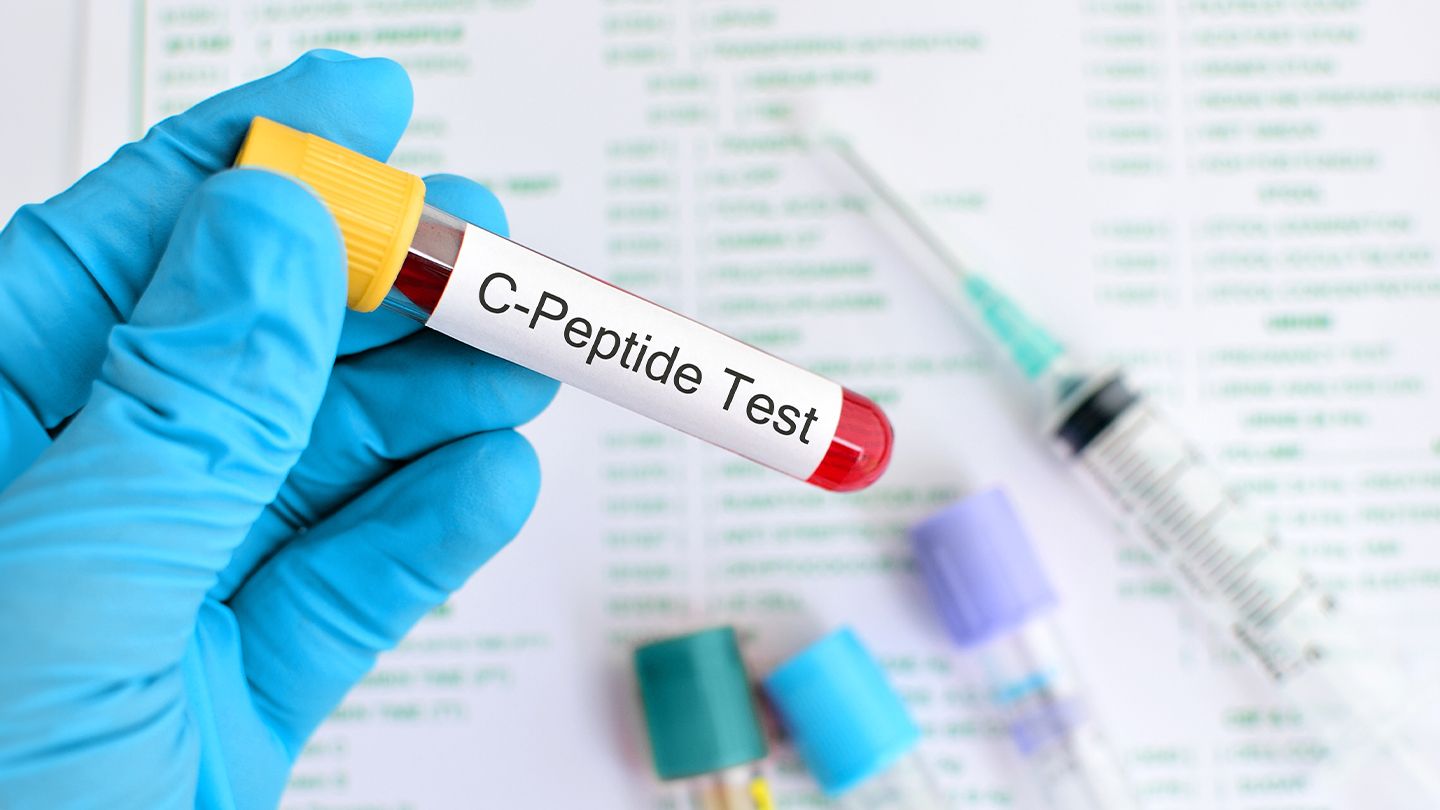
When diabetes testing enters the conversation, blood glucose and A1C usually grab the spotlight. The C-peptide test is the quieter member of the laboratory cast, but it can answer a question those better-known tests cannot: How much insulin is your pancreas still producing on its own?
That information can help doctors distinguish between different types of diabetes, evaluate remaining pancreatic beta-cell function, investigate unexplained low blood sugar, and make safer treatment decisions. It is especially useful when the clinical picture refuses to fit neatly into a “type 1” or “type 2” boxwhich, inconveniently, human bodies sometimes do.
A C-peptide result is not a diabetes diagnosis by itself. It must be interpreted alongside the blood glucose level at the time of testing, whether the person had eaten, kidney function, medications, diabetes history, and sometimes pancreatic autoantibody results.
What Is C-Peptide?
Insulin begins its life inside pancreatic beta cells as a larger molecule called proinsulin. Before insulin can get to work, proinsulin is split into two parts: active insulin and connecting peptide, better known as C-peptide.
The pancreas releases insulin and C-peptide into the bloodstream in roughly equal molar amounts. Insulin helps glucose move from the blood into cells, while C-peptide does not directly control blood sugar. Its value is that it acts as a reliable marker of the insulin your body produces naturally, also called endogenous insulin.
Injected or inhaled insulin does not contain C-peptide. Therefore, even when a person is taking insulin medication, a C-peptide test can still provide information about what the pancreas is contributing to the operation.
C-peptide also remains in circulation longer and fluctuates less dramatically than insulin. Direct insulin measurements can be affected by rapid liver clearance, insulin medications, and insulin antibodies. C-peptide is not perfect, but it is often the steadier witness in the room.
What Does the C-Peptide Test Measure?
The test measures C-peptide in a blood sample and, less commonly, in urine. The result provides an estimate of pancreatic beta-cell activity and natural insulin secretion.
It does not directly measure:
- Your current blood sugar control
- Your average glucose level over several months
- How sensitive your cells are to insulin
- Whether you definitely have type 1 or type 2 diabetes
- Whether a specific insulin dose is correct
Those questions require other information, such as fasting glucose, random glucose, an oral glucose tolerance test, A1C, continuous glucose monitor data, medication history, and autoimmune antibody testing.
Why Might a Doctor Order a C-Peptide Test?
To Help Classify the Type of Diabetes
Most people with classic type 1 diabetes produce little or no insulin because the immune system has damaged the pancreatic beta cells. Many people with type 2 diabetes, particularly earlier in the disease, still produce moderate or high amounts of insulin. Their main problem may be insulin resistance rather than an immediate lack of insulin.
Real life is more complicated than that simplified description. Adults can develop slowly progressing autoimmune diabetes, often called latent autoimmune diabetes in adults, or LADA. A person with long-standing type 2 diabetes may eventually lose substantial beta-cell function. Some people have monogenic diabetes, pancreatic disease, medication-related diabetes, or another less common form.
For an insulin-treated person whose diabetes type remains uncertain, C-peptide testing can help estimate whether meaningful natural insulin production remains. Autoantibody tests may also be needed because C-peptide measures insulin production, not the cause of declining production.
To Measure Remaining Beta-Cell Function
Some people continue making a small amount of insulin after being diagnosed with type 1 diabetes. This is sometimes called the honeymoon phase. Residual insulin production may reduce glucose swings and lower insulin requirements, although it does not mean type 1 diabetes has disappeared or that prescribed insulin can be stopped without medical supervision.
In long-standing type 2 diabetes, a low C-peptide result during significant hyperglycemia may suggest that the pancreas is no longer producing enough insulin to meet the body’s needs. That finding can influence discussions about insulin therapy and other glucose-lowering treatments.
C-peptide is also used in research to measure preservation of beta-cell function after a new type 1 diabetes diagnosis.
To Investigate Unexplained Hypoglycemia
C-peptide is particularly useful when someone has repeated episodes of low blood sugar without an obvious explanation. Doctors may measure glucose, insulin, C-peptide, proinsulin, and sometimes diabetes medications during an episode.
High insulin with high C-peptide during hypoglycemia suggests that the insulin came from inside the body. Possible explanations include an insulin-secreting pancreatic tumor called an insulinoma or the use of medicines that stimulate insulin release, such as sulfonylureas.
High insulin with suppressed C-peptide suggests that the insulin may have come from an external source. This pattern is one reason C-peptide can solve biochemical mysteries that a direct insulin measurement cannot solve alone.
To Monitor Pancreatic or Islet Cell Treatment
C-peptide may be used after a pancreas transplant, islet cell transplant, or certain pancreatic procedures to evaluate whether insulin-producing cells are functioning. It is not part of routine diabetes monitoring for most patients, but it can be valuable in these specialized situations.
Can a C-Peptide Test Diagnose Diabetes?
No. A C-peptide test can help characterize insulin production, but it is not one of the standard tests used to diagnose diabetes.
Diabetes is generally diagnosed with one or more of the following:
- A fasting plasma glucose test
- An A1C test
- A two-hour oral glucose tolerance test
- A random plasma glucose test in a person with classic symptoms or a hyperglycemic crisis
Think of glucose and A1C as telling you that a blood sugar problem exists. C-peptide may help explain what the pancreas is doing while that problem is happening.
Types of C-Peptide Testing
Fasting C-Peptide
A fasting test is commonly performed after avoiding food and caloric drinks overnight. Depending on the laboratory and the purpose of testing, fasting instructions may range from approximately eight to 16 hours. Water is generally allowed.
Fasting produces a baseline measurement, but the result must still be interpreted with the simultaneous glucose level. A low C-peptide value when glucose is also low may simply show that the pancreas appropriately reduced insulin secretion.
Random or Nonfasting C-Peptide
A random C-peptide test may be collected without a formal fast. Current American Diabetes Association guidance allows a random sample collected with a concurrent glucose level within five hours of eating to replace formal stimulation testing in certain insulin-treated adults whose diabetes classification is uncertain.
The meal timing and glucose level should be documented. A number without context is a little like a speedometer reading without knowing whether the car is parked or traveling downhill.
Stimulated C-Peptide
A stimulated test measures how strongly the pancreas responds after receiving a metabolic signal. Stimulation may involve a standardized mixed meal, a glucose drink, or glucagon administered under medical supervision.
Stimulated testing can reveal insulin-producing reserve that may not be obvious in a fasting sample. It is frequently used in diabetes research and selected clinical evaluations, but it is not necessary for every patient.
Urine C-Peptide
C-peptide can also be measured in a urine sample, sometimes collected over 24 hours. Urine testing is used less often than serum testing and can be affected by kidney function and collection accuracy. It should not be used by itself to diagnose diabetes.
How to Prepare for the Test
Preparation depends on the specific test ordered. Follow the instructions from the clinician and laboratory rather than borrowing fasting rules from a stranger on the internet who types entirely in capital letters.
Before testing, tell the healthcare team about:
- All insulin and diabetes medications
- Recent episodes of high or low blood sugar
- Kidney or liver disease
- Pregnancy
- Pancreatic surgery or pancreatitis
- Prescription drugs, over-the-counter medicines, and supplements
Do not stop insulin or another diabetes medication unless the ordering clinician provides explicit instructions. Stopping insulin without supervision can cause severe hyperglycemia or diabetic ketoacidosis in people with substantial insulin deficiency.
The blood test itself is routine. A healthcare professional inserts a needle into a vein, usually in the arm, and collects a small sample. Temporary discomfort, bruising, or lightheadedness may occur, but serious complications are uncommon.
How to Interpret C-Peptide Test Results
There is no single universal “normal” C-peptide range. Laboratories use different assays, preparation requirements, and reference populations. For example, published fasting ranges from major U.S. laboratories include approximately 0.80 to 3.85 ng/mL, 1.0 to 5.2 ng/mL, and 1.1 to 4.4 ng/mL.
The reference interval printed on the actual laboratory report should therefore be used instead of a range copied from another laboratory. Units also matter. Results may be reported in ng/mL, nmol/L, or pmol/L.
Always Look at C-Peptide and Glucose Together
| C-Peptide Pattern | Glucose Pattern | Possible Interpretation |
|---|---|---|
| Low | High | Insufficient natural insulin production, which may occur in type 1 diabetes, advanced type 2 diabetes, or pancreatic disease |
| Low | Low or normal | May be an appropriate response to fasting or low glucose; context and repeat testing may be needed |
| High | High | Substantial insulin production with possible insulin resistance, commonly seen in type 2 diabetes |
| High | Low | Inappropriate endogenous insulin secretion, prompting evaluation for insulin-stimulating medication exposure or insulinoma |
| Low | Low with high measured insulin | Pattern may suggest insulin from an external source |
Common Clinical Thresholds
For insulin-treated adults with uncertain diabetes classification, the 2026 American Diabetes Association guidance notes that a random C-peptide result of at least 600 pmol/L, or approximately 1.8 ng/mL, indicates substantial endogenous insulin production. A result below approximately 80 pmol/L, or 0.24 ng/mL, supports severe insulin deficiency.
Values between those levels create a gray zone rather than a verdict. They may occur with type 1 diabetes, monogenic diabetes, insulin-treated type 2 diabetes, or evolving beta-cell failure. If glucose was below 70 mg/dL, the person had been fasting, or the result does not match the clinical picture, repeat testing may be appropriate.
These thresholds are classification tools, not do-it-yourself treatment instructions. Insulin should not be discontinued solely because an online chart appears encouraging. C-peptide should be measured before any planned insulin withdrawal when severe insulin deficiency is a concern.
What Can Cause a High C-Peptide Level?
A high result generally means that the pancreas is releasing a substantial amount of insulin. Possible explanations include:
- Insulin resistance
- Early or established type 2 diabetes
- Obesity-associated hyperinsulinemia
- Use of medication that stimulates insulin secretion
- An insulin-secreting pancreatic tumor
- Reduced kidney clearance of C-peptide
A high result is not automatically “good” because more insulin is not always better. When glucose remains elevated despite high insulin production, the body may be resisting insulin’s effects. The pancreas is working overtime, but the glucose-management department is still missing its quarterly targets.
What Can Cause a Low C-Peptide Level?
A low result may reflect:
- Type 1 diabetes with major beta-cell loss
- Long-standing type 2 diabetes with declining beta-cell function
- Pancreatic surgery, injury, or chronic pancreatic disease
- Appropriate suppression during fasting or hypoglycemia
- Hypoglycemia caused by externally administered insulin
The glucose value determines whether the low result is expected. Low C-peptide during marked hyperglycemia is much more concerning for insulin deficiency than the same C-peptide concentration during a prolonged fast with low-normal glucose.
Factors That Can Distort the Result
Kidney Disease
The kidneys remove much of the C-peptide circulating in the body. Moderate or severe kidney impairment can raise C-peptide levels even when pancreatic insulin production has not increased. Kidney function must therefore be considered before concluding that a high result proves strong beta-cell function.
Blood Glucose at Collection
Beta cells reduce insulin release when glucose is low and increase it after glucose rises. A C-peptide result without a simultaneous glucose measurement loses much of its meaning.
Recent Food Intake
A meal stimulates insulin and C-peptide release. Comparing a fasting result with a post-meal result can produce unnecessary alarm unless the difference in testing conditions is recognized.
Diabetes Medications
Sulfonylureas and meglitinides encourage the pancreas to release insulin and can raise C-peptide. Injected insulin does not directly raise C-peptide, although changes in glucose caused by insulin treatment may indirectly influence pancreatic secretion.
Assay and Laboratory Differences
Different laboratory methods may produce somewhat different numerical results and reference ranges. Trends are easiest to interpret when tests are performed under similar conditions and, when practical, through the same laboratory.
C-Peptide Versus Other Diabetes Tests
C-Peptide Versus A1C
A1C estimates average blood glucose over roughly two to three months. C-peptide estimates natural insulin production at the time of testing. A person can have a high A1C and either a high or low C-peptide, depending on whether insulin resistance or insulin deficiency is dominant.
C-Peptide Versus Insulin
An insulin test measures insulin circulating in the blood, which may include natural insulin and, depending on the assay, certain insulin medications. C-peptide reflects only insulin made by the pancreas.
C-Peptide Versus Autoantibody Testing
C-peptide shows how much insulin production remains. Autoantibody testing looks for evidence of an autoimmune process attacking beta cells. When type 1 diabetes or LADA is suspected, the two types of tests may provide complementary information.
C-Peptide Versus Continuous Glucose Monitoring
A continuous glucose monitor shows glucose patterns throughout the day and night. It does not directly measure insulin production. C-peptide and CGM data answer different questions and should not be treated as interchangeable.
Does C-Peptide Determine Eligibility for an Insulin Pump?
Some older insurance policies used C-peptide criteria when reviewing insulin pump coverage. However, the American Diabetes Association’s 2026 technology guidance states that C-peptide level, autoantibody status, and duration of insulin treatment should not be required before appropriate initiation of continuous subcutaneous insulin infusion or automated insulin delivery.
Actual insurance rules can vary, so patients should confirm current coverage requirements with their clinician and health plan.
Questions to Ask After Receiving Your Result
- Was I fasting, nonfasting, or formally stimulated?
- What was my blood glucose at the same time?
- Does kidney function affect the interpretation?
- Which laboratory reference range applies?
- Could my medications have influenced the result?
- Do I need diabetes autoantibody testing?
- Should the test be repeated under standardized conditions?
- Will this result change my treatment plan?
A useful interpretation connects the laboratory number to the person’s symptoms, glucose history, medications, kidney function, and diabetes timeline. A number floating by itself is data; a number interpreted in context becomes clinical information.
Experiences and Practical Lessons From C-Peptide Testing
The following examples are realistic educational scenarios rather than reports about specific patients. They illustrate why people can receive similar C-peptide numbers but walk away with very different interpretations.
Experience 1: The Adult Whose “Type 2” Diabetes Did Not Behave Like Type 2
Consider an active 38-year-old who was diagnosed with type 2 diabetes after developing thirst, frequent urination, and weight loss. Tablets helped only briefly, and blood glucose continued rising despite major dietary changes. Because the person was an adult, the original diagnosis seemed reasonable, but the rapid progression was a clue that something else might be happening.
A C-peptide test collected while glucose was elevated showed very low insulin production. Pancreatic autoantibodies were also positive. Together, those findings supported adult-onset autoimmune diabetes rather than ordinary insulin-resistant type 2 diabetes.
The lesson is not that every lean adult with diabetes has LADA. It is that age and body size cannot classify diabetes with perfect accuracy. When treatment response and clinical features do not match expectations, C-peptide and autoantibodies may prevent months or years of therapeutic frustration.
Experience 2: The Scary “Low” Result After a Long Fast
Another person orders a fasting C-peptide test after reading about insulin production online. The appointment is delayed, turning an intended eight-hour fast into nearly 15 hours. The report flags C-peptide as low, and panic arrives before breakfast.
However, the simultaneous glucose level is also low-normal. In that setting, reduced insulin secretion may be exactly what a healthy pancreas is supposed to do. Repeating the test after a standardized meal or under the clinician’s preferred conditions can produce a more meaningful assessment.
The practical lesson is simple: never interpret C-peptide without checking glucose and preparation conditions. The pancreas responds to what is happening metabolically at that moment. It is not expected to pump out insulin enthusiastically while the body has had nothing but water since dinner.
Experience 3: High C-Peptide With High Blood Sugar
A person with recently diagnosed type 2 diabetes receives a high C-peptide result and assumes it means the pancreas is healthy and treatment is unnecessary. Yet the glucose level collected with the test is also high.
This combination often indicates that the pancreas is producing plenty of insulin but the body is not responding efficiently. The beta cells may be compensating for insulin resistance by working harder. Over time, that workload may become difficult to sustain.
The result can support treatment aimed at improving insulin sensitivity and reducing metabolic demand through individualized nutrition, physical activity, weight management when appropriate, and glucose-lowering medication. High C-peptide is not a permission slip to ignore high glucose.
Experience 4: Kidney Disease Changes the Meaning
An insulin-treated patient with chronic kidney disease has a C-peptide result that appears comfortably normal. Viewed alone, the number might suggest substantial pancreatic insulin production. However, impaired kidneys remove C-peptide more slowly, allowing it to accumulate in the bloodstream.
The endocrinologist considers kidney function, glucose at collection, medication history, insulin requirements, and previous results before deciding whether the pancreas is truly producing a meaningful amount of insulin.
This experience highlights an important truth about laboratory medicine: the reference range is not a substitute for interpretation. Kidney disease, test timing, glucose concentration, and medication exposure can turn an apparently straightforward number into a much more interesting puzzle.
Experience 5: A Small Amount of C-Peptide After Type 1 Diagnosis
A newly diagnosed person with type 1 diabetes may still have measurable C-peptide. That finding can be emotionally confusing. Some people wonder whether the diagnosis was wrong or whether insulin can be stopped.
Residual C-peptide is common early in type 1 diabetes because beta-cell destruction may not be complete at diagnosis. Insulin needs may temporarily decrease during the honeymoon phase, but production can decline unpredictably. Continuing glucose monitoring and following the prescribed insulin plan remain essential.
The most useful way to view the result is not as proof that diabetes has vanished, but as a snapshot of remaining beta-cell function. It may help explain changing insulin requirements and provide valuable information for clinical care or research.
Across all these experiences, the central message is the same: the C-peptide test is most powerful when it is treated as one chapter of the story, not the entire book. Used with glucose measurements, A1C, autoantibodies, kidney function, symptoms, and treatment history, it can clarify diabetes classification and guide thoughtful care. Used alone, it can generate more confusion than a restaurant menu with no prices.