

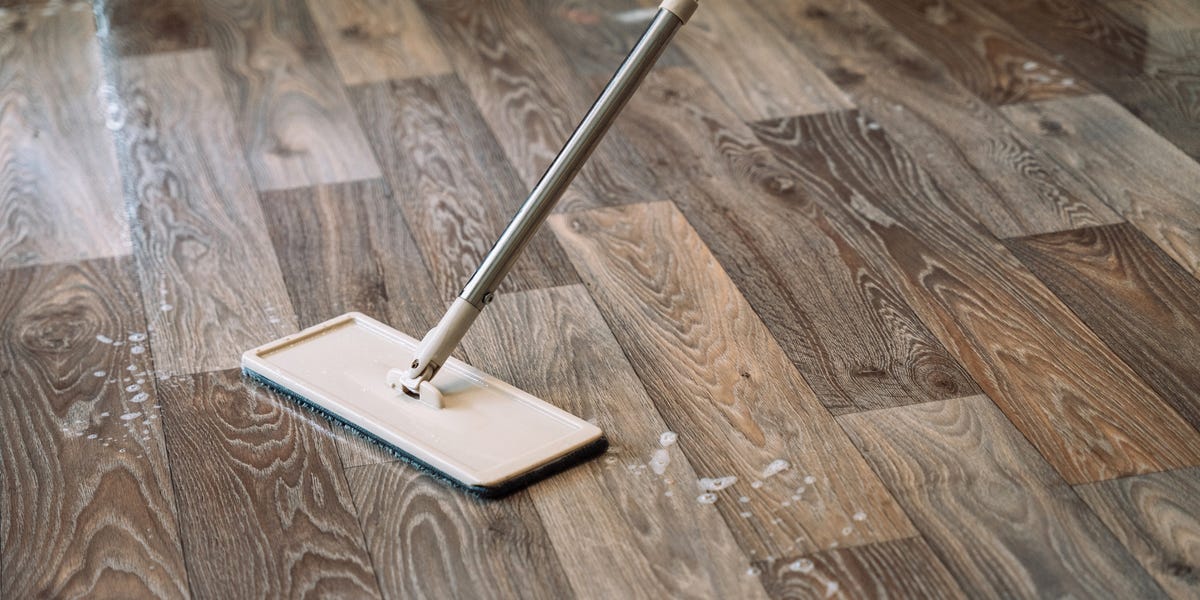
If your cleaning motivation has ever vanished the second you realized you were out of Swiffer pads, welcome to the club. It is a very specific kind of household betrayal: you finally decide to tackle the dust bunnies, the floor crumbs, the mysterious kitchen grit, and then your mop looks at you like, “Sorry, boss. No refills.”
That is where the genius Swiffer hack comes in. Instead of stopping your entire cleaning routine, grabbing your keys, driving to the store, and somehow returning with snacks, candles, and still no mop pads, you can use something you probably already own: an old clean sock or a microfiber cloth.
This simple Swiffer sock hack can help you dust, dry mop, touch up floors, clean under furniture, and keep your routine moving without missing a beat. It is not a perfect replacement for official Swiffer refills, which are designed to trap and lock dirt, dust, hair, and allergens. But for quick cleaning, emergency messes, pet hair patrol, and those “company is coming in 12 minutes” moments, it is surprisingly effective.
Even better, the hack is reusable, budget-friendly, and easy enough that you do not need a cleaning degree, a tool kit, or a motivational podcast. You just need a Swiffer Sweeper, a clean sock or microfiber cloth, and the willingness to let one lonely laundry-room sock finally fulfill its destiny.
What Is the Genius Swiffer Hack?
The hack is beautifully simple: stretch a clean old sock over the flat head of your Swiffer Sweeper, or wrap a microfiber cloth around the mop head and tuck the corners into the gripper holes. Use it the way you would use a dry sweeping cloth for dust, hair, crumbs, and light debris. For damp mopping, lightly mist the cloth or floor with an appropriate cleaning solution and mop in small sections.
That is it. No complicated folding technique. No suspicious internet chemistry experiment. No dramatic before-and-after video required, although you may feel emotionally moved when the sock picks up a disturbing amount of pet hair.
The best version of this Swiffer cleaning hack depends on the job. A fuzzy microfiber sock works well for dry dusting because it attracts hair and dust. A flat microfiber cloth is better for damp mopping because it spreads moisture more evenly and can be rinsed or replaced as it gets dirty. A thin cotton cloth or old T-shirt can work in a pinch, but microfiber usually performs better because its tiny fibers grab fine particles more efficiently.
Why This Swiffer Hack Saves So Much Time
The biggest time saver is not the two minutes you avoid spending changing tools. It is the cleaning momentum you protect. Once you stop to look for refills, order supplies, or debate whether the floor can survive one more day, the whole routine can collapse like a laundry pile with trust issues.
With the sock or microfiber cloth method, you can keep going. You can sweep the hallway, swipe the kitchen, reach under the sofa, clean around the baseboards, and finish the job before your motivation escapes through an open window.
It Eliminates the “I Ran Out of Pads” Problem
Running out of disposable pads usually means cleaning gets postponed. This hack turns a missing supply into a minor inconvenience. As long as you have a clean sock, microfiber towel, dish cloth, or washable pad, your Swiffer is still useful.
It Reduces Tool Switching
A Swiffer handle is lightweight, flat, and easy to maneuver. By changing what you attach to the head, you can use it for floors, walls, mirrors, vents, baseboards, and hard-to-reach corners. That means fewer trips to the closet and less time juggling a broom, mop, duster, step stool, and towel.
It Makes Quick Daily Cleaning Easier
The best cleaning routine is not always the deepest one. Sometimes the real win is a two-minute reset after dinner, a fast pet-hair sweep before guests arrive, or a quick bathroom floor pass before the dust becomes a small civilization. The Swiffer hack makes those tiny cleaning sessions easier to start.
How to Do the Swiffer Sock Hack Step by Step
You do not need fancy supplies, but you do need a clean fabric piece that fits snugly around the mop head. A dirty sock will only redistribute grime, which is less “cleaning hack” and more “floor seasoning.”
For Dry Dusting
Choose a clean fuzzy sock, microfiber sock, or microfiber cloth. Stretch it over the Swiffer head so the cleaning surface is smooth on the bottom. If you are using a cloth, center it under the mop head and push the corners into the gripper slots. Then glide it across the floor in long, overlapping passes.
Focus on edges, corners, under beds, under sofas, and along baseboards. These are the areas where dust and hair gather like they are attending a secret meeting. When the sock or cloth looks loaded with dust, shake it outside or replace it with a clean one.
For Damp Mopping
Use a microfiber cloth rather than a thick sock. Lightly dampen it with water or a floor-safe cleaning solution. Wring it out well. The cloth should be damp, not dripping. Too much water can damage certain floors, especially unfinished wood, waxed wood, unsealed tile, and moisture-sensitive surfaces.
Mop in small sections, using gentle pressure. For sticky spots, let the cleaner sit briefly, then pass over the area again. Replace the cloth when it becomes dirty so you are not simply moving grime from the kitchen to the hallway like a tiny janitorial shuttle service.
For Walls, Vents, and Baseboards
Attach a dry microfiber cloth to the Swiffer head and run it along walls, ceiling corners, air vents, and baseboards. The long handle helps you reach high or low spots without bending, stretching, or dragging out a ladder for a dust bunny that does not deserve that level of ceremony.
Best Materials to Use With This Swiffer Hack
Not all fabrics work equally well. The goal is to pick something that grabs dust, stays secure, and will not scratch your surfaces.
Microfiber Cloths
Microfiber is the top choice for this reusable Swiffer pad hack. It attracts dust, holds debris well, and works for both dry and damp cleaning. It is also washable, which makes it practical for repeat use. Keep several microfiber cloths in rotation so you always have a clean one ready.
Fuzzy Socks
Fuzzy socks are excellent for dry dusting. Their soft texture can pick up hair, lint, and dust from hard floors. They are especially handy if you have mismatched socks sitting in a drawer, waiting for a purpose beyond emotional support.
Old Cotton T-Shirts
Cut-up cotton shirts can work for light sweeping or damp wiping, but they usually do not trap fine dust as well as microfiber. Avoid printed areas because designs can flake, stiffen, or leave residue.
Fleece Scraps
Old fleece can be useful for dry dusting because it has a soft, grabby texture. Cut it slightly larger than the mop head so you can tuck it securely into the Swiffer grippers.
Where This Swiffer Cleaning Hack Works Best
This hack shines in everyday cleaning situations. Think maintenance cleaning, not disaster recovery. If your floor looks like a toddler hosted a pancake festival, you may need a proper mop, vacuum, or scrub brush first.
Hardwood and Finished Wood Floors
Use the hack dry or only slightly damp on finished wood. Avoid soaking the floor. Too much moisture can slip into seams and cause damage over time. If you are unsure whether your floor is sealed, test in a hidden spot or stick with dry dusting.
Laminate Flooring
Laminate floors generally prefer light moisture, not puddles. A dry microfiber cloth is great for dust and hair. For spots, use a lightly damp cloth and dry the area soon after.
Vinyl Plank and Tile
Vinyl plank and sealed tile are good candidates for damp microfiber mopping. Work in small sections and avoid over-wetting. For grout lines or stuck-on grime, the Swiffer hack can help with light cleaning, but a small brush may be needed for deeper scrubbing.
Pet Hair Zones
If you live with a dog, cat, or any creature that sheds like it has a personal weather system, this hack is a lifesaver. A fuzzy sock or dry microfiber cloth can grab hair from under furniture, around food bowls, and along hallway edges fast.
Where You Should Be Careful
The Swiffer sock hack is useful, but it is not magic. Use common sense and protect delicate surfaces.
Do not use a wet cloth on unfinished, oiled, or waxed wood. Avoid unsealed tile and surfaces that are sensitive to water. Do not use a gritty cloth on delicate flooring because trapped debris can scratch. If the cloth has been used in the garage, near sand, or on rough surfaces, wash it before using it on indoor floors.
Also, do not mix random cleaning products on the cloth. Vinegar, bleach, ammonia, alcohol-based cleaners, and commercial floor products are not interchangeable. Use one appropriate cleaner at a time and follow the label directions. The only fumes you want during cleaning should be from your coffee, not from a science fair gone wrong.
How to Wash Reusable Swiffer Cloths
Reusable pads only save time if they are actually clean when you use them. After dry dusting, shake loose debris into the trash or outside. After damp mopping, rinse the cloth before tossing it into the laundry.
Wash microfiber separately from linty fabrics such as cotton towels. Use a small amount of mild detergent. Skip fabric softener and dryer sheets because they can coat the fibers and reduce their ability to attract dust. Air-dry microfiber when possible, or use a low-heat dryer setting.
If a cloth starts smelling musty, losing absorbency, or leaving streaks, retire it from floor duty. It can still become a garage rag, which is basically the cleaning-world version of a peaceful retirement.
More Clever Ways to Use a Swiffer Around the House
Once you realize the Swiffer handle is basically a lightweight extension arm, you start seeing cleaning opportunities everywhere. That may sound alarming, but it is also convenient.
Clean Large Mirrors
Wrap a clean, smooth microfiber cloth around the Swiffer head and lightly spray the mirror with glass cleaner. Use long top-to-bottom strokes for large mirrors or mirrored closet doors. This saves time because you can cover more surface area without standing on tiptoe or leaving hand-shaped streaks in the middle.
Dust Ceiling Corners
Attach a dry cloth and swipe ceiling corners where cobwebs like to appear the moment guests walk in. The long handle lets you reach high spots without turning dusting into an amateur climbing event.
Refresh Baseboards
Baseboards collect dust quietly and then somehow make the whole room look neglected. A dry or slightly damp microfiber cloth on a Swiffer head can clean them quickly without requiring you to crawl around the room like a detective searching for clues.
Reach Under Appliances
Use a thin cloth on the Swiffer head to reach under the refrigerator, stove, washer, or dryer. You may discover crumbs, dust, pet toys, and possibly an ancient cereal piece old enough to have a backstory.
Is the Swiffer Sock Hack Better Than Regular Refills?
Not always. Official Swiffer dry and wet cloths are designed with specific textures and coatings to trap dust, dirt, and hair. Wet pads are made to absorb and hold grime rather than push it around. A sock or cloth can work very well in a pinch, but it may not cover as much area or hold debris as effectively once it becomes saturated.
The smartest approach is not “sock versus Swiffer pad.” It is using both strategically. Keep official refills for bigger cleaning sessions, sticky messes, and times when you want maximum convenience. Use socks and microfiber cloths for quick touch-ups, emergency cleaning, daily dust control, and saving money between refill purchases.
Real-Life Experience: Why This Hack Actually Changes the Cleaning Routine
The first time you try the Swiffer sock hack, it may feel a little too easy. There is a suspicious simplicity to stretching a sock over a mop and calling it a cleaning strategy. But after a few uses, the appeal becomes obvious: this trick removes the friction from cleaning.
In a busy home, the floor rarely gets dirty all at once. It gets dirty in tiny installments. A few crumbs near the toaster. A little dust in the hallway. Pet hair under the dining table. A muddy shoe print by the door. These small messes are easy to ignore because pulling out a full mop setup feels dramatic. Nobody wants to assemble a bucket-and-cleaner situation for three crumbs and a tumbleweed of dog hair.
That is where the reusable Swiffer hack earns its spot. Keep a few clean microfiber cloths or spare fuzzy socks near the cleaning closet, and you can do a fast sweep in less time than it takes to complain about the mess. The Swiffer is already lightweight. The cloth is washable. The process is quiet. There is no cord, no bucket, and no excuse.
One of the best uses is the “after dinner pass.” Once the dishes are done, attach a dry microfiber cloth and sweep the kitchen floor, especially around the stove, sink, trash can, and dining area. These are the crumb zones. If something sticky is lurking near the counter, switch to a lightly damp cloth and spot-clean it immediately. Doing this daily prevents the weekend floor-cleaning marathon, also known as the moment when you realize your kitchen has been collecting evidence.
The hack is also excellent for pet owners. A dry fuzzy sock on a Swiffer head can collect hair from corners and under furniture faster than a broom in many situations. Brooms can scatter hair, especially on smooth floors. A microfiber cloth tends to grab it. If you have a shedding pet, try doing a two-minute sweep every evening in the areas where your pet naps, eats, or patrols the house like a tiny landlord.
Another useful habit is assigning cloths by purpose. Keep one set for floors, one set for bathrooms, and one set for glass or mirrors. This prevents cross-contamination and keeps your best streak-free cloths from being used on dusty baseboards. Color-coding helps, but even separate bins or labeled bags can work. Cleaning is easier when you do not have to sniff a cloth and make a risky life decision.
The sock version of the hack is best for dry messes. It is especially good for quick dusting, hair pickup, and reaching under low furniture. The microfiber cloth version is better for damp cleaning because it lies flatter and distributes moisture more evenly. If you only try one version, start with microfiber. It is more versatile and usually gives better results.
The biggest lesson from using this hack is that speed matters. A home stays cleaner when small messes are easy to handle immediately. The Swiffer sock hack does not replace deep cleaning, and it should not be treated like a miracle tool. But it does make everyday cleaning less annoying, and that is a huge victory. Any method that helps you clean before the mess becomes a project deserves applause, or at least a clean sock.
Conclusion
The genius Swiffer hack that will save you time is not complicated, expensive, or hidden behind a professional cleaning secret. It is simply using a clean sock or microfiber cloth as a reusable Swiffer pad when you need a fast, practical way to keep moving.
For dry dusting, fuzzy socks and microfiber cloths grab dust, hair, and crumbs quickly. For light damp mopping, a well-wrung microfiber cloth can handle everyday spots without dragging out a full mop. The hack is especially helpful for pet hair, baseboards, under-furniture dust, kitchen crumbs, and last-minute cleanups before guests arrive.
Use it wisely. Avoid over-wetting sensitive floors, wash reusable cloths properly, and remember that official Swiffer pads still have advantages for bigger jobs. But when you are out of refills or just want a faster routine, this simple trick can keep your home cleaner with less effort.
In other words, your lonely sock drawer may be hiding a cleaning assistant. Finally, a household plot twist we can all support.