

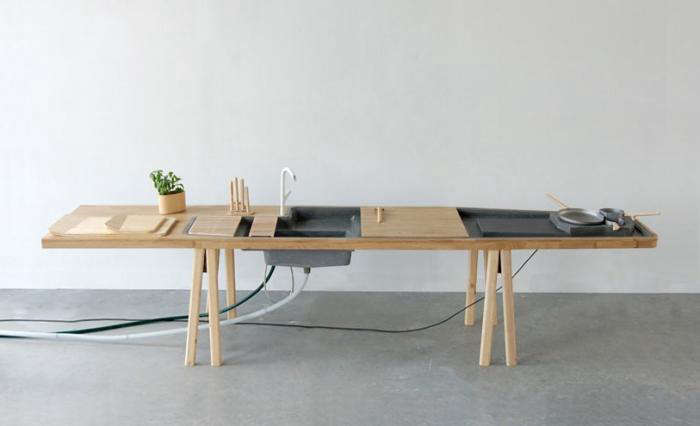
A portable kitchen sounds like something a magician pulls from a suitcase: one minute you have a folding table, a cooler, and a suspiciously ambitious bag of onions; the next minute, dinner is sizzling, coffee is brewing, and everyone suddenly remembers they are “starving.” But the modern portable kitchen is not a gimmick. It is a practical, flexible cooking system for camping, RV travel, tailgating, tiny apartments, van life, emergency preparedness, backyard parties, and anyone who has ever looked at a full-size kitchen and thought, “That’s nice, but can it fit in my trunk?”
At its best, a portable kitchen is not just a stove. It is a smart setup that combines food storage, prep space, cookware, washing tools, safe water, and a plan for cleanup. It may be as simple as a single-burner camp stove and a cooler, or as polished as a fold-out RV galley with a sink, induction cooktop, storage drawers, and enough organization to make a professional chef quietly nod in approval.
The goal is not to recreate a restaurant in the wilderness. The goal is to cook real food with less stress, less mess, and fewer moments where someone says, “Did anyone pack the spatula?” Spoiler: nobody packed the spatula.
What Is a Portable Kitchen?
A portable kitchen is any compact, movable cooking setup designed to prepare meals away from a traditional home kitchen. It can be used outdoors, inside an RV, beside a van, on a balcony where allowed, at a campsite, at a picnic shelter, or during a power outage when your normal kitchen decides to take a dramatic vacation.
The phrase can describe several setups. A basic portable camp kitchen might include a stove, fuel, cookware, utensils, cutting board, cooler, water jug, collapsible sink, and storage bin. A more advanced version may include a folding prep table, portable pantry, dishwashing station, battery power, compact fridge, lighting, and a dedicated cleanup system. In RV and van life circles, the portable kitchen often becomes the heart of the vehicle because it affects daily comfort more than people expect.
Why Portable Kitchens Are More Popular Than Ever
Portable kitchens have become popular because they solve several modern problems at once. People want to travel more, cook healthier food on the road, save money on restaurants, prepare for emergencies, and enjoy the outdoors without eating only granola bars that taste like compressed birdseed.
They also fit the way many people live now. Apartment dwellers may need extra cooking space for gatherings. Families may want a backyard cooking station. Campers want better meals than cold sandwiches. RV owners want the option to cook outside and avoid filling the interior with steam, smoke, and the lingering aroma of “breakfast sausage at 7 a.m.”
The Core Parts of a Great Portable Kitchen
1. A Reliable Cooking Source
The stove is the engine of the portable kitchen. Common options include propane camp stoves, butane burners, portable induction cooktops, charcoal grills, electric hot plates, and compact griddles. Each has a personality. Propane is dependable and common for camping. Butane is compact and easy for light cooking. Induction is clean, fast, and excellent where electricity is available, though it requires compatible cookware and enough power. Charcoal has flavor but demands patience, ventilation, and safe outdoor use.
For most beginners, a two-burner propane stove is the “comfortable jeans” of portable cooking: familiar, useful, and hard to regret. For van life or indoor-adjacent cooking where safe electrical capacity is available, a portable induction cooktop can be a sleek choice. For minimalists, one burner and one good pot can do a surprising amount, from oatmeal to pasta to soup.
2. Food Storage That Actually Works
A portable kitchen succeeds or fails at storage. A good cooler or portable fridge keeps perishable food cold. Dry goods should be stored in sealed containers or bins to protect them from moisture, insects, and the mysterious crushing power of camping gear. Bread, for example, should not be packed under canned beans unless you enjoy artisan pancake loaf.
Use one bin for cooking equipment, one for dry food, and one smaller kit for spices, oil, and condiments. This simple system prevents campsite chaos and makes setup faster. In wildlife areas, especially bear country, food and scented items must be stored according to local rules, often in vehicles, lockers, or approved bear-resistant containers.
3. A Prep Surface
Never underestimate the emotional power of a flat surface. A folding table, tailgate, RV counter, or compact camp kitchen stand gives you room to chop vegetables, season food, assemble sandwiches, and set down the spoon you will otherwise lose six times.
The best prep area is stable, easy to wipe clean, and positioned near the stove but not so close that everything becomes a heat hazard. If the table wobbles every time you cut a tomato, it is not a prep station; it is a suspense film.
4. Water and Washing Tools
A portable kitchen needs clean water for drinking, cooking, handwashing, and dishwashing. A water jug with a spigot is one of the simplest upgrades you can make. Add biodegradable soap where appropriate, a collapsible basin, sponge, towel, and separate trash bag, and suddenly your camp kitchen feels civilized.
For dishes, many outdoor cooks use a three-step method: wash, rinse, and sanitize or air-dry, depending on the setting. Keep dishwater away from natural water sources and follow campground rules for disposal. A portable kitchen should feed people, not raccoons, ants, or the local ecosystem.
5. Smart Cookware
Portable cookware should be durable, compact, and multi-purpose. A skillet, medium pot with lid, kettle, cutting board, chef’s knife with cover, tongs, spatula, serving spoon, can opener, and heat-safe gloves can handle most meals. Nesting cookware saves space, while cast iron offers excellent heat retention but adds weight. Choose based on how far you need to carry it.
A food thermometer is also worth packing. Outdoor heat can be uneven, especially on grills and camp stoves. Guessing whether meat is done is not rustic charm; it is culinary roulette.
Portable Kitchen Ideas for Different Lifestyles
For Campers
A camping portable kitchen should be simple, sturdy, and quick to pack. Think stove, fuel, lighter, cooler, cookware, utensils, water jug, cleanup kit, and a folding table. Prepping ingredients at home makes camp cooking much easier. Chop vegetables, portion spices, marinate food safely in the refrigerator, and label containers by meal. Future-you at the campsite will be deeply grateful to past-you, possibly with tears in their eyes.
For RV Travelers
RV kitchens are already compact, but an outdoor portable kitchen expands your living space. Many RVers cook outside to reduce heat, smells, and cleanup inside the vehicle. A folding table, portable grill, induction burner, cooler, and outdoor prep station can turn the area beside the RV into a comfortable patio kitchen.
The best RV portable kitchen setup keeps frequently used items accessible: coffee gear, breakfast tools, grilling utensils, trash bags, paper towels, and seasonings. Store them in dedicated bins so you are not digging through cabinets while eggs overcook in the background.
For Van Life
In a van, every inch has a job interview. A portable kitchen must earn its space. Many van travelers choose a single-burner stove, compact induction cooktop, slide-out drawer kitchen, collapsible sink, small water tank, and minimal cookware. The key is workflow: storage near prep space, prep space near cooking, and cleanup tools close enough that dishes do not become a decorative installation.
Ventilation matters. Cooking creates steam, odors, and heat. Even with electric cooking, airflow makes the space more comfortable. With fuel-burning stoves, safe outdoor use and manufacturer instructions are essential.
For Emergency Preparedness
A portable kitchen is also useful during power outages and storms. A basic emergency cooking kit may include shelf-stable food, clean water, manual can opener, disposable or washable utensils, flashlight, batteries, cooler, ice packs, and an outdoor-only cooking device such as a camp stove or grill. Never use charcoal grills or fuel-burning stoves indoors, in garages, or in enclosed spaces.
The best emergency portable kitchen is boring in the best possible way: packed, labeled, easy to reach, and not dependent on a last-minute shopping trip when everyone else is buying bottled water and peanut butter like civilization is ending by dinner.
Food Safety: The Unsexy Hero of Portable Cooking
Food safety may not be glamorous, but neither is spending a trip arguing with your stomach. A portable kitchen must follow the same basic rules as a home kitchen: clean, separate, cook, and chill.
Wash hands before cooking and after handling raw meat, eggs, seafood, trash, pets, or dirty dishes. Keep raw meat separate from ready-to-eat foods. Use separate bags, containers, or cutting boards when possible. Keep cold foods cold in a cooler or portable refrigerator. Use a thermometer for meats and poultry. And when in doubt, throw it out. Food poisoning is never the souvenir anyone requested.
Plan meals around the temperature and length of your trip. For hot days, choose foods that are easier to keep safe: canned goods, dried pasta, rice, nut butters, tortillas, whole fruits, shelf-stable snacks, and properly chilled perishables. Pack coolers carefully with ice or cold packs, and open them only when needed. A cooler is not a browsing library; do not stand there reading the cheese options.
How to Design a Portable Kitchen Workflow
A good portable kitchen works in zones. The four most useful zones are storage, prep, cooking, and cleanup. Storage includes cooler, dry food, and utensils. Prep includes cutting board, knife, seasonings, and mixing bowl. Cooking includes stove, fuel, cookware, and heat tools. Cleanup includes water, soap, basin, towel, trash, and food waste storage.
Set up the zones in the order you use them. Pull food from storage, prep it, cook it, serve it, and clean up. This sounds obvious until you watch someone place the dishwashing tub behind the cooler, the spatula in the tent, and the salt somewhere “safe,” which means it has joined the lost civilization of missing camp items.
Best Meals for a Portable Kitchen
The best portable kitchen meals are simple, flexible, and low-mess. Breakfast burritos, oatmeal with fruit, scrambled eggs, grilled sandwiches, pasta with jarred sauce, rice bowls, tacos, foil-pack vegetables, soups, chili, quesadillas, and skillet potatoes all work well. Choose meals that use overlapping ingredients so you carry less. Tortillas can become wraps, tacos, breakfast burritos, or emergency edible plates if morale is low.
One-pot meals are especially useful. They reduce cleanup and keep cooking manageable. A portable kitchen is not the place to attempt a twelve-course tasting menu unless your sous-chef is a very patient raccoon, which would be both illegal and rude.
Common Portable Kitchen Mistakes
The first mistake is packing too much. A portable kitchen should be useful, not a traveling garage sale. Bring what you will actually use. The second mistake is forgetting cleanup. Cooking is fun; scraping oatmeal from a pot with a credit card because you forgot a sponge is character-building in the worst way.
The third mistake is ignoring wind. Wind can slow cooking, blow out flames, and turn napkins into migrating wildlife. Use a windscreen only if it is safe and approved for your stove. The fourth mistake is relying on memory. A checklist is better than confidence. Confidence forgets the can opener.
How to Pack a Portable Kitchen Like a Pro
Start with a dedicated bin. Keep your stove, cookware, utensils, lighter, cutting board, spices, towel, soap, trash bags, and cleaning supplies together. After each trip, restock the bin before storing it. That way, the next trip begins with calm efficiency instead of a dramatic search for forks.
Use smaller pouches inside the main bin. One pouch for utensils, one for spices, one for cleaning, and one for fire-starting or stove accessories. Labeling helps, especially when multiple people are cooking. Clear containers make it easy to see what you packed. A laminated checklist taped inside the lid is a small detail that feels genius at 6:30 a.m. when coffee depends on finding the kettle.
Experiences Related to “The Portable Kitchen”
The first time I truly understood the value of a portable kitchen was not during a glamorous mountain sunset dinner. It was during a windy morning when the campsite table was damp, the coffee grounds had escaped their bag, and someone had placed the eggs at the bottom of the cooler under a watermelon. Nothing teaches kitchen design faster than a breakfast emergency.
After that, the system changed. The stove lived in one bin. The cookware nested inside the pot. The spatula, tongs, lighter, and can opener went into a bright pouch labeled “COOKING TOOLS,” because subtlety is not useful before caffeine. A water jug with a spigot became the handwashing station. A collapsible basin became the sink. Suddenly, camp meals stopped feeling like a scavenger hunt.
The biggest lesson was that portable cooking rewards preparation. At home, you can recover from almost any mistake. Forgot salt? Open a cabinet. Need another pan? Reach down. Need hot water? Turn a knob. In a portable kitchen, every missing item becomes a tiny plot twist. That does not mean the setup needs to be complicated. It means the basics matter more.
Another lesson: people gather around a portable kitchen. It becomes the social center of the campsite, tailgate, van, or backyard. Someone chops onions. Someone guards the tortillas from blowing away. Someone gives unnecessary advice while holding a drink and doing absolutely nothing else. Meals become shared events, even when the menu is just grilled cheese and tomato soup.
A portable kitchen also changes how you think about food. You learn to choose ingredients that travel well, cook quickly, and clean up easily. You appreciate sturdy containers, sharp knives, and meals that use one pan. You discover that a hot breakfast outdoors tastes better than the same breakfast indoors, possibly because fresh air adds seasoning and mild inconvenience improves gratitude.
For RV and van travelers, the portable kitchen can make a small space feel bigger. Cooking outside keeps heat and smells out of the vehicle. It also turns a parking spot, campsite, or scenic pullout into a temporary home. There is something deeply satisfying about making coffee beside an open door with a view that changes every day.
Even at home, a portable kitchen is useful. During a power outage, a safe outdoor cooking plan can make the difference between eating well and staring sadly at a refrigerator. During family gatherings, an extra burner or outdoor prep table reduces crowding. During summer, cooking outside keeps the house cooler and gives the main kitchen a break from duty.
The portable kitchen is not about having the fanciest gear. It is about freedom, flexibility, and being able to feed yourself wherever life has parked you. Start small, improve after each trip, and let experience edit your packing list. Eventually, your setup will feel less like equipment and more like a trusted travel companionone that never complains, unless you forget to clean the skillet.
Conclusion
The portable kitchen is a practical answer to a simple question: how do you cook well when you are not in a traditional kitchen? Whether you are camping, RVing, living the van life, tailgating, preparing for emergencies, or creating an outdoor cooking station at home, the right setup makes meals easier, safer, and more enjoyable.
Focus on the essentials: a reliable cooking source, safe food storage, clean water, a stable prep surface, compact cookware, and a cleanup plan. Keep the system organized, pack with intention, and choose meals that match your space, power, weather, and appetite. A great portable kitchen does not need to be fancy. It just needs to work when hunger arrives wearing hiking boots.