

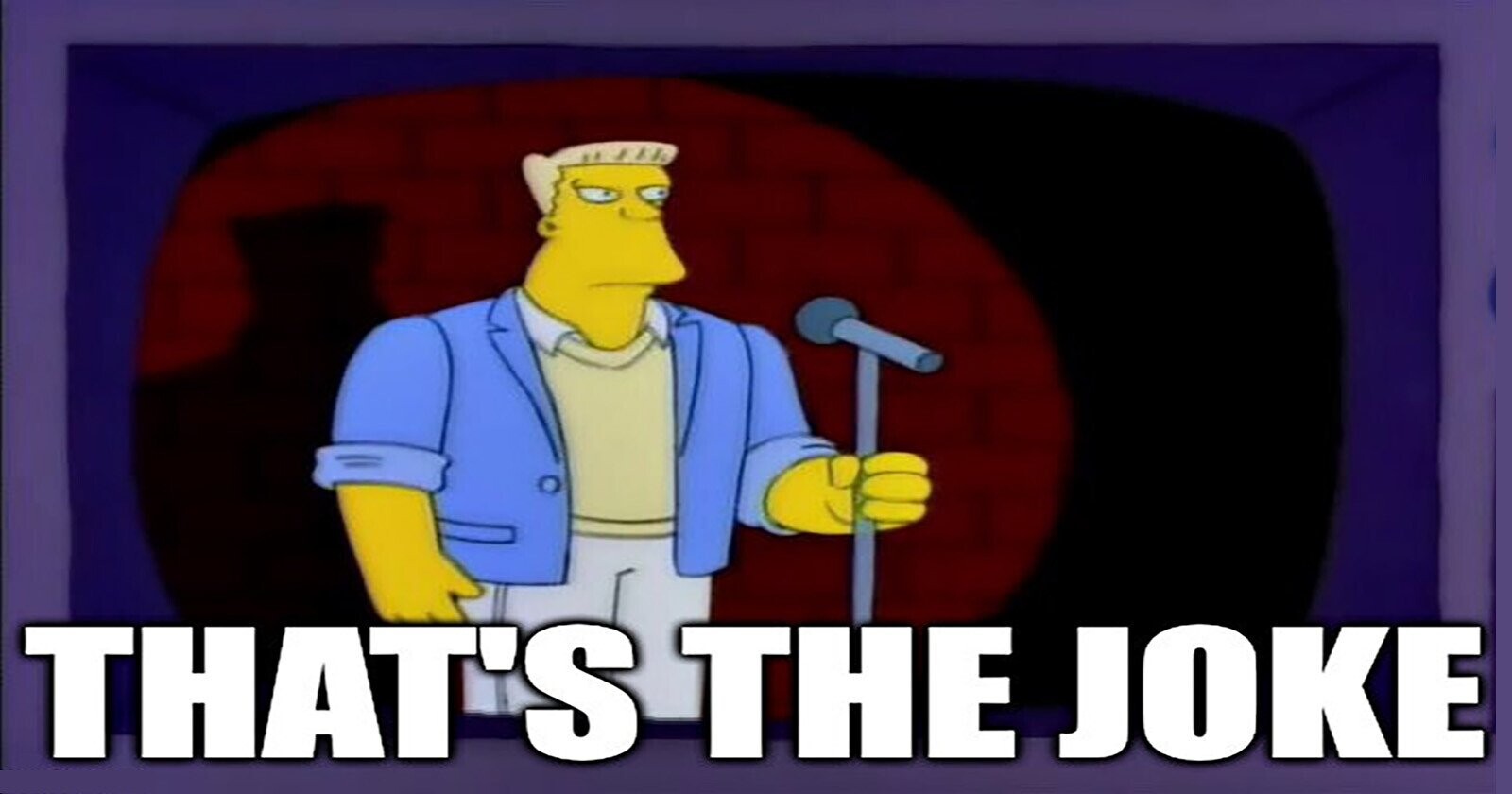
Some TV shows age like milk. The Simpsons aged like a suspiciously indestructible donut in a glass case: impossible, colorful, and somehow still useful after decades. Long before reaction GIFs took over group chats and social feeds, Springfield was already producing the perfect language for embarrassment, denial, small victories, workplace dread, public failure, and every other modern mood that makes us stare into the fridge at midnight.
The reason the best Simpsons memes work is simple: the show built jokes like tiny emotional machines. A raised eyebrow from Homer, a frozen smile from Principal Skinner, or a newspaper headline about Grampa yelling at weather could explain a whole internet argument faster than a paragraph. These were not “meme templates” when they aired. They were jokes, sight gags, and throwaway lines. Then the internet arrived, looked at Springfield, and said, “Excellent.”
This article explores the top Simpsons moments that became memes, why they survived, and how they evolved from classic TV comedy into everyday digital shorthand. Grab a Krusty Burger, avoid the aurora borealis in your kitchen, and let’s visit the Springfield Museum of Things We Cannot Stop Posting.
Why ‘The Simpsons’ Became a Meme Factory
The Simpsons has the perfect ingredients for meme immortality: recognizable characters, bold visual design, short punchy lines, and situations that are absurd but weirdly universal. Homer is embarrassment. Lisa is reason. Bart is chaos. Skinner is denial wearing a suit. Grampa is every comment section that begins with “Back in my day.” Together, they form a yellow emotional keyboard for the internet.
The show also arrived before meme culture but was built almost exactly for it. Its jokes often land in a single image. Its characters react in oversized, readable ways. Its best lines are flexible enough to be reused in politics, sports, school, office life, fandom drama, and the sacred modern art form known as “posting through it.”
The Top ‘Simpsons’ Moments That Became Memes
1. Homer Backing Into the Bushes
The Homer Simpson bush meme may be the most perfect reaction GIF ever created. In “Homer Loves Flanders,” Homer emerges from a hedge, then slowly backs into it until he disappears. In the episode, it is part of Homer’s awkward attempt to befriend Ned Flanders. Online, it became the official gesture for vanishing from embarrassment, bad takes, rejected plans, awkward texts, or any situation where the best strategy is becoming landscaping.
What makes the meme unbeatable is Homer’s expression. He does not panic. He simply accepts retreat as a lifestyle. The internet loves it because it captures a tiny human truth: sometimes you do not need a response, an apology, or a twelve-tweet thread. You need shrubbery.
2. “Steamed Hams”
The Steamed Hams meme started as a segment in “22 Short Films About Springfield,” where Principal Skinner invites Superintendent Chalmers to lunch, ruins the meal, buys fast food, and tries to sell it as a regional delicacy. It is a masterpiece of escalating lies. Skinner begins with a small problem and ends in full domestic catastrophe, calmly explaining away reality with the confidence of a man who has chosen fraud as a cooking method.
Online, “Steamed Hams” became more than a quote. It became a remix universe. Fans re-edited the scene in different animation styles, musical genres, video game formats, and cinematic moods. Why did it explode? Because the structure is airtight. Skinner lies, Chalmers questions, Skinner doubles down, and the absurdity keeps climbing the ladder until the ladder is on fire.
It is the internet’s favorite kind of joke: familiar enough to recognize instantly, flexible enough to mutate forever, and ridiculous enough to survive being watched for the 400th time.
3. “Am I So Out of Touch? No, It’s the Children Who Are Wrong”
Principal Skinner’s private moment of self-reflection from “The Boy Who Knew Too Much” became one of the sharpest memes about stubbornness. The format is simple: a person briefly considers whether they might be mistaken, then immediately blames everyone else.
This meme thrives because it applies everywhere. A brand launches a terrible product? The customers are wrong. A movie franchise ignores fans? The audience is wrong. Someone posts the worst opinion ever typed by human fingers? Society has failed them, obviously.
Skinner’s genius as a meme character is that he is not pure stupidity. He is institutional confidence with a side of panic. He knows something is off, but admitting it would require emotional maintenance, and nobody has budgeted for that.
4. “Old Man Yells at Cloud”
In “The Old Man and the Key,” a newspaper headline featuring Abe Simpson became one of the internet’s cleanest jokes about pointless rage. Old Man Yells at Cloud is funny because it needs no setup. The phrase itself paints the whole picture: one person, one cloud, zero chance of resolution.
As a meme, it is often used for complaints that feel exaggerated, outdated, or aimed at something too large and indifferent to care. It can be affectionate or brutal. Sometimes it mocks generational grumbling. Sometimes it admits that we, too, have become the cloud-yeller. That is the scary part. One day you are laughing at Grampa. The next day you are furious because an app moved the button again.
5. Lisa Simpson’s Presentation
The Lisa Simpson presentation meme comes from “Bye Bye Nerdy,” where Lisa gives a serious presentation. The internet turned the screen behind her into a blank canvas for opinions, hot takes, moral arguments, petty truths, and extremely confident nonsense.
Lisa works as the perfect presenter because she already represents sincerity. She is smart, intense, and frequently correct in a world that would prefer she stop ruining the vibe with facts. The meme lets users borrow that energy. Whether the slide says something profound or something like “fries are better when stolen from someone else’s plate,” Lisa gives it academic authority.
This is one of the best Simpsons meme templates because it turns every user into a lecturer with a pointer and no fear.
6. “Everything’s Coming Up Milhouse”
Milhouse Van Houten is not a natural winner. He is the patron saint of almost-success, wet socks, and romantic misfortune. That is why “Everything’s coming up Milhouse!” became such a beloved phrase. It celebrates tiny victories with the energy of a championship parade.
The line comes from “Mom and Pop Art,” and its internet life is powered by contrast. Milhouse is not saying this after becoming king of the world. He says it in the spirit of someone whose day improved from “terrible” to “technically survivable.” Online, it is perfect for minor triumphs: finding a parking spot, getting an extra nugget, or realizing your phone battery is at 11% instead of 3%.
The meme endures because modern life often does not hand us big wins. Sometimes the best we get is a small Milhouse moment, and honestly, we will take it.
7. “I, For One, Welcome Our New Insect Overlords”
Kent Brockman’s panic during “Deep Space Homer” gave the internet one of its most reusable surrender phrases. After mistakenly believing giant ants may be taking over, Kent announces that he welcomes the new insect rulers. It is cowardly, polished, and extremely TV news.
The meme evolved into a flexible template: “I, for one, welcome our new [blank] overlords.” It works for tech companies, algorithms, sports dynasties, new workplace software, and any situation where resistance feels exhausting. It is funny because it captures strategic surrender. Kent does not fight power. He networks with it.
8. “Dental Plan! Lisa Needs Braces!”
From “Last Exit to Springfield,” the looping mental chant “Dental plan! Lisa needs braces!” became one of the great Simpsons examples of repetition turning into comedy gold. It is not just a line; it is a rhythm. Anyone who has ever had a phrase trapped in their head like a raccoon in a garage understands the appeal.
As a meme, it is used for circular thinking, workplace stress, health insurance anxiety, and the strange way adult responsibilities become background noise. The joke is old, but the problem is not. Benefits, bills, and family needs remain evergreen comedy fuel, mostly because they remain evergreen headaches.
9. “You Don’t Win Friends With Salad”
From “Lisa the Vegetarian,” this chant became a cheerful anthem for anyone resisting moral improvement at dinner. The joke lands because it is childish, catchy, and unfair in exactly the way group pressure often is. Lisa makes a sincere ethical choice. Her family responds with a conga line of vegetable slander.
Online, the phrase lives on as a food meme, a party meme, and a general protest against joyless choices. It is not really about salad. It is about the human instinct to turn any difference in preference into a musical number. Springfield may be fictional, but peer pressure with choreography is painfully real.
10. “That’s a Paddlin’”
Jasper’s “That’s a paddlin’” became a meme because it is both absurdly specific and endlessly adaptable. The line sounds like a punishment from another century, delivered by a man who treats minor behavior like a frontier crime.
The meme is often used as mock judgment: late to work? That’s a paddlin’. Bad grammar? Paddlin’. Put pineapple on pizza? Depending on the crowd, possibly two paddlins. Its appeal comes from exaggerated authority. It is not a real solution to anything, which is exactly why it fits the internet so well.
11. “Worst Day of Your Life So Far”
From The Simpsons Movie, Homer’s correction that Bart is having the worst day of his life “so far” became a darkly funny optimism meme. It is technically comforting, but only in the way a broken umbrella is technically a hat.
This meme works because it captures the modern balance between humor and dread. It is a joke about perspective, but the perspective is terrible. Still, there is a strange kindness in it: bad days pass, new problems arrive, and somehow we keep going, preferably with snacks.
12. Ralph Wiggum’s “I’m in Danger”
Ralph Wiggum’s “I’m in danger” is often treated like a Simpsons meme, though its famous form comes from the Family Guy crossover featuring Springfield’s characters. Still, the meme belongs emotionally to Ralph: innocent, doomed, smiling, and only partly aware of the disaster forming around him.
It is used for situations where someone realizes trouble has arrived but is too overwhelmed, confused, or tired to do anything except acknowledge it. Exams, deadlines, bad decisions, awkward meetings, suspicious noises from the carRalph covers them all. Few characters communicate helpless acceptance with such pure little-guy energy.
What These Memes Say About Internet Culture
The top Simpsons memes are not random. They survive because they solve communication problems. Instead of explaining embarrassment, we send Homer into the bushes. Instead of writing a full essay about stubborn institutions, we send Skinner blaming the children. Instead of describing a tiny victory, we announce that everything is coming up Milhouse.
Memes compress emotion. The Simpsons happens to have spent decades producing perfectly compressed emotional scenes. The show’s best moments are specific enough to be funny but broad enough to travel. They are not just jokes about Springfield. They are jokes about work, school, family, politics, fandom, food, anxiety, aging, and the fragile dignity of pretending we meant to do that.
Another reason these memes last is nostalgia. Many internet users grew up with reruns, DVD box sets, cable marathons, or clips passed around online. A Simpsons meme often feels familiar even to people who cannot name the episode. It carries the warmth of Saturday nights, living room TVs, and the golden age of animated satirethen it gets used to complain about software updates. That is cultural evolution, possibly.
Experiences Related to ‘The Simpsons’ Meme Moments
Watching The Simpsons in the meme age is a different experience from watching it as a regular sitcom. At first, you laugh at the episode. Later, you realize half the internet has been using one frame from that episode to describe every bad meeting, every awkward date, and every public relations disaster since 2012. It is like discovering your family photo album has been quietly running the global communications department.
One of the funniest experiences is seeing a classic meme in its original scene. The Homer bush GIF, for example, is usually used as an escape button. But in the episode, the moment is part of Homer’s bizarre friendship campaign with Ned Flanders. The meme removes the context and somehow becomes even stronger. That is the magic trick: the internet trims the joke down until only the universal feeling remains.
“Steamed Hams” is even more fascinating because it becomes better the more you know the scene. Many memes are funny once, then flatten. “Steamed Hams” grows new legs every time someone remixes it. Part of the pleasure is recognizing the structure beneath the chaos. Skinner is not just lying; he is improvising a whole alternate universe where hamburgers are steamed, Albany has secret dialects, and a kitchen fire is a natural light display. It is the comedy version of watching someone build a bridge while already falling off it.
The Lisa presentation meme creates a different kind of experience. It makes users feel like they have been handed a classroom, a projector, and permission to be unreasonably certain. The best versions are not always the smartest ones. Sometimes they are funny because Lisa’s serious posture gives ridiculous opinions the elegance of a TED Talk. A slide about emotional maturity? Great. A slide arguing that leftover pizza is breakfast? Also great. Lisa can carry both.
Then there is “Old Man Yells at Cloud,” a meme that becomes more personal with age. When you are younger, it is just a joke about cranky people complaining. Later, you catch yourself muttering at a website redesign, a loud restaurant, or a streaming service that forgot what menus are. Suddenly Grampa Simpson is not a character. He is a warning label.
That is why these memes remain powerful. They do not only remind us of episodes; they help us narrate our own daily nonsense. Everyone has backed into a metaphorical hedge. Everyone has had a Milhouse-sized win. Everyone has watched someone double down like Skinner while the kitchen burns behind them. Springfield’s greatest export is not donuts, nuclear power, or questionable parenting. It is emotional vocabulary, delivered in yellow.
Conclusion: Springfield Still Speaks Fluent Internet
The top Simpsons moments that became memes prove that great comedy does not expire; it mutates. What began as TV jokes became reaction images, GIFs, captions, remixes, and social-media shorthand. Homer, Lisa, Skinner, Milhouse, Grampa, Ralph, and Kent Brockman are not just characters anymore. They are reusable emotional tools for surviving the internet with a little more humor and a little less dignity.
In the end, The Simpsons became a meme machine because its best jokes were built from recognizable human behavior: panic, pride, denial, hope, embarrassment, and the occasional desire to welcome our new overlords before they check the guest list. The show may have started in Springfield, but its meme legacy lives wherever people need the perfect image to say, “I regret this,” “I told you so,” or “Everything’s coming up Milhouse.”
Note: This article is written in original language for web publication and synthesizes verified public information about classic The Simpsons episodes, meme history, and digital culture without inserting source links into the article body.