

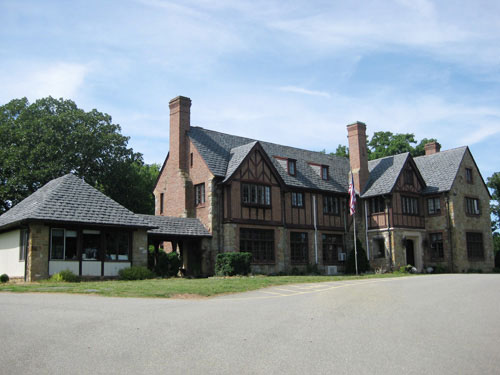
There are wedding decisions you expect to obsess over: the dress, the guest list, the cake flavor, the first-dance song that says “timeless romance” without accidentally becoming “karaoke night at a sports bar.” What you may not expect is that one of the smartest choices you make could be walking away from a wedding venue you once thought was perfect.
That is the heart of The Wedding Venue We Ditched: not drama for drama’s sake, not a bridezilla thunderstorm, and definitely not a story about choosing chair covers with military intensity. It is about realizing that a venue can look magical in photos and still be wrong in real life. Sometimes the chandeliers sparkle, the garden blooms, the website promises “stress-free elegance,” and the contract quietly whispers, “Good luck, bestie.”
Choosing a wedding venue is one of the biggest planning decisions couples make because it affects the budget, guest experience, catering, décor, logistics, timeline, and overall mood of the day. A venue is not just a backdrop. It is the container for the entire celebration. If that container leaks hidden fees, poor communication, strict vendor rules, or a cancellation policy written like a haunted scroll, it may be time to run gracefully toward the exit.
This article explores why couples sometimes ditch a wedding venue, the red flags that matter, how to make the decision without spiraling into panic, and what to do next if your “dream venue” starts looking more like a very expensive group project with bad instructions.
Why a Wedding Venue Can Look Perfect but Still Be Wrong
The first visit to a wedding venue can feel like a romantic movie scene. You walk into a beautiful ballroom or a sunny vineyard courtyard, and suddenly you can picture everything: flowers on the aisle, your favorite people laughing, a photographer capturing your “effortlessly candid” moment that actually took seven tries. The emotional pull is real.
But wedding planning needs both heart and spreadsheet. A venue can be stunning and still create problems that affect every part of the wedding. The wrong venue may stretch your budget, limit your vendor options, complicate guest travel, or require extra rentals that were not obvious at first. What begins as a dream can become a logistical obstacle course.
Many couples start with aesthetics because visuals are easy to love. But the best wedding venue is not simply the prettiest option. It is the place that fits your guest count, budget, values, comfort level, timeline, weather plan, and vendor needs. In other words, your venue should support your wedding, not hold it hostage in a tuxedo.
The First Red Flag: The Price Kept Growing
One of the most common reasons couples abandon a wedding venue is the slow discovery of hidden costs. At first, the venue fee may seem manageable. Then come the service charges, administrative fees, catering minimums, cake-cutting fees, corkage fees, security fees, parking fees, cleaning fees, overtime fees, and mysterious “coordination fees” that appear like mushrooms after rain.
Some wedding venues advertise all-inclusive packages, which can be helpful when they are transparent. But “all-inclusive” should mean the essentials are clearly covered, not that the invoice includes all the surprises known to humankind. If a venue cannot explain what is included, what costs extra, and what the final estimate looks like with taxes and service charges, couples should pause before signing.
What to ask before booking
Before committing to a venue, ask for a full sample invoice based on your estimated guest count. This should include rental fees, food and beverage minimums, staffing, taxes, gratuities, service charges, rentals, cleanup, insurance requirements, and any required add-ons. A clear venue will not treat pricing questions like you asked for the nuclear codes.
Also ask whether prices are locked in once the contract is signed. If food, beverage, or rental costs can increase later, make sure the contract explains when and by how much. A venue that reserves the right to change major prices shortly before the wedding can put couples in a very difficult position.
The Second Red Flag: The Contract Felt One-Sided
A wedding venue contract is not the most romantic reading material. Nobody curls up with a glass of wine and says, “Read me the indemnification clause again.” Still, the contract is where the real relationship with the venue begins. It explains payment schedules, cancellation terms, rescheduling options, guest minimums, liability, insurance, vendor restrictions, and what happens if something goes wrong.
The venue we ditched had a contract that made us feel less like clients and more like people volunteering to finance their risk. The deposit was nonrefundable, the cancellation terms were strict, the payment schedule felt aggressive, and the venue had wide flexibility while we had almost none. That imbalance mattered.
Nonrefundable retainers are common in the wedding industry because venues reserve a date and often turn away other events. However, couples should understand exactly what they are paying for and what happens if they cancel, postpone, reduce guest count, or face an emergency. A good contract should be firm but clear. A bad one feels like a trapdoor.
Key contract details couples should review
Look closely at the deposit language, refund policy, cancellation deadlines, force majeure clause, rescheduling rights, minimum spend requirements, overtime rates, damage responsibility, alcohol policy, vendor rules, and weather backup plan. If a clause is vague, ask for clarification in writing. If the venue refuses to explain or revise confusing terms, that refusal is information.
For major contracts, it may be worth asking an attorney to review the agreement before signing. That may sound dramatic, but so is losing thousands of dollars because a sentence on page six did a cartwheel over your budget.
The Third Red Flag: Communication Was Slow, Vague, or Weirdly Cheerful
Wedding planning involves dozens of moving parts. Communication matters. If a venue takes weeks to respond before you sign, imagine how thrilling that silence will feel three months before the wedding when you need final floor plans, vendor access times, and bar package details.
Some couples excuse poor communication because the venue is popular or beautiful. That is understandable, but risky. A venue does not need to answer every email within five minutes, but it should be professional, timely, and specific. “No worries, we’ll figure it out later!” is not a planning strategy. It is a sentence that makes spreadsheets cry.
The wedding venue we ditched had a communication style that looked friendly on the surface but rarely gave direct answers. Questions about pricing led to brochures. Questions about vendor access led to “usually.” Questions about backup plans led to vibes. Vibes are lovely for playlists. They are less helpful for rain, catering trucks, and 120 guests needing bathrooms.
Signs of healthy venue communication
A strong venue team answers questions clearly, provides written documentation, explains policies without defensiveness, confirms details after meetings, and helps couples understand what to expect. They do not need to promise perfection. They do need to demonstrate organization.
When communication is consistent early, it builds trust. When it is chaotic early, trust has to work overtime.
The Fourth Red Flag: Too Many Vendor Restrictions
Preferred vendor lists can be useful. Venues often recommend photographers, caterers, florists, DJs, planners, and rental companies who know the space well. Experienced vendors can make the day smoother because they understand loading zones, power access, setup rules, and timing.
However, vendor rules become a problem when couples are forced to use expensive in-house services or approved vendors without flexibility. Some venues charge extra fees for outside vendors. Others require in-house catering, bar service, rentals, coordination, or décor. That may be fine if the services are excellent and the pricing is transparent. It is not fine if the rules limit your options and inflate the total cost without adding value.
For couples with cultural traditions, religious requirements, dietary needs, or specific creative priorities, restrictive vendor policies can be especially frustrating. If your family food traditions matter, but the venue only allows its own catering menu, that is not a small detail. That is the difference between a meaningful celebration and chicken with a garnish apology.
The Fifth Red Flag: The Guest Experience Was an Afterthought
A wedding venue is not only about how it looks in photos. Guests need to arrive, park, move around, eat comfortably, hear the ceremony, find restrooms, and avoid spending half the evening wondering where they are supposed to go. Guest experience can make a beautiful wedding feel effortless or oddly exhausting.
The venue we walked away from had gorgeous ceremony space but weak logistics. Parking was limited, the reception room required awkward transitions, the restrooms were far from the main area, and nearby lodging was inconvenient. None of these problems were impossible to solve, but solving them required more money, more transportation planning, more signage, and more stress.
Couples should consider the practical guest journey. Where do people park? Is the venue accessible for older guests or guests with mobility needs? Is there shade for an outdoor ceremony? Are there enough restrooms? Is the cocktail hour space comfortable? Are hotels nearby? Can rideshare drivers find the entrance? These questions may not be glamorous, but neither is watching Aunt Linda climb a gravel hill in formal shoes.
The Sixth Red Flag: The Rain Plan Was Basically Hope
Outdoor wedding venues are beautiful, but weather does not care about your Pinterest board. A strong venue should have a clear backup plan for rain, wind, heat, cold, smoke, mud, or extreme weather. “We usually get lucky” is not a weather plan. It is gambling with centerpieces.
Ask to see the backup ceremony location, not just hear about it. Make sure it can hold your guest count comfortably and does not feel like a storage room wearing mascara. Ask when the weather decision must be made, who makes it, whether extra fees apply, and how vendors are notified.
If you would be disappointed or embarrassed to use the backup space, think carefully before booking the venue. You are not only choosing the sunny-day version of the wedding. You are choosing the rainy-day version, too.
Why Ditching the Venue Was Not a Failure
There is a strange guilt that comes with changing your mind during wedding planning. Couples may feel embarrassed after announcing a venue, worried about losing money, or afraid of seeming difficult. But walking away from a venue can be a responsible decision, not a failure.
A wedding is personal, emotional, and expensive. If a venue no longer fits your needs, values, or budget, continuing only because you already started can lead to bigger regrets. The earlier you identify the mismatch, the more options you have.
In our case, ditching the venue brought immediate relief. Not dramatic, movie-style relief with violins. More like opening the junk drawer and finally finding the scissors. The decision gave us permission to plan a wedding that felt like us instead of forcing ourselves into someone else’s polished package.
How to Break Up With a Wedding Venue Professionally
If you have not signed a contract, walking away is simple. Thank the venue for its time, say you have decided to move in another direction, and keep the message polite. You do not need to provide a courtroom statement. “After reviewing our plans and budget, we’ve decided not to move forward” is enough.
If you have signed a contract, read the cancellation section carefully before contacting the venue. Understand your financial obligations, deadlines, and refund possibilities. Communicate in writing, stay calm, and ask for confirmation of any cancellation or refund terms. If the financial stakes are high, consult a legal professional before sending final notice.
Do not rely on phone conversations alone. Written records matter. Wedding planning already has enough emotional fog; documentation is the flashlight.
What We Chose Instead
After ditching the original venue, we looked for a place that was less flashy but more flexible. The new venue had transparent pricing, a realistic rain plan, better parking, a vendor policy that gave us options, and a coordinator who answered questions like a person who had met calendars before.
It was not the venue that made everyone gasp at first glance. But it was the venue that made planning feel possible. That mattered more.
The replacement venue also gave us room to personalize the wedding. We could bring in food that felt meaningful, choose music without strict sound limitations, and design the timeline around our guests instead of around the venue’s convenience. The final celebration felt warmer, easier, and more connected to who we were as a couple.
How to Know Whether You Should Ditch Your Wedding Venue
You do not need to abandon a venue over one minor issue. Every venue has limitations. The question is whether those limitations are manageable, transparent, and worth the trade-off.
Consider walking away if the total cost no longer fits your budget, the contract feels unfair, communication is unreliable, the venue refuses to answer questions in writing, the backup plan is weak, vendor restrictions conflict with your priorities, or guest logistics are worse than expected.
Also pay attention to how you feel after each interaction. Planning a wedding can be stressful, but your venue should not consistently make you feel trapped, confused, dismissed, or financially ambushed. A little nervousness is normal. A recurring sense of dread is a planning signal with a tiny clipboard.
Practical Checklist Before You Commit to Any Wedding Venue
Budget and pricing
Ask for a complete estimate based on your guest count. Confirm whether taxes, service charges, gratuities, rentals, security, cleanup, and overtime are included. Ask whether food and beverage minimums apply and whether pricing can change after signing.
Contract and cancellation
Review the deposit, payment schedule, refund policy, cancellation terms, rescheduling rules, and force majeure clause. Make sure verbal promises appear in writing. If the contract language feels unclear, ask questions before paying.
Vendors and services
Confirm whether you must use in-house catering, bar service, rentals, planners, or preferred vendors. Ask about outside vendor fees, insurance requirements, setup times, breakdown times, and vendor access.
Guest comfort
Check parking, accessibility, restrooms, climate control, hotel proximity, transportation options, ceremony visibility, sound quality, and flow between spaces.
Weather and backup plans
Tour the backup location. Ask how weather decisions are made, whether tenting is available, whether extra fees apply, and how the rain plan affects the timeline.
Personal Experiences From Ditching a Wedding Venue
The biggest lesson from ditching a wedding venue is that disappointment can be useful. At first, we were frustrated. We had already imagined the photos. We had already discussed dates. We had already pictured guests walking into the space and saying, “Wow, this is beautiful,” which, let’s be honest, is one of the unofficial wedding-planning love languages.
But once the shine wore off, the problems became harder to ignore. Each new question created another concern. The estimate changed depending on who answered. The contract did not match the friendly promises from the tour. The venue coordinator seemed warm but overloaded. The backup ceremony space looked like the venue had panicked and said, “What if romance, but fluorescent lighting?”
We tried to talk ourselves into staying. We told ourselves every venue has issues. We reminded ourselves that guests probably would not notice every little thing. We worried that starting over would be exhausting. And yes, starting over was annoying. There were new emails, new tours, new availability calendars, and new conversations about chairs, which somehow became a recurring character in the wedding-planning sitcom.
Still, the moment we decided to walk away, the planning process became clearer. We stopped trying to force a venue to become something it was not. We stopped treating our budget like a suggestion box. We stopped ignoring the quiet voice saying, “This does not feel right.”
The new venue did not have the same dramatic entrance, but it had better answers. When we asked about pricing, they showed us a detailed breakdown. When we asked about rain, they walked us through the backup plan. When we asked about vendors, they explained the rules without making us feel like rebellious teenagers sneaking in contraband cupcakes.
That experience changed how we judged every wedding decision afterward. Instead of asking, “Is this impressive?” we asked, “Does this make the day better?” Instead of chasing the most photogenic option, we looked for the option that supported comfort, meaning, and ease. That shift saved money, reduced stress, and made the celebration feel more personal.
We also learned that no wedding vendor should make couples feel embarrassed for asking practical questions. A wedding is emotional, but it is also a major financial event. Couples have every right to ask about refunds, fees, timelines, insurance, staffing, accessibility, and contingency plans. Clear answers are not a luxury. They are part of professional service.
Another lesson: involve a calm third party if you can. A planner, recently married friend, sibling, parent, or detail-oriented person who loves spreadsheets more than oxygen can help spot issues you may miss while emotionally attached to the venue. They can ask unromantic but essential questions, such as “Where does the catering truck load in?” and “What happens if the ceremony starts 20 minutes late?” These questions are not cute, but they can rescue the day.
Finally, ditching the venue reminded us that a wedding is not successful because it happens in the most expensive room. It is successful because people feel welcomed, cared for, and connected. Guests remember warmth more than wall sconces. They remember good food, clear directions, comfortable seating, heartfelt vows, and a dance floor where somebody’s uncle becomes unexpectedly legendary.
The venue matters, but it should serve the wedding, not overshadow it. If walking away gives you a better chance at a celebration that feels honest, manageable, and joyful, then ditching the venue may not be a detour. It may be the moment the real wedding plan begins.
Conclusion: Sometimes the Best Venue Is the One You Choose After Saying No
The Wedding Venue We Ditched is ultimately a story about trusting the evidence. Beauty matters, but clarity matters more. A breathtaking venue with confusing pricing, weak communication, strict rules, and poor guest logistics may create more stress than magic. A simpler venue with transparency, flexibility, and strong support may give couples exactly what they need: a celebration that feels joyful instead of fragile.
If you are questioning your wedding venue, do not ignore the concern. Review the numbers. Read the contract. Ask direct questions. Walk through the guest experience. Picture the rain plan. Then decide whether the venue truly supports the wedding you want.
And if the answer is no, take a deep breath. You are not ruining the wedding. You are protecting it. Sometimes the most romantic planning decision is not saying yes to the gorgeous venue. Sometimes it is saying no to the wrong one before it charges you for extra napkins.