

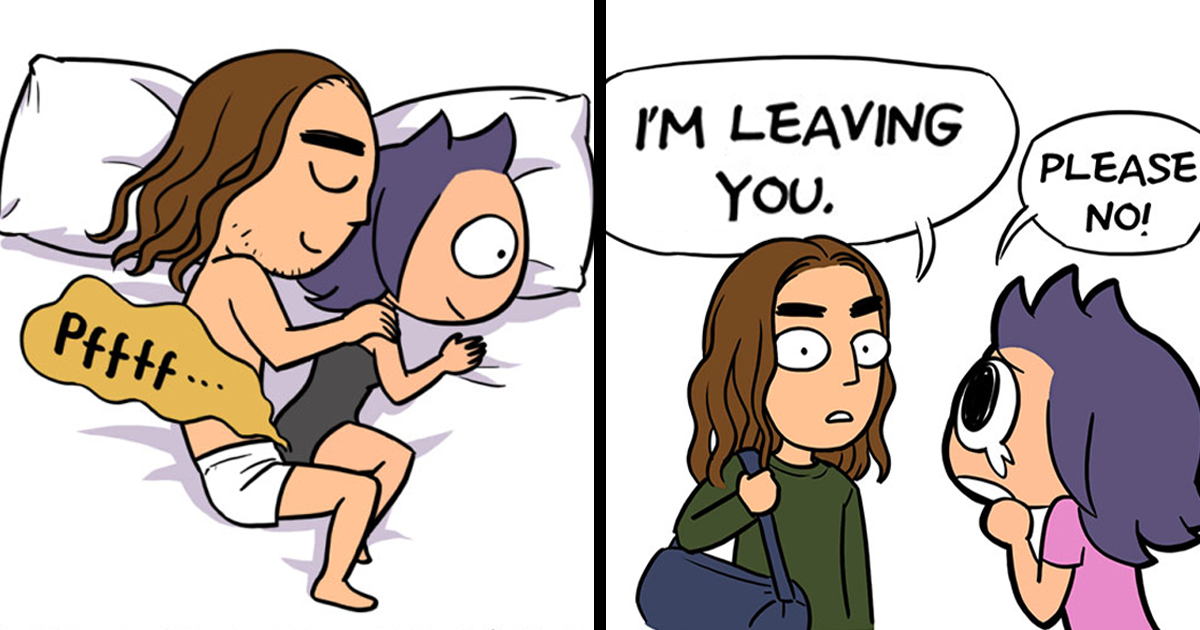
Let’s be mature for exactly three seconds: farting in bed is funny, awkward, normal, occasionally suspicious, and somehow capable of testing the emotional infrastructure of an entire relationship. One minute you are cuddled under a warm blanket like a stock photo for domestic bliss. The next, someone has created an invisible weather event, and both partners are pretending not to know who called the meeting.
But here is the truth every couple eventually learns: sharing a bed means sharing more than pillows, blankets, phone chargers, and the sacred right to complain about the thermostat. You are also sharing biology. Gas happens because digestion happens. Your gut is not a silent luxury appliance; it is a busy, bubbling ecosystem with bacteria, swallowed air, food breakdown, and occasionally, poor timing.
This guide is not here to shame anyone. It is here to help couples understand why nighttime gas happens, how to reduce it, how to talk about it without turning the bedroom into a courtroom, and how to keep romance alive when the duvet has become a crime scene. Consider this the unofficial survival manual for couples who sleep in the same bed and would like to wake up still liking each other.
Why Farting In Bed Happens In The First Place
Flatulence is a normal part of digestion. Gas can come from swallowed air, the fermentation of undigested carbohydrates in the colon, or certain foods that your body does not break down easily. In plain English: your digestive system is doing its job, but sometimes it does that job with sound effects.
During the day, you move around, sit upright, walk, talk, and release gas more naturally. At night, everything changes. You lie still. Your abdominal muscles relax. Your body is winding down. Your gut continues working like an employee who did not get the memo that the office is closed. That is why gas may become more noticeable when you are finally tucked in next to your partner.
The Usual Food Suspects
Some foods are more likely to cause gas because they contain fibers, sugars, or starches that ferment in the large intestine. These foods are often healthy, which feels deeply unfair. Your body may look at broccoli and say, “Excellent choice,” while your bedroom says, “Please file a complaint with management.”
Common gas-producing foods and drinks include beans, lentils, cabbage, broccoli, cauliflower, onions, carbonated drinks, dairy products for people with lactose intolerance, sugar-free candies containing sugar alcohols, and high-fiber foods introduced too quickly. Fatty meals may also slow stomach emptying, creating bloating and discomfort even if they do not directly produce more gas.
This does not mean you should declare war on fiber or vegetables. Fiber supports digestion and overall health. The trick is to increase fiber gradually, drink enough water, and notice which foods cause problems for your body. A romantic relationship should involve mystery, but your dinner triggers do not need to be one of them.
The Couple Problem: It Is Not Just The Fart, It Is The Protocol
Most couples are not actually fighting about gas. They are fighting about embarrassment, manners, sleep disruption, teasing, and whether someone keeps acting like a trumpet section has nothing to do with them. The fart itself is usually a minor event. The reaction is where the plot thickens.
One partner may think, “It is natural, why make a big deal?” The other may think, “I also believe nature is real, but I did not ask to experience the wetlands at midnight.” Both are valid feelings. A good couple fart guide begins with one simple rule: biology is normal, but consideration is attractive.
Rule One: Do Not Weaponize The Blanket
Every couple should have a constitution, and Article One should be: no trapping your partner under the covers. The so-called “Dutch oven” is not a joke everyone enjoys. It may seem hilarious to one person and deeply disrespectful to the other. In a shared bed, consent applies to comedy too. If your partner hates it, retire the bit immediately. There are other ways to be funny that do not require turning bedding into a sealed container.
Rule Two: Laugh, But Do Not Humiliate
Humor can help couples survive awkward moments. A small joke, a dramatic cough, or a whispered “the room has changed” can turn embarrassment into connection. But constant mocking, disgusted reactions, or public teasing can make a partner feel ashamed. The goal is to laugh together, not turn someone’s digestive system into a roast special.
Rule Three: Create A Nighttime Escape Plan
Sometimes the best solution is simple: step out of bed for a minute. Go to the bathroom. Walk around. Open a window if possible. Keep a fan on low. Use breathable bedding. Wash sheets regularly. These tiny habits make the bedroom feel fresher and less like a competitive science experiment.
How To Reduce Nighttime Gas Before Bed
You cannot eliminate gas completely, and you should not try to turn your digestive system into a silent monastery. But you can reduce the odds of major bedtime events with smart habits.
Eat Slower
Eating quickly can make you swallow more air. That air has to go somewhere. Slow down at dinner, chew properly, and avoid inhaling food like you are late for a bus. Your stomach will appreciate the courtesy, and so will the person sleeping eight inches away from you.
Watch Carbonated Drinks At Night
Soda, sparkling water, beer alternatives, and fizzy drinks can increase swallowed gas. If you are already prone to bloating, late-night carbonation may not be your best bedtime wingman. Try still water or herbal tea instead.
Do Not Overload On Fiber All At Once
If you suddenly switch from “barely met a vegetable” to “I now eat beans, kale, chia seeds, and lentils like a wellness influencer,” your gut may protest. Increase fiber slowly. Give your digestive bacteria time to adapt. Think of it as training for your gut, not surprising it with a marathon.
Notice Dairy Reactions
Lactose intolerance can cause gas, bloating, cramps, and diarrhea after dairy. Some people tolerate yogurt or hard cheese better than milk or ice cream, but reactions vary. If dairy seems to trigger your symptoms, consider tracking it and discussing options with a healthcare professional.
Take A Gentle Walk After Dinner
A short walk after eating may help digestion and reduce that heavy, bloated feeling. It does not have to be heroic. You are not training for a mountain expedition. A calm stroll around the block can be enough to help your body move things along before bedtime.
Foods That May Make Bedtime More Peaceful
No food is guaranteed to make every person gas-free. Bodies are weirdly individual, like streaming recommendations but with intestines. Still, many people find that simpler evening meals are easier to digest.
For a calmer night, consider meals built around rice, potatoes, eggs, poultry, fish, firm tofu, cooked carrots, zucchini, spinach, bananas, oats, or lactose-free dairy if needed. Cooked vegetables are often gentler than huge raw salads. Smaller portions can also help, especially if you eat close to bedtime.
If you have irritable bowel syndrome or frequent bloating, a low-FODMAP approach may help under professional guidance. FODMAPs are fermentable carbohydrates that can trigger gas and discomfort in sensitive people. However, a low-FODMAP diet is not meant to be a forever guessing game. It works best as a structured process: reduce, observe, and reintroduce foods to find personal triggers.
When Farting Is Normal And When To Pay Attention
Most gas is normal. It may be embarrassing, but it is not usually dangerous. However, certain symptoms deserve medical attention. Talk with a healthcare provider if gas comes with severe or persistent abdominal pain, sudden changes in bowel habits, ongoing diarrhea or constipation, vomiting, unexplained weight loss, blood in the stool, fever, or symptoms that interfere with daily life.
Also pay attention if gas suddenly becomes extreme without an obvious food or lifestyle change. Conditions such as lactose intolerance, celiac disease, irritable bowel syndrome, inflammatory bowel disease, constipation, and other digestive issues can contribute to bloating and gas. A doctor can help sort out whether your gut is simply dramatic or trying to send an important message.
The Relationship Side: How To Talk About Farts Without Starting A War
A healthy couple can discuss awkward things without turning them into character attacks. The key is tone. “You are disgusting” is not helpful. “Can we figure out how to make bedtime more comfortable?” is much better. One sentence builds teamwork. The other makes someone want to move to a cabin and communicate only by owl.
Use Team Language
Try saying, “I know it is normal, but I am having trouble sleeping when the room gets stuffy. Can we try keeping the fan on?” This frames the issue as a shared comfort problem, not a personal failure.
Pick The Right Time
Do not hold a serious digestive summit at 2:14 a.m. when everyone is half-asleep and emotionally powered by rage. Bring it up during the day, casually and kindly. Daytime conversations have better odds of sounding like problem-solving instead of courtroom testimony.
Make A Simple Agreement
Couples can agree on basic rules: no trapping under blankets, no public jokes, step away if needed, keep a fan on, avoid heavy trigger foods before bed on important nights, and forgive the occasional accident. Love is patient, kind, and occasionally requires opening a window.
The Bed Setup That Helps
Your sleep environment matters. A room with poor airflow can make every smell feel bigger and more dramatic. A small fan, cracked window, air purifier, or breathable bedding can help. Separate blankets may also reduce blanket tugging, overheating, and the feeling that one person’s digestive decision has become a shared habitat.
Some couples benefit from the “same bed, separate bedding” approach. Each person gets their own blanket, which can improve comfort and reduce sleep disturbance. It is not a romance failure. It is logistics. Nobody says a relationship is weak because two people use separate toothbrushes.
What Not To Do
Do not panic-buy every supplement on the internet. Do not start an extreme elimination diet without guidance. Do not shame your partner. Do not pretend you are physically incapable of farting while your body performs a brass solo. And definitely do not treat nighttime gas as proof that attraction is dead.
Attraction survives real life. It survives morning breath, laundry piles, bad hair days, flu season, and the terrifying moment one partner says, “Can you smell that?” Couples who last are not couples who avoid every awkward thing. They are couples who learn how to be human near each other without losing kindness.
500 Extra Words Of Real-Life Couple Experience: The Bedtime Gas Chronicles
Every couple has a turning point. For some, it is meeting the parents. For others, it is assembling furniture without breaking up. But for many couples, the true milestone is the first unmistakable fart in bed. Not the tiny ambiguous one that could be blamed on the mattress, the dog, or a suspiciously expressive floorboard. The real one. The one that arrives with confidence and immediately changes the emotional temperature of the room.
At first, both people may freeze. One person becomes a statue. The other suddenly finds the ceiling fascinating. The silence gets louder than the fart itself. Then someone laughs, coughs, apologizes, or attempts the classic defense: “That was not me.” This defense almost never works, especially in a two-person room with no pets and no open windows.
The healthiest couples usually develop a rhythm. Maybe they create a funny phrase like “weather alert” or “system update.” Maybe they agree that the guilty party must wave the blanket like a responsible adult operating emergency ventilation. Maybe they keep a fan near the bed and call it “marriage insurance.” The exact routine does not matter as much as the attitude behind it: we are on the same team, even when one of us has eaten chili.
One common experience is the “healthy dinner betrayal.” A couple decides to eat better. They prepare roasted vegetables, beans, lentils, salad, sparkling water, and maybe a protein bar that tastes like sweetened cardboard but promises wellness. Three hours later, the bedroom becomes a digestive press conference. This is when couples learn an important lesson: healthy food is still chemistry. Fiber is wonderful, but too much too fast can make the gut behave like it has joined a marching band.
Another familiar scene is the “date night miscalculation.” You go out for dinner, split appetizers, eat rich food, drink something fizzy, and come home happy. Then bedtime arrives. Suddenly, the romantic meal wants to be remembered. This is not a reason to cancel date nights. It is a reason to know your body. If creamy sauces, fried foods, onions, or carbonated drinks tend to cause trouble, save them for nights when sleep quality is not hanging by a thread.
Some couples also discover that embarrassment fades with trust. Early in a relationship, a fart can feel like a scandal. Years later, it may become background noise, like the dishwasher or a neighbor’s lawn mower. That does not mean manners disappear. It means comfort grows. The trick is to keep consideration alive while allowing both people to be real humans with real digestive systems.
The best experience-based advice is simple: talk lightly, plan practically, and forgive quickly. Keep the room ventilated. Avoid known trigger foods before important mornings. Step away if needed. Do not turn normal biology into a personality flaw. And when the inevitable happens, remember that sharing a bed is intimate precisely because it is unfiltered. Love is not only candlelight and matching pajamas. Sometimes love is handing someone the fan remote without making a speech.
Conclusion: Love Means Never Having To Pretend Your Gut Is Silent
Farting in bed is not glamorous, but it is deeply human. For couples who sleep in the same bed, the real challenge is not eliminating gas forever. The goal is to understand it, reduce avoidable triggers, protect each other’s sleep, and keep humor from becoming humiliation.
Eat slower. Notice food patterns. Be careful with late-night carbonated drinks, heavy meals, and sudden fiber overload. Create a bedroom setup with airflow and comfort. Talk kindly. Laugh when appropriate. Apologize when necessary. Open the window when destiny demands it.
If gas comes with concerning symptoms, get medical advice. Otherwise, remember this: a strong relationship is not one where nobody farts. It is one where both people can survive the occasional digestive plot twist without declaring emotional bankruptcy.
Note: This article is for general educational and lifestyle information. It is not a substitute for medical advice, diagnosis, or treatment from a qualified healthcare professional.