

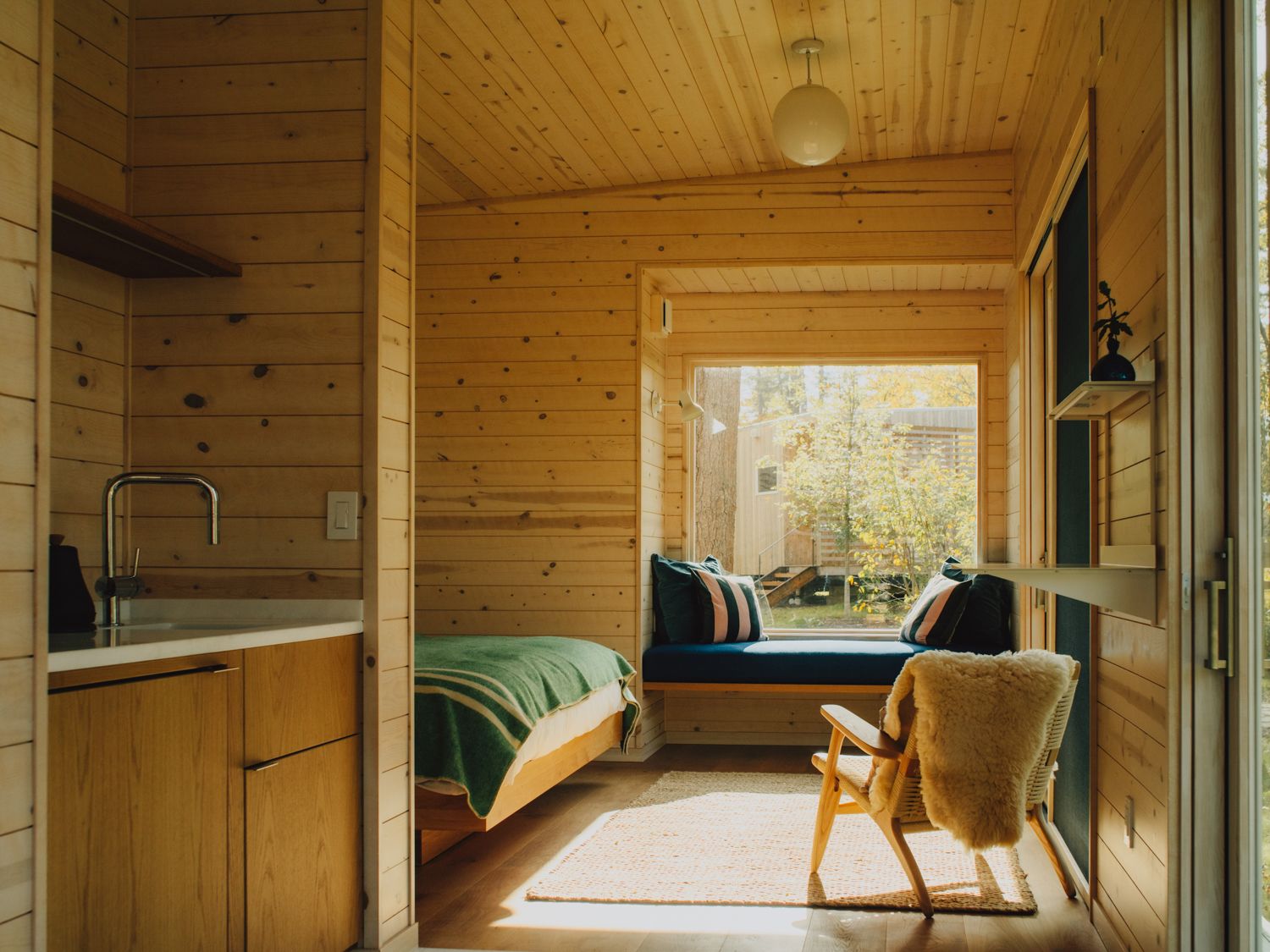
Some hotels make you want to extend your checkout time. Others make you want to go home and aggressively rearrange your furniture. Prospect in the Berkshires does both. The lakeside retreat captures the dreamy mood of a 1990s summer campthink wildflower meadows, enamel mugs, rope details, woodsy textures, and the kind of slow, golden-hour atmosphere that practically begs for a disposable camerathen gives it a sophisticated upgrade with Scandinavian restraint, natural materials, and quietly luxurious comfort.
In other words, this is not “camp” in the scratchy-bunk-beds-and-mystery-cafeteria-meatloaf sense. This is camp after a glow-up. It is camp that discovered linen sheets, warm lighting, curated vintage finds, and the radical pleasure of a room that does not scream for attention. The result feels nostalgic without becoming cheesy, elevated without becoming sterile, and playful without looking like your living room got lost on the way to a themed Airbnb.
That balance is exactly why this look is so appealing right now. Homeowners are a little tired of spaces that feel too polished, too perfect, and too emotionally unavailable. The modern summer camp aesthetic offers something gentler: a home that feels relaxed, tactile, and deeply lived in, but still beautifully designed. It combines rustic modern interiors, hotel-inspired home decor, quiet luxury design, and just enough retro personality to make a space feel like it has stories to tell.
If you want to bring that mood home, you do not need a private lake, a designer sauna, or a canoe parked in your hallway. You just need a smart mix of natural materials, warm restraint, nostalgic objects, and one guiding principle: the best rooms feel good before they try to impress anyone. Here is how to get the look.
Why This Style Works So Well
Nostalgia Makes a Room Feel Human
The appeal of the summer camp aesthetic is emotional before it is visual. It taps into a very specific kind of memory: long afternoons, open windows, old books, faded stripes, piney air, and the comforting sense that not every moment needs to be optimized. That is why the style lands so well in modern homes. It softens the sharp edges of contemporary living and replaces cold perfection with warmth, memory, and a little whimsy.
Done right, nostalgia does not mean decorating your house like a movie prop closet from 1998. It means choosing details that feel familiar and grounded: a wool throw instead of a shiny synthetic blanket, a lantern-style lamp instead of an icy overhead spotlight, a weathered bench instead of something so pristine you are afraid to sit on it. A room with this kind of personality feels welcoming because it suggests a life is happening there, not just a photo shoot.
Nature Is the New Status Symbol
Modern luxury has changed. These days, true indulgence is less about excess and more about ease. Natural light feels luxurious. Quiet feels luxurious. Materials that age beautifully feel luxurious. A chair placed by a window with enough room for coffee, a book, and your own thoughts? Surprisingly luxurious.
That is where the hotel’s Scandinavian influence matters. Scandi cabin decor is not simply about pale wood and minimalism. At its best, it is about function, calm, texture, and a close relationship with the outdoors. It creates a soft framework that allows nostalgic camp elements to shine without tipping the room into cluttered-cabin chaos. Think of it as the design equivalent of a very competent friend who packs for a weekend trip with one tote bag and still somehow looks incredible.
The Design Formula Behind the Look
Start with a Soft, Neutral Shell
The foundation of this style is simple: quiet walls, wood-rich surfaces, and materials that feel like they came from the landscape instead of a plastic factory with trust issues. Begin with a neutral palette for your largest elements. Off-whites, creamy beige, oat, sand, mushroom, warm gray, and light wood tones all work well. These colors create the breathing room that makes everything else feel intentional.
For furniture and finishes, favor natural fibers and tactile surfaces. Linen upholstery, cotton bedding, jute or flatweave rugs, unfinished or lightly stained wood, ceramic lamps, stone accessories, and woven storage all help build that grounded atmosphere. This is the part many people skip when they chase a trend: if the bones are wrong, no amount of cute camp mugs can save the room.
Then Add Warm, Muted Color
Once the neutral base is in place, layer in color carefully. The magic here is not bright primary-school-camp color. It is grown-up color with a memory. Forest green, dusty blue, muted rust, faded marigold, washed navy, clay pink, and soft berry tones all fit beautifully. These shades echo nature while still giving the room energy.
A good rule is to keep the larger surfaces calm and let color appear in movable pieces: accent pillows, throws, art, lampshades, enamelware, quilts, books, or one bold vintage chair. That keeps the room from looking overcommitted. You are aiming for “stylish lakeside retreat,” not “gift shop attached to a canoe rental office.”
Mix Camp Details with Grown-Up Restraint
This is where the fun starts. The easiest way to capture the summer camp aesthetic at home is through the little things: enamel mugs on open shelves, a striped blanket tossed over a chair, old trail maps framed in the hallway, a felt pennant, a vintage thermos, a stack of board games, a lantern, a plaid pillow, a secondhand stool with a perfect amount of wear. These details add story and humor.
But restraint matters. Instead of using every camp reference at once, choose a few recurring motifs and repeat them gently. Maybe your version of the look leans more national-park vintage. Maybe it skews more Scandinavian lake cabin. Maybe it is part camp, part quiet luxury, part “I found this amazing old oar and now it lives over the fireplace.” Pick a lane, then take a scenic detour or two.
Make the Outdoors Part of the Design
The look falls flat if it begins and ends indoors. Summer camp style is inseparable from the feeling of being close to the outdoors, so create visual and physical connections to nature wherever possible. Use airy window treatments, pull furniture toward natural light, bring in branches or wild-looking greenery, and choose materials that look even better in daylight.
If you have outdoor space, even a small one, give it some attention. Adirondack chairs, wood or rattan seating, a striped cushion, a lantern, a fire bowl, a picnic-style table, or a few potted grasses can do a lot of heavy lifting. The goal is to create a setting that invites a ritual: morning coffee, sunset drinks, late-night s’mores, or simply sitting outside pretending your inbox does not know where you live.
How to Bring the Look Home, Room by Room
Living Room: Cozy, Collected, and Slightly Adventurous
Your living room should feel like the lodge everyone wants to gather in after a day outside. Start with comfortable seating in a neutral fabric, then add texture in layers: a wool or cotton throw, a chunky knit blanket, a few mismatched but harmonious pillows, and a natural-fiber rug. Mix wood tones instead of matching everything too closely. A room like this should feel collected over time, not purchased during one extremely determined Saturday.
For decor, swap generic filler pieces for objects that suggest activity and memory. Framed camp photos, vintage landscape art, a ceramic vase filled with branches, old books, a woven basket of blankets, a striped stool, or a weathered side table will all do more for the mood than a dozen shiny accessories ever could. Add one strong focal point, like a large piece of art or an oversized lamp, and let the rest stay relaxed.
Bedroom: Camp Counselor, but Make It Luxe
The bedroom is where this design style really sings. Start with crisp white or cream bedding, then layer in softness with a quilt, a wool blanket, or a textured throw at the foot of the bed. A simple wood bed frame, warm-toned nightstands, and soft-glow lighting will instantly push the room in the right direction.
To keep it from looking too spare, add a few nostalgic touches: a small analog clock, a stack of books, a striped lumbar pillow, a vintage camp photo, or a peg rail with a robe and canvas tote. Keep clutter low, but do not make it so minimal that the room feels emotionally unavailable. Bedrooms should whisper “exhale,” not “please do not wrinkle the duvet.”
Kitchen: Casual Utility with Charm
The kitchen should feel practical, cheerful, and easy to move through. Open shelving is a natural fit for this style, especially if you use it to display enamel mugs, stoneware bowls, wooden cutting boards, and old-school thermoses or pitchers. Choose accessories that are both useful and attractive. Camp style works best when the objects earn their keep.
If you want a stronger visual nod, bring in striped tea towels, a small runner with earthy tones, a vintage-inspired pendant, or artwork featuring trail maps, fish illustrations, or landscape sketches. A kitchen island or breakfast nook can also carry the look beautifully with wood stools, a bowl of fruit, and a lantern-style centerpiece that says, “Yes, I absolutely romanticize breakfast.”
Bathroom: Rustic Calm, Not Log-Cabin Theme Park
Bathrooms benefit from the same material honesty as the rest of the house. Use fluffy white towels, stone or ceramic accessories, wood accents, and a soft, warm palette. Swap overly glossy finishes for matte or brushed ones where possible. A stool in unfinished wood, a small framed landscape, or a woven basket for rolled towels can add hotel-level polish without much effort.
Scent matters here, too. Skip sugary fragrances and lean into cedar, pine, smoke, eucalyptus, or fir. The right candle or bath product can do a surprising amount of design work. Luxury is not always visual; sometimes it is just a bathroom that smells like a forest and not a synthetic cupcake.
Outdoor Space: The Summer Camp Spirit Lives Here
If the indoor rooms set the tone, the outdoor area seals the deal. Start with seating that feels sturdy and relaxed: Adirondack chairs, a bench, or simple wood-framed loungers. Add weather-friendly cushions in stripes, plaids, or earthy solids. A lantern or two, a fire feature, and a few potted native-looking plants will instantly create atmosphere.
Do not over-style it. The best camp-inspired outdoor spaces have a little looseness to them. A folded blanket over the chair, a tray for drinks, a pile of kindling, a weathered table, or a cluster of grasses swaying in the breeze is enough. You are trying to create a place where people naturally linger, not a showroom patio that looks allergic to marshmallows.
What to Avoid If You Want the Look to Feel Fresh
The fastest way to ruin this aesthetic is to lean too hard into novelty. Skip overly literal signs, mass-produced faux-rustic pieces, and anything that looks like it was designed by a marketing team that just learned the word “campcore.” You do not need fake paddles in every corner or five blankets with cartoon bears on them.
Also avoid making everything uniformly rough. The reason this style works is the contrast between rugged and refined. A weathered stool looks better next to crisp bedding. A vintage mug feels more charming in a calm, well-edited kitchen. A plaid textile lands better in a room with clean lines and a little breathing space. Think balance, not costume.
How the Look Actually Feels in Real Life
This is the part people often miss when they try to copy a hotel style: what makes a place memorable is not just what it looks like, but how it makes everyday life feel. The summer camp-meets-modern-luxury aesthetic works because it changes your pace. It nudges you to leave a throw blanket on the sofa because someone might use it. It makes your coffee taste slightly better because you are drinking it from a sturdy enamel mug by an open window. It convinces you that reading for thirty minutes in a striped chair is not laziness, but lifestyle curation. Which, frankly, is correct.
Imagine waking up in a room where the colors are soft, the bedding is crisp, and the morning light hits wood surfaces instead of bouncing off cold, shiny finishes. You pad into the kitchen, put on the kettle, and stand there for a second longer than usual because the room feels calm enough to hold silence. The shelves are not crowded. The objects you see are useful, worn-in, and a little charming. The house is not trying to impress you with perfection. It is inviting you to participate.
Later in the day, the look keeps working in subtle ways. A woven basket of blankets by the sofa makes it easier to sit down and stay awhile. A stack of old card games on the coffee table encourages actual interaction. The patio with its lantern and weathered chairs suddenly becomes the place where people gather without being told. If there is a breeze, great. If there is a fire pit, even better. If there are marshmallows involved, congratulations: your design plan has become an event.
That is the real beauty of this style. It is not formal. It is not precious. It is beautifully suited to homes where people actually live, snack, nap, read, host friends, and occasionally leave a towel draped over a chair because they came in from the yard and life happened. It allows for ease. It also gets better with time. A little patina on the wood, a little fading in the textiles, a few more books, a few more storiesnone of that hurts the room. It helps.
There is also something quietly generous about the aesthetic. It tends to make guests comfortable fast. People understand how to behave in a space like this because it feels familiar. Sit here. Grab a blanket. Help yourself to coffee. Stay outside until the mosquitoes file a complaint. Unlike trend-heavy interiors that can feel a little performative, this one says, “Relax, you are welcome here.” That is an underrated luxury.
And maybe that is why this look resonates beyond design. It captures a version of home that many people are craving right now: less polished performance, more meaningful comfort; less visual noise, more tactile calm; less “look at my house,” more “come in, let’s hang out.” It gives you a home that feels like a retreat without becoming remote from daily life. You do not have to escape to a hotel to get that feeling. You can build it one material, one memory, and one very good lamp at a time.
Final Takeaway
If you love the idea of a hotel that blends 1990s summer camp aesthetics with modern luxury, the secret is not copying every detail. It is understanding the mix: natural materials, muted color, nostalgic accessories, relaxed outdoor living, and enough restraint to let the room breathe. Keep the foundation simple. Layer in texture. Choose objects with personality. Let nature do some of the decorating. Then add one or two playful references that make you smile.
The finished result should feel like the best kind of getaway: calm, welcoming, lightly adventurous, and just polished enough to feel special. Think less roughing it, more refining it. Or, to put it another way, your home should feel like summer camp finally got a fabulous skincare routine and excellent taste in lighting.