

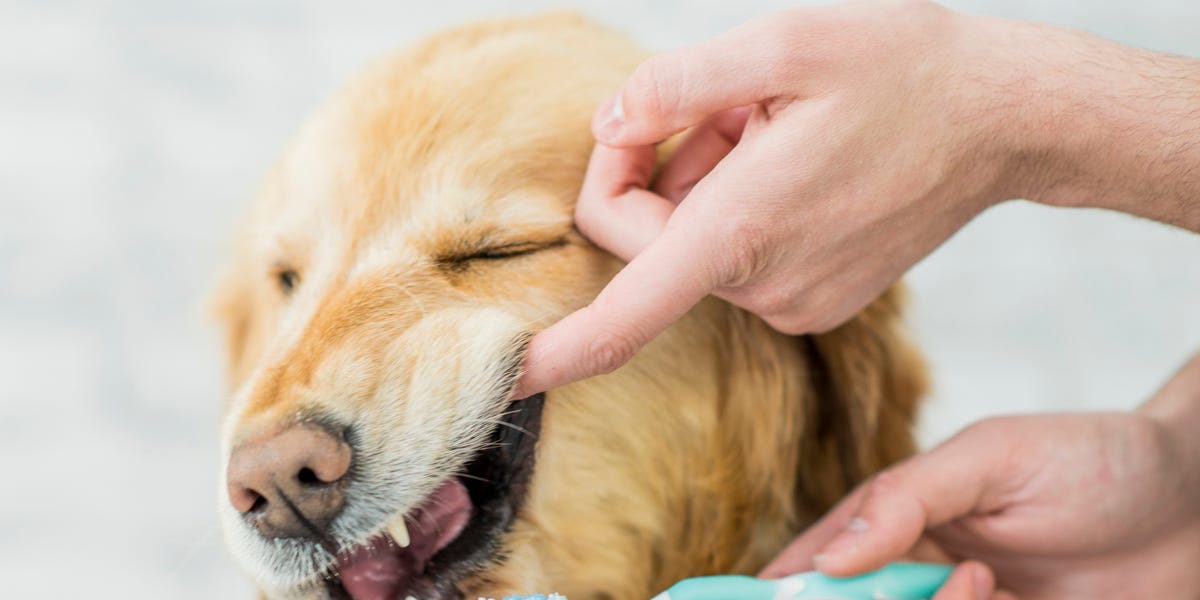
Note: This article is written for general pet-care education and web publishing. It is based on current veterinary dental-care guidance and real product information, but it should not replace advice from your veterinarian.
There are two types of dogs in this world: dogs who politely allow toothbrushing, and dogs who treat a toothbrush like it just insulted their entire bloodline. My pup used to be firmly in the second category. I could clip a leash, shake a treat bag, or open the fridge and she would appear like a furry magician. But the second she saw a dog toothbrush? Gone. Vanished. Apparently, oral hygiene was where she drew the line.
That changed when I found a dog toothpaste she genuinely liked: Virbac C.E.T. Enzymatic Toothpaste in Poultry Flavor. Yes, poultry-flavored toothpaste sounds like something only a dog could love. And yes, my pup reacts to it with the same sparkle-eyed enthusiasm usually reserved for treats, peanut butter, and the mysterious sidewalk crumb she is absolutely not allowed to eat.
For pet parents searching for the best dog toothpaste, especially one that makes brushing less dramatic, this little tube can be a game changer. It does not magically turn your dog into a dental-care influencer overnight, but it can make the process easier, calmer, and much less like a tiny wrestling match in the bathroom.
Why Dog Toothpaste Matters More Than Most Pet Parents Think
Dog dental care is not just about fresh breath, although let’s be honest: that alone is a worthy mission. A dog’s mouth collects plaque, food particles, and bacteria just like a human mouth does. Over time, plaque can harden into tartar, irritate the gums, and contribute to periodontal disease. That is why veterinarians often recommend brushing your dog’s teeth regularly as part of at-home oral care.
Bad breath may be the first thing you notice, but it is not the only concern. Red gums, visible tartar, drooling, chewing on one side, pawing at the mouth, or suddenly acting picky with food can all be signs that your dog’s mouth needs attention. A good dog toothpaste will not replace professional dental cleanings, but it can help support a healthier routine between vet visits.
The trick is consistency. Unfortunately, consistency is hard when your dog looks at you as if you are trying to polish a crocodile. That is where flavor matters. A toothpaste your dog actually enjoys can turn brushing from a dreaded chore into something closer to snack-adjacent cooperation.
Why Human Toothpaste Is a Big No for Dogs
Before we talk about the toothpaste my pup loves, let’s clear up one important rule: never use human toothpaste on dogs. Human toothpaste is made for people who understand the assignment: brush, rinse, spit. Dogs do not spit. Dogs swallow. Dogs also lick the brush, the sink, your hand, and occasionally the air just to be thorough.
Some human toothpastes contain ingredients that are unsafe for dogs, including xylitol, a sweetener that can be dangerous to them. Human toothpaste may also contain foaming agents or fluoride levels that are not intended to be swallowed by pets. Dog toothpaste is designed to be pet-safe when used as directed, which matters because your dog will absolutely treat it like an edible product.
Pet toothpaste also comes in flavors that make sense to dogs. Poultry, beef, malt, seafood, and vanilla-mint may sound like a strange ice cream shop from another planet, but to dogs, these flavors can make brushing feel rewarding rather than suspicious.
The Dog Toothpaste My Pup Loves: Virbac C.E.T. Enzymatic Toothpaste
After trying a few options, the one that earned repeat tail wags in our house was Virbac C.E.T. Enzymatic Toothpaste, Poultry Flavor. It is made for both dogs and cats, comes in a 2.5-ounce tube, and is available in several pet-friendly flavors, including poultry, beef, malt, vanilla-mint, and seafood.
The poultry flavor is the winner for my dog. I cannot personally review the flavor because I like myself too much, but based on her reaction, it belongs somewhere between “delicious treat” and “life-changing discovery.” She licks it from the brush before I even begin, which is exactly what makes it useful. The first step in dog toothbrushing is not brushing. It is convincing your dog that the toothbrush is not a tiny villain.
Virbac C.E.T. is an enzymatic dog toothpaste, meaning it uses enzymes to help support oral hygiene. Enzymatic toothpaste is commonly recommended for pets because it can help reduce plaque buildup when paired with brushing. It is not a substitute for veterinary dental treatment, but it is a practical tool for daily or several-times-weekly maintenance.
What Makes a Good Dog Toothpaste?
The best dog toothpaste is not just the one with the fanciest label. It needs to be safe, effective, and appealing enough that your dog does not sprint into another ZIP code when you open the tube.
1. Pet-Safe Formula
A good toothpaste for dogs should be made specifically for pets. That means it should be safe for dogs to swallow when used properly. Avoid human toothpaste, baking soda mixtures, and random DIY recipes from the internet. Your dog’s mouth deserves better than a chemistry experiment in a bowl.
2. Flavor Your Dog Accepts
Flavor is not a silly detail. It is the gateway to cooperation. If your dog enjoys the taste, you can build positive associations with the toothbrush. Poultry-flavored dog toothpaste works especially well for many dogs because it smells and tastes more like a treat than a chore.
3. Easy Texture
The texture should spread easily on a toothbrush or finger brush. Thick, sticky formulas can be harder to use, while watery ones may slide off before you reach your dog’s teeth. Virbac C.E.T. has a paste-like consistency that stays on the brush well enough for a quick brushing session.
4. Veterinary Reputation
When choosing pet dental products, it helps to look for brands that veterinarians recognize and recommend. Virbac is a long-established animal-health company, and its C.E.T. dental products are widely used in pet oral-care routines.
How I Introduced the Toothpaste Without Starting a Household Rebellion
The biggest mistake I made early on was trying to brush too much too soon. I had the toothbrush, the toothpaste, the optimism, and absolutely no understanding of my dog’s personal boundaries. She gave me one sniff and acted like I had betrayed her trust since puppyhood.
So I restarted with a slower method. First, I let her lick a pea-sized amount of toothpaste from my finger. No brush. No pressure. Just “Look, tiny poultry snack.” The next day, I put a little on the toothbrush and let her lick it off. Again, no brushing. By the third or fourth day, she was interested instead of suspicious.
Once she liked the toothpaste, I gently lifted her lip and touched the brush to her front teeth for a second or two. Then we stopped. Praise. Treat. Celebration. Did we clean her whole mouth? Absolutely not. Did we avoid drama? Miraculously, yes.
Over time, I worked up to brushing the outer surfaces of her teeth, especially the canine teeth and back cheek teeth where plaque tends to collect. I still keep sessions short. Dogs do not need a full spa soundtrack and a 20-minute dental ceremony. A calm, consistent minute is much more realistic.
How Often Should You Brush Your Dog’s Teeth?
Daily brushing is the gold standard for dog dental care, but let’s be real: life happens. Some days you are organized and glowing. Other days you are eating cereal over the sink and calling it dinner. If daily brushing is not realistic, brushing several times a week is still much better than doing nothing.
The most important thing is creating a routine your dog can tolerate. Choose a time when your pup is relaxed, not bouncing off the walls like a tennis ball with legs. After an evening walk, before bedtime, or after dinner can work well. Keep the toothpaste, toothbrush, and reward in one place so the habit feels easy for you, too.
My Simple Dog Toothbrushing Routine
Here is the routine that works best in our house:
- Pick a calm moment. I do not brush when my dog is overstimulated or in full zoomie mode.
- Use a small amount of toothpaste. A little goes a long way, especially when your dog thinks it is a snack.
- Let her taste it first. This keeps the mood friendly and lowers resistance.
- Lift the lip gently. I focus on the outside surfaces of the teeth rather than trying to pry open her mouth.
- Brush in short circles. I pay extra attention to the gumline, canines, and back teeth.
- Stop before she gets annoyed. Ending on a good note matters.
- Reward immediately. Praise, a dental chew, or a small treat helps build the habit.
This routine is not fancy, but it works. More importantly, it is repeatable. The best dog toothpaste is only useful if you can actually use it regularly.
What I Like Most About Virbac C.E.T. Poultry Toothpaste
The biggest benefit is obvious: my dog likes it. That sounds simple, but it changes everything. A toothpaste that smells like minty punishment to a dog may be technically fine, but if your pup refuses it, the tube will sit in a drawer next to other forgotten pet products and your good intentions.
I also like that the toothpaste is easy to apply, does not foam like human toothpaste, and is made for pets to swallow when used as directed. The poultry flavor is strong enough to interest my dog without making the entire room smell like a roast chicken convention.
Another plus is flavor variety. If poultry is not your dog’s thing, you can try beef, malt, seafood, or vanilla-mint. Dogs have opinions. Some are refined. Some eat socks. Either way, options help.
What Could Be Better?
No product is perfect. Virbac C.E.T. toothpaste does not come with a magic wand that makes your dog sit still, open wide, and say “ahh.” You still need patience and training. Some dogs may prefer another flavor or texture. Others may need a finger brush before they accept a regular toothbrush.
Also, if your dog already has heavy tartar, bleeding gums, loose teeth, or mouth pain, toothpaste alone will not fix the problem. That is vet territory. Think of dog toothpaste like brushing your own teeth. It helps maintain oral health, but it does not replace a dentist when something is wrong.
Virbac C.E.T. vs. Other Dog Toothpaste Options
Virbac C.E.T. is a strong everyday choice, but it is not the only good dog toothpaste. Petsmile Professional Pet Toothpaste is another popular option and is known for having Veterinary Oral Health Council acceptance for plaque control. Some pet parents like it because it can be applied even when brushing is difficult, though brushing is still ideal when your dog allows it.
There are also toothpaste gels, dental wipes, water additives, and dental chews. These can be helpful supplements, especially for dogs who are still learning to tolerate brushing. However, most veterinary dental guidance still points to brushing as one of the most effective at-home methods for reducing plaque. Chews and additives are supporting actors. The toothbrush is still the star, even if your dog thinks it is a suspicious little stick.
Tips for Choosing the Best Dog Toothpaste for Your Pup
When shopping for dog toothpaste, start with safety. Make sure the label clearly says it is made for dogs or pets. Avoid formulas with ingredients meant for human dental routines. If your dog has allergies, a sensitive stomach, or a history of dental disease, ask your veterinarian before choosing a product.
Next, think about flavor. If your dog loves savory treats, poultry or beef may be a better choice than vanilla-mint. If your dog turns up her nose at one flavor, do not assume toothbrushing is doomed. Try another. Dogs can be dramatic critics.
Finally, choose the right brush. A small soft-bristled dog toothbrush works well for many pups, but a finger brush can be less intimidating at first. For tiny dogs, use a size that fits comfortably in the mouth. For larger dogs, a longer-handled brush can help you reach the back teeth without accidentally donating your fingers to the cause.
Common Mistakes to Avoid
One common mistake is forcing the process. If your dog feels trapped, brushing becomes stressful fast. Go slowly and reward small wins. Another mistake is brushing only the front teeth. The back teeth often collect plenty of plaque, so work toward reaching those areas gently.
Do not use too much toothpaste. Dogs do not need a giant stripe like a toothpaste commercial. A small amount is enough. Also, do not expect perfection on day one. If all you do today is let your dog lick the toothpaste from the brush, that is progress.
And please do not wait until breath becomes unbearable. If your dog’s breath could knock over a houseplant, it is time to check in with your vet. Bad breath can be a sign of dental issues, not just an unfortunate personality trait.
My Honest Experience: Why This Toothpaste Became a Treat-Like Routine
At the end of the article, let’s get personal. My experience with dog toothpaste began with noble intentions and very poor execution. I bought a toothbrush, chose a toothpaste, sat on the floor, and assumed my dog would understand that I was improving her long-term wellness. She did not. She looked at me like I had brought home a tiny alien device and expected applause.
The first few attempts were awkward. I held the brush too directly, moved too quickly, and expected too much. My pup backed away, licked her lips, and gave me the kind of side-eye usually reserved for bath time. That is when I realized the toothpaste itself had to do some emotional heavy lifting. If it smelled and tasted good to her, I could use it as a bridge between “absolutely not” and “fine, but make it quick.”
The poultry-flavored Virbac C.E.T. toothpaste made that bridge possible. The first time I opened the tube, she sniffed the air and came closer instead of leaving the room. That was new. I squeezed a tiny bit on my finger, offered it to her, and she licked it like I had invented a boutique dog appetizer. No toothbrush yet. Just a taste test. She approved with the enthusiasm of a judge on a cooking show.
For several days, that was all we did. Toothpaste on finger. Toothpaste on brush. Lick, praise, done. I kept sessions short because I wanted her to think, “Oh, this is easy,” not “Here comes the mouth inspection committee.” Once she was comfortable, I touched the brush to one tooth. Then two. Then the side teeth. I celebrated every tiny success like she had just graduated dental school.
Now, brushing is not her favorite activity in the universe. Let’s not exaggerate; she is still a dog, not a dental hygienist. But she no longer runs away. She comes over, sniffs the brush, licks the toothpaste, and lets me brush long enough to make the routine worthwhile. Some days we do a full brushing. Some days we do a quick version. The point is that we do it regularly, and regular beats perfect.
I also noticed that the routine helped me pay closer attention to her mouth. I became more aware of her gums, breath, chewing habits, and any changes that might need a vet’s opinion. That alone made the habit valuable. Dog toothpaste is not just about cleaner teeth; it is about creating a moment where you actually look at your dog’s oral health instead of discovering problems late.
My biggest lesson is that the best dog toothpaste is the one your dog will accept consistently. For my pup, that is Virbac C.E.T. Poultry Flavor. It made toothbrushing feel less like a negotiation with a tiny furry lawyer and more like a normal part of our evening routine. If your dog currently treats toothbrush time like a personal betrayal, start smaller, go slower, and choose a flavor that feels like a reward. You may not get instant perfection, but you might get cooperation. In dog dental care, cooperation is basically gold.
Conclusion
Finding a dog toothpaste your pup actually enjoys can make dental care dramatically easier. Virbac C.E.T. Enzymatic Toothpaste in Poultry Flavor worked for my dog because it tastes appealing, spreads easily, and turns the toothbrush into something less suspicious. It supports a regular brushing routine, helps freshen breath, and makes at-home oral care feel more manageable.
Still, toothpaste is only one part of dog dental health. Regular vet checkups, professional cleanings when recommended, dental chews, and consistent brushing all work together. Start slowly, keep sessions positive, and remember that your dog does not need a perfect brushing routine on day one. She just needs a patient human, a safe pet toothpaste, and maybe a little poultry-flavored motivation.