

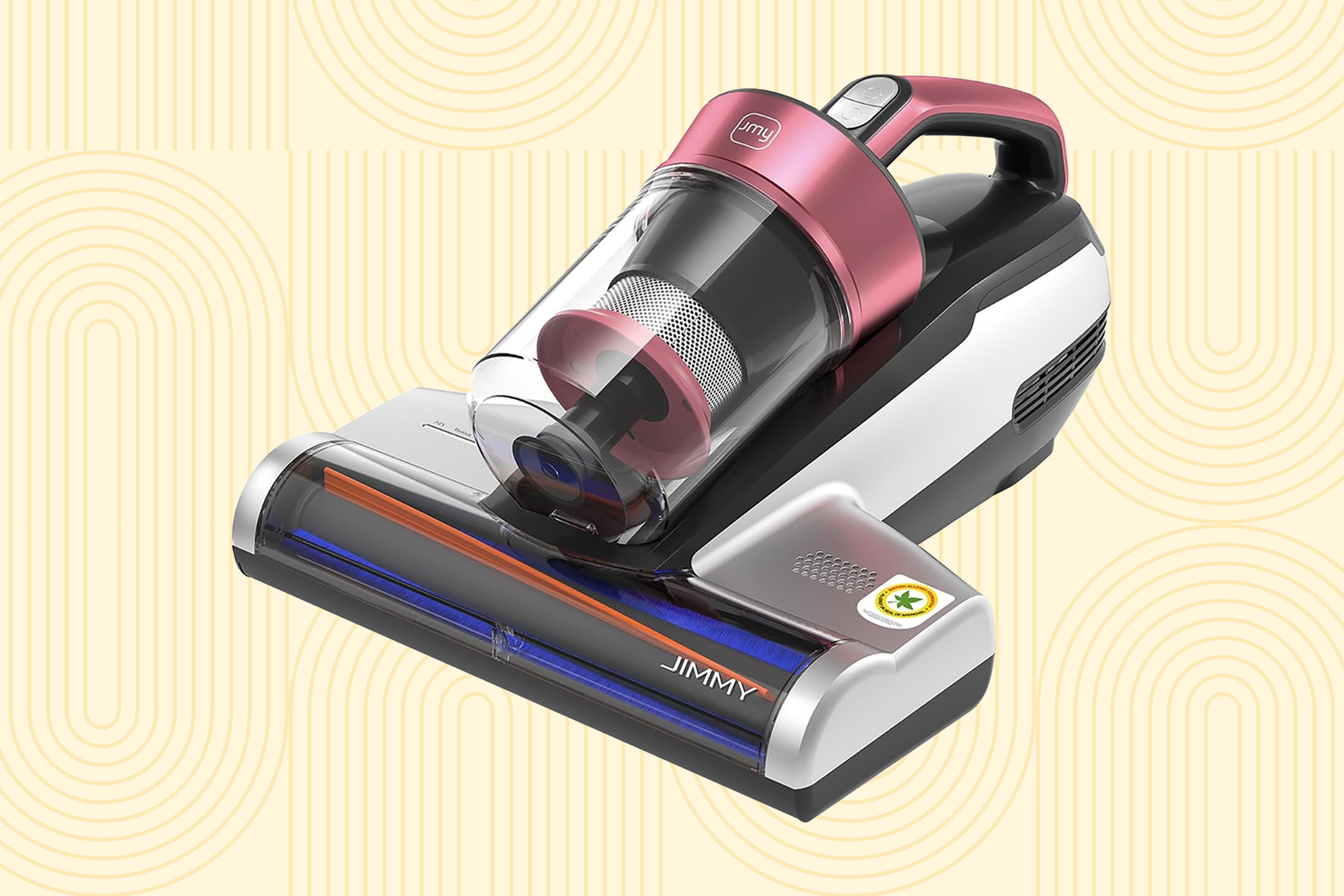
I used to think “cleaning my bed” meant washing sheets and calling it a day. Then I learned an uncomfortable truth:
your mattress is basically the long-term lease tenant of everything you shed, spill, track in, and accidentally invite to
sleepovers (looking at you, pet dander). Even when your bedding smells like fresh linen and optimism, your mattress can
quietly collect dust, dead skin flakes, crumbs, pollen, and the tiny allergen party favors left behind by dust mites.
That’s why a mattress vacuum became my favorite cleaning tool. Not because it’s flashy (it isn’t), but because it
does one job exceptionally well: it helps pull out the invisible grit that makes a bed feel less like a cloud and more like
a slightly padded storage unit. If you’ve ever woken up congested, itchy, or just weirdly “meh” about your sleep space,
you’ll appreciate how much better a mattress can feel after a proper deep vacuum.
What a Mattress Vacuum Actually Does (and What It Doesn’t)
A mattress vacuum is a handheld or compact vacuum designed for soft surfacesespecially mattresses and upholstery. The best
ones combine strong suction with agitation (like a vibrating head, pulsating pads, or a rotating brush) to loosen debris
from fabric and seams. Many models also include HEPA filtration to trap fine particles instead of puffing them right
back into your bedroom air.
What it’s great for
- Dust and fine debris that settles deep in mattress fabric.
- Allergen particles like pollen, pet dander, and dust-mite-related allergens.
- Seams and edges where “mystery fuzz” loves to hide.
- Mattress toppers and pillows that can hold onto dust like it’s their job.
What it won’t magically solve
-
Bed bug infestations. Vacuuming can help reduce pests, but it’s rarely a complete solution by itself. If you suspect
bed bugs, you’ll want a broader plan (often including professional help). -
Mold inside the mattress. Surface cleaning can’t always address deep moisture problems. If your mattress smells musty
or shows signs of mold, replacement is often the safer call. - Stains that have set in. Vacuuming helps after a stain is treated and fully dried, but it isn’t a stain remover.
Why Mattresses Get Gross Faster Than You Think
Your mattress is a sponge for everyday life. You spend about a third of your time in bed, and during that time your body
naturally sheds skin cells and oils, you sweat (even if you don’t feel sweaty), and you bring in whatever hitchhiked on your
clothes, hair, and pets. Add humidity, warm temperatures, and soft fabric fibers, and you’ve got an environment where dust
builds up easilyand where dust mites can thrive.
Dust mites themselves aren’t the point of panic; the bigger issue is what they leave behind. For many people, dust mite
allergens can trigger sneezing, itchy eyes, coughing, asthma symptoms, and “why do I feel stuffy only at night?” confusion.
Cleaning the mattress won’t eliminate every allergen source in your home, but it can reduce exposure in the place where your
face spends hours every night.
The Features That Make a Mattress Vacuum Worth It
Not all mattress vacuums are created equal. Some are genuinely useful. Others are basically a loud flashlight with delusions
of grandeur. Here’s what matters.
1) A sealed system with HEPA filtration
If you’re vacuuming a mattress to reduce allergens, you want the machine to trap fine particles, not “redecorate” your room with them.
A true HEPA filter is designed to capture extremely small particles (the kind you can’t see but your sinuses absolutely can).
Bonus points if the vacuum body and dustbin seal well, so air doesn’t leak around the filter.
2) Agitation that loosens debris (without shredding your fabric)
Mattress fabric can hold onto dust like it’s emotionally attached. Agitation helps break that bond. Many mattress vacuums use
one of these approaches:
- Pulsation/vibration that gently shakes dust loose.
- Rotating brush to lift debris from the surface (great, but you want it designed for upholstery so it doesn’t snag).
- Beating pads that mimic the old-school “beat the rug” energy, but indoors and less dramatic.
3) A wide head plus an edge tool
A wide cleaning head makes the job faster. But the real treasure is an attachment or design that can reach seams, piping,
and the border where mattress meets frame. Seams are where dust, hair, and tiny debris build upand where pests can hide if
you have a problem (which is why seam cleaning matters).
4) Sensible “extras” like UV or heat (with realistic expectations)
Some mattress vacuums advertise UV-C light or warm air/heat as a way to “sanitize.” Here’s the practical take:
UV-C can be harmful to eyes and skin if the device is poorly designed or used incorrectly, and it only works on what the
light actually reaches. Translation: it’s not a magic force field. If your vacuum includes UV, treat it as a small
bonus featureand prioritize safety and filtration first.
5) Easy maintenance (because you will use it more if it’s not annoying)
A mattress vacuum is only helpful if you’ll actually use it. Look for:
- Easy-to-empty dustbin that doesn’t explode in a dust cloud.
- Washable filters or filters that are easy to replace.
- Clear filter access so you can keep suction strong over time.
- Comfortable grip and weight so your wrists don’t file a formal complaint.
How to Use a Mattress Vacuum (My 5-Minute Routine)
The best routine is the one you’ll repeat. This one is simple enough to do regularly and thorough enough to make a difference.
Step 1: Strip the bed like you mean it
Remove sheets, pillowcases, and the mattress protector. If you use a topper, take that off too. The goal is direct access to
the mattress surface and seams.
Step 2: Start with seams and edges
Run the vacuum slowly along the perimeter, seams, piping, and any tufting. Move at a steady pacerushing is how you miss the
stuff you actually want to remove.
Step 3: Vacuum the full surface in overlapping passes
Work in a grid pattern (like mowing a lawn, but less outdoorsy). Overlap passes slightly so you don’t leave stripes of
untouched “mattress history.”
Step 4: Flip or rotate if your mattress allows it
If your mattress is flippable, vacuum both sides. If not, rotate it and vacuum the top againespecially near where your
torso rests and where pets like to stage their nap-based takeover.
Step 5: Finish with the toppers and pillows
Vacuum the topper, then any pillows you use. If you’re doing allergy-focused cleaning, consider using allergen-proof covers
(encasements) on the mattress and pillows after vacuuming.
Step 6: Wash bedding on a schedule that matches reality
A mattress vacuum helps, but bedding is still the front line. Many allergy organizations recommend washing bedding weekly in
hot water (often cited around 130°F) and drying thoroughly on heat to reduce dust mites. If you have kids at home, be mindful
of hot water safety in generalscald risk is real. You can still reduce allergens by washing frequently and drying fully,
even if your hot water settings vary.
A quick note on baking soda (because TikTok is loud)
Lightly dusting baking soda to deodorize can be helpful, but dumping a whole box onto your mattress and then vacuuming it up
can clog filters and reduce suctionsometimes permanently. If you use baking soda, use a light layer, let it sit briefly,
and make sure your vacuum and filter can handle fine powders.
Mattress Vacuum vs. Regular Vacuum: Do You Really Need a Separate Tool?
If you already own a high-quality vacuum with an upholstery attachment and good filtration, you can absolutely clean a mattress
with it. Many people do, and it works. A dedicated mattress vacuum becomes “worth it” when you want:
- Stronger agitation than standard upholstery tools provide.
- More convenient handling (lighter, easier to maneuver on a bed).
- A tool you’ll actually use because it’s quick to grab and store.
- Better allergen containment if your main vacuum isn’t well-sealed or lacks HEPA-level filtration.
Think of it like this: your full-size vacuum is the “whole-house athlete.” A mattress vacuum is the specialist who shows up
with a clipboard and fixes the one problem you keep ignoring.
Who Benefits Most From a Mattress Vacuum?
Allergy and asthma households
If you deal with nighttime congestion, seasonal allergies that mysteriously worsen indoors, or asthma triggers, reducing dust
and allergens in bedding and mattresses can be part of a bigger strategy. Mattress encasements, regular bedding washing,
keeping humidity in check, and HEPA filtration can all work together.
Pet owners
Pet hair is obvious. Pet dander is not. A mattress vacuum helps lift both from fabric surfaces where they settle and linger.
Kids, teens, and “snack in bed” enthusiasts
No judgment. Just facts: crumbs happen. A mattress vacuum helps remove debris that can attract more dust and create odors over time.
Anyone with a mattress topper
Toppers can trap dust and sweat the way a hoodie traps popcorn smells. Regular vacuuming helps keep them fresher longer.
A Mattress Hygiene Plan That’s Actually Doable
You don’t need to treat your bed like a science experiment. You just need a simple rhythm.
Weekly (10–15 minutes)
- Wash sheets and pillowcases (and dry thoroughly).
- Quick vacuum of the mattress surface and seams (especially if allergies or pets are involved).
- Wipe down the headboard or bed frame if it collects dust.
Monthly (20–30 minutes)
- Deep vacuum the entire mattress and sides.
- Vacuum and/or wash the mattress protector.
- Rotate the mattress if recommended by the manufacturer.
- Check for any stains or odor issues and spot-treat early.
Every 6 months (the “reset”)
- Deep clean both sides (if possible), vacuum the bed base, and wash pillows if they’re washable.
- Evaluate humidity and airflowmusty smells often signal moisture problems.
- Replace filters on your vacuum or mattress vacuum as needed.
Common Mistakes (So You Don’t Accidentally Make Things Worse)
Vacuuming a damp mattress
Moisture + fabric + warmth is a recipe for mildew problems. Always let spot treatments dry fully before vacuuming or making
the bed.
Going wild with powders
Powders like baking soda can clog filters and reduce suction if overused. Use a light touch or skip it entirely if your vacuum
struggles with fine dust.
Not emptying the dustbin promptly
If you’re cleaning allergens (or suspect pests), don’t leave the debris sitting in the vacuum. Empty it right away, ideally
into a sealed bag. If bed bugs are suspected, many public health guides recommend sealing and disposing of vacuum contents
carefully to avoid spreading them.
Ignoring the bigger picture
A mattress vacuum is powerful, but it’s not the whole plan. Mattress and pillow encasements, regular bedding washing, reducing
clutter, and managing indoor humidity are the habits that make results last.
Shopping Checklist: How to Pick the Right Mattress Vacuum
If you’re considering buying one, use this checklist to avoid paying for marketing sparkle instead of performance.
- HEPA filtration (and a sealed design, if possible).
- Strong suction that doesn’t fade after two uses.
- Agitation feature (pulsation, vibration, or a soft-surface brush).
- Wide head + edge capability for seams and corners.
- Easy cleaning (dustbin, filters, and brush area should be simple to maintain).
- Reasonable noise and weight so you’ll actually use it.
- Filter availability (replacement filters should be easy to find and not cost a fortune).
- Safety-first UV design if UV is included (no “bare bulb exposure” vibes).
Conclusion: Why This Tool Earned a Permanent Spot in My Cleaning Routine
A mattress vacuum isn’t glamorous. It won’t get you a standing ovation. But it’s the rare cleaning tool that delivers that
deeply satisfying “why didn’t I do this sooner?” momentespecially if you deal with allergies, pets, or a bed that somehow
attracts dust like it’s magnetic.
The payoff is simple: a cleaner sleep surface, fewer lingering odors, and less of the invisible buildup that can make a bedroom
feel stuffy. Pair it with a washable mattress protector, regular hot-and-dry bedding care, and a little humidity awareness,
and you’ve got a realistic plan for a fresher bedwithout turning your weekends into a laundry-themed documentary.
Experience Notes: What Using a Mattress Vacuum Feels Like (and Why You’ll Keep Reaching for It)
The first “experience” most people report with a mattress vacuum is emotional: a mix of curiosity and mild betrayal.
Curiosity because you want to see what comes out of a mattress that looks perfectly clean. Betrayal because… something always
comes out. Even in homes that are tidy, the dustbin tends to fill with fine gray fluff, hair, and powdery debris that you
didn’t know existed. It’s not dramatic like pulling a lost sock out of the couch, but it’s strangely satisfyinglike proof
that the tool is actually doing something.
The second experience is how fast the routine becomes automatic. Once you realize the process takes about the same effort as
scrolling through a few social feeds, it’s easy to do it right after you strip the bed for laundry. You vacuum the seams,
do a couple of slow passes across the surface, and suddenly your mattress looks the samebut feels subtly different. The
fabric often feels a little “crisper,” especially if your vacuum has agitation that lifts debris from the weave. It’s the
difference between a shirt that’s clean and a shirt that’s been lint-rolled: same shirt, better vibe.
If you have pets, the experience is even more obvious. You start noticing that your bed stops being a fur transfer station.
Vacuuming a mattress topper, in particular, can feel like unlocking a cheat code, because toppers love to hold onto hair and
dander. After a couple of sessions, many people also notice less “mystery itch” at nightnothing magical, just fewer irritants
lingering near your face and hands. And if you’re allergy-prone, the best part is often waking up with less congestion, or
at least feeling like your bedroom air isn’t working against you.
There’s also a confidence factor that shows up after the first month. You stop wondering whether your mattress is clean “enough”
and start treating it like a normal part of home maintenance. Spill something? Spot-treat, let it dry, vacuum. Slept through
a humid week? Vacuum, wash bedding, make sure airflow is good. Hosted guests? Quick vacuum before the fresh sheets go on.
The tool turns mattress care into something practical, not intimidating.
The final experience is the oddly peaceful sense of control. So many cleaning tasks feel endlessfloors get dirty again,
dishes multiply, laundry reproduces when you’re not looking. But mattress cleaning has a clear finish line: you vacuum, empty
the bin, remake the bed, and you’re done. And because you spend hours there every night, you feel the payoff immediately.
It’s not just “a cleaner room.” It’s a cleaner place to rest, recover, and reset. That’s why a mattress vacuum earns favorite-tool
status so quickly: it improves your daily life in a way you can actually feel, without demanding a full Saturday in exchange.