

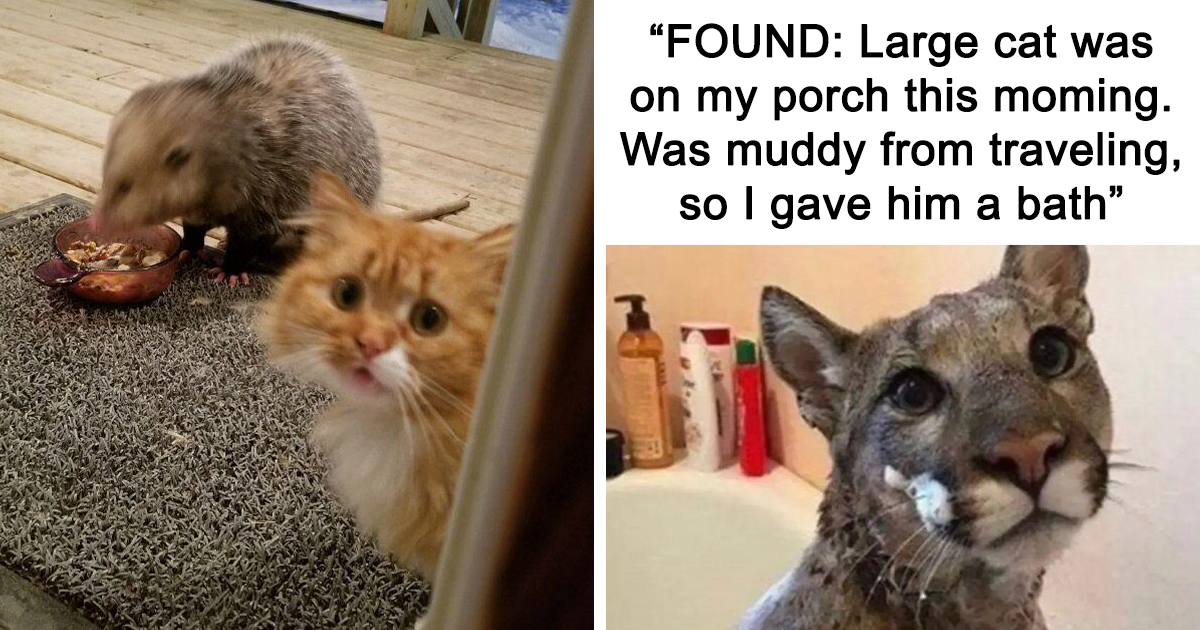
If your social feeds are mostly bills, bad news, and somebody arguing in the comments, your brain deserves a refund. That’s where one gloriously chaotic Twitter page comes inan account devoted entirely to animals who woke up and chose mischief. Bored Panda rounded up 50 of the best photos from this “goblin mode” menagerie, turning spilled kibble, stolen socks, and unrepentant side-eye into pure serotonin.
These aren’t perfectly posed pet portraits. They’re the exact moment your cat realizes gravity is fun, your dog decides the couch is a salad bar, and your ferret discovers your charger cable tastes like freedom. It’s messy, it’s relatable, and it’s a surprisingly powerful form of stress relief.
Meet the Mischief: Inside the Viral Twitter Page
The Twitter page behind Bored Panda’s collection is a steady stream of screenshots and reposts that celebrate the “what have you done now?” side of animal ownership. Each tweet is a tiny story: a guilty face, a disaster just out of frame, and a caption that says, “I turned my back for five seconds.” Bored Panda’s feature pulls together 50 of these moments in one place, making it feel like a highlight reel of the internet’s favorite troublemakers.
The page taps into a larger ecosystem of accounts that share chaotic animal contentdogs zooming through the house with contraband, parrots plotting petty crimes, raccoons behaving exactly how raccoons always behave (suspiciously). The result is a timeline where every scroll is either a laugh, an “aww,” or a “yep, my pet does that too.”
Types of Animal Chaos You’ll See
- The Snack Bandits: Dogs and cats caught red-pawed with bread loaves, pizza slices, or entire rotisserie chickens they “found” on the counter.
- The Tiny Home Renovators: Pets who believe the proper place for couch stuffing, potting soil, or toilet paper is “everywhere, immediately.”
- The Gravity Scientists: Cats knocking pens, cups, and expensive things off tables just to watch them fallbehavior linked to hunting instincts and curiosity.
- The Drama Llamas (sometimes literally): Over-the-top facial expressions and poses that look like reaction memes come to life.
- The Escape Artists: Animals who somehow open doors, defeat baby gates, or squeeze through microscopic gaps and then act offended you noticed.
Individually, each photo is a one-off joke. Collected together, these 50 pics feel like a group project from planet Earth’s most adorable chaos agents.
Why We’re Obsessed with Mischievous Animal Pics
Cute Chaos Is Literally Good for Your Brain
Scrolling this Twitter page is more than procrastinationit’s low-key brain care. Research from the University of Leeds found that watching images and videos of cute animals could significantly reduce heart rate, lower blood pressure, and cut anxiety levels almost in half. Other work on internet cat videos suggests that people feel more hopeful and energized, with less anxiety and sadness after watching them.
Psychologists have also found that looking at especially cute images can sharpen our focus and make us more careful when completing tasksessentially, tiny furry productivity hacks. Articles from mental health outlets in the United States echo these findings, noting that short doses of cute content can boost mood and help people bounce back from everyday stress.
So yes, you can technically say you’re “supporting your cognitive performance” while laughing at a corgi who just stole everyone’s flip-flops.
Why Mischief Feels More Relatable Than Perfection
Perfectly groomed dogs in flower crowns are nice, but mischievous animals hit differently. They’re relatable. When you see a golden retriever proudly holding someone’s sock hostage or a cat screaming because their food bowl is 0.5% empty, you recognize the emotional chaos of real life.
Behavior experts point out that many so-called “naughty” pet behaviorschewing furniture, raiding the trash, zoomies at midnightare usually signs of unmet needs, boredom, stress, or instinct rather than moral failure. In other words, your dog isn’t trying to ruin your day; your dog is trying to cope with their energy and environment… and sometimes your shoes get involved.
Seeing these behaviors shared, celebrated, and laughed about online can make pet owners feel less alone. Instead of “my pet is a disaster,” the message becomes “we’re all just doing our best with our little goblins.”
Is Your Pet Actually Being “Bad”? The Psychology of Pet Mischief
Dogs: Sock Thieves and Counter-Surfers
Dog behavior specialists note that classic “mischief” like stealing socks or food is often a blend of curiosity, attention-seeking, and comfort. Clothing carries your scent, so a pilfered sock can feel like a portable security blanket. Counter-surfing, trash diving, and destructive chewing usually show up when dogs have too much pent-up energy and not enough structure or enrichment.
Animal welfare organizations in the United States emphasize that the solution isn’t punishment but management and trainingmore exercise, puzzle toys, and teaching alternative behaviors like “drop it” or “place.” The Twitter page’s photos of proud sock bandits are basically free case studies in what happens when a clever brain meets an under-secured laundry basket.
Cats: Chaos Gremlins with a Scientific Agenda
Meanwhile, cats are out here doing gravity experiments on your belongings. Pet behavior guides from veterinary clinics and pet-care brands explain that cats often knock objects off tables because they’re exploring: testing how things move, sound, and respond. It’s part hunting practice, part boredom, and part “does this make you look at me?”
When you watch a Twitter video of a cat methodically nudging a glass off a counter while maintaining aggressive eye contact with their human, you’re seeing instinct, curiosity, and a sprinkle of drama in action. It’s not maliceit’s enrichment, badly scheduled.
How to Channel Your Own Pet’s Goblin Energy (Without Losing Your Mind)
Looking at mischievous animals online is fun; living with them in 3D is… a lifestyle. Trainers and humane societies repeatedly recommend the same basic strategies:
1. Add Structure and Predictable Routines
Regular feeding times, walks, play sessions, and quiet time help pets feel secure and reduce anxiety-driven mischief. Dogs especially thrive on knowing what happens when, which can cut down on random destructive behavior.
2. Replace “No” with “Try This Instead”
Positive reinforcementrewarding behaviors you like instead of punishing the ones you don’tis a cornerstone of modern training advice. That might mean redirecting chewing from shoes to a designated toy and praising your dog like they just solved world peace when they choose the toy on their own.
3. Give Them a Job
Young, smart, or high-energy pets often get into trouble simply because they’re underemployed. Puzzle feeders, scent games, training sessions, and interactive play sessions with wand toys or fetch can turn bored chaos into satisfied naps.
4. Manage the Environment
Sometimes the simplest fix is putting the tempting thing where paws cannot reachtrash cans with lids, food pushed back from counters, fragile decor off ledges. As behavior pros like to say, “management isn’t cheating; it’s smart.”
Do all that, and your pet might still be mischievous… but at least your house won’t look like the “before” photo in a disaster movie.
Scrolling the 50 Best Pics Without Losing the Day
The danger of a thread like “50 of their best pics” is obvious: you open it “just for a second” and suddenly it’s midnight and you know the entire life story of a hedgehog who stole a croissant. Social media researchers have pointed out that short, positive entertainment clipslike pet videoscan boost mood and well-being, especially when consumed in moderation.
To enjoy the chaos without doomscrolling:
- Set a time limitone thread, one coffee break.
- Balance the cute stuff with breaks away from screens.
- Use what you see as inspiration to interact with your own pets in real life.
Think of the Twitter page as a snack, not your entire emotional diet.
From Viewer to Participant: Sharing Your Own Mischievous Animal Moments
Another reason the Bored Panda feature hits so hard is that it’s interactive in spirit. As you scroll through those 50 images, you’re mentally adding your own: the time your cat sat directly on your laptop during a Zoom call, or when your dog photobombed an engagement picture by sprinting past with someone’s underwear.
Want to join the fun without overwhelming your followers? A few easy content tips:
- Capture the moment, not perfection. Blurry zoomies and crooked angles are part of the charm.
- Give context. A single sentence about what happened (“I left him alone for three minutes”) can turn a random photo into a tiny comedy sketch.
- Respect safety and comfort. Never stage risky situations just for a laugh; the best posts are of mischief that happened naturally.
- Protect privacy. Crop out sensitive details like house numbers or kids’ faces before posting.
In a sense, every mischievous animal photo is co-created: half by the pet, half by the human who chooses to laugh, snap a picture, and share it with the world instead of just being annoyed.
Conclusion: Long Live the Little Goblins
This viral Twitter page and Bored Panda’s “50 best pics” collection prove that the internet’s love affair with chaotic animals is not slowing down. We keep coming back because these animals are funny, yesbut also because they’re honest. They don’t hide their big feelings, they don’t pretend to be productive, and they certainly don’t care what the algorithm thinks.
Backed by research showing that cute animal content can lower stress, improve focus, and brighten mood, those stolen-sock selfies and “caught in the act” screenshots turn out to be a surprisingly wholesome coping mechanism in a noisy digital world.
So the next time you’re overwhelmed, it might be worth trading a few minutes of arguments and bad headlines for a guilty-looking dog and a cat who just discovered how fun it is to sit in the bread box. And if you’re wondering how to package all that joy for search engines and readers alike, check the SEO snippet at the very end of this article: it lays out a ready-to-use meta_title, meta_description, sapo, and keywords tailored specifically to this mischievous menagerie.
Mischievous Animal Moments: Experiences from the Timeline
Spend enough time with this Twitter page and you start to recognize patternsnot just in the animals, but in the people reacting to them. Underneath every photo of a dog who “redecorated” the living room with cushion stuffing, you’ll find a chorus of comments like, “Oh good, it’s not just my house,” or “I thought my cat was broken, turns out she’s normal.” That sense of instant camaraderie is part of what makes these threads so addictive.
There’s the classic “I looked away for ten seconds” storyline: a photo of a cat halfway inside a cereal box, or a ferret who tunneled into a pile of folded laundry and emerged looking both proud and dusty. You can almost reconstruct the entire afternoonsomeone trying to get chores done, a suspicious silence, then the slow walk into the room followed by, “What… are you doing?” In that moment, frustration and laughter collide, and most of us reach for our phones to preserve the evidence.
Another familiar scene involves remote work. Laptops have become magnetized to pets: cats parking themselves squarely on keyboards, dogs deciding that 2:37 p.m. is the perfect time to bring a squeaky toy into a video call, parrots adding unsolicited commentary in the background. Those moments end up on Twitter because they’re too relatable not to share. The comments are full of screenshots from other people’s meetings: a boss with a kitten on their shoulder, a coworker whose dog just walked across the screen holding a slipper like a trophy.
Some of the most memorable mischievous-animal posts capture “before and after” chaos. The first photo shows a pristine room; the second shows a shredded roll of paper towels snowing across the floor and a puppy in the center of it all, looking delighted. You can feel the emotional arcfrom mild horror to resigned laughter to “OK, fine, this is kind of hilarious.” Many owners say sharing those images with a community helps them shift faster into the humor side of the story, instead of staying stuck in annoyance.
There’s also a kind of gentle competition going on: people replying with “Top that” photos of their own goblins. One person’s dog steals socks; another’s dog has escalated to stealing entire loaves of bread. Someone posts a cat sitting in freshly baked biscuits; someone else responds with a cat that managed to turn on the sink and flood the counter. The Twitter page becomes a rolling anthology of “you won’t believe what my pet did,” curated into a single feed that Bored Panda can then turn into a gallery of best-of chaos.
For many viewers, these posts do something subtle but important: they reframe imperfections as stories worth telling. Your dog ripping up junk mail is no longer just a hassle; it’s a tiny episode in a longer, funny narrative about life with animals. When you scroll through 50 of these moments in a row, you start to see your own pet’s antics differently. Instead of thinking, “Why can’t you behave?” you’re more likely to think, “You’d fit right in on that thread.” That shifttoward humor, connection, and empathyis exactly why this kind of content has staying power in the age of endless timelines.