

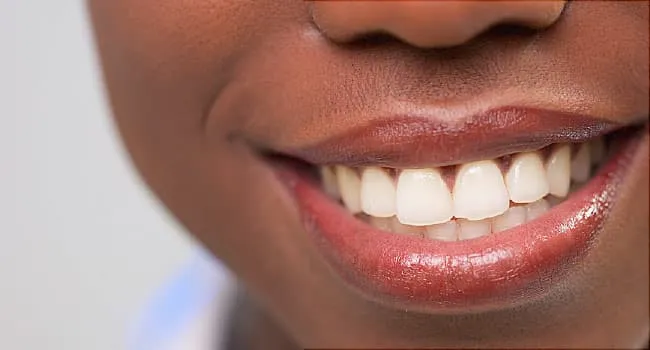
Soft, moisturized lips sound simple enoughuntil winter wind, summer sun, spicy tacos, matte lipstick, and one suspiciously “refreshing” mint balm turn your mouth into a tiny desert with opinions. The truth is that lips need their own care strategy. They are thinner than much of the skin on your face, they dry out quickly, and they do not have the same oil-producing support system that helps other areas stay comfortable.
The good news? You do not need a bathroom shelf that looks like a luxury skincare laboratory. To keep lips soft and moisturized, you mainly need the right balm, smart sun protection, gentle habits, and a little consistency. Think of lip care as less “beauty drama” and more “basic maintenance for a very expressive part of your face.”
Why Lips Get Dry So Easily
Lips are constantly exposed to the environment. They deal with cold air, dry indoor heating, UV rays, wind, saliva, toothpaste, food, cosmetics, and the occasional nervous habit of biting or licking. Unlike many areas of skin, lips do not produce much natural oil, so they lose moisture faster. That is why your cheeks may feel fine while your lips are quietly filing a complaint.
Common causes of dry lips include cold weather, low humidity, sun exposure, dehydration, frequent lip licking, mouth breathing, irritating lip products, certain medications, and skin conditions such as eczema or contact dermatitis. Sometimes chapped lips are just chapped lips. Other times, they are a clue that something else is going on.
Choose the Right Lip Balm Ingredients
A good lip balm does two important jobs: it helps seal in moisture and protects the lip barrier from the outside world. Look for ingredients that are known for being gentle, protective, and moisturizing.
Helpful Ingredients for Soft Moisturized Lips
Some of the best lip balm ingredients include petrolatum, white petroleum jelly, mineral oil, dimethicone, shea butter, cocoa butter, beeswax, ceramides, glycerin, and hyaluronic acid. These ingredients work in slightly different ways. Occlusives like petrolatum and dimethicone help reduce water loss. Emollients like shea butter soften rough texture. Humectants like glycerin and hyaluronic acid attract water, especially when layered under a protective balm.
For very dry lips, a simple fragrance-free ointment is often more useful than a fancy flavored balm. Fancy is fun, but your lips do not need dessert perfume when they are cracked. They need a quiet little moisture blanket.
Ingredients to Avoid When Lips Are Chapped
If your lips are already dry, cracked, or irritated, avoid products that sting, tingle, cool, or burn. That sensation may feel like “it is working,” but it can actually signal irritation. Common ingredients that may make chapped lips worse include menthol, camphor, phenol, eucalyptus, strong fragrance, flavoring, cinnamon, peppermint, salicylic acid, and harsh exfoliating ingredients.
This does not mean every scented or flavored balm is evil. It just means that when your lips are irritated, they need boring kindness. Boring is underrated. Boring is how lips recover.
Use SPF Lip Balm Every Day
The lips are easy to forget when applying sunscreen, but they are exposed to sunlight all year. UV rays can burn lips, worsen dryness, and contribute to long-term skin damage. A lip balm with broad-spectrum SPF 30 or higher is a smart daily choice, especially when you are outdoors.
Apply SPF lip balm before going outside and reapply it regularly, especially after eating, drinking, swimming, sweating, or wiping your mouth. Keep one in your bag, one near your door, and one wherever you usually remember things too late.
Stop Licking Your Lips
Lip licking feels helpful for about three seconds. Then the saliva evaporates and leaves lips drier than before. Saliva also contains enzymes designed to help break down food, not pamper delicate lip skin. Repeated licking can create a cycle of dryness, irritation, and more licking.
If you catch yourself licking your lips, apply balm instead. This simple switch can make a big difference. It turns a drying habit into a protective one.
Build a Simple Morning Lip Care Routine
A good morning routine does not need 12 steps, a jade roller, or a motivational speech. Start by rinsing your face and lips gently. Pat dry instead of rubbing. Apply a moisturizing lip balm, ideally one with SPF if you are heading outside. If you wear lipstick, let the balm settle first so your lips have a smoother base.
If your lips are flaky, resist the urge to attack them with a scrub. A soft, damp washcloth can gently loosen loose skin, but only when lips are not cracked or painful. Over-exfoliating can make dryness worse.
Create a Night Lip Care Routine
Nighttime is the perfect time to repair dry lips because you are not eating, talking, drinking coffee, or testing whether your snack is too salty. Before bed, apply a thick layer of fragrance-free ointment or rich balm. For extra comfort, lightly dampen the lips first, then seal with balm.
Think of it like skincare layering: water first, seal second. A thick ointment at night helps reduce moisture loss while you sleep. If your room is dry, a clean humidifier can also help, especially during winter or in air-conditioned spaces.
Drink Water, But Do Not Blame Everything on Water
Hydration matters. If your body is dehydrated, your lips may look and feel drier. Drinking enough water throughout the day supports overall skin and mouth comfort. However, dry lips are not always solved by drinking more water alone. Weather, irritation, sun exposure, and lip licking can still cause chapping even if you are well hydrated.
So yes, drink water. But also use balm. Your water bottle cannot block wind, seal cracks, or provide SPF. It is talented, but not magical.
Protect Lips From Weather
Cold air, wind, and indoor heating are classic lip-drying villains. In winter, apply balm before leaving the house, not after your lips already feel tight. Cover your mouth with a scarf in harsh wind. At home, consider using a humidifier if the air feels dry.
Summer has its own problems. Sun exposure, swimming, sweating, and salty beach air can all dry out lips. Use SPF lip balm and reapply often. If your lips burn easily, a wide-brimmed hat gives extra protection.
Be Careful With Lip Scrubs
Lip scrubs are popular, but they are not always necessary. If lips are healthy and just slightly flaky, gentle exfoliation once in a while may help smooth texture. But if lips are cracked, bleeding, burning, or inflamed, skip the scrub. Scrubbing damaged lips is like sanding a sunburned fence. Technically possible, emotionally unnecessary.
A safer option is to apply a thick balm at night and let the dry flakes soften naturally. In the morning, use a damp washcloth with very light pressure if needed. Never peel flakes with your fingers or teeth, because that can create tiny wounds and slow healing.
Watch Out for Toothpaste and Mouthwash Irritation
Sometimes the problem is not your lip balm. Toothpaste and mouthwash can irritate the skin around the mouth, especially products with strong mint flavoring, whitening agents, or foaming ingredients. If your lips stay dry no matter what you apply, notice whether symptoms get worse after brushing your teeth.
Try wiping your lips gently after brushing and applying balm right away. If irritation continues, consider asking a dentist or dermatologist whether a gentler toothpaste might help.
Do Not Ignore Mouth Breathing or Dry Mouth
Waking up with dry lips every morning may be linked to mouth breathing, snoring, allergies, nasal congestion, or dry mouth. Saliva helps keep the mouth comfortable, and when the mouth is open during sleep, lips can dry out quickly.
If you often wake with a dry mouth, cracked lips, bad breath, or a sticky feeling, it may be worth talking with a dentist or healthcare provider. Dry mouth can be related to medications, dental issues, medical conditions, or breathing patterns during sleep.
Use Lip Makeup Strategically
Matte lipstick and long-wear formulas can look beautiful, but they may emphasize dryness. If your lips are chapped, give them a recovery day before applying drying formulas. Use a gentle balm underneath lipstick, remove makeup carefully at night, and avoid tugging.
If a gloss, liner, lipstick, or plumping product makes your lips burn or peel, stop using it. Plumping products often rely on irritation to create a fuller look, which is not ideal for sensitive or already-dry lips.
Keep a Lip Balm Strategy
The best lip balm is the one you actually use. Put balms where your life happens: backpack, desk, nightstand, bathroom, jacket pocket, car console, or gym bag. Use SPF balm for daytime and a thicker ointment at night.
Apply balm before your lips feel desperate. Prevention is easier than rescue. Once lips crack, they need more time and care to heal.
Know When to See a Professional
Most dry lips improve with gentle care. But you should consider seeing a healthcare provider or dermatologist if your lips do not improve after two to three weeks of consistent treatment, if you have frequent bleeding, swelling, painful cracks at the corners of your mouth, yellow crusting, severe redness, recurring sores, or a dry scaly patch that will not heal.
Persistent lip problems may involve contact dermatitis, eczema, infection, nutritional issues, medication side effects, dry mouth, or sun-related damage. Getting the right diagnosis can save you from buying 19 balms and blaming your face unfairly.
Common Myths About Soft Lips
Myth 1: Lip Balm Is Addictive
Lip balm does not make lips “forget” how to moisturize themselves. However, some irritating balms can keep lips uncomfortable, which makes you reapply constantly. The issue is usually the formula, not a true addiction.
Myth 2: Tingling Means Healing
Tingling often means irritation. When lips are chapped, choose calm, fragrance-free products instead of balms that feel icy, spicy, or dramatic.
Myth 3: You Only Need SPF at the Beach
Lips can get sun exposure during walks, sports, driving, errands, and cloudy days. Daily SPF lip balm is one of the easiest ways to protect them.
Practical Experiences: What Actually Helps in Real Life
Experience has a way of teaching lip care faster than any product label. One of the most common mistakes people make is waiting until lips are already painful before doing anything. The better approach is to treat lip balm like handwashing or sunscreen: a small habit that prevents bigger problems. For example, applying balm before walking outside on a windy day is much more effective than trying to repair cracked lips later that night.
Another real-life lesson is that the “fun” balm is not always the helpful balm. A cherry-cinnamon-mint-cupcake balm may smell like a bakery with confidence, but fragrance and flavoring can irritate sensitive lips. Many people notice improvement only after switching to a plain, fragrance-free ointment. It is not glamorous, but neither is explaining why your lips are peeling during a meeting.
Night care is also underrated. People often reapply balm all day but forget the longest stretch without care: sleep. A thick layer of ointment before bed can be a game changer, especially in dry rooms. If you use air conditioning or heating overnight, the air may pull moisture from your skin and lips. A humidifier, when cleaned properly, can make the room more comfortable.
Travel teaches another lesson. Airplanes, long car rides, salty snacks, and inconsistent water intake can leave lips tight and flaky. A small travel lip kit can help: one SPF balm, one plain ointment, and a reusable water bottle. Apply balm before boarding a flight or heading into dry air. Waiting until your lips feel rough is like locking the door after the raccoon is already in the kitchen.
People who wear lipstick often learn that lip prep matters. Matte lipstick over dry lips usually looks uneven and feels worse as the day goes on. A better plan is to moisturize first, wait a few minutes, blot lightly, and then apply color. At night, remove lipstick gently and follow with balm. If a product repeatedly causes peeling, it is not “just how lipstick is.” Your lips may be objecting, and honestly, they have a point.
Finally, consistency beats intensity. You do not need to scrub your lips aggressively, apply ten products, or chase every viral routine. Soft moisturized lips usually come from simple habits repeated daily: protect with SPF, avoid licking, choose gentle balm, seal moisture at night, and pay attention when something irritates you. Your lips are not asking for a luxury retreat. They are asking for a coat, sunscreen, and fewer minty surprises.
Conclusion
Keeping lips soft and moisturized is not complicated, but it does require a smarter routine than “apply random balm and hope.” Choose gentle moisturizing ingredients, avoid irritating flavors and fragrances when lips are chapped, use SPF lip balm outdoors, stop licking, protect against dry air, and apply a thicker ointment before bed. If dryness does not improve or comes with pain, swelling, bleeding, or persistent patches, get professional advice.
Healthy lips are comfortable lips. They do not need to be perfect, glossy, or camera-ready every second. They just need steady care, a little protection, and fewer products that smell like peppermint fireworks.
Note: This article is for general educational purposes and does not replace medical advice. Persistent, painful, bleeding, swollen, or unusual lip changes should be evaluated by a qualified healthcare professional.