

If you’re here, you’re probably the kind of person who has opinions about cabinet pulls (and can back them up with references).
You might also be the kind of person who has searched “quiet luxury bathroom” at 11:47 p.m. while standing in your own
very not-quiet bathroom, wondering if grout has always been… like that.
This is a reader updatepart newsroom note, part behind-the-scenes, part “yes, we hear you” (and we read your emails, even the ones
that begin with “Not to be dramatic, but…”). It’s also a reality check about what it takes to keep a design site alive in the modern internet:
thoughtful editorial, a sustainable business model, and just enough caffeine to qualify as a building material.
What “Remodelista Update” really means
A Remodelista update isn’t just “new logo, who dis?” It’s the story of how a design publication grows up without losing its
point of viewhow it protects the weirdly specific joy of finding the perfect matte-black hook, and how it keeps producing
long, useful, save-it-forever guides (the kind you return to mid-project when your contractor says something that sounds
expensive).
Over the years, Remodelista and its sister sites have moved through different chapters of ownership and strategyalways with the same
editorial north star: a sourcebook for the considered home, plus the belief that the details matter because you live with them every day.
The “update” is about what’s changed, what’s stayed stubbornly the same, and how you can get the best experience as a reader right now.
A quick timeline of the Remodelista universe
If you’ve been reading for a while, you’ve seen the site evolve. If you’re new, welcomehere’s the short version (with the least
amount of corporate jargon humanly possible):
2007: The start of a “considered home” obsession
Remodelista launched as a design-minded group projectfriends with shared taste who did the legwork of hunting down the best sources,
products, and ideas so you didn’t have to lose entire weekends to “research.”
2011–2015: Scale, a bigger stage, and the sister-site era
The site entered its “grown-up” phase via digital media ownership, expanded its reach, and kept sharpening its editorial angle:
practical design, elevated but not precious, with enough realism to admit that people have dogs, kids, and drawers that don’t close.
Gardenista emerged as the outdoor counterpart, taking the same sensibility to gardens and hardscapes.
2016–2019: The real estate portal chapter, then independence
Remodelista and Gardenista were acquired by a major real estate brand in 2016. Later, in 2019, the sites returned to independent
ownershipan explicit “we’re back” moment for readers. That independence update mattered because it signaled editorial control,
long-tail content that stays useful for years, and a renewed focus on what the sites do best: deep sourcing, intelligent remodel guidance,
and design that’s meant to be lived with.
2022: Subscriptions arrive (and ads take a seat)
In 2022, the Remodelista family of sites introduced a subscription model with an ad-free reading experience and full access across
Remodelista, Gardenista, and The Organized Homeplus community features and events that connect readers with experts.
2024 and beyond: A new parent company, same editorial heartbeat
In 2024, Remodelista and Gardenista entered another new chapter through acquisition by a luxury marketing and media group, with the brands
positioned as part of a larger design collective. That kind of change naturally raises reader questions: Will the content change? Will the tone
shift? Will it become a catalog with better lighting?
The headline takeaway: the business framework evolves so the editorial work can continuedaily inspiration, practical renovation guidance,
and the kind of sourcing that makes you feel like you’ve been let into a very tasteful secret.
Why independence and ownership changes matter to readers
You might be thinking, “Okay, but I just want to know if unlacquered brass is still cool.” Fair. But the behind-the-scenes structure affects what
you see on the pagehow much time an editor can spend on reporting, whether posts are built for quick clicks or long usefulness, and how much
creative risk a publication can take.
When a design site is expected to function like a lead generator, content often shifts toward the immediate and transactional:
“10 things you must buy right now.” When a design site is allowed to behave like a publication, you get what Remodelista readers actually come for:
step-by-step remodel guidance, deeply researched sourcing, and the holy grail of home contentarchives that don’t expire.
Remodelista’s most reader-loved content tends to be “evergreen” by nature: kitchen layouts, bathroom planning, lighting logic, material choices,
paint strategy, and the unglamorous questions that determine whether a home works day to day (storage, flow, and yes, where your shoes go when you walk in).
The subscription model, explained like you’re a friend (not a funnel)
Let’s talk subscriptions. Not because anyone woke up and thought, “You know what the world needs? One more monthly charge.”
But because quality publishing has changedad markets are volatile, platforms are fickle, and great editorial requires time, staff,
photography, and expertise.
The Remodelista family’s subscription approach is designed around a better reading experience: fewer interruptions, broader access across the
three sites, and community features that are actually useful when you’re stuck mid-project.
Free member vs. paid subscriber: what’s the difference?
- Free membership typically focuses on access to current posts, limited archive reading, and tools like bookmarkinghelpful if you’re browsing or researching casually.
- Paid subscription generally unlocks unlimited access to the archives across all sites, an ad-free environment, and full-text newslettersideal if you use the sites like a working reference library.
Why readers actually like it (when it’s done right)
The best subscription experience feels less like a tollbooth and more like a membership in a well-run museum:
clean, calm, organized, and stocked with the good stuff. For a design site, that means:
- More time for real reporting and sourcing (instead of racing the internet’s attention span).
- Better site tools (saving posts, organizing inspiration, and finding what you read three months ago at 2 a.m.).
- A stronger community layerwhere readers can ask questions, share sources, and compare notes without shouting into the void.
What’s new on the site experience (and why it’s a big deal)
A “Remodelista update” is also about reader experiencelogins, access, and the small-but-important improvements that make a site feel like a tool,
not an obstacle. In recent membership updates, the Remodelista family emphasized smoother access across all three sites, simpler account management,
and site tools like bookmarking and reader forums.
That may sound unromantic, but it’s a huge quality-of-life upgrade. Because when you’re planning a remodel, you’re already juggling:
contractor schedules, finish samples, budget math, and the emotional turbulence of choosing between “warm white” and “soft white”
as if one of them won’t ruin your entire personality.
Bookmarking is underrated (until you need it)
Saving posts into folders“Kitchen Ideas,” “Small Bathroom Layouts,” “Outdoor Lighting,” “Things I Can Afford If I Stop Buying Coffee”turns
passive browsing into an actual project system. It’s the difference between inspiration and a plan.
What stays the same: the Remodelista editorial DNA
Design sites come and go. What keeps readers loyal isn’t just pretty photographyit’s trust. Remodelista’s voice has built trust by
consistently doing a few things well:
- Demystifying renovation. Not “before and after” theateractual guidance on how to get from A to B.
- Sourcing that respects your time. The internet is infinite; your Saturday is not.
- A calm point of view. The aesthetic is elevated, but the advice tends to be grounded.
- “Buy fewer, better things” energy. Less clutter, more intention, fewer regrets.
This is also why the archives matter. A good design sourcebook doesn’t punish you for reading old posts; it rewards you with fundamentals that hold up:
proportion, light, material honesty, functional layouts, and the unsexy truth that good design is mostly decision-making.
How to get the most out of Remodelista right now
Whether you’re a casual reader, a serial renovator, or someone who just wants to make a rental feel less like a temporary
waiting room, here are practical ways to use the site like a pro:
1) Use it as a remodel planning library
Start with foundational guides: kitchens, baths, lighting, storage, and materials. Read with a notebook (or a notes app) and write down
decisions you can make now versus decisions that depend on budget or contractor input.
2) Build an inspiration system, not a moodboard spiral
Save posts into labeled folders and add a one-line note to each: “Love the faucet finish,” “Great tile scale,” “Layout solves my tiny vanity issue.”
It’s shockingly effective for turning “I like this” into “I know what to do.”
3) Read across the sister sites for a full-home approach
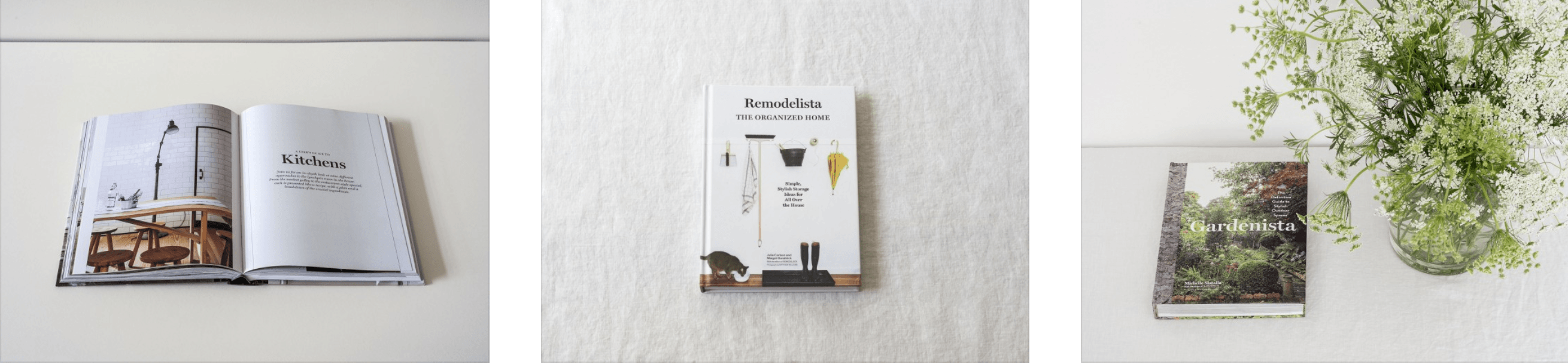
Remodelista is interiors and renovation logic. Gardenista is outdoor spaces and landscape thinking. The Organized Home is the glue that makes a house
feel like it functions. Together, they cover the reality of living: inside, outside, and the stuff you own in between.
4) Treat community features like an expert hotline (minus the awkward hold music)
If you have access to forums or community boards, use them. The most valuable renovation advice often comes from people who have
already made the mistake you’re about to makewho will happily save you with a single sentence like, “Don’t put the towel bar there.”
What we’re watching next (without turning your home into a trend hostage)
Design trends can be fun, but your house is not a TikTok. The best updates are the ones that age well:
smarter storage, better lighting, more durable materials, and choices that make daily life smoother.
Expect the Remodelista approach to keep leaning into:
thoughtful upgrades over flashy replacements, practical solutions for small spaces, and the kind of sourcing that blends classic shapes
with modern function. “Considered living” isn’t about perfection; it’s about reducing friction in your space so you can spend less time managing it.
Wrapping up: thank you for reading (seriously)
A Remodelista update is ultimately about protecting what readers come for: a design sourcebook that’s both aspirational and useful,
built for real homes and real budgets (even the budgets that are mostly wishful thinking right now).
If you’ve been here since the early daysthank you. If you found us yesterdaywelcome. Either way, the goal remains the same:
help you make better decisions, find better sources, and create a home that feels like you.
Experiences That Fit the “To Our Readers: Remodelista Update” Moment (About )
Every reader update is really a mirror held up to the way we live now. Home has become more than a backdropit’s an office, a gym, a restaurant,
a school, a sanctuary, and occasionally a place where you stand in the doorway holding a package and thinking, “I swear I didn’t order this,”
before remembering you absolutely did.
One of the most common Remodelista-style experiences is the “small upgrade, big relief” discovery. A reader swaps in better hooks by the front door
and suddenly mornings are calmer because bags, coats, and keys stop migrating to the floor like they’re trying to escape. Another reader replaces a harsh
overhead bulb with layered lightingone warm lamp, one sconce, one dimmerand says the room finally feels like it exhaled. These aren’t glamorous changes,
but they’re the kind you feel every day.
Then there’s the “renovation reality” experience: you begin with a simple plan (“we’ll just redo the backsplash”) and end up learning new vocabulary
(“lippage,” “scribe,” “lead time,” “why-is-this-backordered”). Remodelista readers tend to cope the same way: they research, they simplify, and they
make decisions that reduce regret. They choose timeless materials not because they’re boring, but because they want their future selves to be grateful.
Another shared experience is the slow shift from “more stuff” to “better stuff.” People reach a point where they’d rather buy one well-made stool than
three temporary stools that wobble like a newborn deer. They start caring about repairability, natural materials, and finishes that get prettier with age.
They become suspicious of anything described as “luxury” that weighs less than a paperback.
And yes, there’s the emotional experience of making a home feel personal when constraints are realrentals, small footprints, tight budgets, busy lives.
Readers learn to focus on the highest-impact moves: paint, lighting, textiles, and storage. They invest in pieces that travel well from one home to the next.
They get clever with vintage finds. They stop waiting for the “perfect” time to make things better and start choosing improvements that are reversible,
affordable, and deeply satisfying.
That’s why a Remodelista update matters. It’s not just about who owns what or how the site is fundedit’s about keeping a place alive where these
everyday design victories are celebrated. A place that treats your questions with respect, your home with seriousness (in a fun way), and your time as precious.
Because in the end, design isn’t a performance. It’s a support system. And the best updates are the ones that help you live a little betterstarting at home.