

Marketing used to mean buying a newspaper ad, mailing a stack of postcards, or hoping a catchy radio jingle would lodge itself in a customer’s brain forever. Today, a business can publish a video before breakfast, run a search campaign by lunch, and spend the afternoon wondering why one anonymous visitor clicked the “Buy Now” button seven times without buying anything.
The debate over traditional vs. internet marketing is often presented as a battle between an old-fashioned billboard and a smartphone. In reality, neither side deserves to be thrown into the marketing attic. Traditional marketing can create broad awareness, local credibility, and memorable physical experiences. Internet marketing offers precise targeting, rapid testing, interactive communication, and detailed performance data.
The right choice depends on the audience, product, budget, sales cycle, and business objective. For many organizations, the strongest strategy is not traditional or digital. It is a coordinated combination of both.
What Is Traditional Marketing?
Traditional marketing uses established offline channels to communicate with an audience. Common examples include television commercials, radio spots, newspaper and magazine advertisements, billboards, brochures, catalogs, direct mail, trade shows, sponsorships, and in-store promotions.
Most traditional media operates as one-to-many communication. A company develops a message, purchases placement, and sends that message to a large audience. Consumers may respond by visiting a store, calling a phone number, remembering the brand, or discussing the campaign with others.
Traditional advertising remains useful because customers still drive past signs, attend events, listen to radio programming, open mail, read printed material, and watch broadcast content. The U.S. Small Business Administration has also emphasized that traditional advertising can support trust and customer acquisition when it is thoughtfully included in a broader marketing plan.
Popular Traditional Marketing Channels
- Television: Broad reach, visual storytelling, and strong brand-building potential.
- Radio: Useful for regional campaigns, repeated exposure, and commuter audiences.
- Print advertising: Newspapers, magazines, community publications, and industry journals.
- Direct mail: Postcards, catalogs, coupons, letters, and promotional packages.
- Outdoor advertising: Billboards, transit signs, posters, and digital displays in public spaces.
- Events: Conferences, community activities, demonstrations, and trade shows.
What Is Internet Marketing?
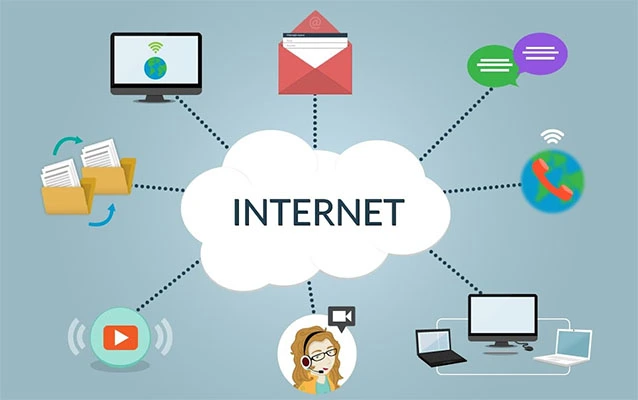
Internet marketing, commonly called digital marketing or online marketing, promotes brands through websites, search engines, email, social networks, mobile applications, online video, digital publications, and other connected platforms.
Unlike a static newspaper advertisement, an online campaign can change while it is running. Businesses can test different headlines, update an offer, pause an ineffective audience segment, or move the budget toward an advertisement that is producing sales. The American Marketing Association describes digital marketing as a dynamic process that includes tactics such as online advertising, search engine optimization, social media, content creation, and search marketing.
Popular Internet Marketing Channels
- Search engine optimization: Improving webpages so they can appear for relevant searches.
- Pay-per-click advertising: Purchasing advertisements on search engines and other platforms.
- Content marketing: Publishing articles, videos, guides, podcasts, and useful resources.
- Social media marketing: Building communities and promoting content on social platforms.
- Email marketing: Sending newsletters, offers, reminders, and automated customer messages.
- Influencer and affiliate marketing: Working with publishers or creators who already have an audience.
- Online video advertising: Reaching viewers through streaming platforms, connected television, and social video.
Internet marketing has become a major part of the U.S. advertising economy. IAB reported that American internet advertising revenue reached $258.6 billion in 2024, followed by further growth to nearly $300 billion in 2025.
Traditional vs. Internet Marketing: Key Differences
| Factor | Traditional Marketing | Internet Marketing |
|---|---|---|
| Communication | Usually one-way | Interactive and often two-way |
| Geographic reach | Frequently local or regional | Local, national, or global |
| Targeting | Based on placement and audience estimates | Based on searches, interests, behavior, location, and other signals |
| Measurement | Often estimated through surveys, codes, calls, or sales changes | Clicks, visits, leads, purchases, and other actions can be tracked |
| Speed | Longer production and placement timelines | Campaigns can launch or change quickly |
| Customer response | Usually delayed or indirect | Can be immediate |
| Physical presence | Strong, especially with mail, print, and events | Primarily screen-based |
Advantages of Traditional Marketing
It Can Build Broad Brand Awareness
Television, radio, outdoor advertising, and sponsorships can place a brand in front of large groups of people repeatedly. This is particularly valuable for companies selling products with broad appeal, such as groceries, vehicles, insurance, entertainment, or household services.
A billboard will not carefully analyze a driver’s browsing history. It simply stands beside the highway, confidently repeating the same message to everyone who passes. That lack of precision can be inefficient, but it can also create familiarity at scale.
Physical Materials Can Feel More Memorable
A printed catalog, well-designed postcard, or product sample gives customers something tangible. Physical material can remain in a home or office long after a digital advertisement disappears beneath a dancing-cat video.
Direct mail can be especially effective when it is targeted by neighborhood, customer status, household characteristics, or previous purchasing behavior. USPS industry research indicates that many retail businesses report direct-mail response rates in the 11% to 15% range, although results vary widely according to the list, offer, design, frequency, and method used to define a response.
It Can Strengthen Local Credibility
Local newspapers, community events, sports sponsorships, radio programs, and neighborhood mail campaigns can make a small business more visible within a specific market. A local contractor may receive more qualified calls from a carefully selected mail route than from a broad social campaign that attracts curious clicks from people living 600 miles away.
It Reaches People Outside Digital Platforms
Not every customer spends the same amount of time online or uses the same platforms. Social media habits vary substantially by age and platform, which means an internet-only strategy may underrepresent important customer groups.
Disadvantages of Traditional Marketing
The most obvious limitation is cost. Television production, premium outdoor placements, large print runs, postage, and event sponsorships may require significant upfront spending. Small businesses can use local versions of these channels, but changing a campaign after printing 20,000 brochures is difficult. The brochures have already made their decision.
Traditional campaigns can also be challenging to measure. Marketers may use dedicated phone numbers, promotional codes, vanity URLs, customer surveys, geographic sales comparisons, or controlled market tests. These methods provide useful evidence, but they do not always reveal every interaction that contributed to a purchase.
Targeting can also be broad. A radio program may reach the desired age group and region, but it may still deliver the advertisement to many listeners who have no interest in the product.
Advantages of Internet Marketing
Precise Audience Targeting
Online platforms allow marketers to reach audiences based on location, device, search intent, content interests, previous website activity, customer lists, and other permitted signals. A plumbing company can show a search advertisement to someone looking for an emergency plumber in a specific city instead of purchasing exposure to everyone reading a metropolitan newspaper.
Measurable Customer Actions
Internet marketing can connect advertisements to specific outcomes, including form submissions, phone calls, downloads, appointments, subscriptions, and purchases. Google Ads, for example, provides conversion measurement for actions users take after interacting with an advertisement. Attribution reports can also show the paths customers followed before completing a conversion.
This does not make digital attribution perfect. People change devices, reject tracking, purchase offline, share devices, or discover brands through several channels. Data offers a detailed map, but occasionally the map has coffee spilled on one corner.
Flexible Budgets and Rapid Testing
A company can begin with a limited budget, compare several messages, and increase spending after finding a productive combination. Marketers can test headlines, landing pages, images, calls to action, audiences, and offers without rebuilding the entire campaign.
Interactive Customer Relationships
Customers can comment, ask questions, share reviews, join communities, subscribe to newsletters, and communicate directly with a brand. This interaction can support customer service and loyalty, but it also means unhappy customers can publish their opinions before the marketing team has finished its first cup of coffee.
Access to Expanding Online Commerce
U.S. e-commerce continues to represent a substantial sales channel. The Census Bureau estimated seasonally adjusted U.S. retail e-commerce sales at $326.7 billion during the first quarter of 2026.
Disadvantages of Internet Marketing
Competition Is Intense
The relatively low barrier to entry means almost every competitor can publish content, buy search advertisements, send email, or create social campaigns. Popular keywords can become expensive, while organic search results may take months to improve.
Platforms and Algorithms Change
A company can build an audience on a social network and later discover that organic reach has declined, advertising costs have increased, or the platform’s recommended content format has changed. Businesses that depend completely on one platform are essentially renting their marketing headquarters from a landlord who enjoys rearranging the furniture.
Data Can Be Misinterpreted
Clicks, impressions, views, and followers are easy to celebrate, but they are not automatically revenue. A campaign can generate excellent engagement while attracting people who will never become customers. Meaningful digital marketing metrics should connect activity to business outcomes such as qualified leads, customer acquisition cost, sales, retention, and profit.
Email performance illustrates this challenge. Marketers may track opens, clicks, bounces, conversions, and unsubscribes, but privacy features can affect the accuracy of open-rate data.
Privacy and Compliance Require Attention
Businesses must handle advertising claims, endorsements, disclosures, customer information, and consent responsibly. The Federal Trade Commission makes clear that truth-in-advertising principles apply across media, including online advertising. Required disclosures should be clear, understandable, and placed where customers can notice them.
Which Marketing Method Costs Less?
Internet marketing is often less expensive to start, but it is not automatically cheaper over time. A basic social account costs little to create, yet producing high-quality content, hiring specialists, purchasing software, running advertisements, and maintaining a competitive website can become expensive.
Traditional marketing often requires a larger commitment before a campaign begins. However, a carefully targeted postcard campaign, local event, or radio partnership may outperform a poorly managed digital campaign.
The better question is not, “Which channel has the lowest price?” It is, “Which channel generates the highest profitable return from the customers we want?” A $10,000 campaign that creates $50,000 in profit is better than a $500 campaign that creates 8,000 clicks, three confused emails, and no sales.
How to Choose Between Traditional and Internet Marketing
Start With the Customer
Study how customers discover businesses, compare options, seek recommendations, and make purchases. A retirement community and a mobile gaming company are unlikely to use identical media plans, even if both marketing managers happen to enjoy podcasts.
Define the Campaign Objective
Brand-awareness campaigns may benefit from television, outdoor media, sponsorships, video, and social reach. Lead-generation campaigns may favor search advertising, landing pages, email, direct mail, and phone outreach. Customer-retention campaigns may rely on loyalty programs, newsletters, catalogs, personalized offers, and community events.
Consider the Sales Cycle
An inexpensive consumer product may convert after one advertisement. A commercial software platform, financial service, or major home renovation may require months of research and several interactions. The longer the decision process, the more important it becomes to coordinate multiple touchpoints.
Test on a Controlled Scale
Run a limited campaign before making a major commitment. Compare channels using consistent outcomes, such as cost per qualified lead, cost per sale, average order value, customer lifetime value, and contribution margin.
Why a Hybrid Marketing Strategy Often Wins
Customers do not separate their lives into neat offline and online compartments. Someone may notice a billboard, search for the brand, read online reviews, join an email list, receive a postcard, watch a video, and finally purchase in a store. The winning channel may be the combined sequence rather than the final click.
Nielsen’s marketing research has found that marketers often view social media, search, online video, and display advertising as effective for return on investment, while also emphasizing the value of cross-media planning in a fragmented environment.
Examples of Integrated Marketing
- A restaurant mails neighborhood coupons containing a QR code that opens an online reservation page.
- A home-services company runs local radio advertisements while purchasing search ads for its brand name.
- A retailer promotes an in-store event through email, social media, window signs, and direct mail.
- A manufacturer collects leads at a trade show and follows up through automated email campaigns.
- A billboard uses a memorable phrase that encourages people to search for the campaign online.
The American Marketing Association has similarly noted that traditional and digital channels can support one another rather than functioning as opposing strategies.
Practical Experiences: Lessons From Comparing Traditional and Internet Marketing
Businesses commonly learn that the apparent winner changes when the campaign objective changes. Internet marketing may produce faster lead data, while traditional marketing may create recognition that quietly improves the performance of later digital campaigns. Judging one channel solely by last-click conversions can therefore undervalue earlier exposure.
Experience One: Trackable Traditional Campaigns Perform Better
A frequent mistake is launching a print, radio, or direct-mail campaign without a measurement plan. Once the campaign ends, the business knows that sales changed but cannot confidently explain why.
Traditional campaigns become easier to evaluate when they include a dedicated phone number, campaign-specific landing page, QR code, memorable promotional code, or customer question such as, “How did you hear about us?” None of these methods captures every influence, but together they create useful evidence.
One practical lesson is to design measurement before designing the advertisement. Adding a tracking method after the brochures have been mailed is like installing a speedometer after the road trip.
Experience Two: Cheap Clicks Are Not Always Valuable
New digital advertisers are often attracted to campaigns generating unusually inexpensive traffic. The dashboard looks exciting, visitors arrive, and the cost-per-click number appears worthy of a small office celebration.
Then the sales team reports that the leads are outside the service area, looking for free information, or requesting products the company does not sell. The campaign optimized for clicks, and clicks are exactly what it delivered.
The lesson is to optimize for actions that reflect business value. A smaller group of high-intent visitors is usually more valuable than a stadium full of people who clicked because the picture looked interesting.
Experience Three: Repetition Matters in Both Worlds
A single advertisement rarely carries an entire marketing strategy. Traditional campaigns benefit from repeated placements, while digital campaigns often require several customer interactions across search, social media, email, video, and retargeting.
Repetition should reinforce recognition without becoming irritating. Sending one useful email each week can strengthen a customer relationship. Sending six nearly identical emails before breakfast may strengthen the customer’s relationship with the unsubscribe button.
Consistent visual identity, offers, tone, and positioning help each contact build upon the previous one. When online and offline materials look unrelated, customers may not realize they come from the same company.
Experience Four: Local Businesses Should Not Ignore Offline Reach
Internet marketing is powerful for local targeting, especially when customers actively search for a nearby service. However, community sponsorships, neighborhood mail, signage, local publications, and referral programs can establish a level of familiarity that online advertisements alone may struggle to create.
A local dental practice, restaurant, landscaping company, or real estate agency may benefit from being repeatedly seen in the physical community. When a need finally appears, the customer recognizes the name and searches for it online. In that situation, traditional marketing created demand while internet marketing captured it.
Experience Five: Owned Channels Provide Long-Term Stability
Businesses often regret depending too heavily on a single advertising platform. Costs rise, algorithms change, accounts encounter restrictions, and once-reliable traffic can decline. The practical response is not to abandon digital marketing but to build assets the company controls.
A useful website, permission-based email list, customer database, educational content library, recognizable brand, and reliable referral network reduce dependence on any single channel. Traditional media can bring people into these owned systems, while internet marketing can nurture the relationship over time.
Experience Six: The Best Channel Mix Is Usually Discovered Through Testing
No universal percentage dictates how much every business should spend online or offline. A direct-to-consumer store may invest heavily in search, social video, email, and affiliates. A regional healthcare provider may prioritize community outreach, outdoor advertising, local media, search visibility, and reputation management.
Successful channel selection is an ongoing process. Begin with a clear hypothesis, establish measurable outcomes, run a controlled test, evaluate customer quality, and improve the next campaign. Marketing becomes less mysterious when each campaign is treated as an experiment rather than a ceremonial offering to the advertising gods.
Conclusion
The comparison between traditional and internet marketing does not produce one permanent winner. Traditional channels can deliver physical impact, local credibility, memorable exposure, and broad awareness. Internet marketing offers flexible budgets, detailed targeting, rapid optimization, interactive communication, and stronger measurement capabilities.
The smartest strategy begins with customer behavior and business objectives rather than loyalty to a particular medium. Use traditional marketing when physical presence, community visibility, or mass awareness matters. Use internet marketing when precise targeting, immediate response, testing, and measurable conversions are priorities.
Most importantly, connect the channels. A customer who sees a sign today may search tomorrow, subscribe next week, and buy next month. When every touchpoint delivers a consistent message, traditional and digital marketing stop competing and start working as a team.