

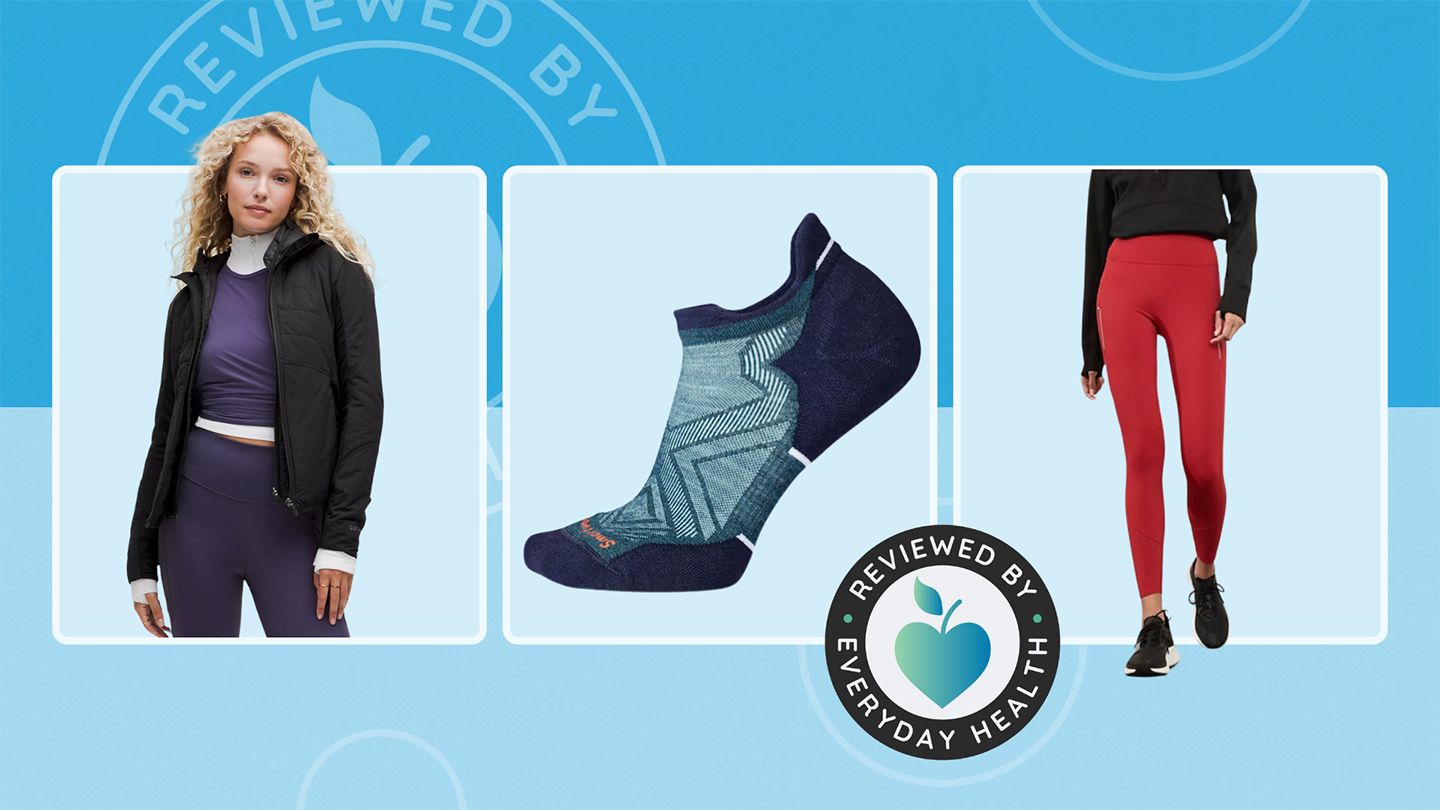
Winter running has a funny way of turning reasonable adults into weather negotiators. You stand by the door, dressed like a cautious onion, checking the wind chill for the fifth time and asking yourself whether eight miles is a noble fitness goal or a cry for help. The truth is simple: cold-weather running is rarely ruined by cold alone. It is ruined by soggy cotton, numb fingers, poor traction, invisible clothing, and that one jacket that somehow makes you feel both frozen and steamed like broccoli.
That is why choosing the best winter running gear matters. The right setup keeps you warm without overheating, dry without feeling wrapped in plastic, visible on dark roads, and upright when sidewalks become suspiciously shiny. For 2025, our favorite winter running gear is not about buying the most expensive outfit in the store. It is about building a practical kit: sweat-wicking base layers, insulated but breathable tights, weather-resistant jackets, dependable gloves, wool socks, grippy footwear, traction devices, and smart visibility accessories.
After comparing current expert recommendations, real-world runner feedback, and cold-weather safety guidance, we narrowed the essentials to the gear that actually earns its place on a freezing morning. Here is the winter running gear we would reach for when the forecast looks unfriendly and the couch looks dangerously persuasive.
How We Chose Our Favorite Winter Running Gear
The best winter running gear of 2025 had to pass one important test: would we actually use it when it is dark, windy, and cold enough to make the mailbox look far away? We prioritized pieces that solve real winter problems rather than gear that only looks heroic in product photos.
Our criteria included warmth, breathability, moisture management, freedom of movement, weather protection, durability, visibility, storage, comfort, and value. We also looked for gear that works across different winter conditions, from mild 40-degree jogs to snowy long runs and icy neighborhood loops.
The Golden Rule: Dress Like It Is Warmer Than It Is
One of the most useful rules for cold-weather running is to dress as if it is about 10 to 20 degrees warmer than the thermometer says. You should feel slightly chilly when you step outside. If you feel perfectly cozy before the first stride, there is a good chance you will be sweating like a casserole by mile two.
The magic formula is layering. A base layer moves sweat away from your skin. A mid-layer adds warmth. An outer layer blocks wind, rain, or snow. This system lets you adjust depending on temperature, wind, pace, and personal heat level. Some runners are portable furnaces. Others have fingers that file a complaint at 45 degrees. Your winter running outfit should respect your biology, not your ego.
Best Base Layer: Merino or Technical Synthetic Long Sleeve
A winter running base layer is the quiet hero of the whole outfit. It sits next to your skin, handles sweat, and prevents that clammy chill that makes you regret every life choice. Cotton is not invited to this party. Cotton absorbs moisture and stays wet, which can make you cold fast once the wind shows up.
For 2025, our favorite base layers are lightweight merino wool tops and snug synthetic performance shirts. Merino wool is warm, naturally odor-resistant, and comfortable over longer runs. Technical synthetic fabrics, such as polyester blends, usually dry faster and feel smoother for high-intensity workouts.
What to Look For
- Sweat-wicking fabric that dries quickly
- A close fit without feeling restrictive
- Flat seams to reduce chafing
- Thumbholes for extra wrist coverage
- A quarter-zip option for ventilation
Good examples include Smartwool-style merino quarter-zips, Tracksmith-style seamless base layers, Nike Dri-FIT cold-weather tops, and Brooks technical long sleeves. The exact brand matters less than the fabric and fit. If the shirt keeps you dry and does not turn into a frozen sponge, it is doing its job.
Best Winter Running Jacket: Wind-Resistant, Light, and Breathable
A winter running jacket should protect you from wind and light precipitation without trapping so much heat that you create your own weather system. Many runners make the mistake of choosing a thick insulated coat. That might feel great during a walk, but during a run it can become a mobile sauna with sleeves.
For most winter runs, a lightweight wind-resistant jacket or weather-resistant shell is more useful than a bulky parka. Look for breathable panels, a two-way zipper, secure pockets, reflective details, and enough room to layer underneath. Water-repellent fabric is helpful for mist, flurries, and light rain, but truly waterproof jackets can feel less breathable during hard efforts.
Our Favorite Jacket Features
- Wind protection on the chest and arms
- Ventilation under the arms or across the back
- A slim hood that does not become a parachute
- Zippered pockets for keys, gels, or gloves
- Reflective trim for early morning and evening runs
For mild winter days, a thin shell over a base layer may be enough. For below-freezing runs, pair the shell with a thermal mid-layer. The goal is not to defeat winter through brute force. The goal is to outsmart it, preferably without sounding like a crinkly snack bag.
Best Running Tights: Thermal Without the Bulk
Winter running tights should be warm, flexible, and secure. The best ones feel supportive without squeezing your legs into submission. Fleece-lined tights are excellent for cold mornings, while thinner sweat-wicking tights work better for faster workouts or milder weather.
Look for ankle coverage, a wide waistband, pockets, and fabric that moves easily through the hips and knees. Wind-resistant panels on the front can be a major upgrade in exposed areas. If you run in snow or slush, darker colors and durable outer fabric are practical because winter roads are not known for their cleanliness or manners.
Best Uses
- Lightweight tights: 35 to 45 degrees or faster workouts
- Thermal tights: Freezing temperatures and easy runs
- Wind-panel tights: Open roads, bridges, and blustery routes
- Water-resistant tights: Slushy sidewalks and wet snow
Nike, Brooks, Athleta, lululemon, Craft, and FlipBelt-style thermal tights all have useful cold-weather options. The winner is the pair you can run in without adjusting the waistband every three blocks like you are negotiating a treaty.
Best Gloves and Mittens: Protect the Fingers First
Cold fingers can ruin a run faster than a surprise hill. Running gloves should be warm, breathable, and easy to use with a watch or phone. Thin liner gloves work well in cool weather, insulated gloves handle freezing runs, and mittens are best when temperatures drop hard.
Many winter runners prefer convertible gloves: part glove, part mitten, part tiny sleeping bag for your hands. These let you expose your fingers when you need dexterity and cover them again when the wind starts acting personal.
What to Look For
- Wind-resistant outer fabric
- Moisture-wicking lining
- Touchscreen-compatible fingertips
- Reflective details
- A soft nose-wipe panel, because winter is glamorous
Smartwool fleece gloves, Brooks thermal gloves, Craft hybrid mittens, and similar insulated designs are all strong choices. If your hands run cold, bring chemical hand warmers on long runs. It is not weakness. It is strategy.
Best Winter Running Hat, Headband, or Balaclava
Your headwear choice depends on temperature, wind, and how hot you run. A lightweight merino beanie is ideal for cold but dry days. A fleece headband works well when your ears need protection but your head overheats easily. A balaclava or neck gaiter becomes useful when wind chill turns your face into a weather report.
Merino wool and synthetic fleece are both excellent materials because they retain warmth while managing moisture. Avoid thick cotton hats, which can soak up sweat and become cold. For long hair, ponytail-compatible beanies and headbands are not a luxury; they are a small engineering miracle.
Best Socks: Wool Blend, Ankle Coverage, No Gaps
Winter running socks deserve more respect. A tiny strip of exposed ankle between tights and shoes can feel like a personal attack from the atmosphere. Choose wool-blend or synthetic socks that rise high enough to meet your tights.
Merino wool socks are popular because they insulate, wick moisture, and resist odor. Cushioning is personal: some runners like thick socks for warmth, while others prefer thinner socks to preserve shoe fit. Just remember that overly thick socks can make shoes tight, which may reduce circulation and leave your toes colder.
Best Winter Running Shoes: Grip, Protection, and Confidence
Winter shoes should match your surface. For dry roads, your usual running shoes may work fine. For snow, mud, and mixed trails, choose shoes with deeper lugs and a more protective upper. For wet, slushy conditions, a water-resistant or Gore-Tex-style upper can help, though waterproof shoes may feel warmer and less breathable.
Trail models like Salomon Speedcross-style shoes are popular for snow because aggressive lugs bite into soft surfaces. Saucony Peregrine-style trail shoes are another common winter pick for runners who want traction without a boot-like feel. For road runners, the key is outsole grip and enough room for slightly warmer socks.
When Waterproof Shoes Make Sense
- Slush, wet snow, or cold rain
- Short to moderate runs where breathability is less critical
- Routes with puddles, snowbanks, or messy shoulders
When conditions are dry and cold, breathable shoes with warm socks may feel better. Waterproof footwear is useful, but it cannot save you if snow enters through the ankle. Winter always looks for loopholes.
Best Traction Device: Spikes for Ice, Lugs for Snow
If your route includes ice, traction devices are not optional decoration. They can be the difference between a steady run and an unplanned reenactment of a cartoon banana peel scene. Pull-on devices such as Kahtoola NANOspikes, EXOspikes, MICROspikes, Black Diamond Distance Spike, and Yaktrax-style options all serve different surfaces.
For icy pavement, low-profile studs are usually best because they feel less awkward on roads. For mixed snow, ice, and trail, deeper spikes or lugged traction devices provide more bite. For steep mountain terrain, more aggressive spikes are safer, though they may feel clunky on bare pavement.
Traction Tips
- Use low-profile studs for icy roads and sidewalks
- Use deeper spikes for packed snow and trails
- Avoid wearing spikes indoors on slick floors
- Shorten your stride and increase cadence on slippery routes
Winter traction gear does not make you invincible. It simply improves the odds. You still need to slow down, watch corners, and treat shiny patches with the suspicion they deserve.
Best Visibility Gear: Headlamps, Reflective Vests, and Lights
Winter running often means running in the dark. Visibility gear is essential, especially near traffic, snowbanks, and low-light intersections. A good headlamp helps you see potholes, ice, uneven pavement, and the occasional mystery object that turns out to be a leaf but looked emotionally threatening from a distance.
For 2025, a running headlamp with 300 to 600 lumens is enough for most road and light trail runs. The Black Diamond Sprinter 500-style headlamp is a strong example because it balances front lighting with rear visibility. For technical trails or very dark routes, brighter lamps with longer battery life may be worth the upgrade.
Reflective vests, LED chest lights, clip-on strobes, and lighted harnesses are also smart additions. The best visibility setup lets drivers see you from multiple angles. Bright clothing helps, but reflective and active lighting are better when headlights sweep across you.
Best Hydration Gear: Do Not Forget to Drink
Cold air can trick runners into drinking less, but winter running still causes fluid loss through sweat and breathing. For short runs, you may not need much. For long runs, carry a soft flask, hydration belt, or vest. In freezing conditions, keep bottles close to your body, blow air back into hydration tubes, or use insulated sleeves to reduce freezing.
Electrolytes still matter in winter, especially for long runs, heavy sweaters, or marathon training blocks. Your body does not stop needing fluids just because your face is cold.
Best Winter Running Accessories Worth Packing
A few small accessories can make winter running much easier. A neck gaiter protects your face from wind and can be pulled down when you warm up. Anti-chafe balm helps prevent irritation from extra layers. Sunglasses shield your eyes from snow glare and wind. A waterproof phone pouch protects your device from sweat, sleet, and the mysterious dampness that appears in every winter pocket.
For longer runs, carry identification, a phone, and a small emergency layer. Winter conditions can change quickly, and walking home after a rolled ankle feels much colder than running out with heroic confidence.
Winter Running Safety: When to Take It Indoors
Good gear helps, but it does not cancel common sense. Extreme wind chill, freezing rain, poor visibility, heavy ice, and dangerously low temperatures are all valid reasons to run indoors. Frostbite most often affects exposed areas such as fingers, toes, ears, cheeks, nose, and chin. Numbness, tingling, waxy skin, confusion, dizziness, or uncontrolled shivering are warning signs to stop and get warm.
There is no medal for finishing a run that should have been a treadmill day. Winter fitness is built through consistency, not by arguing with a blizzard and losing.
Our Favorite Winter Running Gear Setup for 2025
For a typical cold-weather run around 25 to 35 degrees, our go-to outfit looks like this: a sweat-wicking long-sleeve base layer, thermal running tights, wool socks, regular running shoes or trail shoes depending on surface, light gloves, a merino headband, and a wind-resistant jacket. Add a headlamp and reflective vest if it is dark.
For colder runs below 20 degrees, we add a warmer mid-layer, insulated mittens, a beanie or balaclava, thicker socks, and traction if the ground is icy. For wet snow or slush, we choose water-resistant shoes and a shell with better weather protection.
The best kit is modular. You should be able to add or remove pieces without rebuilding your entire wardrobe. Think of it as a running toolbox, not a costume.
Field Notes: Real Experiences From Winter Running Gear Testing
The biggest lesson from testing winter running gear is that the first mile lies. It tells you that you are underdressed, that your hands will never recover, and that turning around would be a wise and mature decision. Then, somewhere between eight and twelve minutes in, your body warms up and suddenly the outfit makes sense. That is why the best gear often feels slightly too light at the start.
On easy neighborhood runs, the most valuable pieces were not the flashiest ones. A good base layer and gloves made the biggest difference. When the shirt handled sweat well, the whole run felt better. When the gloves failed, every mile became a finger-focused drama. We also learned that a simple headband can be better than a thick hat for tempo runs because it protects the ears without trapping too much heat.
Traction devices were the confidence boosters of the bunch. On icy sidewalks, low-profile spikes made the stride feel more relaxed. They did not make it smart to sprint corners, but they reduced that stiff, careful shuffle that turns a run into a penguin audition. On snowy trails, deeper lugs and trail shoes felt far more natural than road shoes. The difference was not subtle. It was the difference between running and negotiating.
Visibility gear also became non-negotiable. A reflective vest felt slightly dorky for about ten seconds, then extremely sensible when cars approached. A headlamp with rear visibility was especially useful on dark roads. It helped with footing, but it also created peace of mind. Winter drivers have enough to process with foggy windows, snowbanks, and early sunsets. Make yourself obvious.
The most overrated item was the heavy jacket. A thick, insulated jacket felt wonderful while standing still, then became too warm once running. A lighter shell with smart layering underneath worked better in most conditions. The same applied to socks: warmer is not always better if the sock makes the shoe tight. Circulation matters.
The best overall experience came from dialing in combinations by temperature. Around 40 degrees, light tights and a long sleeve were plenty. Around freezing, thermal tights, gloves, and a wind shell felt right. Below 20 degrees, mittens, warmer headwear, and a mid-layer became worth it. Once we stopped trying to use one outfit for every winter run, comfort improved immediately.
Winter running will never feel exactly like a sunny spring jog, and that is part of its weird charm. The right gear makes the cold manageable, the dark less intimidating, and the miles surprisingly satisfying. Plus, when you get home from a winter run, you feel like a disciplined athlete and a minor weather survivor. That is a powerful combination.
Conclusion
The best winter running gear of 2025 is practical, layered, visible, and adaptable. Start with a moisture-wicking base layer, add thermal tights or joggers, choose a breathable jacket, protect your hands and ears, wear wool-blend socks, match your shoes to the surface, and use traction when ice enters the chat. Do not forget lights and reflective gear, especially during short winter days.
Most importantly, remember that winter running gear should make you feel confident enough to get outside, not so bundled that you overheat before the first hill. Build your kit piece by piece, test it in familiar conditions, and adjust based on how your body responds. With the right setup, winter running becomes less of a punishment and more of a secret seasonquiet roads, crisp air, and the smug little joy of doing something hard before breakfast.
Note: Product names, availability, and prices can change. Before publishing, review current stock and pricing if you plan to add shopping links or affiliate buttons.