

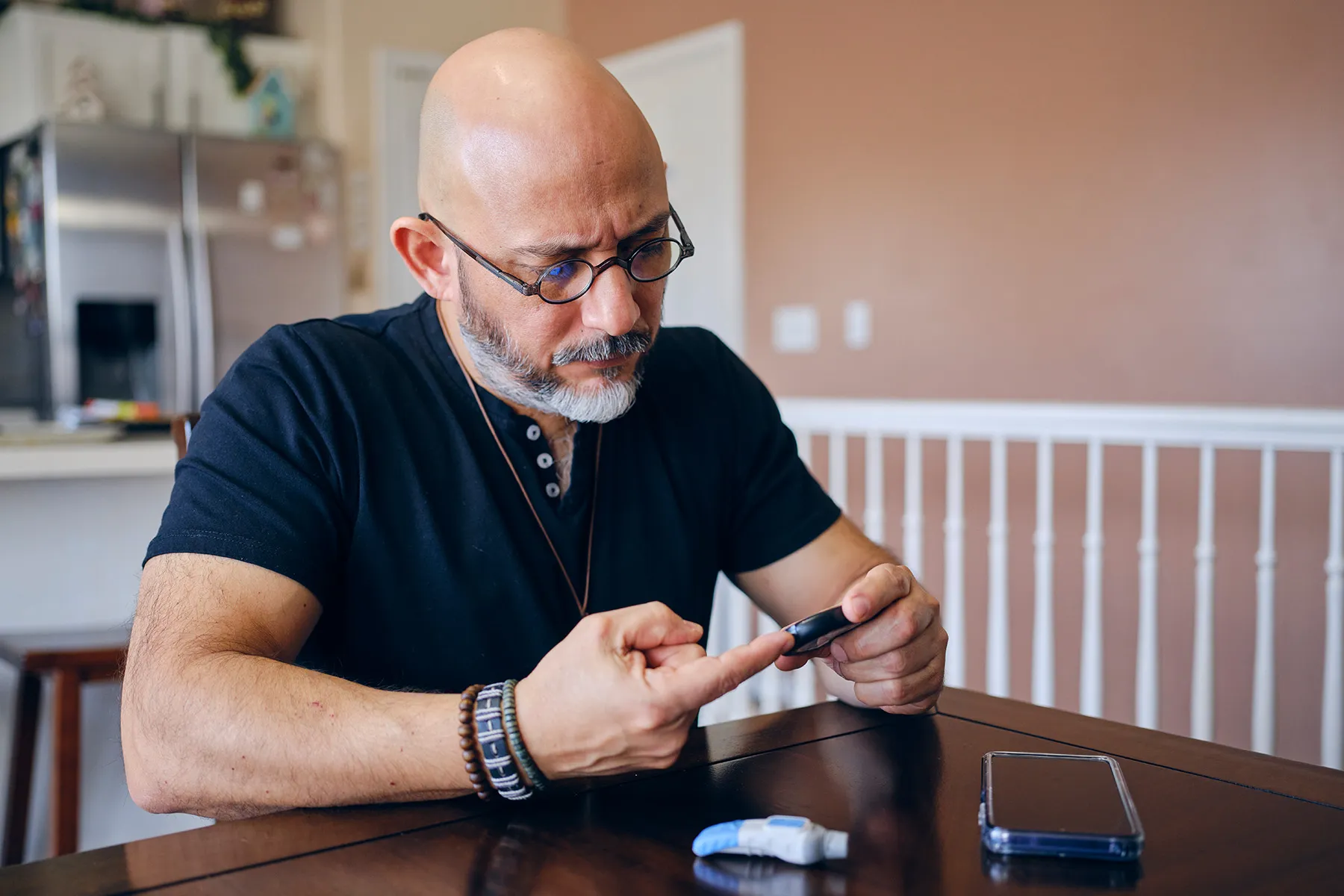
Type 2 diabetes treatment is not a prescription carved into stone. It is closer to a well-used navigation app: the destination matters, but the route may change when your health, schedule, budget, medications, or priorities change.
Some people begin with nutrition and physical activity changes. Others need medication immediately. Over time, the same person may add a drug, reduce a dose, start insulin, use a continuous glucose monitor, or simplify everything to prevent low blood sugar. None of these changes means the person has “failed.” Type 2 diabetes often progresses because the pancreas may gradually produce less insulinnot because someone lacked willpower or offended the carbohydrate police.
The best plan controls blood glucose while also protecting the heart, kidneys, eyes, nerves, and quality of life. That requires regular review and a willingness to adapt.
Why Type 2 Diabetes Treatment Must Be Personalized
Type 2 diabetes develops when the body does not use insulin effectively and, over time, may not produce enough insulin to keep blood glucose in a healthy range. Although people share the same diagnosis, their treatment needs can be remarkably different.
A healthcare professional may consider the following when designing or updating a diabetes management plan:
- Current A1C and daily glucose patterns
- Age, overall health, and expected treatment benefits
- Heart failure, cardiovascular disease, or chronic kidney disease
- Weight-management goals
- Risk of hypoglycemia, or dangerously low blood sugar
- Medication side effects and interactions
- Pregnancy plans or pregnancy
- Cost, insurance coverage, and medication availability
- Work schedules, eating patterns, culture, and personal preferences
Your A1C Goal Is a Target, Not a Moral Score
A1C estimates average blood glucose over roughly two to three months. A goal below 7% is common for many nonpregnant adults, but it is not universal. A tighter goal may suit someone who can reach it safely, while a less aggressive goal may be appropriate for an older adult, someone with multiple medical conditions, or a person at high risk of severe hypoglycemia.
A1C also tells only part of the story. Two people can have the same result while experiencing very different highs, lows, and after-meal spikes. Anemia, kidney disease, blood loss, and certain hemoglobin conditions can also make A1C less reliable. Finger-stick readings or continuous glucose monitor data may provide valuable context.
Build the Plan on Sustainable Daily Habits
Medication can be essential, but it works best when supported by habits a person can maintain. “Sustainable” is the important word. A technically perfect routine that lasts nine miserable days is less useful than a practical routine that survives vacations, deadlines, and the mysterious appearance of birthday cake in the office kitchen.
Choose an Eating Pattern That Fits Your Life
There is no single official “diabetes diet.” Mediterranean-style, plant-forward, lower-carbohydrate, DASH, and other balanced eating patterns can all work when they emphasize nutrient-rich foods and appropriate portions.
A simple plate method is a useful starting point: fill half the plate with nonstarchy vegetables, one-quarter with protein, and one-quarter with a carbohydrate food such as beans, fruit, brown rice, or another whole grain. Water or an unsweetened beverage can replace sugar-sweetened drinks.
Carbohydrates do not have to disappear. Their amount, type, and pairing matter. For example, a large bowl of refined cereal may raise glucose quickly, while oatmeal served with nuts and eggs usually provides more fiber, protein, and staying power. A registered dietitian or diabetes care and education specialist can adapt meal planning to cultural foods, food access, kidney needs, and personal preferences.
Use Movement as MedicineWithout Treating It as Punishment
Many adults benefit from working toward at least 150 minutes of moderate aerobic activity per week, spread over several days, plus resistance training two or three times weekly. Short walks after meals can be especially practical. Breaking up long periods of sitting also helps muscles use glucose.
People who are inactive, have foot problems, use insulin, or have heart, eye, or nerve complications should ask how to exercise safely. Insulin and certain pills, particularly sulfonylureas, can cause hypoglycemia during or after activity. Medication timing, glucose checks, or carbohydrate intake may need adjustment.
Sleep, stress management, smoking cessation, and emotional health belong in the plan too. Chronic sleep loss and diabetes distress can make glucose management harder, even when someone is “doing everything right.”
Match Diabetes Medication to the Bigger Health Picture
Modern type 2 diabetes treatment is not simply a ladder that begins with one drug and climbs in a fixed order. Medication choices may prioritize glucose lowering, weight management, heart and kidney protection, affordability, or a combination of these goals.
Metformin
Metformin remains a common starting medication because it is effective, widely available, inexpensive, and unlikely to cause hypoglycemia by itself. It primarily reduces glucose production by the liver and improves insulin sensitivity.
Nausea, diarrhea, or abdominal discomfort may occur, particularly when treatment begins. Starting with a low dose, taking it with food, or using an extended-release version may help. Kidney function must be considered, and long-term use can contribute to vitamin B12 deficiency in some people.
GLP-1 and Dual GIP/GLP-1 Medicines
GLP-1 receptor agonists and dual GIP/GLP-1 medicines can lower A1C substantially and often support meaningful weight loss. Certain drugs in this group also reduce cardiovascular risk, and specific products have evidence or approved uses related to kidney protection.
Common drawbacks include nausea, vomiting, constipation, diarrhea, cost, and limited availability. Doses are usually increased gradually to improve tolerability. These medicines are not appropriate for everyone, so clinicians review personal and family medical history, digestive symptoms, gallbladder concerns, and other risk factors before prescribing them.
SGLT2 Inhibitors
SGLT2 inhibitors help the kidneys remove excess glucose through urine. Beyond lowering blood sugar, certain members of this class can reduce heart-failure hospitalization and slow chronic kidney disease progression. These protective effects can make an SGLT2 inhibitor a priority for someone with heart failure or kidney disease, even when A1C is near goal.
Possible side effects include genital yeast infections, increased urination, dehydration, and a rare but serious form of diabetic ketoacidosis that may occur without dramatically high glucose. People taking these drugs need individualized sick-day, fasting, and surgery instructions.
Other Oral Medicines
DPP-4 inhibitors are generally weight-neutral and carry a low hypoglycemia risk when used without insulin or a sulfonylurea, although their glucose-lowering effect is usually modest. Sulfonylureas are effective and often affordable, but they can cause low blood sugar and weight gain. Thiazolidinediones may be inexpensive and improve insulin sensitivity, yet fluid retention, weight gain, fracture risk, and heart-failure concerns can limit their use.
The “best” medicine is therefore not always the newest one. A drug that a person can afford, tolerate, and take consistently may outperform a glamorous prescription that remains at the pharmacy because the copay requires its own financing department.
Insulin
Insulin may be needed when glucose is very high, symptoms are significant, other medicines are insufficient, or the pancreas no longer makes enough insulin. It may be temporary during illness or surgery, or it may become a long-term treatment.
Starting insulin is not evidence of failure. It is a response to biology. A plan might begin with one daily dose of long-acting insulin and become more detailed only if necessary. Because insulin can cause hypoglycemia and weight gain, education about dosing, meals, monitoring, injection technique, and low-glucose treatment is essential.
Use Monitoring to Learn, Not to Judge
Glucose data should answer useful questions. Does breakfast cause a large rise? Is exercise producing an overnight low? Did the new medication improve fasting readings? Numbers are information, not report cards.
People using insulin often need frequent monitoring. Others may check at selected times to evaluate symptoms, meals, activity, illness, or a medication change. A continuous glucose monitor can reveal trends, alerts, and time in range, although access and insurance coverage vary.
A1C is often checked about every three months while treatment is changing or goals are not being met. Testing may be less frequent when results are stable. The medication plan should be reviewed regularly rather than allowing an ineffective regimen to continue indefinitely.
Signs the Treatment Plan May Need Adjustment
- A1C or glucose readings remain above the agreed target.
- Low blood sugar occurs repeatedly or without warning.
- A medicine causes persistent or serious side effects.
- Kidney function, heart health, weight, or another condition changes.
- The regimen is too complicated to follow consistently.
- Medication cost causes skipped doses or delayed refills.
- Work, travel, fasting, exercise, or eating schedules change.
Never stop insulin or make major medication changes without guidance. Instead, bring glucose records, medication bottles, questions, and an honest description of what is difficult to the appointment. Clinicians cannot troubleshoot a problem they do not know exists.
Treat More Than Blood Sugar
Comprehensive diabetes care includes blood pressure and cholesterol management, kidney tests, eye examinations, foot care, dental care, vaccinations, and support for quitting tobacco. Depending on individual risk, medications for blood pressure, cholesterol, kidney protection, or cardiovascular prevention may be as important as glucose-lowering therapy.
Weight management can also be a treatment goal rather than a side project. Even modest weight loss may improve insulin sensitivity, glucose, blood pressure, and triglycerides. Greater sustained weight loss can sometimes produce type 2 diabetes remission, meaning glucose remains below the diabetes threshold without glucose-lowering medication for a defined period. Remission is not a permanent cure, however, and ongoing monitoring remains necessary.
Metabolic or bariatric surgery may be considered for eligible people with type 2 diabetes and obesity. The decision requires careful assessment, long-term nutritional follow-up, and a clear discussion of benefits and risks.
Experiences That Show Why Treatment Plans Change
The following composite scenarios reflect common treatment experiences rather than the stories of specific patients. They illustrate how practical needs can reshape an otherwise sound medical plan.
Experience One: When “Healthy Eating” Is Too Vague
Imagine Daniel, who leaves his first diabetes appointment with instructions to eat better and exercise. He genuinely tries, but “better” becomes a daily debate with his refrigerator. He skips breakfast, eats a tiny salad for lunch, becomes ravenous by late afternoon, and then eats a large dinner. His fasting readings improve slightly, but his evening glucose remains high.
A dietitian helps Daniel replace vague restriction with structure. He adds a protein-and-fiber breakfast, packs a lunch he actually enjoys, and takes a 15-minute walk after dinner. He still eats rice, but adjusts the portion and pairs it with vegetables and protein. The plan feels less dramatic, yet it works better because he can repeat it. The lesson is simple: a realistic system beats a heroic Monday.
Experience Two: When the Lowest A1C Is Not the Safest Goal
Maria is an older adult taking a sulfonylurea. Her A1C looks excellent, but she has begun feeling shaky before lunch and recently became confused while grocery shopping. Glucose checks reveal repeated lows.
Her clinician raises her glucose target slightly and changes the medication plan to reduce hypoglycemia risk. Maria initially worries that a higher A1C means her health is worsening. In reality, the revised goal better protects her from falls, accidents, and severe low blood sugar. Effective treatment is not a competition to produce the smallest laboratory number. Safety and independence count too.
Experience Three: When Heart or Kidney Health Changes the Priority
Andre has an A1C close to his target while taking metformin, but testing shows chronic kidney disease and albumin in his urine. His clinician discusses adding a medicine with kidney and cardiovascular benefits. Andre wonders why he needs another drug when his glucose “is not that bad.”
The explanation changes his perspective: diabetes medications can be selected for organ protection, not only for A1C reduction. The new plan also includes kidney monitoring, blood pressure treatment, and clear instructions for illness and dehydration. His care has expanded from glucose management to risk reduction.
Experience Four: When Cost Becomes a Medical Issue
Keisha receives a prescription with excellent clinical evidence but a painful monthly copay. Embarrassed, she stretches each refill and misses doses. Her clinician assumes the medicine is ineffective and considers increasing treatment.
Once Keisha explains the cost problem, the team checks insurance alternatives, manufacturer assistance, generic options, and lower-cost combinations. The revised regimen may not be the first theoretical choice, but it is affordable enough to take consistently. Cost is not an administrative footnote; it can determine whether treatment exists outside the prescription pad.
The Shared Lesson
These experiences show why adapting a type 2 diabetes treatment plan is normal. Glucose patterns change. Bodies change. Priorities change. A useful plan responds without blame.
Regular monitoring, shared decision-making, and honest conversations help treatment evolve safely. The goal is not to build the most impressive regimen. It is to create one that protects long-term health while remaining workable on an ordinary Tuesdaythe day when most diabetes care actually happens.
Note: This article provides general educational information and does not replace individualized medical advice. Seek urgent care for severe confusion, fainting, trouble breathing, persistent vomiting, signs of diabetic ketoacidosis, or severe blood glucose changes. Medication doses should be changed only with guidance from a qualified healthcare professional.