

Labor contractions are one of those things everyone talks about, yet nobody describes quite the same way. One person says they felt like bad period cramps. Another says it was a wave starting in the back and wrapping around the belly like a determined boa constrictor. Someone else says, “Honestly? It felt like my uterus had a meeting and forgot to send me the agenda.”
That is the tricky truth: contractions are real, powerful, and often very different from one pregnancy to another. But there are patterns. Some contractions are practice runs. Some are warm-up rounds. Some are the real headline act. And some happen after birth, when you thought your uterus had surely clocked out for the day.
If you are wondering what labor contractions feel like, how the different types compare, and when it is time to call your provider, this guide breaks it all down in plain English. No drama, no mystery, and no “you’ll just know” hand-waving.
What Is a Contraction, Exactly?
A contraction is when the muscles of the uterus tighten and then relax. During true labor, these contractions help the cervix thin out and open, and they help move the baby downward through the birth canal. In other words, they are not random discomfort with a flair for chaos. They are part of a very organized biological job.
That said, not every tightening means labor has officially begun. Pregnant people can feel contractions in the second or third trimester that are uncomfortable but not actually changing the cervix. That is why knowing the types of labor contractions matters so much.
What Do Contractions Feel Like?
There is no single universal sensation, but many people describe contractions as:
- Strong menstrual cramps
- A band of tightness across the abdomen
- Back pain that moves toward the front
- A wave that builds, peaks, and fades
- Pelvic pressure or downward pushing
- Cramping with a squeezing or hardening belly
Early contractions may feel manageable and irregular. As labor progresses, they usually become stronger, longer, closer together, and harder to ignore. In active labor, many people need to stop talking and focus through each contraction. In transition, the sensation can become intense enough that the phrase “I changed my mind” may enter the chat.
Types of Labor Contractions
1. Braxton Hicks Contractions
Braxton Hicks contractions are often called practice contractions. They can happen in the second half of pregnancy and are usually irregular. They may feel like a tightening or hardening in one area of the belly, mild cramping, or pressure that comes and goes.
What makes Braxton Hicks different from real labor is that they do not steadily intensify. They do not become more regular, and they often ease up if you rest, drink water, change positions, or empty your bladder. Think of them as your uterus stretching before the big game, not the actual kickoff.
2. Prodromal Labor Contractions
Prodromal labor is the frustrating middle child of contractions. It can feel a lot like real labor, but it does not lead to consistent cervical change. These contractions may be stronger than Braxton Hicks and can seem annoyingly convincing. They may come at regular intervals for a while and then fade out.
People often describe prodromal labor as emotionally exhausting because it gets hopes up. It can happen in the last days or weeks before true labor. The sensation may be real, uncomfortable, and tiring, but the pattern does not keep building in the way true labor usually does.
3. Early Labor Contractions
Early labor contractions are when things start getting serious, but not yet cinematic. These contractions often begin as mild to moderate cramps or tightening. Some people feel them mostly in the lower abdomen. Others feel them in the lower back. They may last around 30 to 45 seconds at first and can be spaced far apart.
This stage can be long, especially for first-time parents. You may still be able to talk, walk, snack, fold tiny baby clothes, or wonder whether this is really happening. The key change is pattern. Unlike Braxton Hicks, early labor contractions tend to become more regular over time.
4. Active Labor Contractions
Active labor contractions are stronger, longer, and closer together. This is usually the point where labor stops being a background inconvenience and becomes the main event. These contractions often last about 45 to 60 seconds or more and may come every three to five minutes.
People often describe active labor contractions as deep, intense pressure, powerful cramping, or a wave that starts in the back and moves forward. You may need to pause what you are doing, breathe through them, sway, lean, or grip a pillow like it owes you money.
5. Transition Contractions
Transition is the most intense part of the first stage of labor, just before pushing begins. These contractions are often close together, strong, and demanding. They can last 60 to 90 seconds, with less rest between them.
Many people feel shaking, nausea, rectal pressure, back pain, and an overwhelming urge to focus inward. Emotionally, transition can feel like a wall. Physically, it can feel like the pressure and intensity have both turned up at once. This is often the stage where people say, “I cannot do this,” which is ironic because it usually means they are doing it right then and there.
6. Pushing Contractions
Once the cervix is fully dilated, contractions shift from opening to moving the baby down and out. Pushing contractions may still be painful, but many people say the sensation changes. Instead of only cramping or tightening, there is often intense pressure low in the pelvis and rectum, sometimes like needing to have a bowel movement.
For some, pushing feels more productive than transition because there is a task attached to the sensation. For others, it is still incredibly intense. Either way, these contractions usually come with a strong downward force and a natural urge to bear down.
7. Induced or Augmented Labor Contractions
When labor is induced or strengthened with medication such as oxytocin, contractions may feel more sudden, more regular, and sometimes more intense. Not everyone experiences induction the same way, but some people report that contractions ramp up faster than spontaneous labor contractions.
This does not mean induced labor is automatically worse. It simply means the pattern may feel less gradual. If your provider recommends induction or labor augmentation, your care team will monitor contractions closely to make sure they are effective and safe.
8. Preterm Labor Contractions
Preterm labor contractions happen before 37 weeks of pregnancy and deserve attention. They may feel like regular tightening, menstrual-like cramps, lower back pain, pelvic pressure, or abdominal cramps with or without diarrhea. Some people also notice a change in vaginal discharge, spotting, or leaking fluid.
One reason preterm labor can be tricky is that the contractions may not seem dramatic. They can be mild but still important. If contractions are happening regularly before 37 weeks, do not brush them off as your uterus being “extra.” Contact your provider.
9. Afterpains After Birth
Yes, there can be contractions after delivery too. These are called afterpains. They happen because the uterus is shrinking back down after birth. They usually feel like menstrual cramps and can be more noticeable during breastfeeding.
Afterpains are common and often stronger in people who have had previous pregnancies. They are not labor contractions in the usual sense, but they are part of the contraction story and worth knowing about before they show up uninvited.
False Labor vs. True Labor: How to Tell the Difference
Here is the million-dollar question. Or, more accurately, the hospital-bag question.
Signs it may be false labor
- Contractions are irregular
- They do not get stronger over time
- They ease with rest, hydration, or a change in position
- The discomfort is mostly in the front
- They fade instead of building
Signs it may be true labor
- Contractions become regular
- They get stronger, longer, and closer together
- Walking or resting does not make them stop
- You may feel pain in the back, abdomen, or both
- There may be bloody show, water breaking, or increasing pelvic pressure
A helpful rule of thumb is this: real labor usually creates a pattern that keeps marching forward. False labor tends to wander around like it forgot why it came into the room.
When Should You Call Your Provider?
You should contact your healthcare provider or labor unit if:
- Your contractions are regular and getting closer together
- Your water breaks, whether it is a gush or a steady trickle
- You have vaginal bleeding
- You notice decreased fetal movement
- You are having signs of labor before 37 weeks
- You have severe pain that feels unusual or constant
If this is your first baby, many providers suggest coming in when contractions are about five minutes apart, lasting around one minute each, for about one hour. But follow your own provider’s instructions, because your situation, pregnancy history, and distance from the hospital all matter.
What Helps During Contractions?
Relief depends on the stage of labor and your preferences, but common comfort measures include:
- Slow breathing or paced breathing
- Walking or changing positions
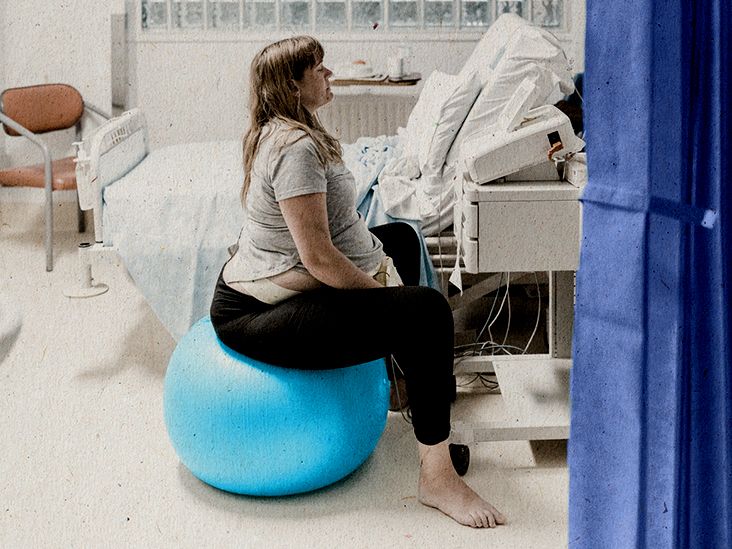
- Rocking, swaying, or using a birth ball
- Warm showers or baths if approved by your provider
- Massage or counterpressure on the lower back
- Hydration and light food, if allowed
- Pain relief options such as nitrous oxide or an epidural
The important thing is not winning a toughness contest. The important thing is using safe support that helps you cope. Labor is not an Olympic event in stoicism.
Real-Life Experiences: What Labor Contractions Often Feel Like in Everyday Words
Because medical descriptions can sound a little too neat, it helps to talk about contractions the way people actually describe them. In real life, contractions are often explained through comparison. Many say early contractions feel like period cramps that keep returning with a purpose. Not the casual cramps that make you reach for a heating pad and continue scrolling, but the kind that make you pause and wonder whether this is the beginning of something bigger.
Others say contractions begin as a tightening across the belly, almost as if the abdomen hardens from the inside out. The stomach may feel firm to the touch for a short time and then soften again. This can be unsettling at first, especially if you have never felt your body do this before. It is a little like your uterus is flexing without asking your permission.
Back labor is another experience many people talk about. Instead of feeling the strongest pain in the front of the belly, they feel it low in the back, sometimes wrapping around toward the front. People often describe back labor as intense, deep, and difficult to get comfortable with. Sitting may not help. Lying down may not help. Leaning forward, moving, or having someone apply pressure to the lower back may help more.
As contractions get stronger, a common description is that they come in waves. You feel one building, reaching a peak, and then fading away. That pattern matters because it means there is a break in between, even if the break starts feeling unfairly short. Many labor nurses and childbirth educators encourage people to think of contractions as surges rather than attacks, because a surge rises, crests, and ends. Even when it is intense, it is not endless.
During active labor, people often say they cannot chat casually through contractions anymore. The body demands attention. You may stop mid-sentence, close your eyes, breathe deeply, grip the bed rail, your partner’s hand, or a pillow, and wait for the wave to pass. Some describe a sense of needing to go inward and concentrate. That is normal. It is not rude. Labor is simply not the ideal time for small talk.
Transition tends to earn the most colorful reviews. People describe shaking, nausea, pressure, fear, and a strange mix of exhaustion and focus. This is often when they feel overwhelmed or doubt themselves. Ironically, that can be a sign that labor is progressing. It is one of those cruel little jokes of childbirth: when you feel most certain you cannot do it, your body may be very close to doing exactly that.
Then there is the pressure of pushing. Many people describe it as a heavy, involuntary downward force. Some say it feels like bearing down during a bowel movement, but much more intense and much more meaningful. It may feel relieving to push, or it may feel complicated and tiring, especially if you are numb from an epidural and following coaching rather than strong body cues.
Finally, after birth, some are surprised by afterpains. These cramps can feel like a sharp reminder that the uterus still has cleanup duties. They are often stronger during breastfeeding and may catch new parents off guard. By then, of course, you have already done the hard part. Your uterus is basically sending a follow-up email.
Conclusion
So, what do labor contractions feel like? The honest answer is that they can feel like cramping, tightening, pressure, back pain, wave-like surges, or all of the above, depending on the stage of labor and the person experiencing them. But the more useful answer is this: the pattern tells the story. Braxton Hicks may tease. Prodromal labor may rehearse. True labor builds. Active labor intensifies. Transition overwhelms. Pushing shifts into pressure. And afterpains remind you that the uterus is nothing if not committed.
If you are near your due date, it helps to pay attention not only to pain, but also to rhythm, duration, intensity, and associated signs like fluid leakage, bloody show, and pelvic pressure. When in doubt, call your provider. Nobody gets a prize for guessing wrong at home while timing contractions with pure optimism.
Knowing the types of labor contractions can make the whole process feel less mysterious and more manageable. And when something feels less mysterious, it usually feels a little less scary too.