

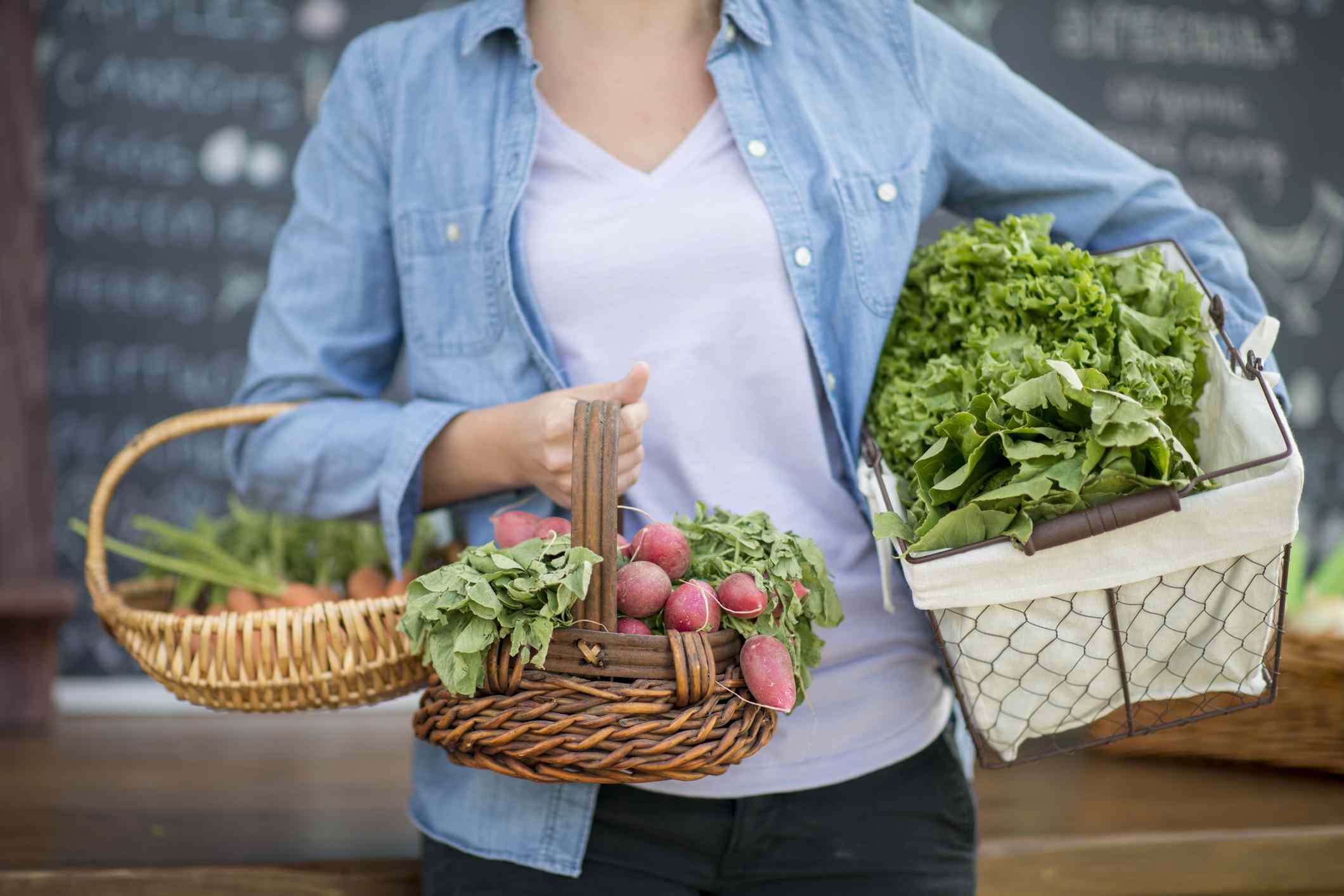
Note: This article is written for publication and synthesized from real U.S. gardening guidance, including university extension recommendations, planting calendars, and practical fall vegetable gardening advice.
September Is Not the End of the GardenIt Is the Plot Twist
If your summer garden looks tired, dramatic, and slightly offended by August heat, do not pull the curtain just yet. September is one of the most underrated months for planting vegetables, especially cool-season crops that prefer crisp mornings, mild afternoons, and fewer bugs treating your garden like an all-you-can-eat buffet.
The best vegetables you can plant in September include leafy greens, root crops, fast-growing brassicas, alliums, and some overwintering vegetables. Depending on your USDA hardiness zone and first frost date, September planting can give you quick fall harvests, winter greens under protection, or even crops that wake up early next spring like they had a very productive nap.
The secret is choosing vegetables with short days to maturity, giving seeds steady moisture, and understanding your local frost window. A gardener in Minnesota will approach September differently from a gardener in Georgia, Texas, Maryland, Oregon, or California. But almost everywhere in the United States, September still has something useful to offer the vegetable garden.
Before You Plant: Know Your First Frost Date
September planting is a race, but it is not a panic race. Think of it more like a friendly garden sprint where the finish line is your first expected frost. Most seed packets list “days to maturity,” which tells you roughly how long a crop takes to become harvestable. For fall planting, add extra time because shorter days and cooler temperatures slow growth.
For example, a radish listed at 25 days may be ready in about a month, while carrots listed at 65 days may need more patience, mulch, or winter protection. Lettuce, spinach, arugula, mustard greens, and baby kale are excellent September choices because they can be harvested young. You do not need a full-size head of lettuce to declare victory. A bowl of tender baby greens counts, and it tastes better than smugness.
Quick Rule for September Planting
Choose vegetables that mature in 20 to 60 days for fall harvest. In mild-winter regions, you can also plant longer-season crops like broccoli, cabbage, onions, garlic, and overwintering greens. In colder regions, focus on fast growers and use row covers, cold frames, or low tunnels to extend the season.
Best Vegetables You Can Plant in September
Below are some of the most reliable vegetables to plant in September, along with practical tips for getting them started successfully.
1. Spinach
Spinach is one of the classic fall vegetables for a reason. It prefers cool weather, germinates well when soil temperatures begin to drop, and often tastes sweeter after a light frost. Plant spinach seeds directly in the garden about 1/2 inch deep, keeping the soil evenly moist until germination.
In colder areas, September-planted spinach may produce baby leaves before winter and then return in spring if protected with mulch or row cover. In warmer regions, spinach can continue growing deep into fall and sometimes through winter. For quick harvests, cut outer leaves when they are large enough to eat and let the center keep producing.
2. Lettuce
Lettuce is practically the poster child for September planting. Leaf lettuce, romaine, butterhead, and looseleaf varieties grow beautifully in cool temperatures. For the fastest results, choose leaf lettuce varieties and harvest them as baby greens.
Sow seeds shallowly because lettuce needs light to germinate. If early September is still hot in your area, plant lettuce in partial afternoon shade or cover the soil lightly with burlap until seeds sprout. Lettuce has a flair for drama when it gets too hot, but once the weather cools, it becomes surprisingly cooperative.
3. Arugula
Arugula is fast, peppery, and almost too eager. In many gardens, it can be harvested in as little as three to four weeks as baby greens. Plant arugula seeds directly in rows or broadcast them over a small bed for a cut-and-come-again harvest.
Because arugula grows quickly, it is perfect for gardeners who want almost instant gratification. It also handles light frost well, and the cooler weather helps keep the leaves tender instead of aggressively spicy. Summer arugula can taste like it is arguing with you; fall arugula is much more polite.
4. Radishes
Radishes are one of the easiest vegetables to plant in September. Many varieties mature in 20 to 30 days, making them ideal for gardeners who waited until the last minute and would still like to feel organized.
Plant radish seeds directly in loose soil about 1/2 inch deep. Thin seedlings so the roots have room to form. For a steady supply, sow a small batch every week or two until your planting window closes. Radishes also make excellent row markers for slower crops like carrots because they sprout quickly and show where you planted before you forget and accidentally dig there.
5. Turnips
Turnips deserve more love. They are fast-growing, useful, and generous because both the roots and greens are edible. September is a great time to plant turnips in many regions, especially quick-maturing varieties.
Sow seeds directly in the garden and thin them once seedlings emerge. Baby turnip greens can be harvested early, while roots can be pulled when young and tender. If you have only tasted oversized, woody turnips from a sad grocery bin, garden-grown fall turnips may pleasantly surprise you.
6. Carrots
Carrots can be planted in early September in regions with enough time before hard freezing weather. They need loose, stone-free soil so their roots can grow straight instead of turning into tiny orange abstract sculptures.
Carrot seeds are small and slow to germinate, so keep the seedbed consistently moist. Some gardeners place a board over the seeded row for a few days to preserve moisture, removing it as soon as seedlings begin to appear. In mild climates, carrots can remain in the ground into winter. In colder climates, mulch them heavily once they mature to extend harvest.
7. Beets
Beets are another excellent September vegetable, especially in areas with a moderate fall season. Like turnips, they offer two harvests: tender greens and sweet roots. Plant seeds directly in the garden and thin seedlings carefully, since each “seed” is actually a cluster that may produce more than one plant.
Beets appreciate rich soil, steady moisture, and cool weather. The roots can be harvested young, while the greens can be used in salads or sautéed. If your family claims not to like beets, try roasting fresh garden beets until caramelized. If they still object, congratulationsyou have more beets for yourself.
8. Kale
Kale is a fall gardening champion. It tolerates cold, improves in flavor after frost, and keeps producing leaves for weeks. In September, gardeners in many climates can plant kale from transplants for a faster harvest. In warmer regions, direct seeding may also work well.
Curly kale, lacinato kale, and Red Russian kale are popular options. Harvest outer leaves first and let the center continue growing. Kale is also excellent for containers, raised beds, and small gardens because one plant can provide repeated harvests without demanding celebrity-level attention.
9. Collards
Collard greens are sturdy, nutritious, and well-suited to fall planting, especially in the South and other mild-winter regions. Plant transplants in September for the best chance of a strong crop before winter.
Collards need space, fertile soil, and steady watering. Like kale, they become sweeter after frost. They are also forgiving, which is exactly the kind of personality many gardeners appreciate after a summer of tomatoes that needed staking, pruning, watering, feeding, and emotional support.
10. Mustard Greens
Mustard greens grow quickly and bring bold flavor to the fall garden. They can be planted from seed in September and harvested as baby greens or full-size leaves. Their peppery taste mellows somewhat in cool weather, making fall the ideal season for them.
Plant seeds directly and thin plants based on whether you want baby leaves or mature greens. Mustards pair well with other fall greens in salad mixes, stir-fries, and soups. They also add visual interest, especially red or frilly varieties.
11. Bok Choy and Asian Greens
Bok choy, tatsoi, mizuna, and other Asian greens are excellent choices for September planting. Many mature quickly and tolerate cool weather beautifully. Baby bok choy can be ready in around 30 to 45 days, depending on the variety and growing conditions.
These crops prefer consistent moisture and benefit from protection against flea beetles and caterpillars. Lightweight row cover can help keep pests away while also moderating temperature. Harvest baby leaves early or allow plants to form small heads.
12. Peas
In regions with a long, mild fall, peas can be planted in September for a late-season crop. Choose quick-maturing snap peas or snow peas and provide a small trellis. Peas enjoy cool weather, but they need enough time to flower and produce before hard frost.
Gardeners in hot climates may find September peas more successful than spring peas because the plants mature as the weather cools. In colder climates, September may be too late unless you are planting for pea shoots, which can be harvested young and used in salads or stir-fries.
13. Green Onions and Bunching Onions
Bunching onions and green onions are useful September plantings, especially in mild climates. They can be grown from seed, sets, or transplants, depending on availability. While they may not size up quickly before winter in cold regions, they can overwinter and resume growth in spring.
Plant them in well-drained soil and keep them watered while establishing. Green onions are also great for containers because they do not require deep soil and can be harvested a few at a time.
14. Garlic
Garlic is usually planted in fall for harvest the following summer. In many regions, September is a little early, but in colder northern climates it may be the right time near the end of the month. In warmer areas, October or November is often better.
Plant individual cloves pointy side up in loose, fertile soil. Cover with mulch after planting to protect the cloves and stabilize soil temperature. Garlic is one of the most satisfying crops because it asks for patience, then rewards you with bulbs that make almost every meal taste more intentional.
15. Cilantro and Parsley
While technically herbs, cilantro and parsley deserve a spot in the September edible garden. Cilantro bolts quickly in summer heat but behaves much better in cool weather. Parsley is slower but cold-tolerant and useful in fall cooking.
Sow cilantro directly and keep it moist. For parsley, transplants are often easier than seeds because parsley germination can be slow. Both herbs grow well in containers near the kitchen, which is ideal if you like the fantasy of casually stepping outside to harvest fresh herbs while dinner guests are impressed.
What to Plant by Region in September
Northern States and Short-Season Gardens
In colder regions such as Minnesota, Wisconsin, Michigan, northern New England, and parts of the Mountain West, September planting should focus on very fast crops and season extension. Good choices include radishes, arugula, spinach, baby lettuce, mustard greens, and overwintering garlic planted later in the month or early fall.
Use row covers or low tunnels to protect tender seedlings from early frost. You can also plant spinach for overwintering, allowing it to establish before freezing weather and resume growth in spring.
Mid-Atlantic and Midwest Gardens
In areas such as Maryland, Pennsylvania, Ohio, Indiana, Illinois, and Missouri, early September is often suitable for lettuce, spinach, radishes, turnips, arugula, mustard greens, and sometimes beets or carrots if planted promptly. Transplants of kale, collards, cabbage, and broccoli can also work if your fall is long enough.
Because weather can swing from summer-like heat to sweater weather in the same week, mulch and steady watering are important. Shade cloth may help seeds germinate during hot spells, while row cover can protect crops later.
Southern and Mild-Winter Gardens
In the South, September is prime time for fall vegetable gardening. Gardeners can plant collards, kale, mustard greens, turnips, beets, carrots, lettuce, spinach, broccoli, cabbage, cauliflower, onions, and herbs. In many areas, fall crops grow better than spring crops because they mature as temperatures cool.
However, early September can still be hot. Start seeds in partial shade, water frequently, and consider transplanting brassicas once temperatures become more reasonable. Your seedlings should not have to feel like they are auditioning for a desert survival show.
Pacific Northwest and Coastal Gardens
In the Pacific Northwest and other coastal climates, September planting can include leafy greens, overwintering onions, garlic, spinach, kale, arugula, lettuce, and cover crops. Rain may help reduce watering needs, but drainage becomes important as fall progresses.
Raised beds are especially useful in wet climates because they warm faster and drain better than compacted ground. Slugs may remain active, so monitor young greens before they disappear overnight like a magic trick you did not approve.
How to Prepare Your Garden Bed for September Planting
Before planting, clear out exhausted summer crops, weeds, and diseased foliage. Do not compost diseased plants unless your compost pile gets hot enough to kill pathogens. Add compost to refresh the soil, then lightly rake the surface smooth.
Fall vegetables need fertile soil, but avoid overdoing nitrogen. Too much fertilizer can push soft leafy growth that is more vulnerable to cold damage. A balanced organic fertilizer or compost is usually enough for quick greens and roots.
Watering Matters More Than You Think
September soil can dry out quickly, especially in the first half of the month. Seeds need consistent moisture to germinate, and seedlings have shallow roots. Water gently so seeds do not wash away. A fine spray nozzle, watering wand, or drip irrigation system works well.
Once plants are established, water deeply but less often. Mulch with straw, shredded leaves, or untreated grass clippings to conserve moisture and moderate soil temperature.
Use Row Covers for Pest and Frost Protection
Lightweight row cover is one of the best tools for fall vegetable gardening. It can protect young plants from insects, reduce stress from temperature swings, and provide a few degrees of frost protection later in the season.
For brassicas such as kale, cabbage, broccoli, and bok choy, row cover can help prevent damage from cabbage worms and flea beetles. Just secure the edges well, because pests are tiny, determined, and apparently trained in garden espionage.
September Planting Tips for Bigger Success
Choose Fast-Maturing Varieties
Look for seed packets labeled “early,” “baby,” “quick,” or “short season.” For September planting, a 25-day radish, 30-day arugula, or 45-day lettuce is more realistic than a slow crop that needs 90 days of perfect weather.
Plant More Seeds Than You Think You Need
Fall germination can be uneven because of heat, dry soil, or sudden weather changes. Sow a little extra, then thin seedlings later. Thinnings from lettuce, beets, mustard, and kale can often be eaten as microgreens or baby greens.
Harvest Young
Do not wait for every crop to reach grocery-store size. Baby greens, small turnips, young carrots, and tender beet leaves are delicious. Fall gardening is about flexibility. If frost is coming, harvest what you can and call it a chef-inspired seasonal plate.
Succession Plant Small Batches
If your climate allows it, plant small amounts of lettuce, radishes, spinach, and arugula every 7 to 14 days. This gives you a longer harvest window instead of one giant radish emergency.
Common Mistakes to Avoid When Planting Vegetables in September
Planting Too Late Without Protection
September is generous, but it is not magic. If your first frost is only three weeks away, choose baby greens and radishes rather than broccoli from seed. Use row covers, cold frames, or containers you can move if frost threatens.
Ignoring Soil Temperature
Cool-season crops like cool air, but seeds still need suitable soil conditions. Very hot soil can reduce lettuce and spinach germination. Shade the seedbed, water consistently, or start seeds in containers where you can control conditions more easily.
Forgetting About Pests
Fall has fewer pests than summer, but fewer does not mean none. Cabbage worms, aphids, flea beetles, slugs, and grasshoppers may still visit. Inspect leaves often and act early with handpicking, row cover, or appropriate organic controls.
Not Adjusting for Your Climate
A September planting calendar from Georgia will not match one from Maine. Use regional guidance, your first frost date, and your own garden experience. Local knowledge beats generic advice every time.
Container Vegetables You Can Plant in September
If you do not have a garden bed, September still has options. Containers are perfect for lettuce, spinach, arugula, radishes, green onions, baby kale, mustard greens, and herbs. Use a high-quality potting mix, choose containers with drainage holes, and place them where they receive at least four to six hours of sun.
Containers cool faster than ground soil, so they may need protection during cold nights. The advantage is mobility. If frost threatens, move pots to a porch, garage, cold frame, or sunny indoor spot for the night.
Experience-Based Tips: What September Gardening Teaches You
One of the best experiences related to planting vegetables in September is realizing that fall gardening feels calmer than spring gardening. Spring arrives with big ambition. You want tomatoes, peppers, cucumbers, beans, squash, basil, flowers, compost, trellises, and possibly a small parade. September gardening is different. It is quieter, more practical, and surprisingly rewarding.
In my experience, the first lesson is that small plantings win. A short row of radishes, a container of lettuce, and a patch of spinach can be more satisfying than an overplanned garden that becomes a part-time job. September rewards gardeners who focus. Instead of trying to plant everything, choose five or six reliable crops that match your climate. For many people, that means spinach, lettuce, arugula, radishes, kale, and garlic.
The second lesson is that soil moisture makes or breaks the season. Early September can still be hot, and seeds dry out quickly. Many gardeners blame old seeds or bad luck when the real problem is inconsistent moisture. A simple routine helps: water lightly in the morning, check the seedbed in the evening, and use a thin layer of straw or shade cloth during hot spells. Once seeds sprout, the whole garden seems to relax.
The third lesson is that fall crops taste different. Kale after a frost is sweeter. Carrots pulled from cool soil have a deeper flavor. Lettuce grown in mild weather is tender instead of bitter. Even radishes seem cleaner and crisper. September vegetables often taste like the garden is making up for everything it put you through in July.
The fourth lesson is that row cover is worth owning. It is not fancy, but it works. A lightweight cover can protect seedlings from insects in warm weather and soften the blow of cold nights later. It also gives gardeners confidence. When the forecast says “patchy frost,” you do not have to sprint outside with bedsheets like you are rescuing furniture from a haunted house.
The fifth lesson is that containers are underrated. A pot of arugula by the back door can deliver several quick harvests. A window box of lettuce can produce enough greens for sandwiches and salads. Green onions in a container are easy, useful, and cheerful. Container gardening also lets renters, apartment dwellers, and small-space gardeners enjoy September planting without digging up a yard.
Finally, September gardening teaches patience in a good way. Some crops are for now, like radishes and baby greens. Some are for later, like garlic and overwintered spinach. That mix gives the garden a sense of continuity. You are not just cleaning up summer; you are setting up the next chapter. And when spring arrives, seeing garlic shoots or spinach leaves return is a tiny garden miracleno trumpet required.
Conclusion: September Is a Second Chance for Your Vegetable Garden
September is one of the best months to plant cool-season vegetables, especially if you choose crops that match your climate and frost window. Fast growers like radishes, arugula, lettuce, spinach, mustard greens, and turnips can deliver quick harvests. Hardy crops like kale, collards, carrots, beets, onions, and garlic can extend the season or prepare your garden for next year.
The key is to plant with purpose. Know your first frost date, choose short-season varieties, keep seedbeds moist, protect crops with row cover, and harvest young when needed. Fall gardening does not need to be complicated. In fact, its charm is that it feels like the garden’s relaxed encore after the loud summer concert.
So if your summer vegetables are fading, do not retire the trowel. September still has plenty to offer: crisp greens, sweet roots, spicy salads, sturdy brassicas, and the satisfying feeling that you squeezed one more delicious chapter out of the growing season.