

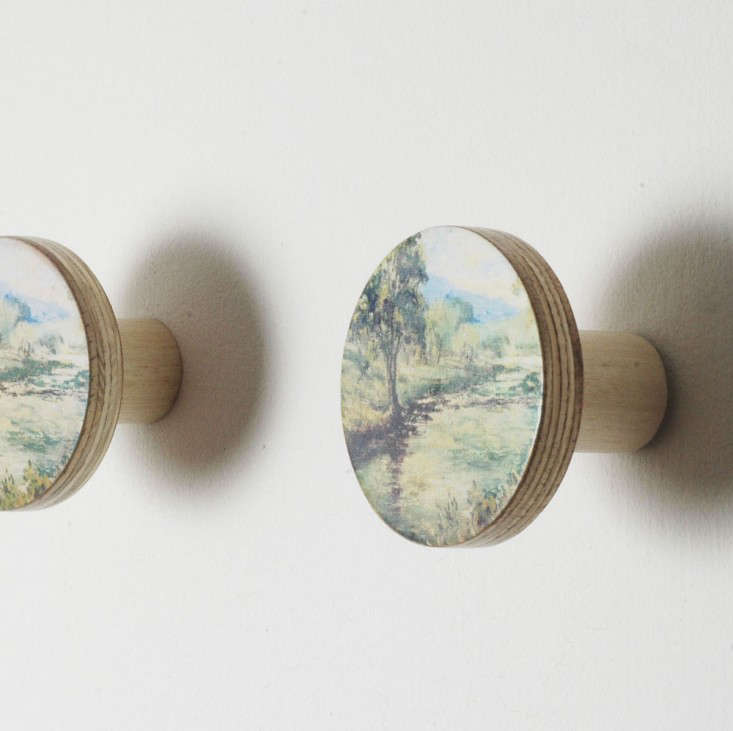
Wall hooks are among the smallest objects in a room, yet they have a suspicious talent for changing how the whole wall feels. Add the right wooden hooks and an empty entryway suddenly looks intentional. Choose a landscape or beach-inspired design, and the same hooks can bring in the relaxed character of sand, water, weathered wood, and open horizonswhile still giving your jacket somewhere better to live than the back of a dining chair.
Wall wooden hooks landscape and beach design combines practical storage with decorative wall art. Instead of treating hooks as hardware that should disappear, this approach makes them part of the room’s visual story. Natural wood, soft coastal colors, carved scenery, wave shapes, mountain silhouettes, shoreline motifs, and understated nautical details can turn an ordinary hook rack into a small focal point.
The trick is getting the balance right. A successful coastal wall does not need twelve anchors, nine starfish, a fishing net, and a sign announcing that life is better at the beach. Usually, natural materials and a restrained design say more.
Why Wooden Wall Hooks Work So Well in Coastal Interiors
Modern coastal decorating is strongly connected to materials and colors found outdoors. Light wood, linen, jute, rattan, woven textures, sandy neutrals, whites, muted blues, sea-glass greens, and weathered finishes create a relaxed atmosphere without requiring literal beach decorations everywhere.
Wooden wall hooks fit naturally into that vocabulary. Wood adds warmth to white or pale walls and provides enough texture to prevent a coastal room from feeling sterile. A hook made from oak, maple, pine, walnut, reclaimed timber, or another attractive wood can work as both storage and decoration.
Landscape designs expand the idea beyond traditional nautical styling. A row of hooks might sit beneath a carved mountain range, painted dunes, a sunset horizon, evergreen trees, or a simplified ocean scene. That makes the concept useful not only for beach houses but also for cabins, lake homes, cottages, bathrooms, children’s rooms, and nature-inspired modern interiors.
Choosing the Right Wood for Decorative Wall Hooks
Light woods create an airy beach-house look
Light natural finishes are an easy choice when the goal is a breezy beach design. Pale oak, maple, ash, beech, or lightly finished pine works beautifully with white, cream, light gray, muted blue, and natural fiber accessories.
A clear or matte finish allows the grain to remain visible. This is particularly effective when the hook board already has a scenic shape because complicated color is unnecessary. The wood grain becomes part of the landscape.
Weathered finishes add shoreline character
Gray-washed or softly distressed wood can suggest material that has spent years near salt, sand, wind, and sun. The important word is suggest. You do not need to attack a new piece of lumber until it looks as though it survived a hurricane.
A subtle gray wash, whitewash, or layered matte finish normally provides enough aging. Pair it with brushed metal, black hardware, rope details, or ceramic knobs for additional texture.
Darker wood can make coastal decor more sophisticated
Beach design is not limited to pale timber. Walnut and other darker woods can create a more refined coastal appearance, especially when combined with navy, warm white, brass, woven baskets, and natural linen.
This approach works particularly well in adult bedrooms, sophisticated entryways, or coastal-inspired offices where pastel blue may feel too casual.
Landscape Design Ideas for Wooden Wall Hooks
Landscape hooks can function almost like miniature wall sculptures. The strongest designs simplify scenery rather than attempting to reproduce an entire postcard.
Mountain silhouette hooks
A long wooden board can be cut so its upper edge resembles a mountain range. Small wooden pegs or metal hooks installed below the peaks create storage for coats, backpacks, hats, and keys.
Leave the mountains natural for a Scandinavian-inspired appearance, stain them dark for a dramatic silhouette, or layer several wood tones to create visual depth.
Forest and tree designs
Tree shapes work especially well in cabins, children’s bedrooms, mudrooms, and nature-themed homes. A row of simplified pine trees can form the decorative background while hooks become part of the lower landscape.
Muted greens and natural wood keep the design sophisticated. Bright cartoon colors can work in a child’s room, but in a main living area, restraint usually ages better.
Desert and sunset landscapes
Beach themes receive plenty of attention, but desert landscapes translate beautifully into wooden wall decor. Think warm oak, terracotta, sand, cream, dusty rose, and muted orange.
Curved wooden layers can represent distant hills or a setting sun. Brass or matte-black hooks give the piece a modern finish.
Lake and horizon scenes
A horizontal composition is practically made for a hook rack. A straight horizon can divide natural wood from painted blue or green sections, while a tiny sun, distant hills, or abstract waves add character.
This is one of the easiest ways to make functional storage resemble intentional artwork.
Beach Design Ideas for Wooden Wall Hooks
Use the colors of sand, sea, and sky
A beach-inspired palette does not have to begin and end with bright turquoise. Sophisticated combinations include warm white with navy, sand with dusty blue, pale gray with natural oak, muted aqua with cream, or sage green with driftwood tones.
Choosing two or three related colors is usually more effective than putting every color found in a souvenir shop onto one hook rack.
Create an abstract wave design
Waves are ideal for wooden wall decor because the shape is instantly recognizable without being overly themed. A curved lower edge, layered strips of blue-painted wood, or shallow carved lines can suggest moving water.
For minimalist interiors, one continuous wave carved across an otherwise plain oak board may be all the decoration required.
Try surfboard or paddle-inspired hooks
Miniature surfboards and paddles can become decorative hooks or serve as the visual background for conventional hooks. These designs work especially well in pool houses, family beach homes, children’s spaces, or vacation rentals.
Keep the colors coordinated with the room so the result feels designed rather than collected at random.
Use coastal motifs sparingly
Fish, shells, boats, lighthouses, anchors, coral, and starfish can all work. The secret is choosing one or two motifs rather than auditioning the entire ocean.
For example, a natural oak rack with five simple brass hooks and one small carved sailboat will usually appear more polished than a rack covered in anchors, rope, shells, gulls, and inspirational quotations.
Where to Use Landscape and Beach Wooden Hooks
Entryways
The entryway is probably the most practical location. Hooks keep bags, hats, jackets, umbrellas, dog leashes, and other frequently used items off furniture and floors.
For a small entry, combine a landscape hook rack with a narrow floating shelf, mirror, basket, or shoe cabinet. Using vertical wall space can provide meaningful storage without consuming much floor area.
Bathrooms
Wooden hooks are attractive for robes and towels, particularly in coastal bathrooms. However, moisture matters. Choose properly sealed wood and corrosion-resistant hardware when the hooks will regularly encounter humidity or damp towels.
A beach-inspired rack above a bathtub or beside a shower can visually connect natural timber with blue, white, stone, and woven bathroom accessories.
Bedrooms
Bedroom hooks can hold robes, hats, scarves, small bags, jewelry organizers, or tomorrow’s outfit. A simple shoreline or mountain design also provides wall decoration without requiring another framed print.
Mudrooms and laundry rooms
These spaces are storage workhorses, making durability especially important. Consider a wider wooden rail with multiple securely mounted hooks and enough spacing for bulky items.
Add baskets below or above it for gloves, sunscreen, pet accessories, swimming gear, or other household items determined to reproduce when nobody is watching.
How to Choose the Right Size and Hook Spacing
Start with what will actually hang from the hooks. Keys require very little space. Winter coats, backpacks, beach towels, and handbags need considerably more.
A short decorative rail may work beside a front door, while a family mudroom usually benefits from a much wider board. Before drilling anything, temporarily mark the proposed width and hook locations using painter’s tape. Hang a few representative items against the wall and check whether they overlap excessively.
Also consider who will use the hooks. Family storage can include lower hooks accessible to children and higher hooks for adult coats or bags. In a bathroom, position towel hooks where wet fabric can hang freely instead of bunching against furniture or the floor.
Installing Wooden Wall Hooks Safely
Beautiful hooks are less impressive when they leave the wall unexpectedly while holding your favorite backpack.
First determine what the wall is made from. Drywall, plaster, brick, masonry, and wood paneling require different fasteners. Whenever substantial weight will be placed on a hook rack, fastening into structural framing is generally preferable where possible.
If a suitable stud is unavailable, use anchors designed specifically for the wall material and rated for the expected load. Remember that the rack itself has weight before you add coats, towels, backpacks, or bags.
Use a level before drilling. Landscape designs can occasionally disguise a slightly crooked installation, but the ocean is supposed to meet the horizonnot slide downhill toward the laundry room.
Check the manufacturer’s instructions for both the hooks and mounting hardware. Frequently used hooks experience repeated pulling forces, so secure installation is especially important.
DIY Wall Wooden Hooks With a Landscape or Beach Theme
A custom hook rack can be a manageable woodworking project because the basic construction is simple.
Step 1: Select the board
Choose a straight piece of attractive wood with enough thickness to hold the selected hooks and screws securely. Sand the surfaces and soften sharp edges.
Step 2: Plan the landscape
Sketch the scene before cutting or painting. Simple shapes generally produce the strongest designs. Consider mountains, dunes, waves, a horizon line, a forest, or an abstract coastal pattern.
Step 3: Create dimension
You can paint directly onto one board or build a layered scene using thin pieces of wood. Layered landscapes cast small shadows and provide an appealing three-dimensional effect.
Step 4: Finish the wood
Apply stain, paint, clear finish, whitewash, or another appropriate protective coating. For bathrooms or damp environments, select a finish suitable for those conditions and follow its curing instructions.
Step 5: Position the hooks
Measure carefully so the hooks appear intentional. Equal spacing creates a clean modern appearance, while slightly varied positions can work with playful landscapes.
Step 6: Mount it properly
Install suitable hanging hardware based on the wall type and intended load. Check the rail with a level before fully tightening everything.
How to Style Wooden Hooks Without Creating Coastal Clutter
Functional wall hooks naturally accumulate objects, so the surrounding design should usually stay simple.
Pair natural wood hooks with woven baskets, a neutral runner, a small bench, linen textiles, or one mirror. If the rack itself contains a detailed landscape, avoid surrounding it with too many competing decorations.
Another useful strategy is to repeat materials instead of motifs. Rather than adding five more seashell objects, repeat the hook rack’s wood tone in a mirror frame, bench, picture frame, or storage basket.
This creates visual consistency without turning the room into a theme park.
Common Design Mistakes to Avoid
- Using too many beach symbols: One subtle reference often feels more sophisticated than a wall crowded with nautical objects.
- Ignoring everyday function: Beautiful hooks placed too close together become frustrating once coats and bags are added.
- Choosing weak mounting hardware: Match fasteners to the wall construction and expected load.
- Forgetting moisture: Bathrooms, pool areas, and coastal environments can be harder on wood finishes and metal hardware.
- Making the rack too small: A tiny piece on a broad empty wall can look lost.
- Matching everything perfectly: Natural variation in wood, woven materials, and muted colors often makes coastal interiors more inviting.
Real-World Experiences and Lessons From Using Landscape and Beach Wall Hooks
One lesson that repeatedly emerges from practical decorating projects is that the most attractive hook rack is not necessarily the one that looks most dramatic before installation. The piece has to survive daily life after the photographs are taken.
Imagine an entryway where four people arrive home carrying jackets, backpacks, tote bags, hats, and perhaps a dog leash that somehow becomes tangled with everything else. A beautifully carved three-hook landscape suddenly has a capacity problem. In situations like this, beginning with storage requirements and designing the scenery around them produces a better result.
Another useful experience is testing a design on the wall before committing to it. Painter’s tape can outline the proposed rack. Cardboard templates can represent hooks. Stand across the room and look at the proportions. What seemed enormous on a workbench may appear surprisingly small on a ten-foot wall.
Color also behaves differently once installed. A bright turquoise that looks delightfully tropical on a sample can become surprisingly loud when stretched across a long wooden rail. Softer blue-gray, sea-glass green, warm white, natural timber, and sandy beige tend to integrate more easily with furniture and flooring.
When creating a beach design, natural texture usually provides more long-term appeal than novelty decoration. A piece with visible grain, slightly rounded edges, and a muted wave pattern can remain attractive even if the rest of the room changes. Highly specific slogans and heavily themed decorations are harder to adapt.
Bathrooms introduce another practical lesson: a towel is substantially heavier when wet. A decorative hook may look delicate and charming, but the mounting system has to handle repeated use. Properly sealed wood also matters because splashes and humidity can gradually affect an unsuitable finish.
Spacing deserves similar attention. Empty hooks can look perfectly arranged when they are only a few inches apart. Add three large beach towels and suddenly they behave like passengers fighting for one armrest. Testing the hooks with actual objects before final installation can prevent this problem.
It is also worth thinking about visual clutter. A wall hook installation is rarely viewed empty. Coats, hats, bags, towels, and keys become part of its appearance. Because hanging objects already introduce color and irregular shapes, a relatively calm wooden backdrop often looks better in everyday use than an elaborate one.
For DIY versions, imperfections can actually support the concept. Minor variations in wood grain, slightly different stain absorption, and hand-shaped edges can complement landscape and coastal themes because nature itself is not famous for using a ruler. There is a difference, however, between charming irregularity and a hook mounted at an angle because someone decided the level was optional.
A particularly flexible approach is using a mostly natural wooden rail with replaceable decorative elements. Small wooden mountains, waves, sun shapes, or painted panels can be attached separately. If the room changes later, the decorative layer can change while the practical hook system remains.
Finally, the most successful installations tend to feel connected to their surroundings. A beach-themed rack does not require an actual ocean view. What matters is repeating a few characteristicsnatural wood, breathable colors, organic textures, and relaxed simplicitythroughout the space. When the hook rack looks as though it belongs there rather than arriving from an unrelated souvenir shop, the design has done its job.
Final Thoughts
Wall Wooden Hooks Landscape And Beach Design is a simple idea with surprising creative range. A wall hook can be practical storage, wooden craftsmanship, and decorative art at the same time. From mountain silhouettes and layered forests to abstract waves and weathered shoreline colors, landscape designs offer an opportunity to personalize a wall without sacrificing function.
For the most timeless result, begin with useful storage, choose wood that complements the room, keep the scenery relatively simple, and install the rack with appropriate hardware. Add coastal character through natural materials and restrained colors rather than relying on an army of seashells to explain the concept.
The result can be calm, functional, distinctive, and refreshingly easy to live withwhich is exactly what good beach-inspired design should feel like.
Note: Wall construction, hook strength, screws, anchors, and load ratings vary. For hooks expected to carry heavy bags, multiple coats, or wet towels, use mounting hardware appropriate for the wall and follow the hardware manufacturer’s installation and load instructions.