

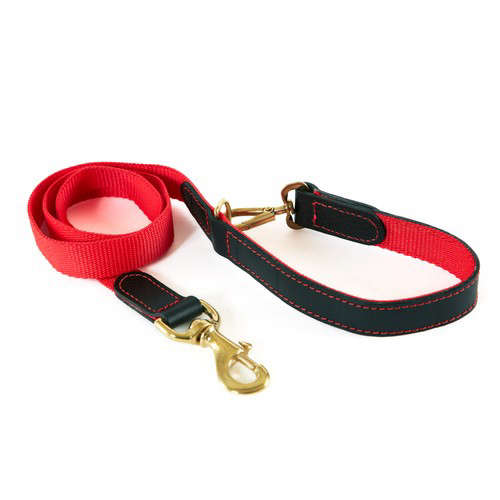
A red webbing and leather lead is the kind of dog-walking gear that quietly does more work than it gets credit for. It is not just a strip of material with a clip on one end and hope on the other. A well-made lead helps keep your dog close, your hand comfortable, your walk controlled, and your outfit just slightly more coordinated than you planned. The red color adds visibility and personality, while the combination of webbing and leather brings together two very useful worlds: the practical strength of woven synthetic material and the classic feel of leather.
For dog owners who want something sturdier than a fashion leash but nicer-looking than plain utility gear, the webbing and leather dog lead is a smart middle ground. It works for everyday neighborhood walks, obedience practice, park strolls, quick vet trips, and those dramatic “we are only going outside for five minutes” bathroom breaks that somehow become a full investigation of every tree on the block.
This guide explains what makes a Webbing & Leather Lead – Red useful, how to choose one, how to maintain it, and why the right lead can make walks safer, cleaner, and more enjoyable for both ends of the leash.
What Is a Webbing & Leather Lead?
A webbing and leather lead is a dog leash made with a woven strap, usually nylon or polyester webbing, combined with leather details. The webbing forms the main length of the lead, while leather may be used around the handle, near the clip, at stress points, or as decorative reinforcement. The result is a lead that feels durable, flexible, and polished.
Webbing is popular because it is lightweight, strong, and easy to clean. It can handle daily use, damp sidewalks, grass, mud, and the occasional “my dog just dragged this through a mystery puddle” situation. Leather, on the other hand, adds grip, comfort, and a premium look. Over time, good leather softens and develops character, which is a polite way of saying it starts to look like it has stories.
Why the Red Color Matters
Red is more than a bold style choice. A red dog lead is easy to spot against grass, pavement, snow, and neutral clothing. It stands out during walks, in storage baskets, at dog parks, and in the back seat of the car. For many owners, red also feels energetic and classic. It suits small dogs, large dogs, sporty dogs, fancy dogs, and dogs who believe every walk is a parade in their honor.
While red should not be considered a replacement for reflective material during low-light walks, it can improve everyday visibility. A red webbing leather leash also pairs well with black, tan, brown, gray, and matching red collars or harnesses, making it one of the most versatile color choices in pet accessories.
Why Choose a Webbing and Leather Dog Lead?
The main appeal of a webbing and leather dog lead is balance. Pure nylon leads are practical and affordable, but they may feel plain or rough in the hand. Full leather leads look elegant and can last a long time with proper care, but they usually need more maintenance and can be less forgiving in wet conditions. A combined webbing and leather lead offers everyday reliability with a more refined finish.
1. Strength for Daily Walks
A quality webbing dog lead is designed to resist pulling, twisting, and repeated motion. The woven structure spreads tension along the strap, which helps it perform well for everyday walks. When leather is added at connection points, the lead gains reinforcement where stress is highest. These areas matter because clips, seams, and handles often take the most pressure when a dog suddenly decides a squirrel is a personal invitation.
2. Better Comfort in the Hand
Leather-trimmed handles can feel smoother and more comfortable than bare webbing, especially on longer walks. A good handle should sit naturally in the palm without sharp edges or scratchy stitching. This is especially important for dogs that pull, lunge, stop suddenly, or perform the famous “sideways sniff shuffle.”
3. A Polished Look
Let us be honest: dog gear is part of the daily uniform. A red webbing and leather lead looks intentional. It has enough color to feel cheerful and enough leather to feel classic. Whether clipped to a simple collar, a front-clip harness, or a walking harness, it gives your dog’s setup a finished look without turning the walk into a runway show. Unless your dog wants that. Some dogs absolutely do.
Best Uses for a Red Webbing & Leather Lead
A webbing and leather lead works best as an everyday walking lead. It is useful for owners who want reliable control without carrying bulky gear. Most pet-care and training guidance favors a sturdy fixed-length leash for normal walks because it gives the handler better control than long retractable options. A fixed lead also helps the dog understand boundaries and makes it easier to practice polite leash manners.
Neighborhood Walks
For daily sidewalks, a red webbing leather dog lead provides enough structure for close control while still allowing comfortable movement. A common walking length is around four to six feet, which keeps the dog near enough to manage traffic, people, cyclists, strollers, and the neighbor’s suspiciously confident cat.
Training Sessions
Loose-leash walking is easier when the lead is predictable. A fixed-length lead helps owners reward good positioning and stop forward movement when the dog pulls. The goal is not to turn your dog into a tiny marching soldier. The goal is to teach that walking near you gets them where they want to go, while pulling like a furry tugboat does not.
Vet Visits and Public Errands
A red webbing and leather lead is also practical for vet offices, grooming appointments, pet-friendly stores, and busy parking lots. The bright color makes the lead easy to notice, and the sturdy construction supports controlled handling in unfamiliar environments.
Key Features to Look For
Not all leads are created equal. Some are dependable. Some look nice online and then arrive with hardware that feels like it was designed for a decorative handbag owned by a nervous hamster. Before choosing a Webbing & Leather Lead – Red, pay attention to the details that affect safety and comfort.
Strong Hardware
The clip should be sturdy, smooth, and properly sized for your dog. Metal trigger snaps and bolt snaps are common choices. The clip should open easily for the owner but not release accidentally during movement. Check that the swivel rotates freely, because a good swivel helps prevent twisting when your dog circles, sniffs, changes sides, or conducts complicated sidewalk research.
Secure Stitching
Look at the stitching around the handle, clip attachment, and leather reinforcements. The stitches should be tight, even, and reinforced at stress points. Loose threads, thin stitching, or weak joins are warning signs. The lead is only as strong as its most dramatic little seam.
Comfortable Width
Width matters. A narrow lead may be fine for small dogs but uncomfortable or less secure for larger dogs. Wider webbing spreads pressure more evenly across the hand and can feel sturdier during sudden pulls. For medium and large dogs, a lead around three-quarters of an inch to one inch wide is often comfortable for daily use.
Quality Leather Details
Leather should feel firm but not brittle. It should not crack when gently bent. Smooth edges, clean finishing, and solid attachment points all suggest better craftsmanship. Leather that is too thin may stretch or wear quickly; leather that is too stiff may feel uncomfortable until broken in.
Webbing vs. Leather: Why the Combination Works
Webbing and leather each bring something different to the walk. Webbing is the dependable workhorse. It is easy to wipe down, dries faster than leather, and can be produced in bright colors like red. Leather is the comfort expert. It warms in the hand, softens with use, and gives the lead a timeless finish.
When combined well, the two materials solve common leash problems. The webbing carries the everyday wear. The leather improves grip and reinforces key areas. The red color keeps the lead visible and stylish. Basically, it is the dog accessory version of wearing sneakers with a nice jacket: practical, but still respectable.
Safety Tips for Using a Dog Lead
A lead is only safe when used correctly. Even a strong red webbing and leather lead cannot make up for poor fit, worn hardware, or distracted handling. Before each walk, check the clip, stitching, and connection to the collar or harness. Make sure your dog cannot slip out of their walking gear. If your dog pulls strongly, consider using a well-fitted harness designed for better control and reduced neck strain.
Avoid Wrapping the Lead Around Fingers
Many dog-walking injuries happen when a lead tangles around fingers, wrists, or legs. Hold the loop securely, but avoid wrapping the lead tightly around your hand. If your dog bolts, wrapped webbing can tighten quickly. Your fingers did not sign up for rodeo duty.
Use the Right Length
Shorter fixed leads give better control in crowded areas. Longer lines may be useful for training in open spaces, but they are not ideal near roads, sidewalks, or other dogs. For everyday walking, a sturdy four- to six-foot lead is usually the most practical choice.
Match the Lead to the Dog
A small dog may not need a heavy lead with oversized hardware. A large or strong dog needs a lead with enough width, strong stitching, and durable hardware. Puppies may chew, so supervise them closely and avoid letting the lead become a snack. Webbing and leather are useful materials, not appetizers.
How to Clean and Care for a Webbing & Leather Lead
Because this lead uses two materials, cleaning should be gentle and practical. Do not toss a leather-trimmed lead into a harsh wash cycle unless the manufacturer specifically says it is safe. Webbing can usually handle more moisture than leather, but leather needs care to avoid drying, cracking, or stiffening.
Routine Cleaning
For light dirt, wipe the webbing with a damp cloth and mild soap. Avoid soaking the leather sections. After cleaning, wipe away soap residue and let the lead air-dry away from direct heat. Do not place it on a radiator, in intense sunlight, or near a heater. Leather prefers patience. It is dramatic that way.
Deep Cleaning After Muddy Walks
If the webbing becomes muddy, brush off dried debris first. Then spot-clean with lukewarm water and a gentle cleaner. Use a separate cloth for leather areas and apply only a small amount of moisture. Once dry, a leather conditioner may help keep leather details supple, but always test a small hidden area first.
Storage Tips
Store the lead in a dry place with good airflow. Avoid leaving it wet in a car, buried under towels, or stuffed in a sealed bag. Moisture can encourage odor and weaken materials over time. Hang it near the door so it is easy to grab before walks. Bonus: your dog will learn exactly where it lives and stare at it meaningfully at 6:02 a.m.
Who Should Buy a Red Webbing & Leather Lead?
This type of lead is a good fit for dog owners who want a reliable everyday leash with a more premium look. It is ideal for people who walk their dogs daily, prefer fixed-length control, and appreciate gear that looks polished without being fragile.
It is especially useful for medium and large dogs when made with strong hardware and reinforced stitching. It can also work beautifully for small dogs if the lead is lightweight enough. The key is proportion. A tiny dog should not look like it is towing a ship rope, and a giant dog should not be attached to a lead that looks like a ribbon from a gift basket.
How to Style a Red Dog Lead
A red webbing and leather dog lead pairs well with neutral collars, brown leather collars, black harnesses, gray coats, and matching red accessories. For a classic look, combine it with a brown leather collar. For a sporty look, pair it with a black or red harness. For a modern look, use it with a gray or charcoal walking setup.
Red also photographs well, which matters more than many owners admit. Whether your dog is posing under fall leaves, sitting by a holiday wreath, or refusing to look at the camera because a leaf moved, the red lead adds a bright visual line that pops in pictures.
Common Mistakes to Avoid
The first mistake is choosing by color alone. Red is attractive, but construction matters more. Always check the stitching, webbing thickness, hardware strength, and leather quality.
The second mistake is ignoring the dog’s walking style. Calm dogs may do well with a standard lead and collar. Pullers may need a harness, training support, or a front-clip setup. The lead helps, but it is not a magic wand. If it were, every dog would heel politely while carrying your coffee.
The third mistake is skipping maintenance. Even durable leads wear out. Inspect the clip, handle, stitching, and leather regularly. Replace the lead if you see fraying, cracking, rust, loose rivets, or weakened seams.
Real-World Experience: Living With a Webbing & Leather Lead – Red
Using a red webbing and leather lead day after day teaches you what actually matters in dog gear. At first, the color gets your attention. It looks sharp hanging by the door. It is easy to find in the car. It makes even a quick walk feel slightly more put together. But after a few weeks, the real value becomes less about looks and more about feel.
The best experience comes from the way the lead sits in the hand. A leather-trimmed handle feels more comfortable during longer walks, especially when the dog stops suddenly to examine a patch of grass as if it contains breaking news. Bare webbing can sometimes feel harsh if a dog pulls quickly, but leather softens the contact. That small detail makes a big difference on colder mornings, long evening walks, or training sessions where you repeat the same route until your dog finally understands that “let’s go” does not mean “launch forward like a furry cannonball.”
The red color also proves useful in ordinary moments. When the lead is dropped on dark pavement, it is easy to see. When it is hanging with other pet gear, it stands out. When someone else walks the dog, there is no confusion about which leash to grab. This sounds minor until you are late, holding keys, coffee, poop bags, and a dog who is already mentally outside.
Another noticeable advantage is the balance between ruggedness and appearance. A webbing and leather lead does not look overly technical, yet it handles daily wear better than many decorative leashes. It can go from neighborhood sidewalks to park paths without looking out of place. If the webbing gets dusty, a quick wipe usually helps. If the leather begins to feel dry, a small amount of conditioner can bring back flexibility. It is low-maintenance, not no-maintenance, which is fair. Dogs are also low-maintenance until they roll in something mysterious.
For training, a fixed red lead gives clear communication. The dog feels the same length every time, and the owner can practice stopping, rewarding slack, changing direction, and keeping a steady pace. Unlike retractable leashes, a fixed lead encourages consistency. That makes it easier to teach polite walking and safer to manage distractions such as bicycles, children, other dogs, delivery drivers, and the neighborhood squirrel with main-character energy.
The biggest lesson is that a good lead becomes part of the walking routine. You stop thinking about it because it simply works. It clips on smoothly, feels secure, looks good, and supports better habits. A Webbing & Leather Lead – Red is not just a pet accessory; it is one of those small daily tools that makes dog ownership feel more organized, safer, and a little more stylish. And if your dog struts harder because the leash is red, honestly, let them have the moment.
Conclusion
A Webbing & Leather Lead – Red is a strong choice for dog owners who want practical control, comfortable handling, and classic style in one everyday leash. The webbing provides durability and easy cleaning, while leather details add grip, reinforcement, and a premium finish. The red color improves visibility, adds personality, and pairs beautifully with many collars and harnesses.
For best results, choose a lead with strong hardware, reinforced stitching, a comfortable handle, and a width suited to your dog’s size and strength. Use it with a properly fitted collar or harness, inspect it regularly, and clean it with care. With the right maintenance, a red webbing and leather dog lead can become a dependable walking companion for years of sidewalks, trails, vet visits, coffee runs, and sniff-heavy adventures.