

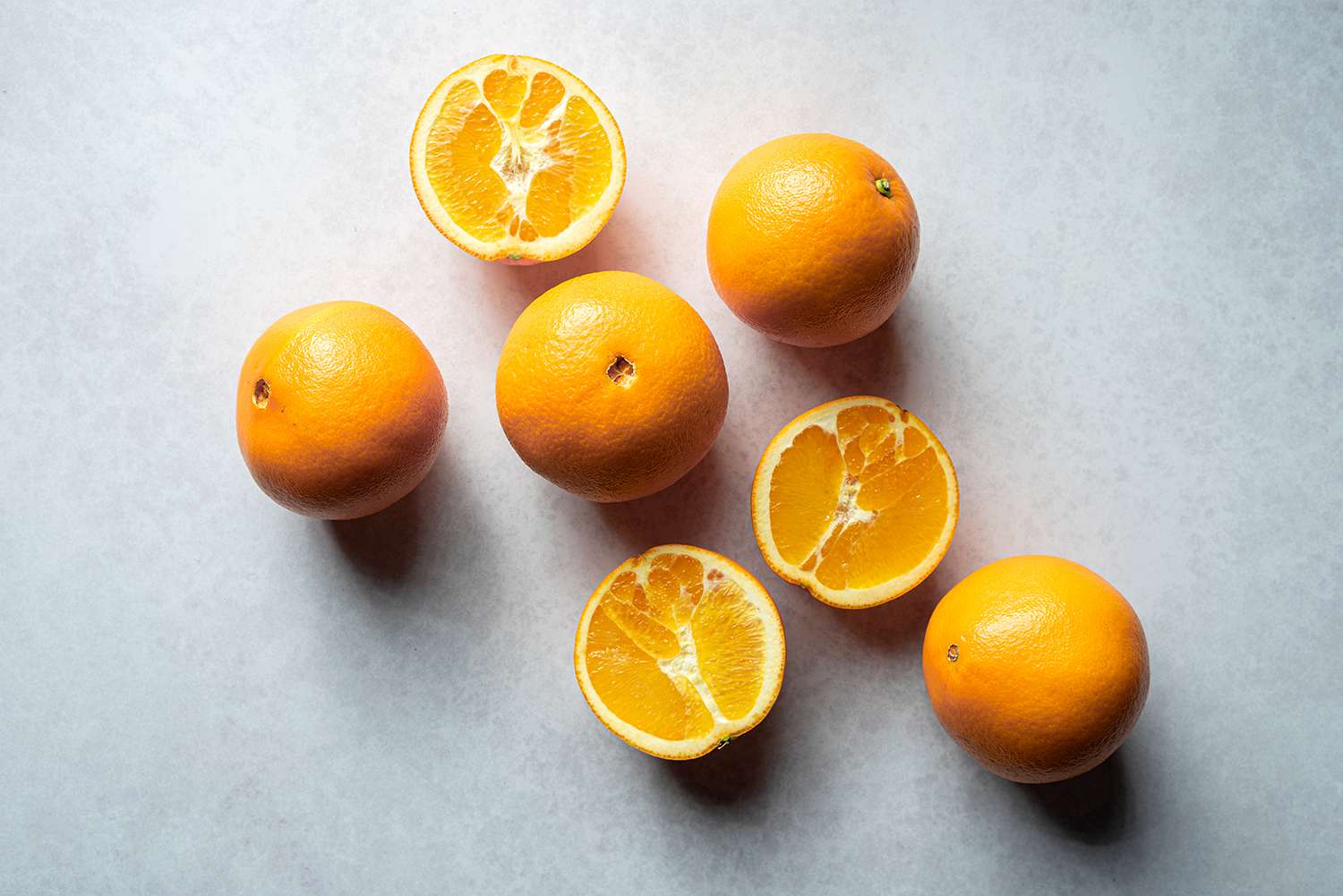
If oranges had a popularity contest, navel oranges would probably walk away wearing the crown, a sash, and a smug little citrus grin. They are sweet, easy to peel, usually seedless, and friendly enough to survive being tossed into lunch bags, fruit bowls, and last-minute salad ideas. But despite their fame, plenty of people still ask the same basic question: What are navel oranges, exactly?
The short answer is that navel oranges are a type of sweet orange best known for their signature “belly button” at one end of the fruit. The longer answer is much more fun. Their unusual shape comes from a natural mutation, their seedless nature helped make them a fresh-eating superstar, and their history is tied to the rise of California citrus culture. In other words, this is not just an orange. This is an orange with a backstory.
What Exactly Are Navel Oranges?
Navel oranges are a variety of sweet orange prized for fresh eating. They are typically medium to large, bright orange, fragrant, juicy, and easy to separate into neat segments. Their flavor is usually sweet with mild acidity, which is one reason they are so popular with people who want an orange that tastes cheerful instead of aggressively tangy.
What makes them different from many other oranges is the small, secondary fruit that develops inside the main fruit. On the outside, that inner fruit creates the little circular formation that looks like a human navel. Hence the name. Fruit branding has rarely been this literal.
Navel oranges are also known for being mostly seedless. That is a major selling point for snackers, lunch-packers, and anyone who has ever tried to look dignified while spitting out seeds in public. Because they are so easy to peel and section, navels are widely considered one of the best oranges for eating out of hand.
Why Are They Called Navel Oranges?
The name comes from the fruit’s signature look. At the blossom end, opposite the stem, navel oranges develop a second, underdeveloped fruit tucked inside the peel. From the outside, it appears as a round indentation or protrusion that resembles a belly button.
This quirky feature is not a gimmick. It is the result of a natural mutation in a sweet orange. That same mutation also helps explain why navel oranges are generally seedless. The trees produce no functional pollen and have very limited viable ovules, so the fruit forms without producing the usual crop of seeds. For everyday eaters, that means less fuss and more actual orange.
The Origin Story: From Brazil to American Fruit Bowls
Navel oranges trace back to a naturally occurring mutation in Brazil, specifically the Bahia orange. In the 19th century, this seedless orange drew attention because it was sweet, attractive, and easier to ship than many other oranges thanks to its thicker peel.
The variety became especially important in the United States after plant material was sent from Brazil by the U.S. Department of Agriculture. In the early 1870s, young trees were distributed in California, including to Eliza Tibbets in Riverside. Those trees flourished, and the fruit quickly impressed growers and consumers. Before long, the Washington navel orange became a foundational variety in the California citrus industry.
That history matters because most classic Washington navel oranges grown afterward were propagated not from seed, but by grafting and budding. Since the fruit is essentially seedless, growers clone the variety onto rootstocks. So when you eat a navel orange today, you are biting into a long agricultural family story with excellent branding and very little genetic improvisation.
What Do Navel Oranges Taste Like?
Navel oranges are beloved for a flavor that is sweet, balanced, and approachable. They usually have lower perceived acidity than some juicing oranges, which makes them taste mellow and pleasant. The flesh is firm rather than watery, and the segments separate neatly, making them especially satisfying to eat fresh.
The peel is generally thick enough to remove easily but not so thick that it feels like you are opening a padded shipping container. When you peel a good navel orange, you get that clean, bright citrus aroma people associate with winter produce, holiday bowls, and the noble fantasy of becoming someone who always has fresh fruit on hand.
Like many fruits, flavor can vary by growing region, storage, and time of season. Early and peak-season navels are often vibrant and juicy, while very late-season fruit can sometimes seem a bit drier. That does not mean the fruit is bad; it just means oranges, like people at the end of a long week, sometimes lose a little sparkle.
Navel Oranges vs. Other Oranges
Navel Oranges vs. Valencia Oranges
If navel oranges are the snack champions, Valencia oranges are the juicing pros. Navels are sweeter to the taste for many people, easy to peel, and usually seedless, which makes them ideal for fresh eating. Valencias are often juicier, ripen later, and are commonly preferred for juice.
There is also a practical reason navels are not always the first pick for make-ahead juice. After juicing, navel orange juice can develop delayed bitterness because compounds such as limonin become more noticeable during storage. Freshly squeezed navel juice can taste great right away, but it is not the best candidate for sitting around in the refrigerator like it owns the place.
Navel Oranges vs. Cara Cara Oranges
Cara Cara oranges are actually a type of navel orange. They look similar on the outside, but inside they have pink to red flesh caused by natural pigments. Their flavor is often described as very sweet and slightly less tangy than regular navels. If standard navels are the classic movie, Cara Cara is the stylish spin-off with better lighting.
Navel Oranges vs. Blood Oranges
Blood oranges are a different category from navels and are famous for their red-streaked or deep crimson flesh. They usually bring a more berry-like, floral note, while navels stay in the lane of straightforward sweet orange flavor. If blood oranges are dramatic and a little mysterious, navels are dependable, sunny, and easy to invite to lunch.
Are Navel Oranges Healthy?
Yes. Navel oranges are a nutrient-dense fruit and an easy way to add more whole fruit to your day. They are especially valued for vitamin C, but that is not the whole story. They also provide fiber, water, and useful amounts of folate and potassium.
Vitamin C matters because it plays important roles in immune function, antioxidant activity, and collagen formation. Fiber matters because whole fruit supports fullness and helps make oranges more satisfying than juice alone. That is one reason eating a whole orange often feels more substantial than drinking a glass of orange juice in six heroic gulps.
Navel oranges also fit nicely into many eating styles. They are naturally fat-free, have no added sugar, and can serve as a simple dessert, snack, or bright ingredient in savory meals. They are not magic, and no fruit deserves to be treated like a superhero cape. But as everyday foods go, navel oranges pull their weight.
When Are Navel Oranges in Season?
In the United States, navel oranges are strongly associated with winter and early spring. California and Arizona are major sources, and harvest for those regions commonly runs from November through June, though exact timing depends on the variety and growing conditions.
That seasonality explains why navels often feel like the fruit equivalent of a cold-weather pick-me-up. When apples and pears have been hanging around the produce aisle for months looking respectable but slightly overfamiliar, navel oranges show up like a bright citrus pep talk.
How to Pick the Best Navel Oranges
Choosing a great navel orange is not difficult, but a few simple habits help:
- Look for fruit that feels heavy for its size, which often signals juiciness.
- Choose oranges with firm skin and no mold, major bruising, or shriveled spots.
- A bright orange color is nice, but minor green tints do not always mean the fruit is unripe.
- Thin-skinned fruit can sometimes be juicier, though peel texture varies by growing conditions.
- If buying bagged fruit, check carefully for hidden soft or damaged oranges.
In short, you want an orange that looks alive, not exhausted.
How to Store Navel Oranges
You can keep navel oranges at room temperature for a few days if you plan to eat them soon. For longer storage, refrigeration is a better choice. Whole oranges generally hold up well in the fridge and stay in good shape longer than they do on the counter.
Store them unwashed until you are ready to eat them, and keep cut oranges refrigerated. If you prep slices or segments in advance, do not leave them out for too long. Citrus may be sturdy, but once cut, it follows the same food safety rules as other fresh produce.
Best Ways to Eat Navel Oranges
Navel oranges are at their best when eaten fresh. That is their star role. But they also play well with plenty of other foods.
Simple Ways to Use Them
- Peel and eat them as a snack.
- Add segments to green salads with nuts and cheese.
- Mix them into fruit salads for sweetness and aroma.
- Serve them with yogurt or cottage cheese.
- Use slices in lunch boxes, brunch platters, or picnic spreads.
- Pair them with fennel, avocado, mint, or dark chocolate for a more grown-up citrus moment.
You can also use the zest in baking, dressings, and marinades. Just remember that navels are better known for fresh eating than for make-ahead juicing or freezing, since bitterness can develop in stored juice.
Common Questions About Navel Oranges
Are navel oranges seedless?
Usually, yes. They are considered commercially seedless, though occasional seeds can appear.
Can you juice navel oranges?
Yes, especially if you drink the juice right away. They are just not the best choice for juice you plan to store.
Why is there a little orange inside my orange?
That is the secondary fruit that creates the navel shape. It is the hallmark of the variety.
Are Cara Cara oranges the same as navel oranges?
Cara Cara is a type of navel orange with pink-red flesh and a very sweet flavor profile.
Are navel oranges good for cooking?
They can be, especially in salads, desserts, and sauces, but their easiest and best use is still fresh eating.
The Real-Life Experience of Eating, Buying, and Using Navel Oranges
There is a reason navel oranges have such a loyal following, and it is not just because they look good piled in a bowl. The real-life experience of using them is what turns casual buyers into repeat buyers. A good navel orange fits into ordinary life with almost suspicious ease.
Picture the grocery store in the middle of winter. You are wandering through produce, maybe pretending you came in with a plan. Then you catch that bright heap of oranges glowing under the lights like they have their own publicist. Navel oranges are easy to notice because they look clean, cheerful, and uncomplicated. No peeling hacks required, no tiny seeds plotting against your dental work, no special fruit expertise needed. You just pick one up, feel whether it is heavy, and think, “Yes, this seems like a fruit that has its life together.”
At home, the experience gets even better. The peel usually comes off without turning the kitchen into a wrestling arena. That matters more than food snobs like to admit. Some fruit demands commitment. A pineapple asks you to become a carpenter. A pomegranate asks you to become a surgeon. A navel orange asks only that you have two hands and a modest amount of patience.
Once peeled, the scent does half the work. It smells fresh, sweet, and immediately recognizable. The segments come apart cleanly, which makes navels perfect for snacking while reading, working, or pretending to meal prep. They are one of the rare foods that feel wholesome without feeling like punishment. You are not heroically chewing through sadness. You are eating something that is genuinely pleasant.
Navel oranges also tend to be family-friendly in a practical sense. Kids often like them because they are sweet and easy to eat. Adults like them because they are portable and require zero culinary theater. Guests like them because they look elegant when sliced into rounds or tucked into a salad. They are the Swiss Army knife of the citrus drawer, except much tastier and less likely to alarm anyone at brunch.
In cooking, the experience is more about brightness than complexity. Toss a few segments into a salad with arugula and avocado, and suddenly the whole bowl feels more awake. Add navel orange zest to a vinaigrette, and it starts tasting like you made an effort, even if you absolutely did not. Layer slices over yogurt, pancakes, or ricotta toast, and breakfast becomes weirdly photogenic.
Then there is the emotional side of it. Navel oranges are deeply tied to seasonality. For many people, they signal winter markets, holiday fruit bowls, and that stretch of the year when something sunny and sweet feels especially welcome. Eating one can feel like a tiny seasonal reset. Not life-changing. Not spiritually transformative. Just reliably uplifting, which in daily life is sometimes the higher achievement.
That is the charm of navel oranges. They are not rare, flashy, or difficult. They are simply very good at being exactly what most people want an orange to be: sweet, convenient, fragrant, attractive, and ready when you are. In a world full of overcomplicated food trends, that kind of reliability feels almost luxurious.
Final Thoughts
So, what are navel oranges? They are a sweet orange variety famous for the little “navel” at one end, their easy-peel skin, their mostly seedless flesh, and their long-standing role as one of America’s favorite fresh-eating citrus fruits. Their story starts with a natural mutation, runs through Brazil and California history, and ends in kitchens everywhere that appreciate fruit with good flavor and low drama.
If you want an orange for snacking, salads, lunch boxes, and bright winter produce moments, navel oranges are hard to beat. They are sweet, practical, and just a little quirky. Frankly, that is a strong résumé for any fruit.