

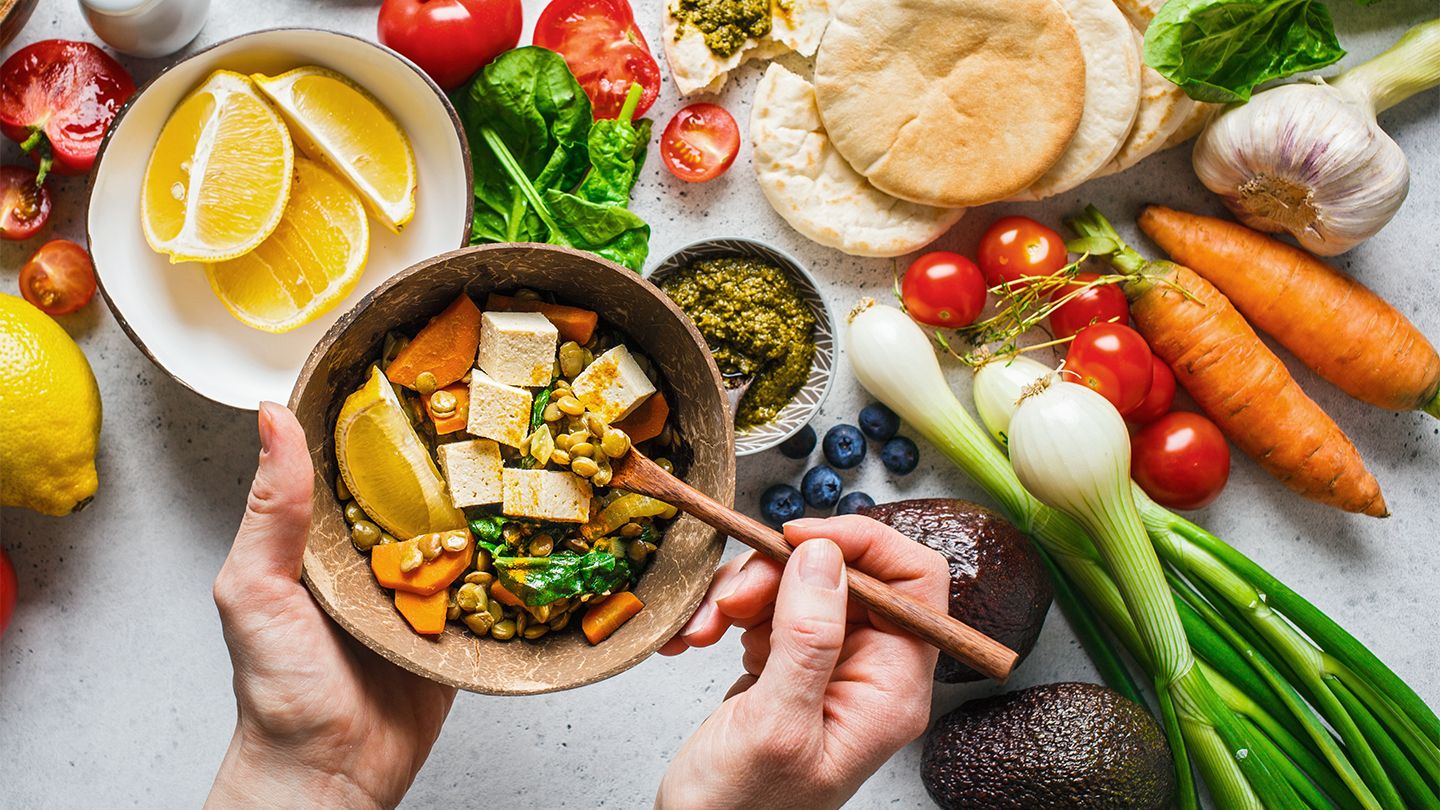
Everyone wants the secret to a long life, preferably one that does not require eating boiled kale while staring sadly out a window. The good news is that the healthiest diets for long life are not punishment plans. They are eating patterns built around real food, steady habits, and meals that can actually taste like something you would choose on purpose.
When researchers, doctors, and dietitians talk about longevity diets, they are usually not talking about a magical berry, a celebrity cleanse, or a breakfast smoothie that costs more than your electricity bill. They are talking about dietary patterns that help lower the risk of chronic diseases such as heart disease, type 2 diabetes, high blood pressure, cognitive decline, and some cancers. In plain English: the best diet for longevity is the one that helps your body keep doing its job without constantly fighting nutritional chaos.
So, what are the healthiest diets for long life? The strongest contenders are the Mediterranean diet, DASH diet, MIND diet, healthy plant-based diet, and a flexible whole-food eating pattern that borrows the best ideas from all of them. They share a simple theme: more plants, more fiber, better fats, enough protein, fewer highly processed foods, and less sugar-heavy nonsense wearing a health halo.
What Makes a Diet Good for Longevity?
A longevity diet is not just a list of foods. It is a long-term style of eating that supports the heart, brain, gut, blood vessels, metabolism, muscles, and immune system. That is why the most effective healthy eating patterns tend to look surprisingly similar, even when they come from different cultures.
The Core Traits of Long-Life Diets
The healthiest diets for long life usually include plenty of vegetables, fruits, beans, lentils, whole grains, nuts, seeds, herbs, spices, and unsaturated fats such as olive oil. They also include protein from fish, seafood, poultry, eggs, soy foods, beans, lentils, yogurt, or other nutrient-dense sources. Red and processed meats, sugary drinks, refined grains, deep-fried foods, and packaged snacks are limited rather than treated as daily food groups.
Another important feature is consistency. A single salad does not cancel out years of drive-through diplomacy, and one slice of birthday cake does not ruin a healthy lifestyle. Longevity is built from repeated choices, not dramatic food theater.
1. The Mediterranean Diet: The Gold Standard for Healthy Aging
The Mediterranean diet is often considered one of the healthiest diets for long life because it is rich in plant foods, healthy fats, seafood, and minimally processed ingredients. It is inspired by traditional eating patterns from countries around the Mediterranean Sea, but you do not need a villa in Greece to follow it. A grocery store, a cutting board, and a reasonable relationship with olive oil will do just fine.
What You Eat on the Mediterranean Diet
A Mediterranean-style diet focuses on vegetables, fruits, legumes, whole grains, fish, nuts, seeds, and extra-virgin olive oil. Poultry, eggs, yogurt, and cheese may appear in moderate amounts. Red meat, processed meat, refined carbohydrates, and sweets are limited. Meals are usually colorful, satisfying, and built from simple ingredients.
A typical plate might include grilled salmon, roasted vegetables, quinoa or farro, chickpeas, herbs, lemon, and olive oil. Another easy version is a bowl with brown rice, lentils, cucumbers, tomatoes, greens, olives, and a yogurt-based sauce. It feels like real food because it is real food.
Why It Supports Long Life
The Mediterranean diet is strongly associated with better heart health, improved metabolic markers, lower inflammation, and healthy aging. Its power comes from the combination of fiber, antioxidants, omega-3 fats, monounsaturated fats, and a lower intake of ultra-processed foods. It is not one miracle ingredient doing all the work. Olive oil is helpful, yes, but it is not a wizard in a glass bottle.
2. The DASH Diet: Best for Blood Pressure and Heart Protection
DASH stands for Dietary Approaches to Stop Hypertension. The name sounds like something created in a government office, because it was, but the diet itself is practical, flexible, and very useful for long-term health. Since high blood pressure is a major risk factor for heart disease, stroke, kidney disease, and cognitive decline, the DASH diet earns its place near the top of any longevity diet list.
What You Eat on the DASH Diet
The DASH diet emphasizes vegetables, fruits, whole grains, beans, lentils, nuts, seeds, low-fat or fat-free dairy, poultry, and fish. It limits sodium, saturated fat, sweets, sugary drinks, and high-fat meats. Unlike some trendy diets, DASH does not demand that you fear carbohydrates. It simply asks you to choose better ones, such as oats, brown rice, whole-grain bread, beans, and potatoes prepared without a landslide of butter and salt.
Why It Supports Long Life
DASH is especially valuable because it targets blood pressure through a nutrient-rich pattern high in potassium, magnesium, calcium, fiber, and lean protein. It also reduces sodium and saturated fat, two areas where many modern diets quietly go off the rails. For people who want a structured plan without feeling like dinner has become a math exam, DASH is one of the most reliable options.
3. The MIND Diet: A Smart Choice for Brain Health
The MIND diet combines elements of the Mediterranean and DASH diets with a special focus on foods linked to brain health. MIND stands for Mediterranean-DASH Intervention for Neurodegenerative Delay, which is a mouthful. Luckily, the food is much easier to digest than the name.
What You Eat on the MIND Diet
The MIND diet highlights leafy greens, other vegetables, berries, nuts, beans, whole grains, fish, poultry, olive oil, and moderate amounts of wine for adults who already drink. It limits butter, cheese, red meat, fried foods, pastries, and sweets. Berries get special attention because they are rich in plant compounds that may support healthy aging of the brain.
A simple MIND-friendly breakfast could be oatmeal with blueberries, walnuts, and plain yogurt. Lunch might be a spinach and bean salad with olive oil dressing. Dinner could be baked fish with greens and a whole grain. Nothing here requires a lab coat, a subscription box, or a kitchen gadget that looks like it escaped from a spaceship.
Why It Supports Long Life
Brain health is a major part of longevity. Living longer is much more appealing when memory, focus, balance, and independence remain strong. The MIND diet is designed to support cognitive health by combining heart-protective foods with antioxidant-rich plant foods. Since what is good for the heart is often good for the brain, this diet makes practical sense.
4. Healthy Plant-Based Diets: More Plants, Not More Junk
A healthy plant-based diet can be vegetarian, vegan, flexitarian, or simply plant-forward. The key word is healthy. A soda and fries meal can technically be plant-based, but no one should confuse it with a longevity strategy. Your arteries are not impressed by technicalities.
What You Eat on a Healthy Plant-Based Diet
The best plant-based diets focus on beans, lentils, tofu, tempeh, edamame, vegetables, fruits, whole grains, nuts, seeds, herbs, and healthy oils. They limit refined grains, sugary beverages, heavily processed meat substitutes, and snack foods. If animal foods are included, they are usually smaller portions and chosen carefully, such as fish, eggs, yogurt, or lean poultry.
Why It Supports Long Life
Plant-forward diets tend to be high in fiber, antioxidants, and unsaturated fats. They can support healthy cholesterol levels, blood sugar control, digestive health, and weight management. Fiber is especially important because it feeds beneficial gut bacteria, helps regulate appetite, and supports heart and metabolic health. In the world of nutrition, fiber is not glamorous, but it is extremely dependablethe sensible shoes of longevity.
5. The Healthy U.S.-Style Diet: Familiar Foods, Better Choices
Not everyone wants to follow a named diet, and that is perfectly fine. A healthy U.S.-style dietary pattern can also support long life when it is built around nutrient-dense foods and reasonable portions. This approach works well for people who want familiar meals with upgraded ingredients.
What It Looks Like in Real Life
Breakfast might be eggs with vegetables and whole-grain toast, or Greek yogurt with fruit and nuts. Lunch could be turkey and avocado on whole-grain bread with a side salad. Dinner might be chili made with beans, tomatoes, lean meat or lentils, and plenty of vegetables. Snacks can include fruit, nuts, hummus, plain popcorn, cottage cheese, or carrots with a dip that does not require a chemistry degree to understand.
Why It Supports Long Life
This pattern works because it does not require people to abandon their culture, budget, or taste preferences. It simply shifts the balance toward whole foods, lean proteins, healthy fats, and more produce. For many people, the healthiest diet is not the “perfect” plan. It is the better plan they can repeat for years.
Foods That Show Up Again and Again in Longevity Diets
Across the healthiest diets for long life, certain foods keep appearing like the reliable friend who actually shows up when they say they will. These foods are not exotic. They are accessible, flexible, and easy to build meals around.
Vegetables and Leafy Greens
Vegetables provide fiber, vitamins, minerals, and protective plant compounds. Leafy greens such as spinach, kale, romaine, collards, and Swiss chard are especially common in diets linked with healthy aging. Aim for variety: green, red, orange, purple, and white vegetables all bring different nutrients to the table.
Beans and Lentils
Beans and lentils are longevity all-stars. They are affordable, filling, rich in fiber, and packed with plant protein. Black beans, chickpeas, lentils, split peas, kidney beans, and white beans can be used in soups, salads, tacos, stews, grain bowls, and dips. If your pantry has beans, you are never that far from dinner.
Whole Grains
Whole grains such as oats, brown rice, barley, farro, quinoa, whole wheat, and bulgur provide fiber, B vitamins, minerals, and steady energy. They also make meals more satisfying. The goal is not to avoid carbohydrates; it is to choose carbohydrates that bring something useful to the party.
Nuts, Seeds, and Healthy Fats
Nuts and seeds offer healthy fats, protein, minerals, and crunch. Olive oil, avocado, fatty fish, and nuts provide unsaturated fats that fit well into heart-healthy eating patterns. Portion size still matters, because nuts are small but mighty. A handful is a snack; half the jar is a plot twist.
Fish and Lean Protein
Fish, especially fatty fish such as salmon, sardines, trout, and mackerel, provides omega-3 fats that support heart and brain health. Lean poultry, eggs, yogurt, tofu, tempeh, beans, and lentils can also help meet protein needs. Protein becomes especially important with age because it supports muscle maintenance, strength, and recovery.
Foods to Limit If You Want to Age Well
A longevity diet is not about banning every fun food. It is about knowing which foods should be occasional guests instead of permanent roommates.
Ultra-Processed Foods
Ultra-processed foods are often high in sodium, added sugars, refined starches, and unhealthy fats. They are also designed to be easy to overeat. Chips, packaged pastries, sugary cereals, processed meats, fast-food meals, and sweetened drinks can crowd out more nourishing foods when they become daily staples.
Added Sugars and Sugary Drinks
Sugary drinks deliver calories without much fullness. Regular soda, sweet tea, energy drinks, and many sweet coffee drinks can add a surprising amount of sugar. For longevity, water, sparkling water, unsweetened tea, coffee without heavy sugar, and naturally flavored water are better everyday choices.
Processed Meat and Too Much Red Meat
Processed meats such as bacon, sausage, hot dogs, and deli meats are best limited. Red meat does not have to disappear entirely for everyone, but longevity diets usually keep portions modest and make room for fish, legumes, nuts, soy foods, and poultry more often.
How to Build a Longevity Plate
You do not need to memorize a nutrition textbook. A simple long-life plate can be built with a practical formula:
- Half the plate: vegetables and/or fruit
- One-quarter of the plate: whole grains or starchy vegetables
- One-quarter of the plate: protein such as beans, fish, tofu, poultry, eggs, or yogurt
- Add: healthy fat such as olive oil, nuts, seeds, or avocado
- Flavor: herbs, spices, citrus, garlic, vinegar, and lower-sodium sauces
This formula can become a Mediterranean bowl, a DASH-friendly dinner, a MIND diet lunch, or a plant-based meal. The structure stays the same, but the flavors can change completely.
A Simple 1-Day Longevity Meal Plan
Breakfast
Oatmeal topped with blueberries, walnuts, cinnamon, and plain Greek yogurt. This meal brings together whole grains, berries, healthy fats, protein, and fiber.
Lunch
A big salad with leafy greens, chickpeas, tomatoes, cucumbers, roasted vegetables, olive oil, lemon juice, herbs, and a slice of whole-grain bread. It is colorful, filling, and does not require you to chew through sadness.
Snack
An apple with peanut butter, carrots with hummus, or a small handful of nuts. Simple snacks are often the ones that keep people from having a dramatic encounter with a vending machine at 4 p.m.
Dinner
Baked salmon or tofu with brown rice, steamed broccoli, roasted sweet potato, and olive oil-garlic dressing. Add fruit for dessert if you want something sweet.
Which Longevity Diet Is Best?
The Mediterranean diet may be the best overall choice for many people because it has strong evidence, broad flexibility, and excellent flavor. The DASH diet may be best for people focused on blood pressure. The MIND diet may be especially appealing for people thinking about brain health. A healthy plant-based diet may be ideal for those who prefer fewer animal foods. A healthy U.S.-style pattern may work best for people who want familiar meals with smarter ingredients.
The real answer is this: the healthiest diet for long life is the one that matches your health needs, culture, budget, cooking skills, and taste buds while consistently emphasizing whole, nutrient-dense foods. A diet that looks perfect on paper but makes you miserable by Thursday is not a long-term strategy. It is a temporary hostage situation.
Experience-Based Longevity Tips: What Actually Works in Daily Life
When people try to eat for long life, the biggest challenge is rarely knowing that vegetables are healthy. Most people already know that broccoli is not a villain. The hard part is turning good advice into repeatable behavior during busy weeks, family meals, work stress, travel, cravings, and the mysterious 9 p.m. desire to investigate the snack cabinet.
One helpful experience-based approach is to start with addition, not restriction. Instead of announcing, “I will never eat anything fun again,” begin by adding one longevity food to meals you already eat. Add spinach to eggs, beans to soup, berries to breakfast, lentils to pasta sauce, or walnuts to oatmeal. These small upgrades do not require a personality transplant. Over time, they change the nutritional pattern of the whole day.
Another practical lesson: make the healthy choice visible. A bowl of fruit on the counter gets eaten faster than fruit hiding in the refrigerator drawer, where produce goes to write its memoirs. Washed greens, cooked grains, boiled eggs, roasted vegetables, and prepared beans can turn healthy eating from a daily project into a five-minute assembly job. Longevity diets become easier when the ingredients are ready before hunger starts making executive decisions.
People also tend to do better when they repeat a few reliable meals. Variety is wonderful, but you do not need a brand-new recipe every night. Many long-lived eating cultures rely on simple repeats: beans and greens, fish and vegetables, soup and whole-grain bread, rice and legumes, yogurt and fruit. Repetition reduces decision fatigue. It also helps grocery shopping become less chaotic and less likely to end with three sauces, no dinner, and a suspiciously large bag of cookies.
Flavor matters more than willpower. A bowl of plain steamed vegetables may be virtuous, but it can also feel like a punishment assigned by a very boring committee. Add olive oil, garlic, lemon, herbs, chili flakes, vinegar, tahini, yogurt sauce, salsa, ginger, or spices. Healthy food that tastes good is not cheating. It is the entire point.
Budget is another real-world issue. Fortunately, many longevity foods are affordable: oats, brown rice, beans, lentils, frozen vegetables, canned tomatoes, eggs, peanut butter, cabbage, carrots, bananas, and canned fish. Frozen produce can be just as practical as fresh and often creates less waste. Eating for long life does not require luxury groceries. It requires a pattern that makes sense for your life.
Finally, the best experiences come from treating diet as a rhythm, not a rulebook. Enjoy meals with people when possible. Eat slowly enough to notice fullness. Build plates that satisfy. Leave room for celebration foods without letting them become everyday fuel. Longevity is not built by being perfect; it is built by returning, again and again, to meals that help the body thrive.
Conclusion: Eat for the Life You Want to Keep Living
The healthiest diets for long life are not extreme, expensive, or joyless. They are built on vegetables, fruits, whole grains, legumes, nuts, seeds, healthy fats, and quality protein. The Mediterranean, DASH, MIND, and healthy plant-based diets all offer excellent models, but the best approach is the one you can personalize and sustain.
If you want a simple starting point, make your next meal more colorful, add a fiber-rich food, choose a better fat, and reduce one highly processed item. Then do it again tomorrow. Longevity is not a single heroic decision. It is a collection of ordinary meals quietly working in your favor.